What You Pay
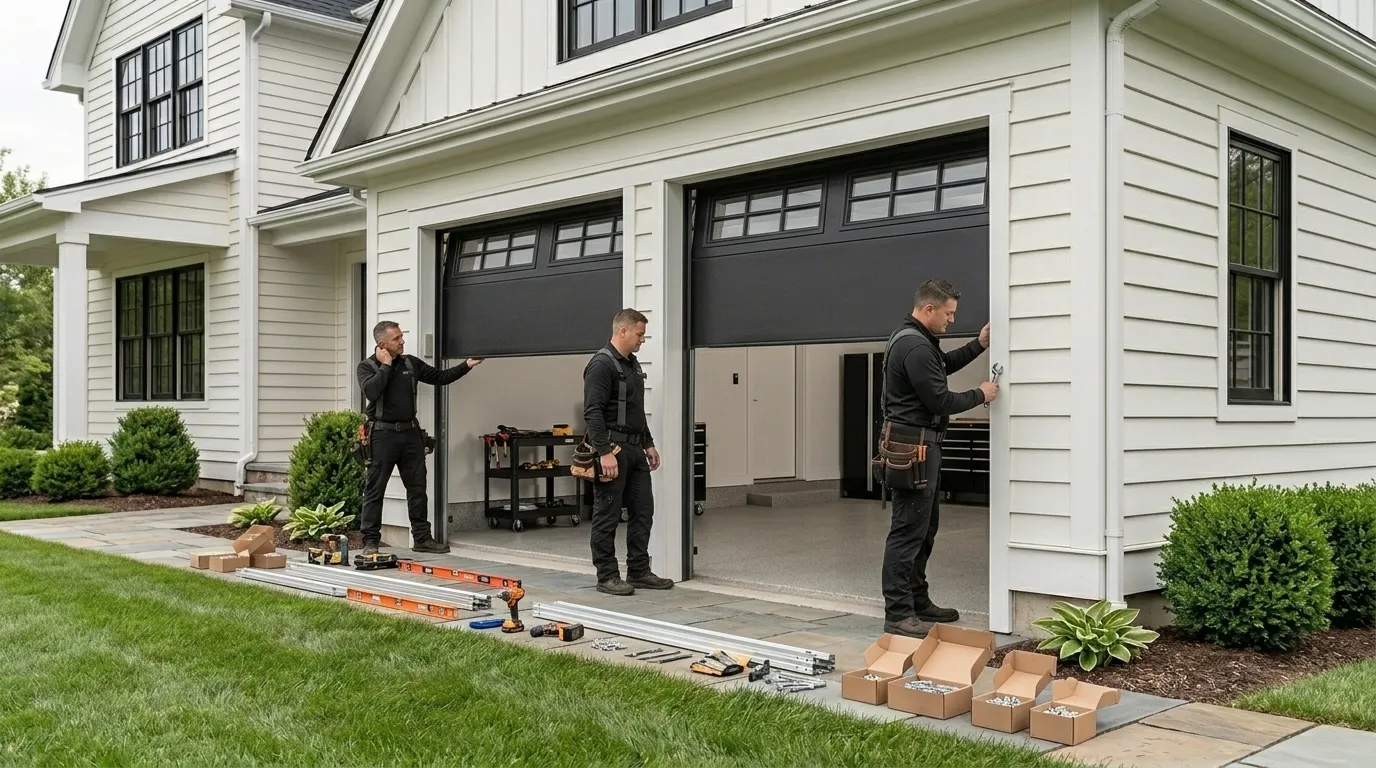
We don't post a flat number here, because what a job costs depends on what's actually broken and what's already on the door, and quoting a price before we've seen the hardware would be a guess dressed up as a fact. What we can tell you is what drives the number: spring size and cycle count, whether the track is bent or just dirty, whether the opener is original to a house built in the 1960s or 70s (common across a lot of this area) or a newer add-on, and whether parts are stocked on the truck or need to be ordered in. Homes here range from 1953 builds up through 2005, and a lot of that older stock still runs gearing and torsion hardware that isn't the same as what's sold today, so matching parts sometimes takes longer than a same-day fix on a newer door. We give you the number after we've looked at the door, not before, and we tell you the honest one: sometimes a repair costs enough that replacing the door is the better call, and we'll say so instead of patching something that'll fail again in six months.
Why This Fails Locally
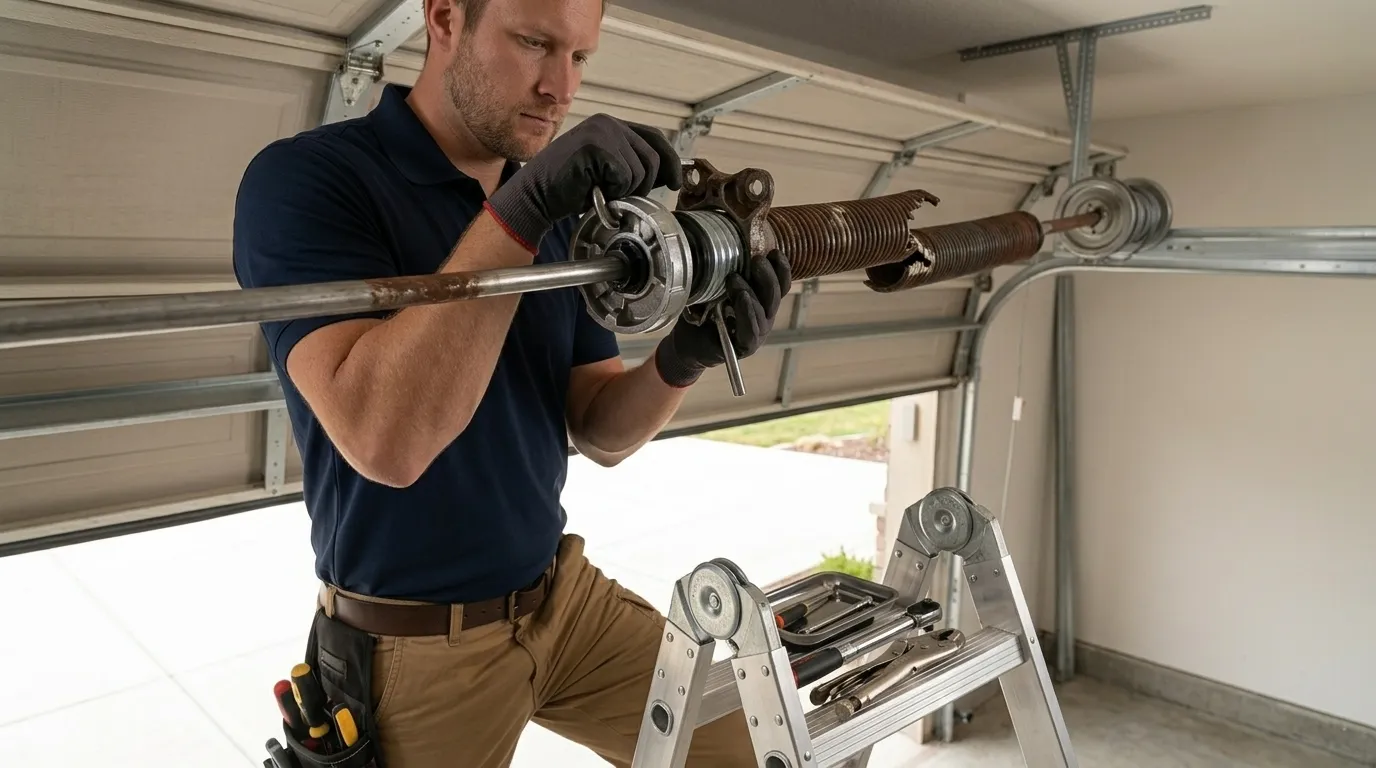
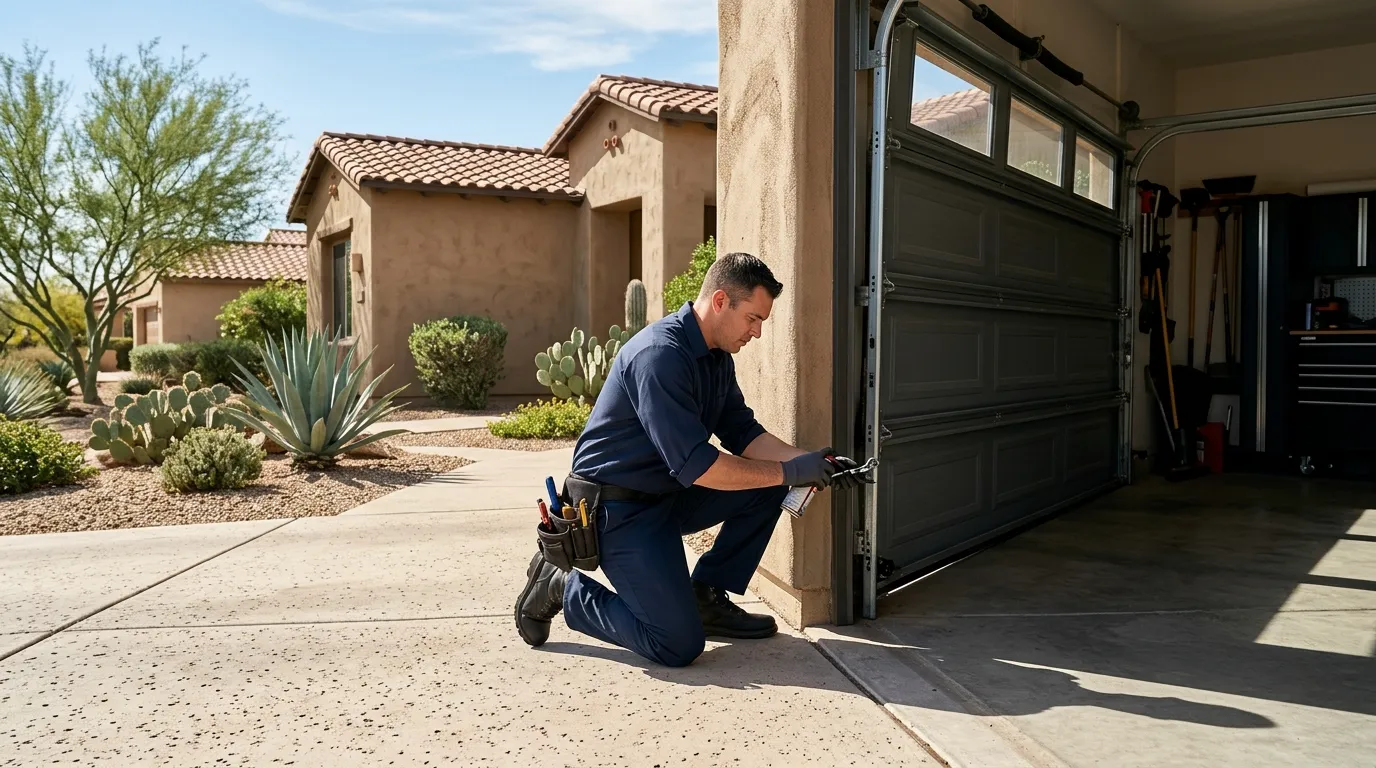
Fort Lauderdale sits in a mild temperate band, which sounds like it should be easy on garage doors, and in some ways it is - no freeze-thaw cycles cracking panels, no snow load on the track. But mild and coastal isn't the same as gentle. The moisture and salt air that come with this climate work on unpainted torsion springs and exposed hardware slowly and constantly, and a lot of the housing stock here, built mostly in the 1960s and 70s according to the record across the named neighborhoods in this service area, was put up before galvanized or coated springs were standard practice. So the failure we see most isn't storm damage - it's corrosion-driven fatigue on a spring that's 15, 20, 30 years past its rated cycle count, snapping on an otherwise ordinary Tuesday. Newer builds in the same footprint, up through the 2005 end of that housing range, usually have better-sealed hardware, but plenty of original springs and rollers from the older half of that range are still on the door, doing a job they were never built to do this long.
How It Shows Up
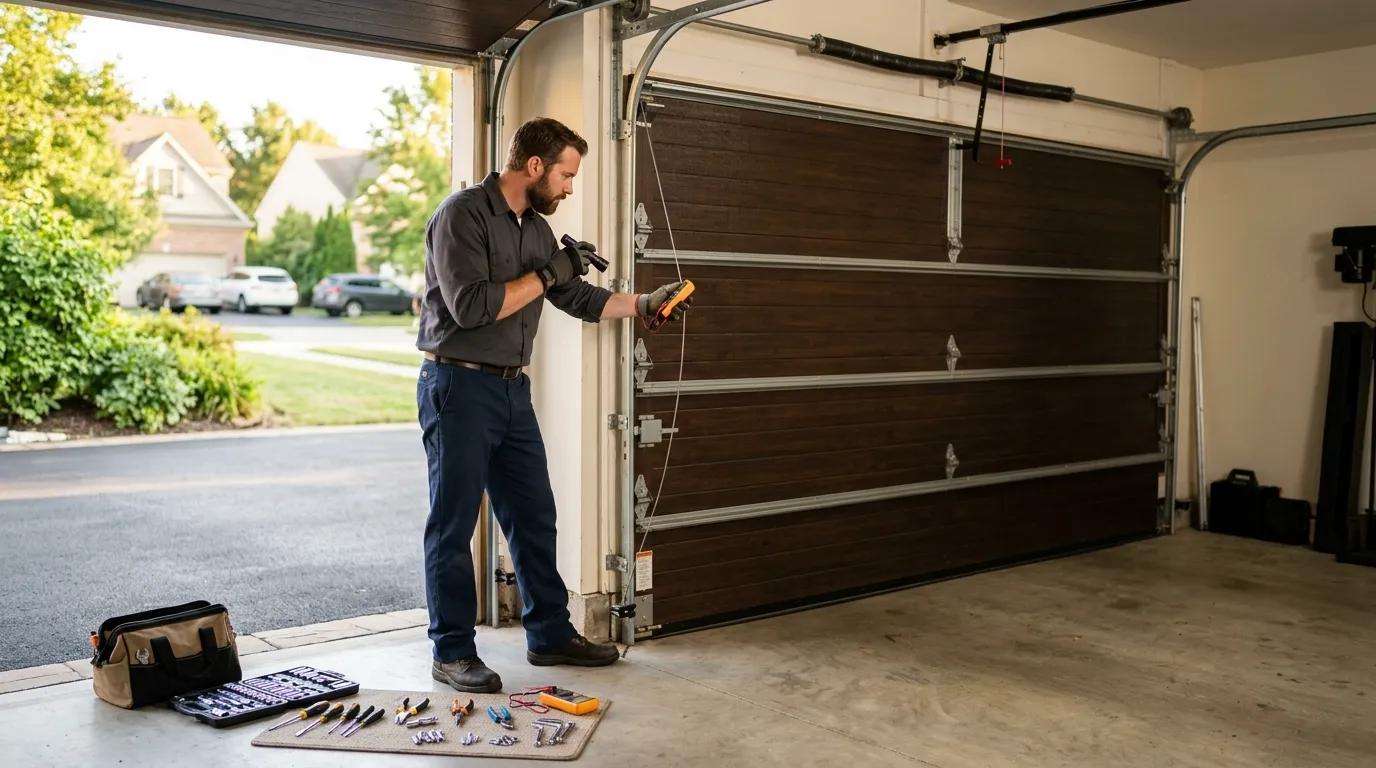
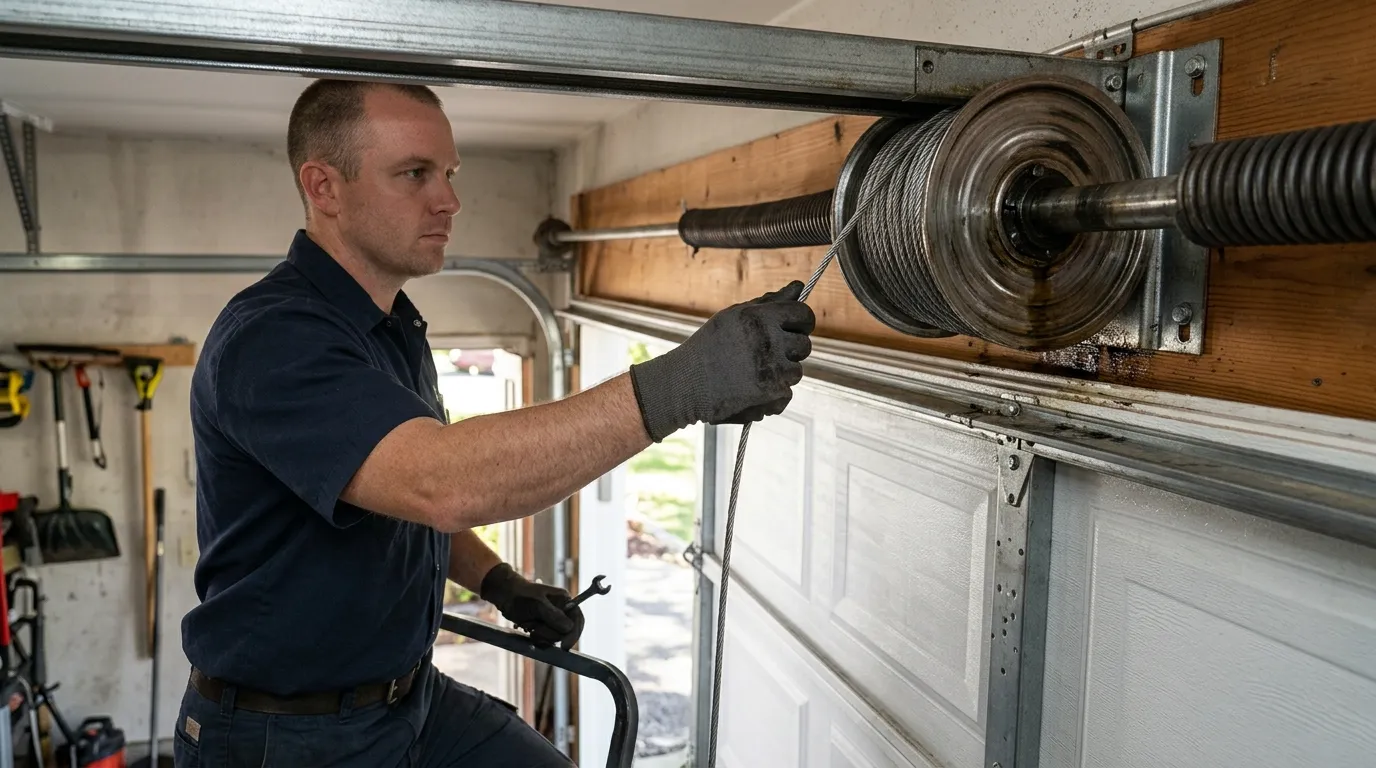
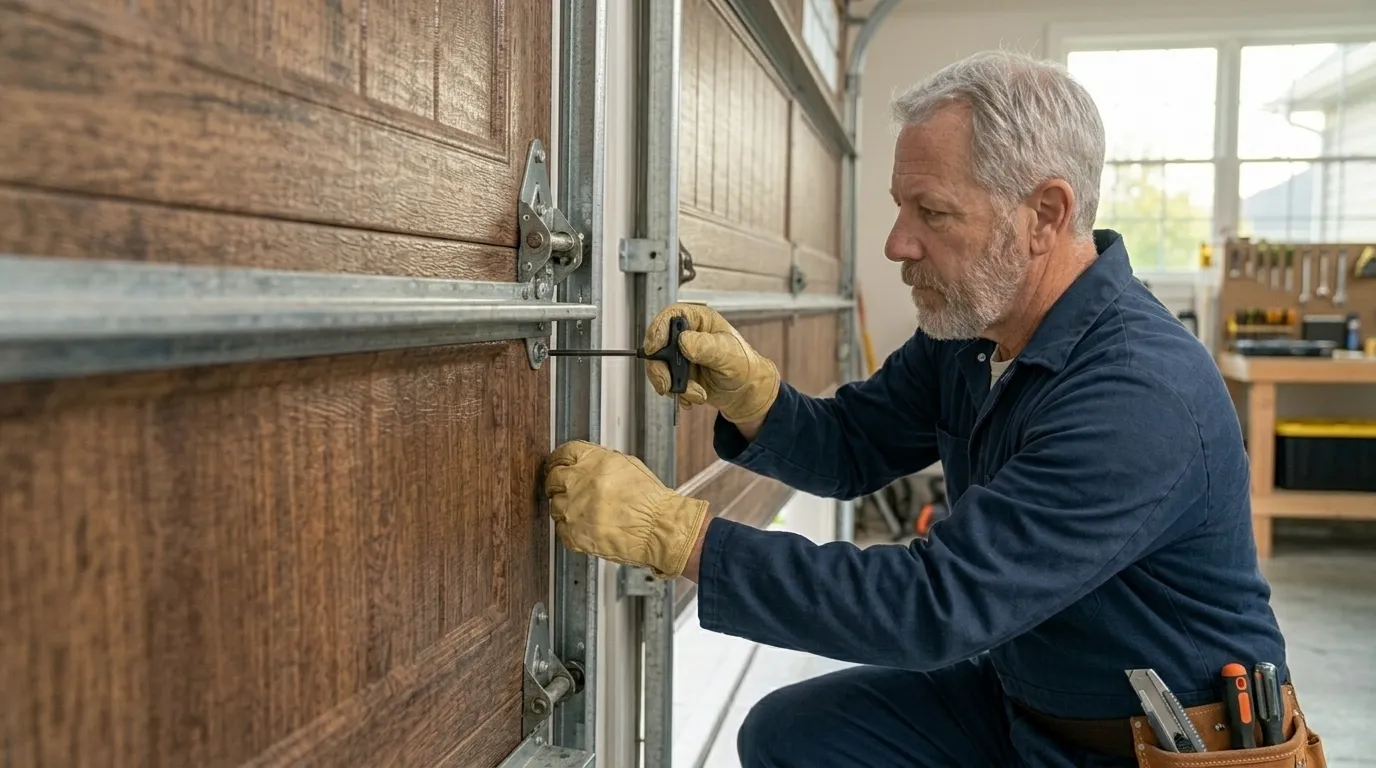
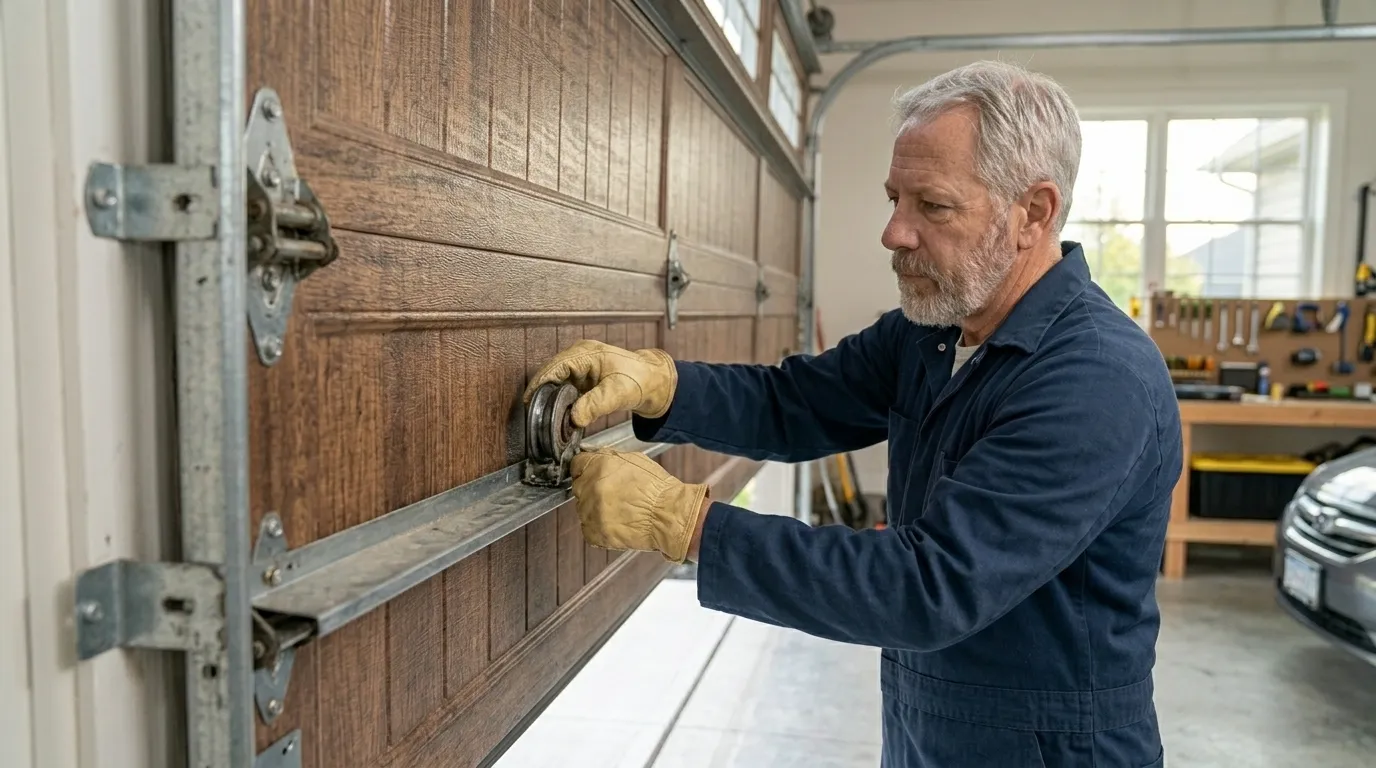
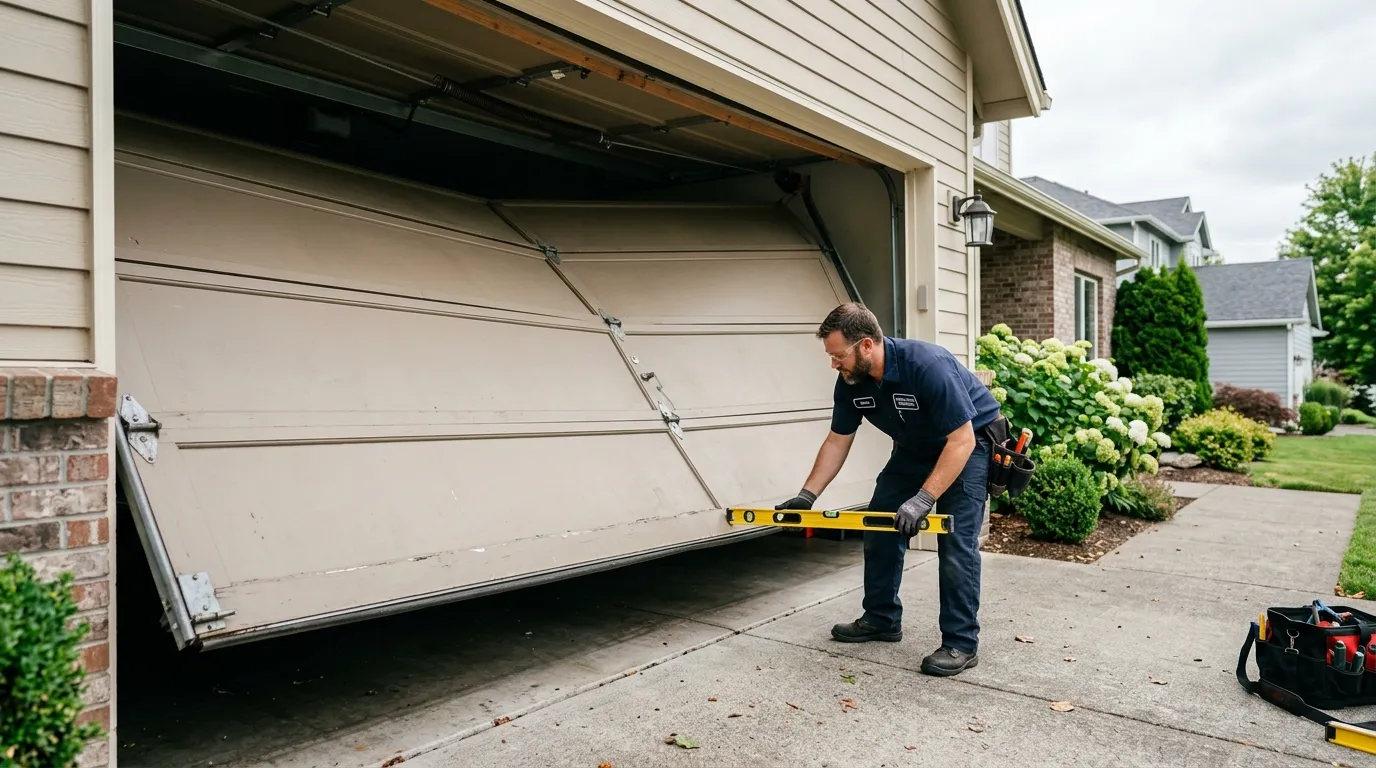
Most calls start the same way: the door won't open, or it opens a few inches and stops, or it comes down fast and hard instead of settling. That's usually the spring, and on the older end of this area's housing stock - the 1960s and 70s builds that make up most of what's here - it's often a spring that's simply outlived its cycle count sitting in salt-humid air that's been quietly working on the coil the whole time. Sometimes it shows up smaller: a grinding sound from a roller that's worn its bearing out, or a track that's slightly bent from years of a door being forced past a stuck spring instead of the spring being replaced. In a household earning the area's median income of roughly $62,201, deferring the fix for a season or two is a normal, reasonable choice - but a bent track or a badly worn roller left alone tends to turn into a cable or opener problem, which costs more to put right than the original spring would have.