Plain Answers
We fix garage doors in Fort Lauderdale. That's the short version. Most of the houses we get called to went up between 1953 and 2005, with the bulk of that stock dating to the 1960s and 70s, and the doors, springs, and openers on those houses tend to fail in predictable ways. Torsion springs go after years of cycling in the heat. Rollers seize. Openers from that era stop talking to remotes that were replaced twice since the door was installed.
We don't sell a story about how we got started or how many trucks we run. We work on doors, and we work in this city and the neighborhoods around it. If a door is making a noise it didn't used to make, or won't open, or opens crooked, that's the kind of call we take. If you're trying to figure out whether a repair makes sense or you're better off replacing the whole unit, that's also a conversation we can have honestly, including the times when replacement is the cheaper answer over five years.
The Work We Take On
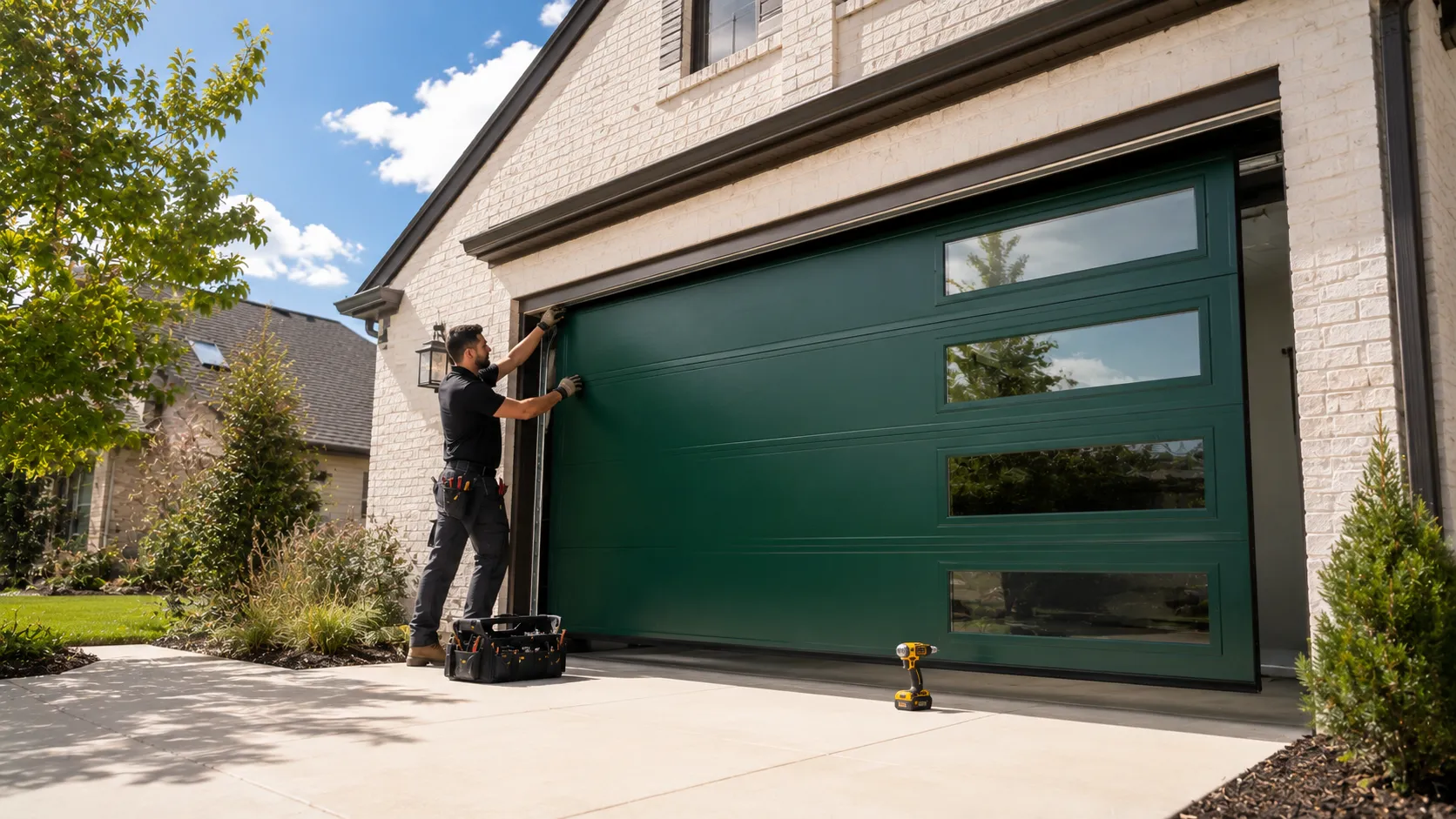
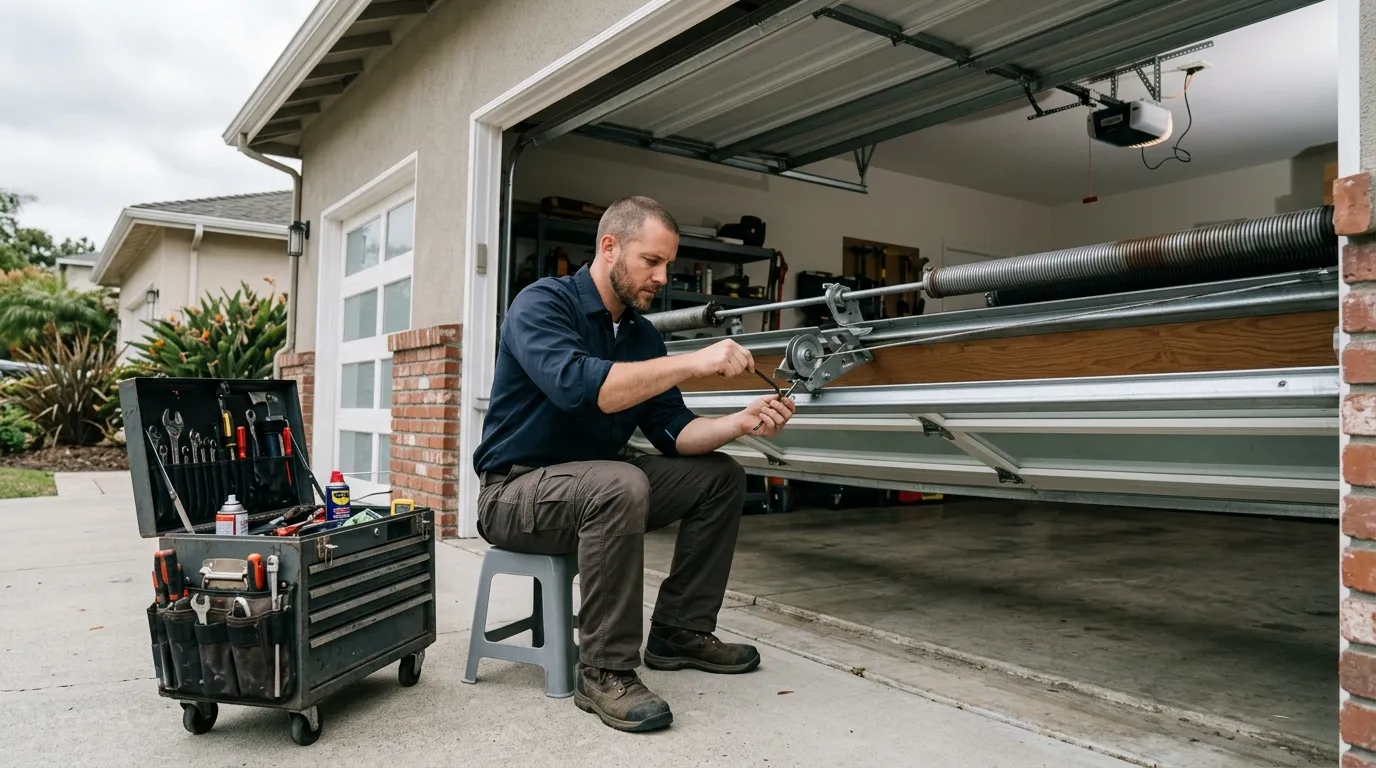
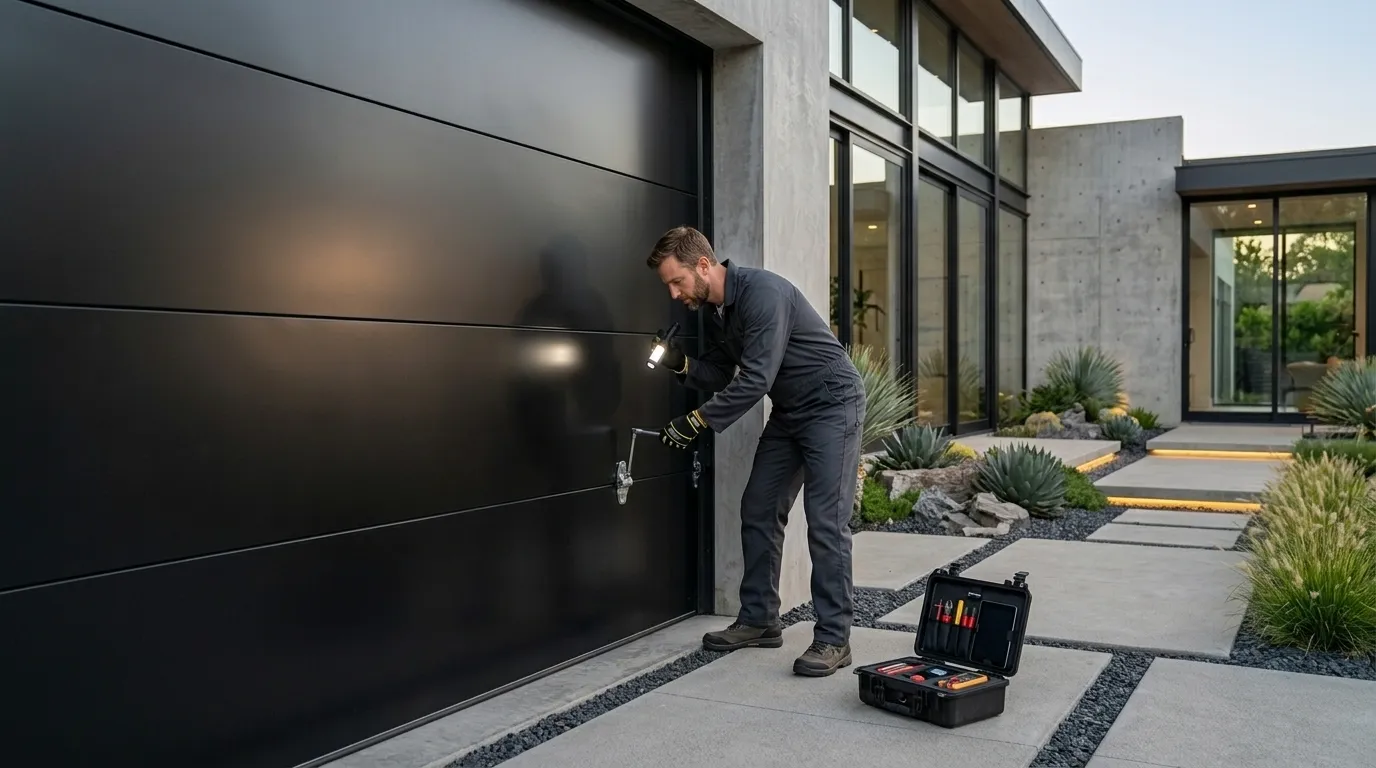
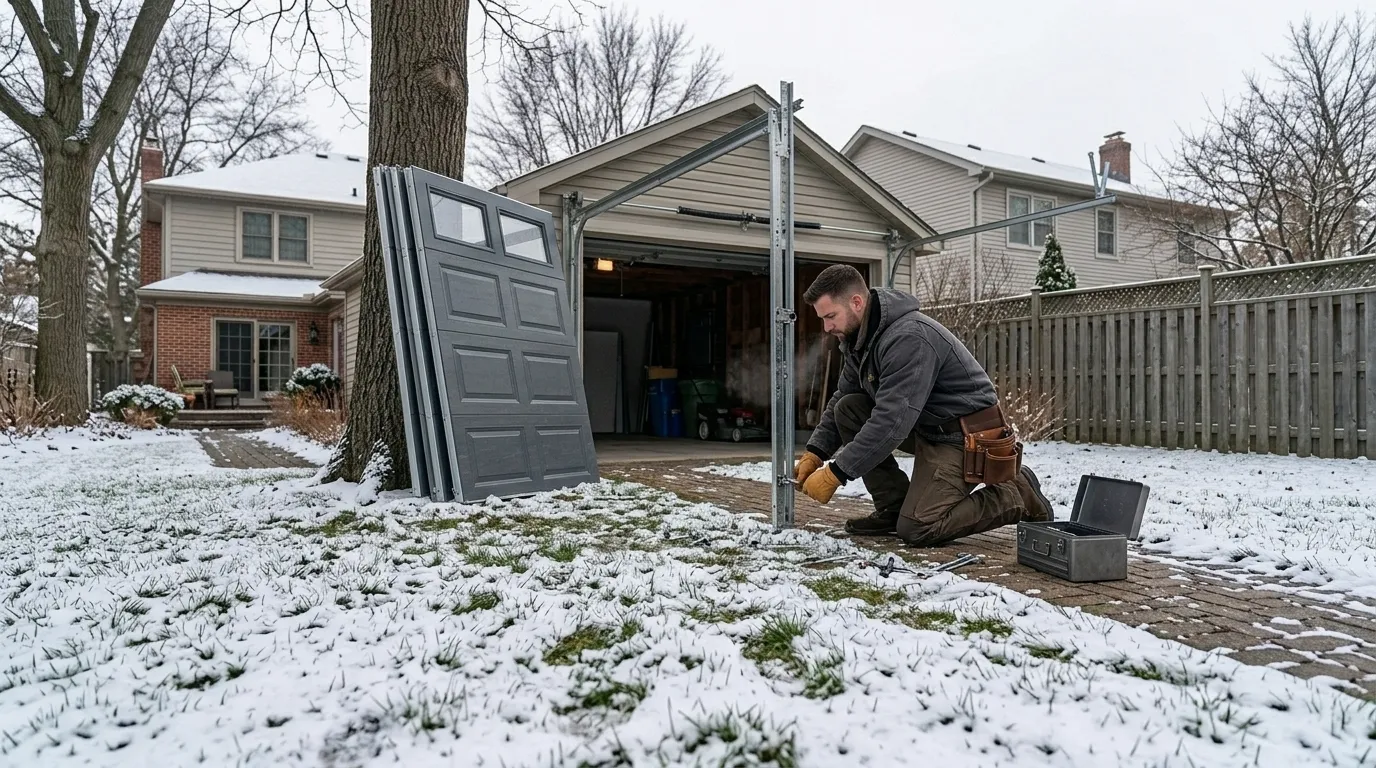
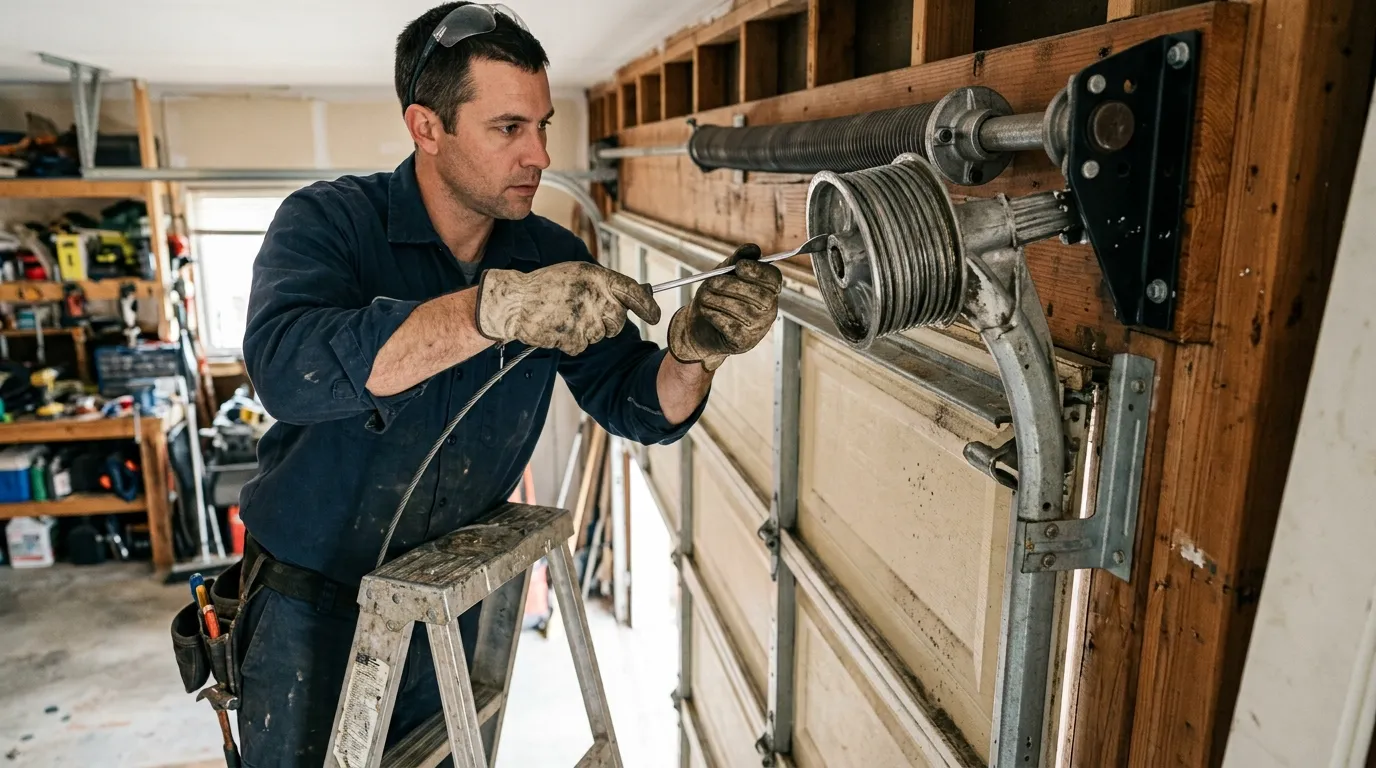
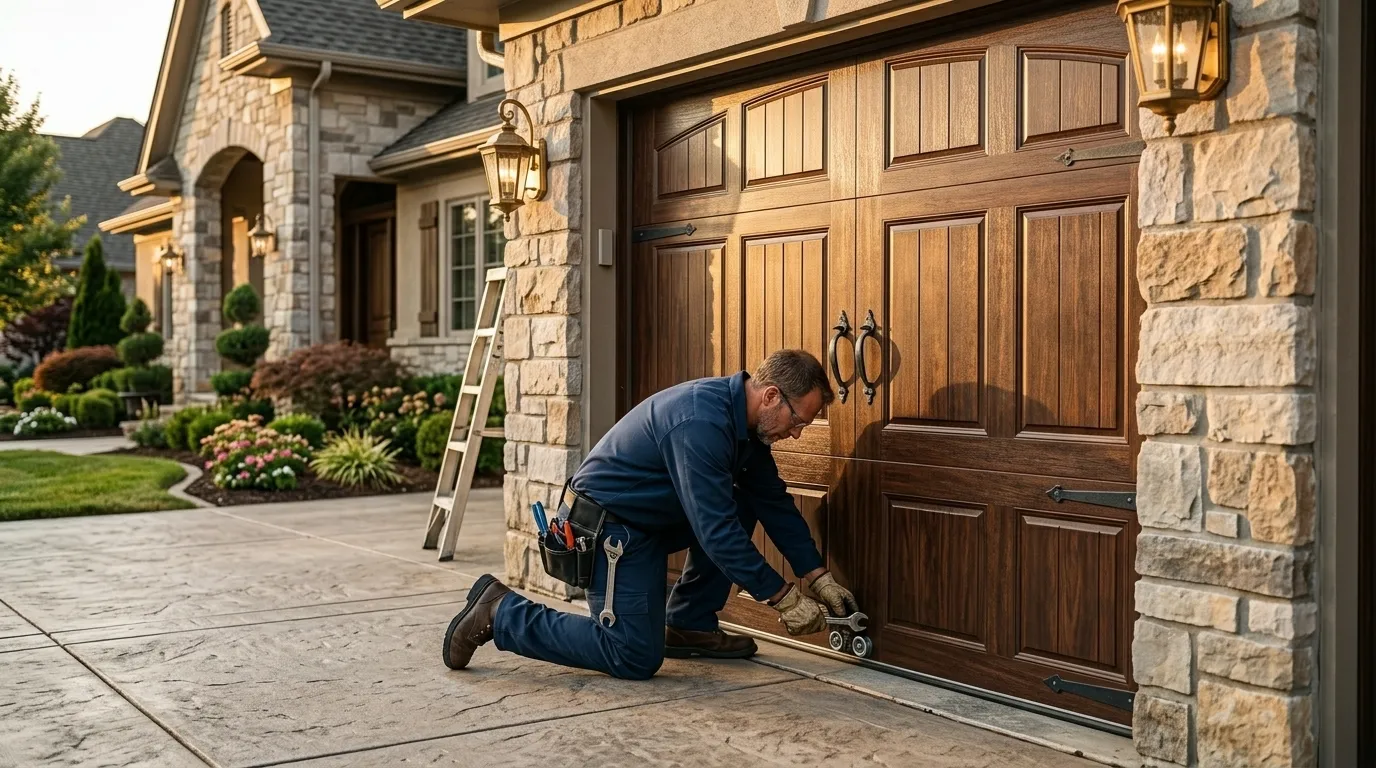
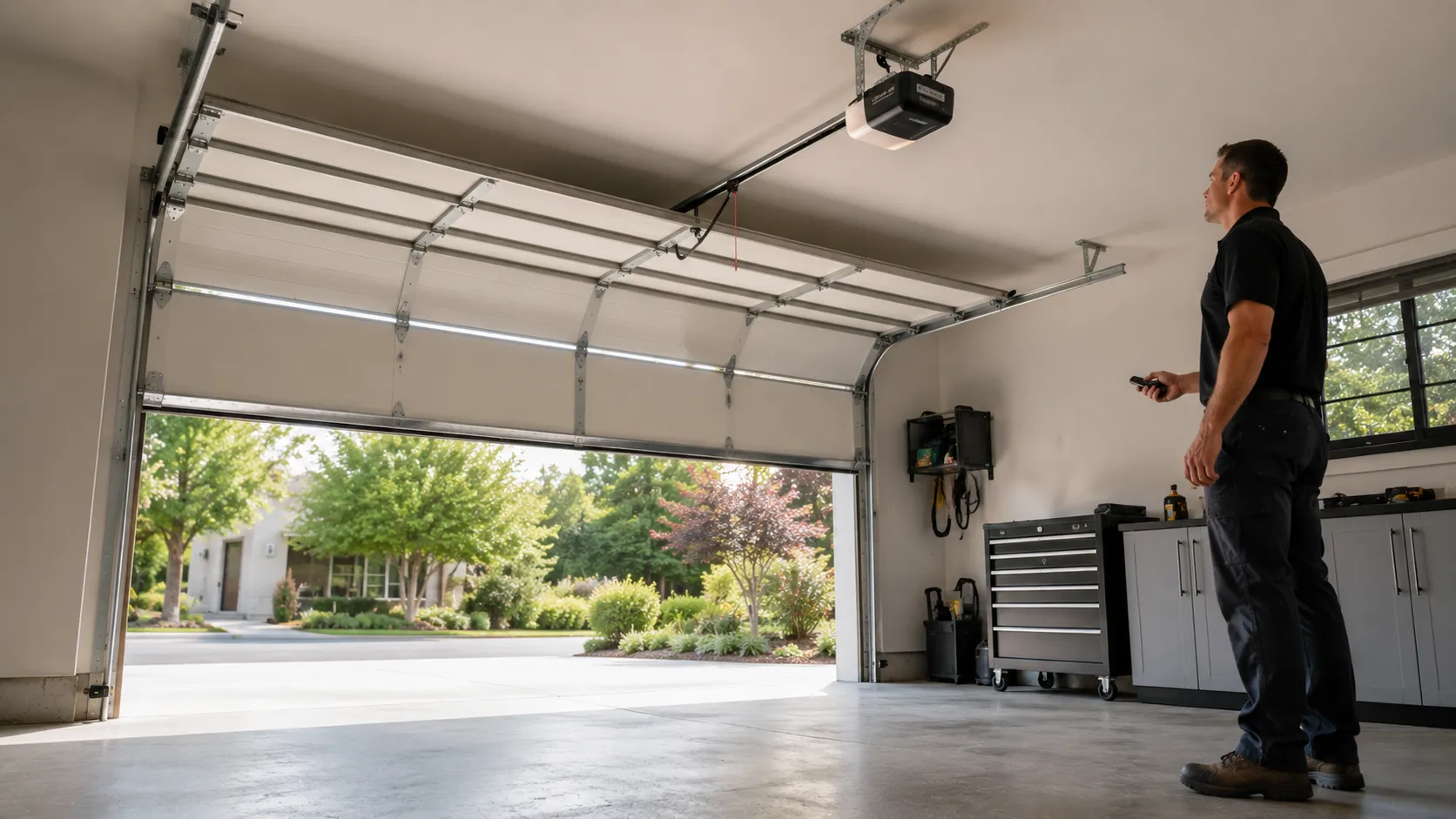
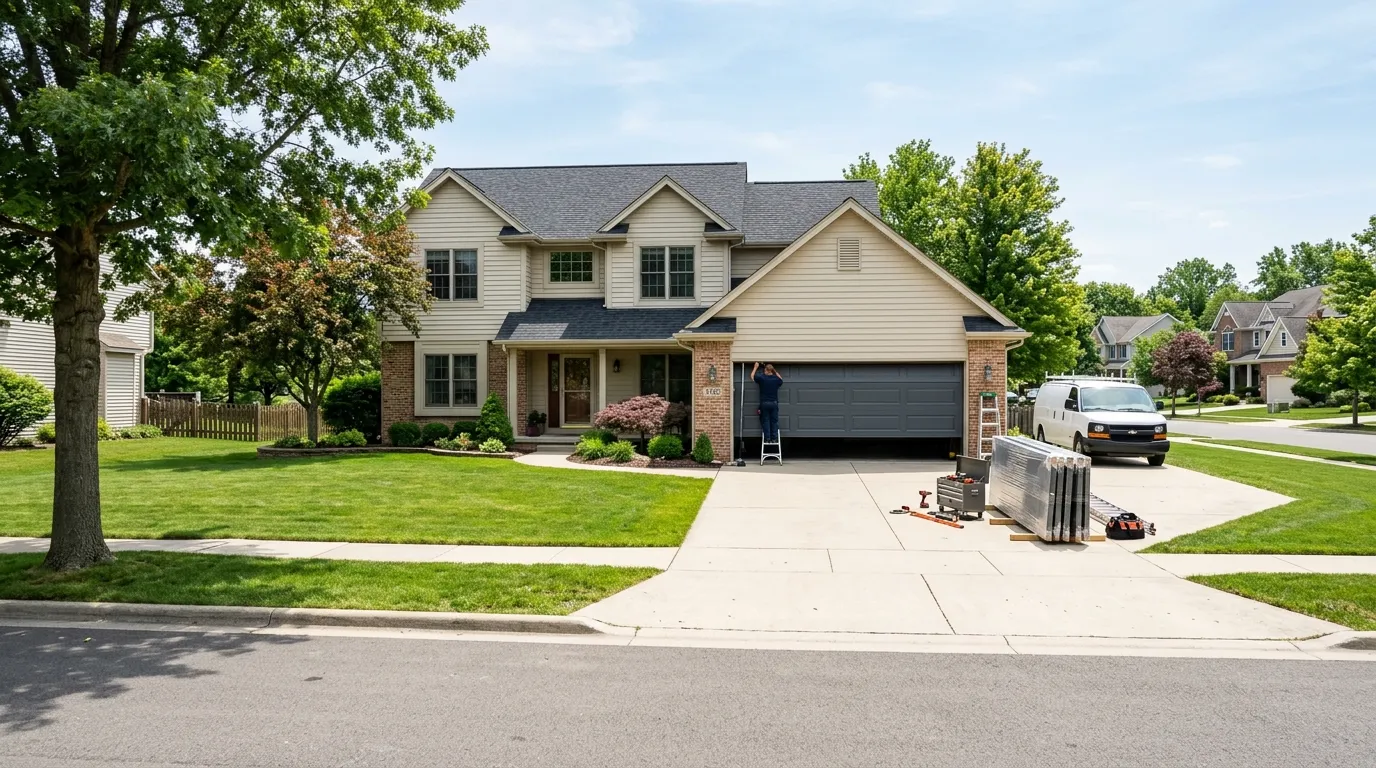
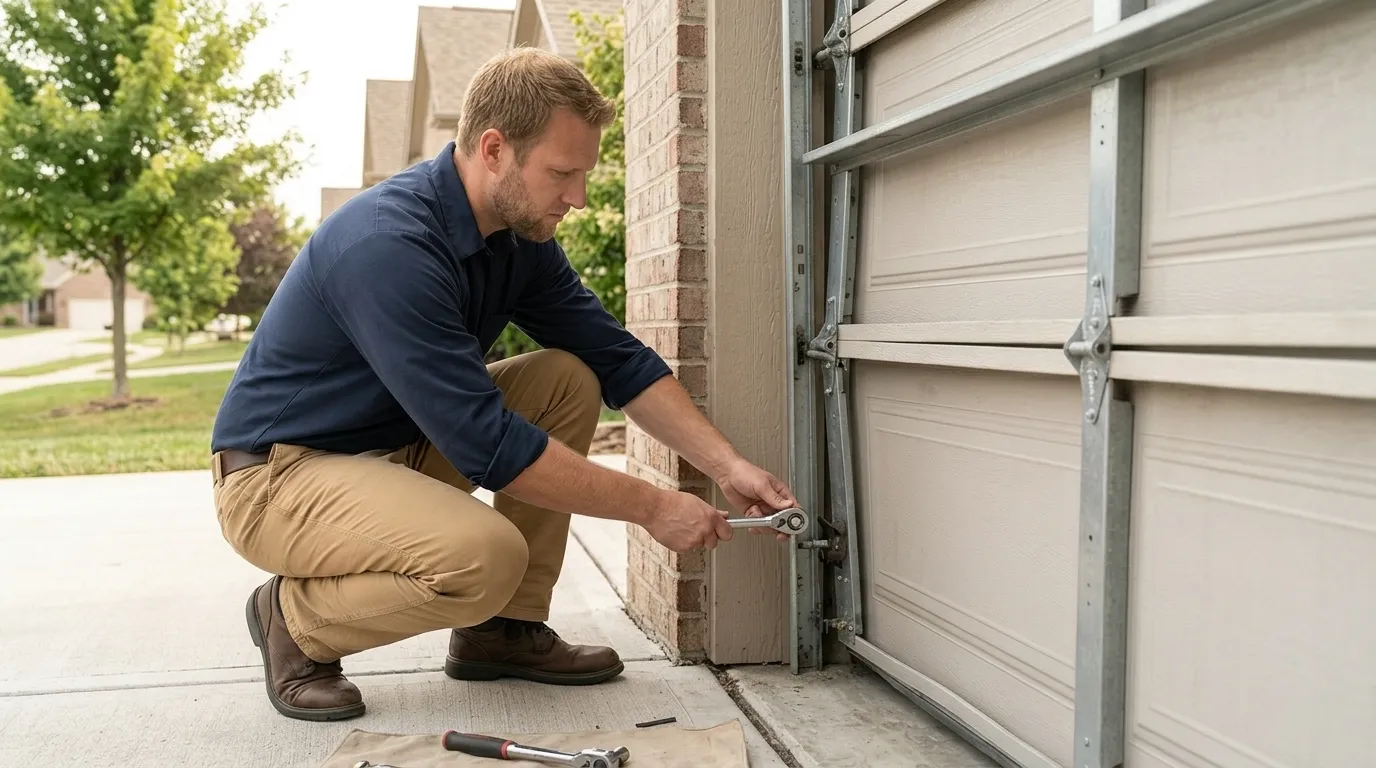
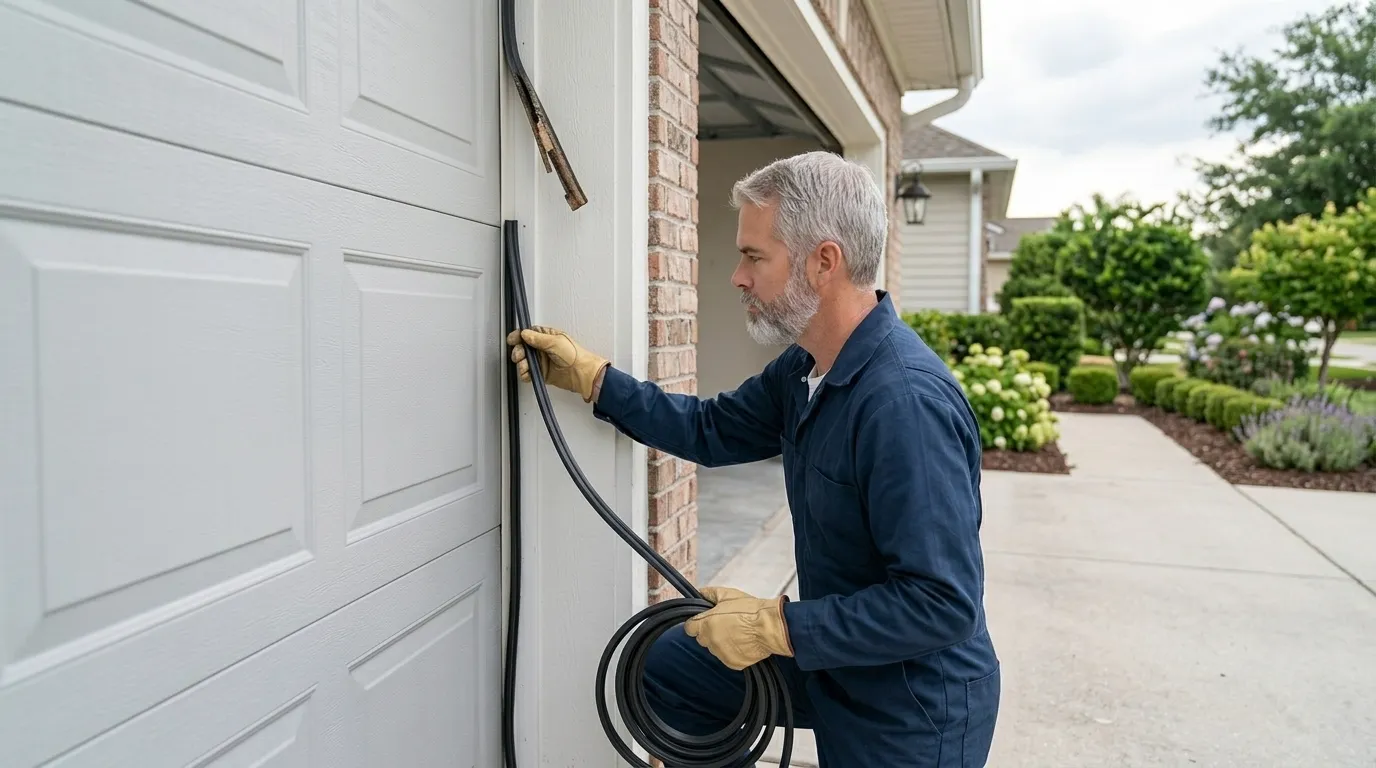
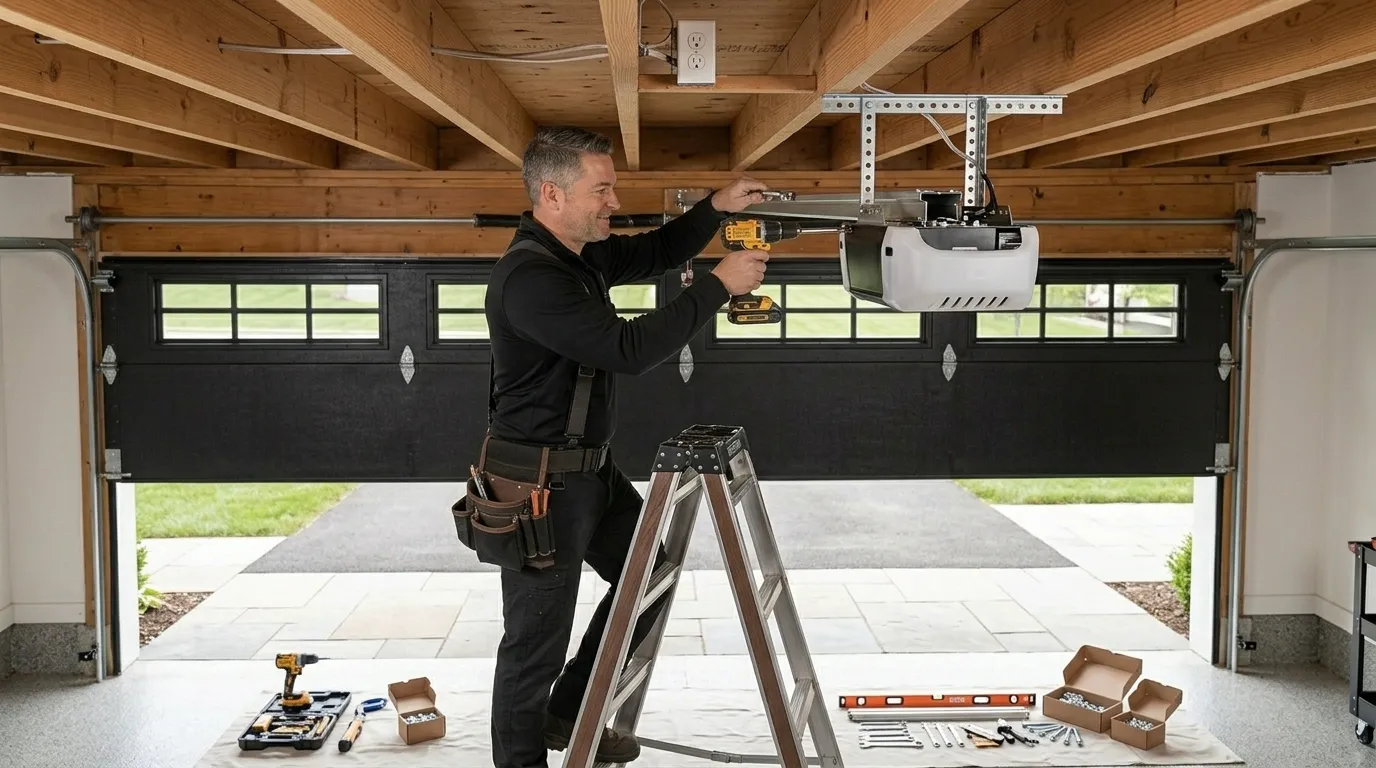
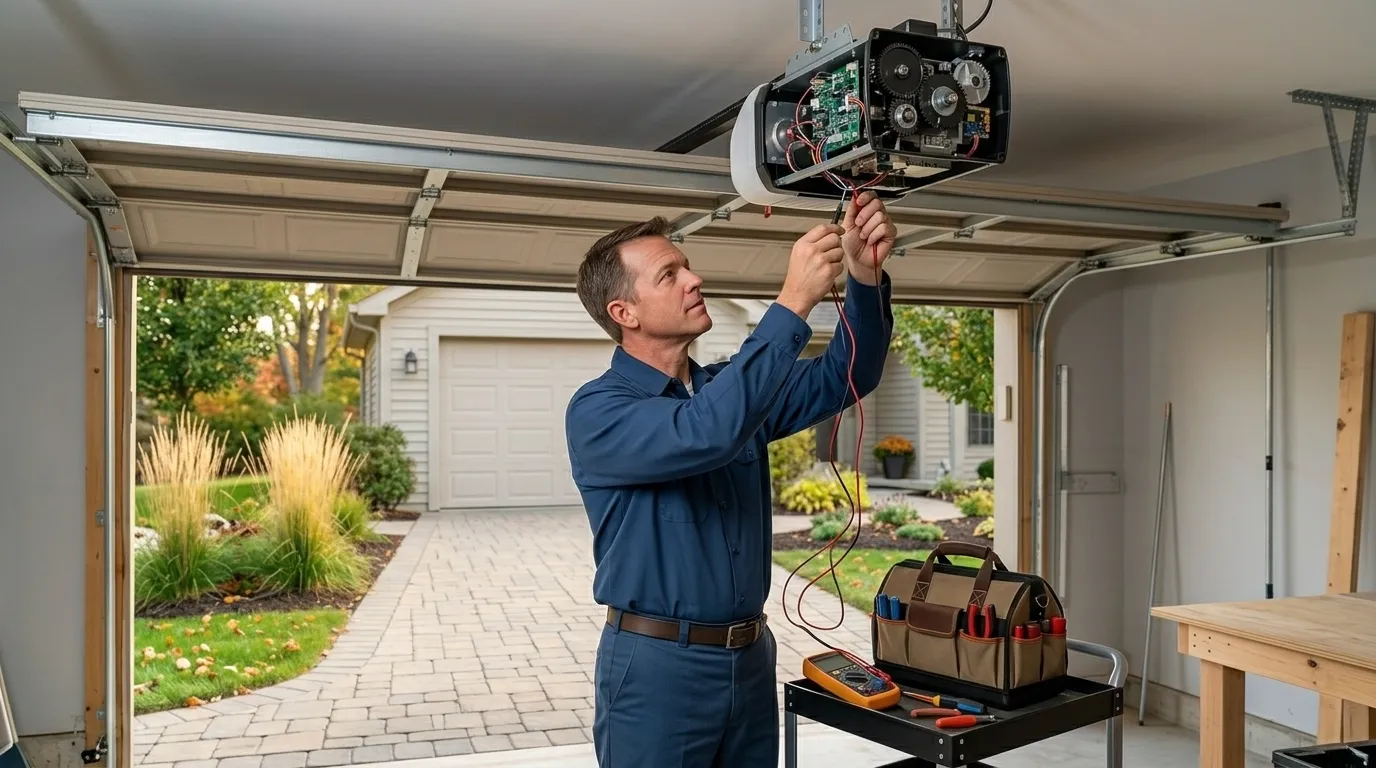
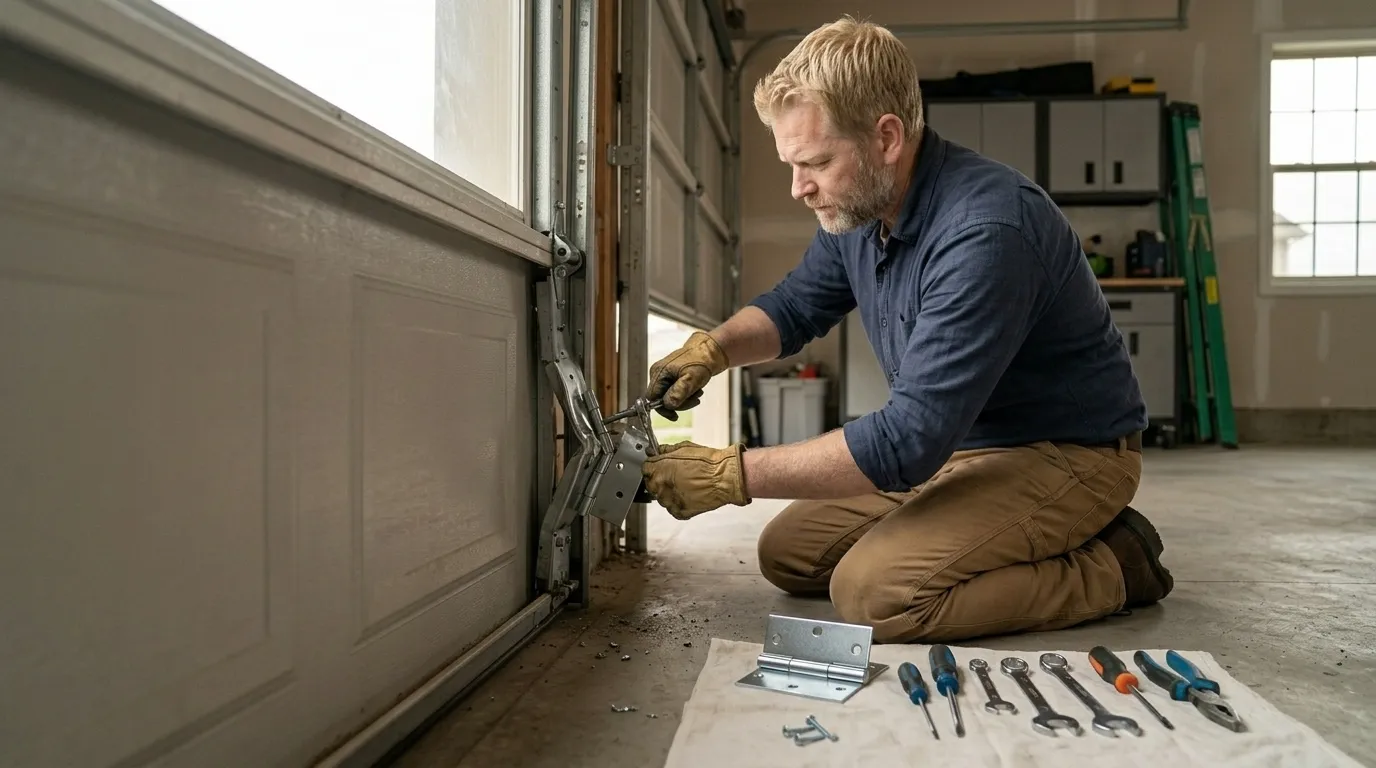
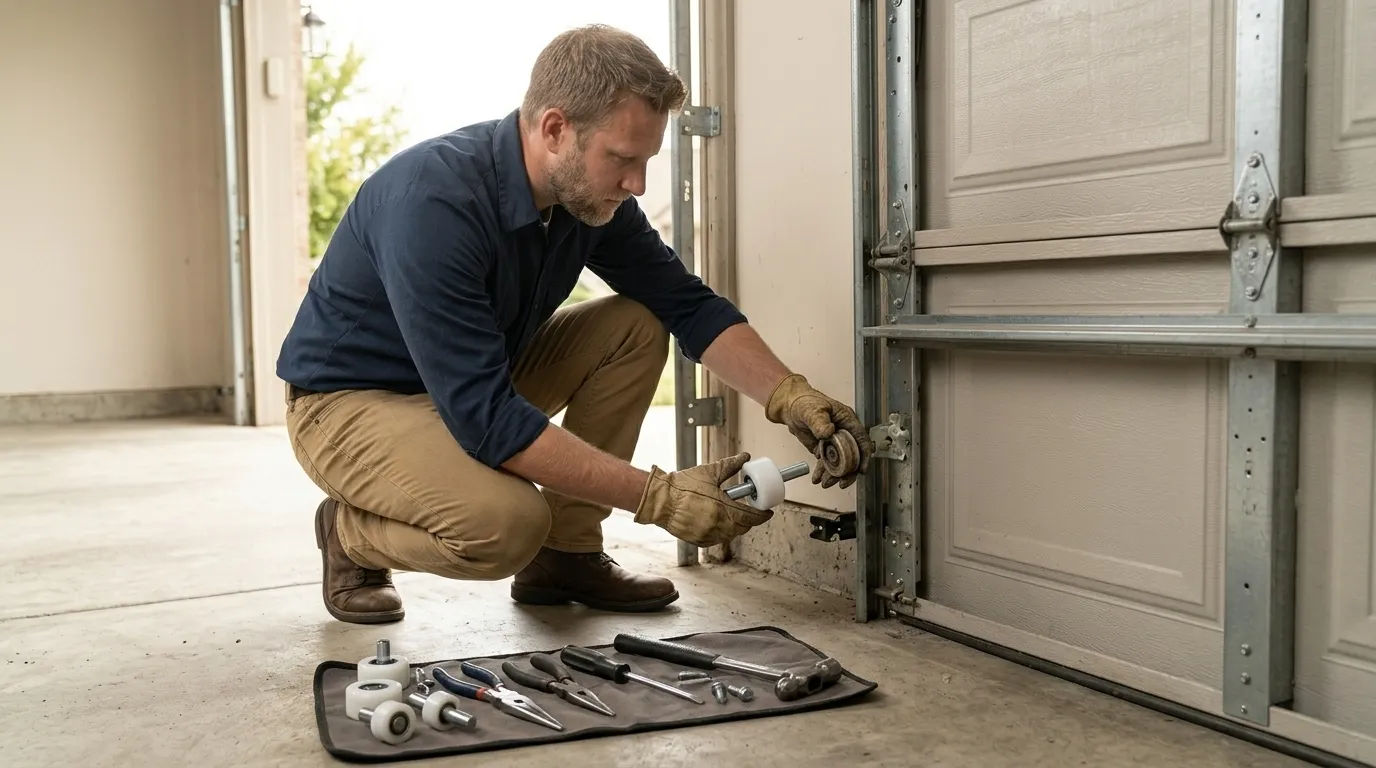
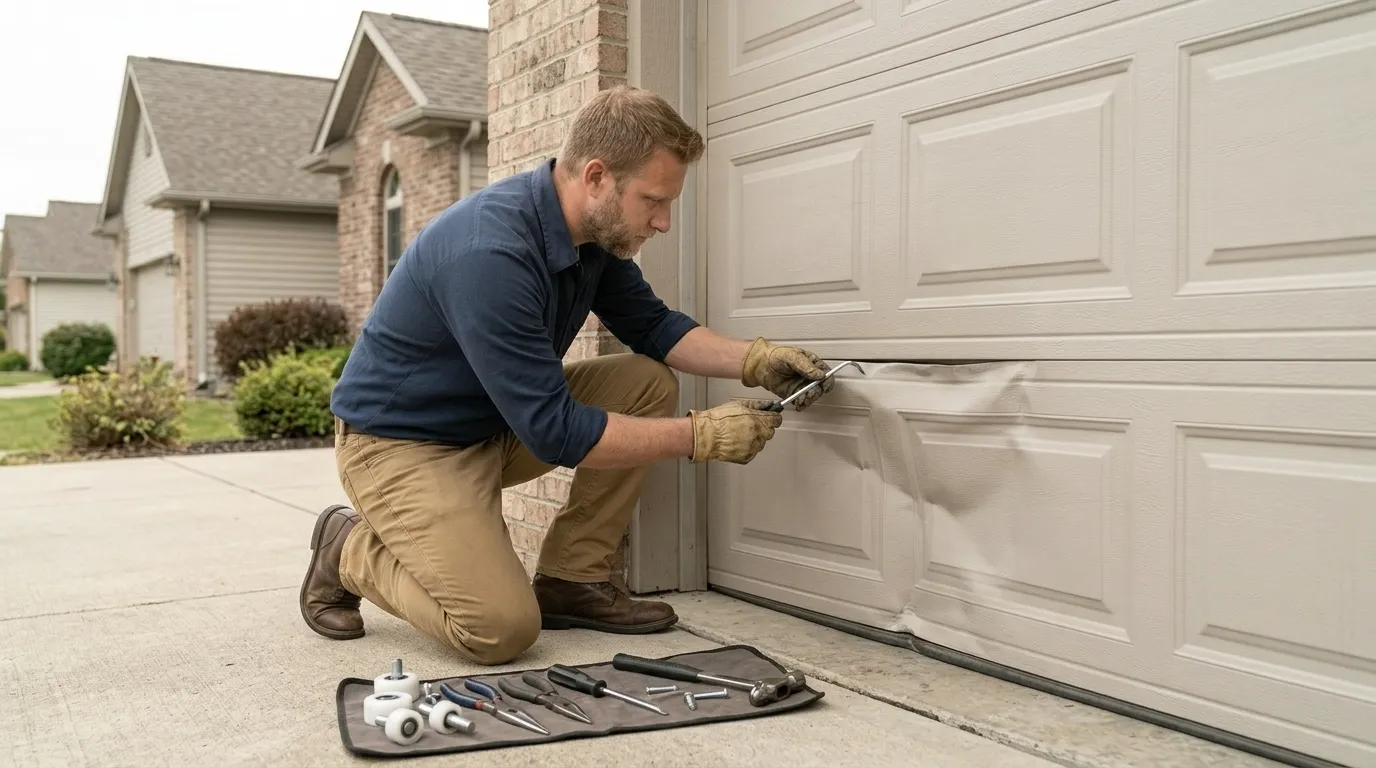
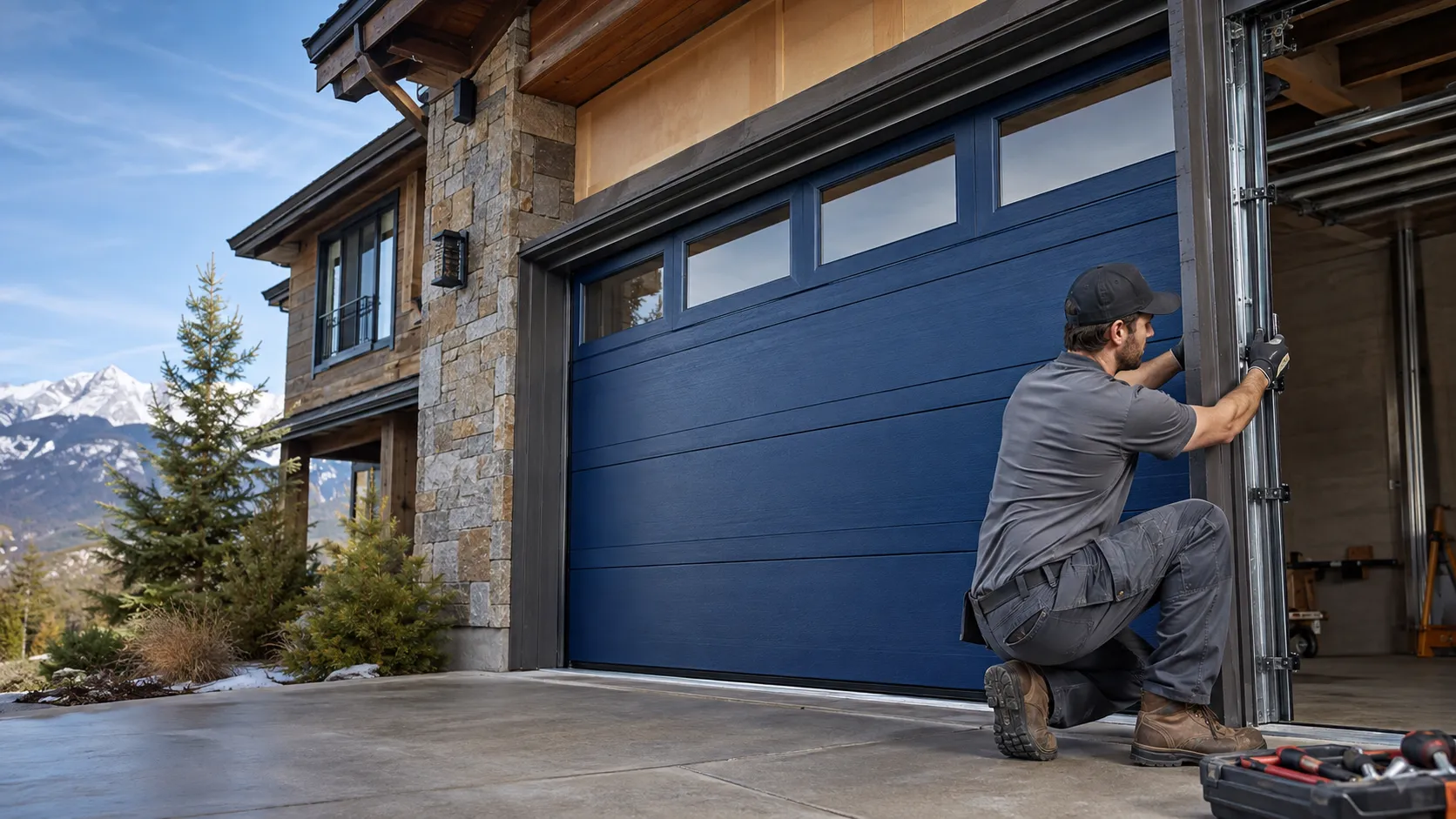
We work on residential garage doors: broken springs, cables off the drum, bent or dented panels, tracks knocked out of alignment, openers that won't respond or run backward, and rollers that have worn down to the point the door shudders on the way up. A lot of what we see traces back to the age of the house. With most homes in this part of Fort Lauderdale built between the 1950s and the early 2000s, and a heavy concentration from the 1960s and 70s, we're often dealing with original hardware that was never upgraded, or a replacement door bolted onto decades-old track.
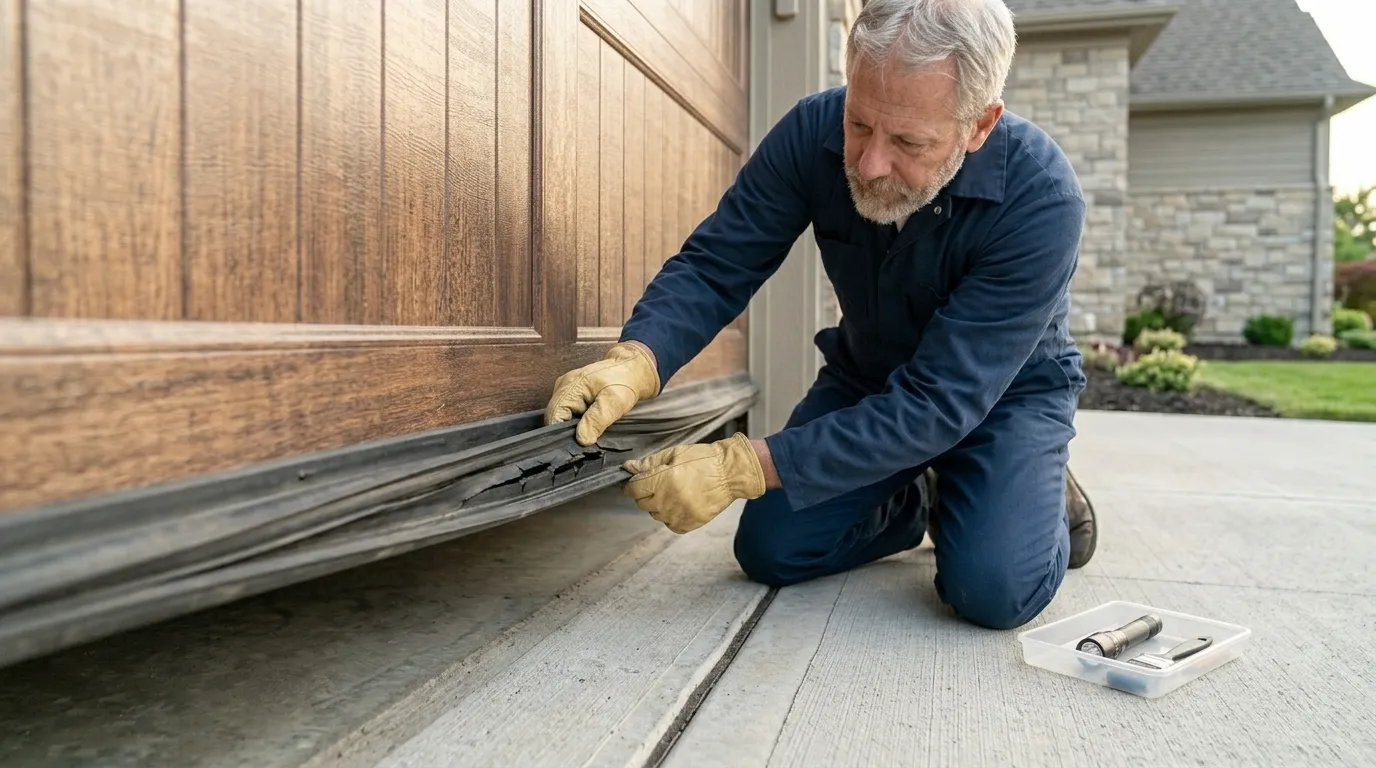
Fort Lauderdale sits in a mild temperate climate band, which spares us the freeze-thaw cracking that ages doors fast farther north, but it doesn't spare rubber seals, weatherstripping, or steel hardware from years of salt air and heat cycling. One limitation worth saying plainly: we don't do new home construction installs as a standalone service, and if a job needs a full structural rebuild of the opening itself, that's outside what we take on.
Who Turns Up
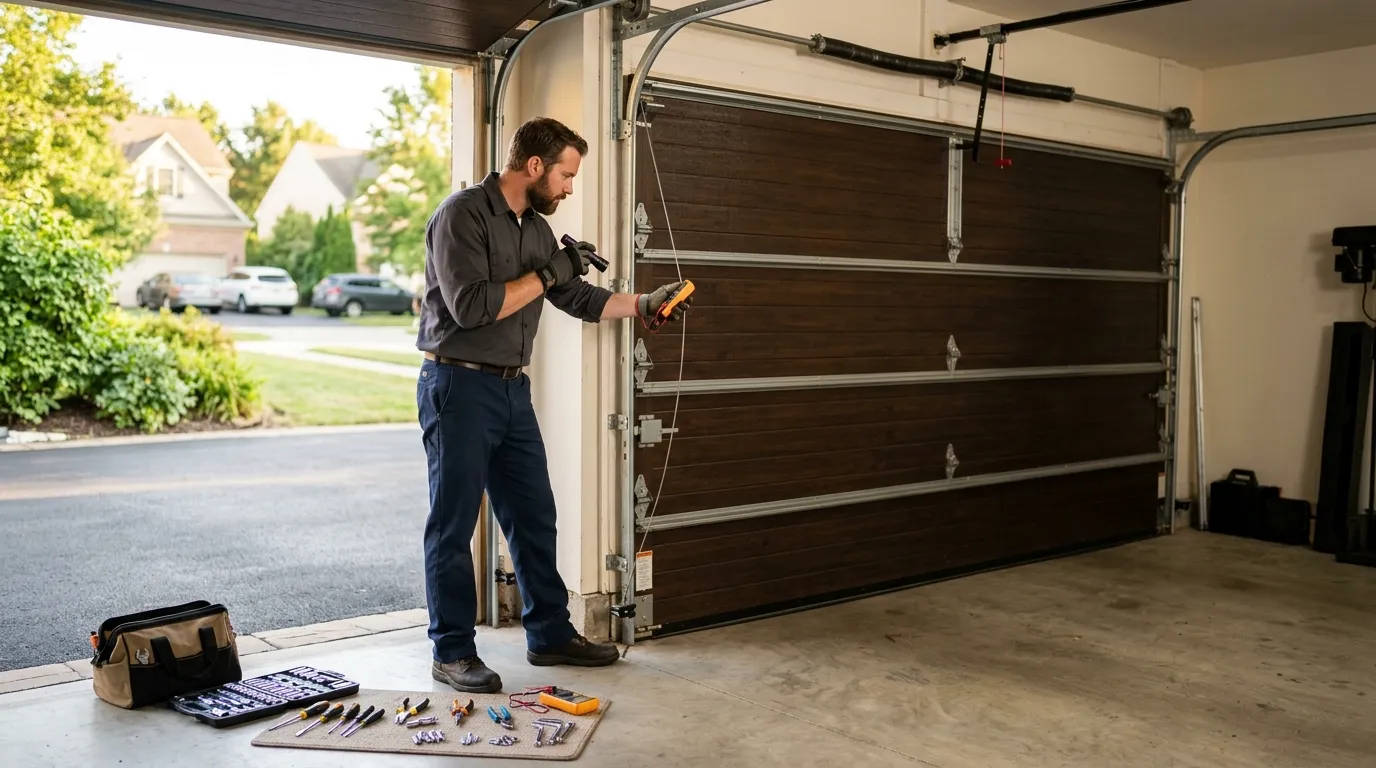
Someone who works on garage doors for a living, with the parts and tools to handle a spring replacement or a track realignment on the same visit, not a second trip. Across the service area there are roughly 387,256 households, a large share of them - about 107,368 - owner-occupied houses, and a lot of those doors are original to homes built decades ago. That's the bulk of our day: repairing hardware that's older than the remote clipped to the visor.
Median household income across the area runs around $62,201, and that shapes how we talk about repair versus replacement - we'd rather fix a spring and a set of rollers for a fraction of a new door's cost than push a replacement someone doesn't need yet. When a door really is past the point of a reasonable repair, we'll say so and explain why, instead of stringing out a fix that won't hold.