What to Check
A real service call starts with the door itself, not a sales pitch. Most houses across this service area went up between 1953 and 2005, with the bulk of the stock dating to the 1960s and 70s across the 32 named neighborhoods we work in, from Lauderdale Manors to Poinciana Park to Harbordale. That means we're usually looking at a torsion spring system that's been re-tensioned more than once, hinges that have seen fifty summers of humidity, and rollers that were never rated for the cycle count they've actually put in.
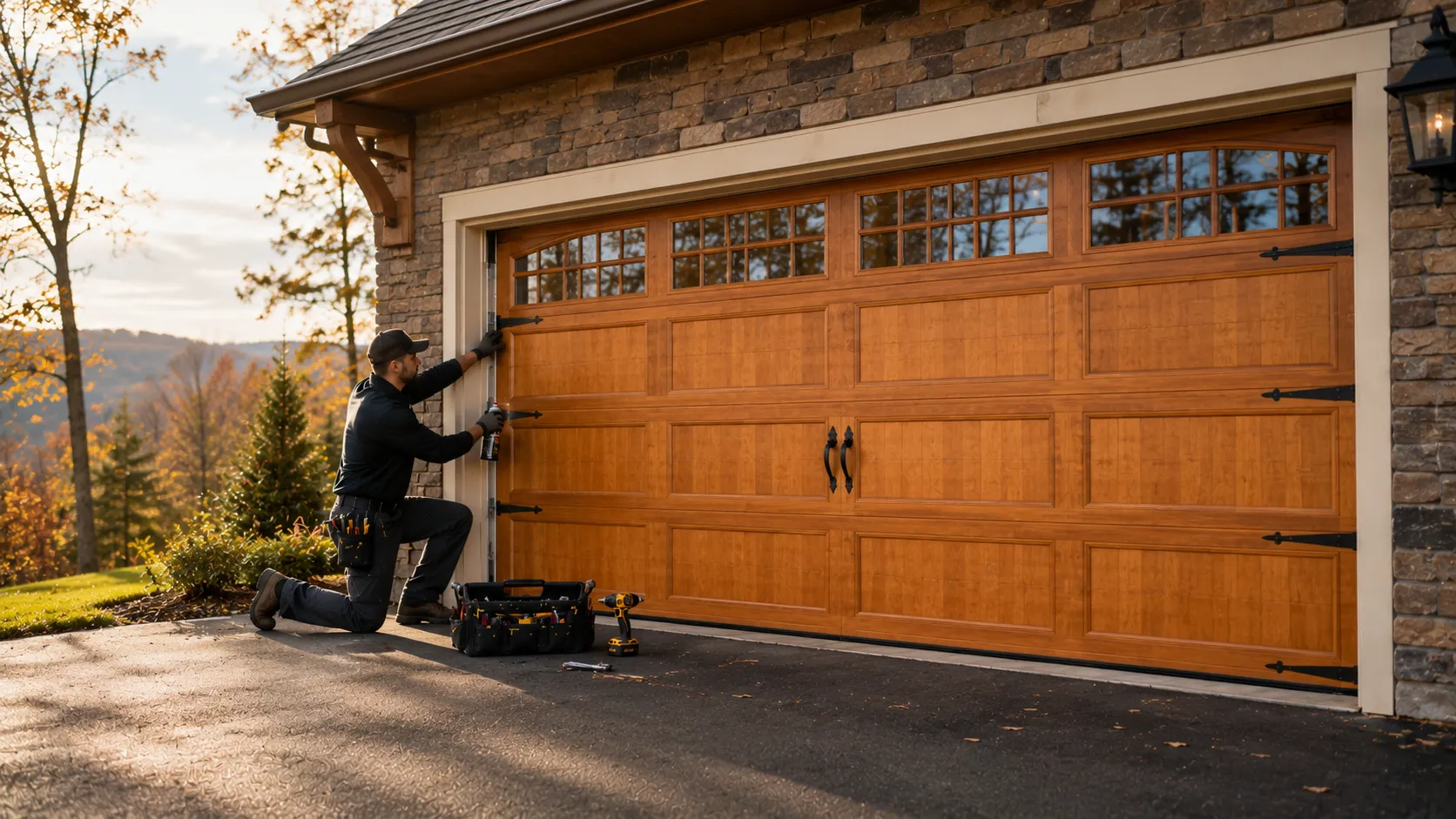
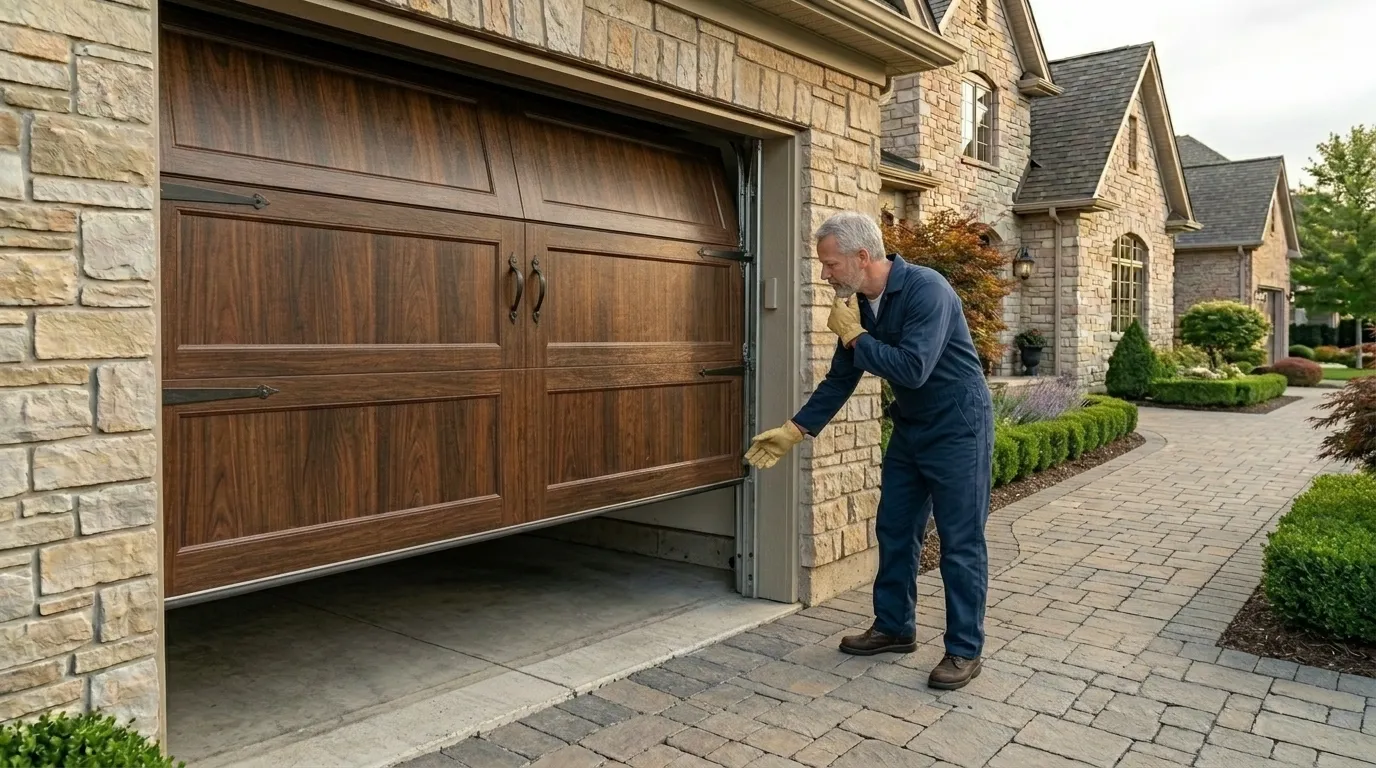
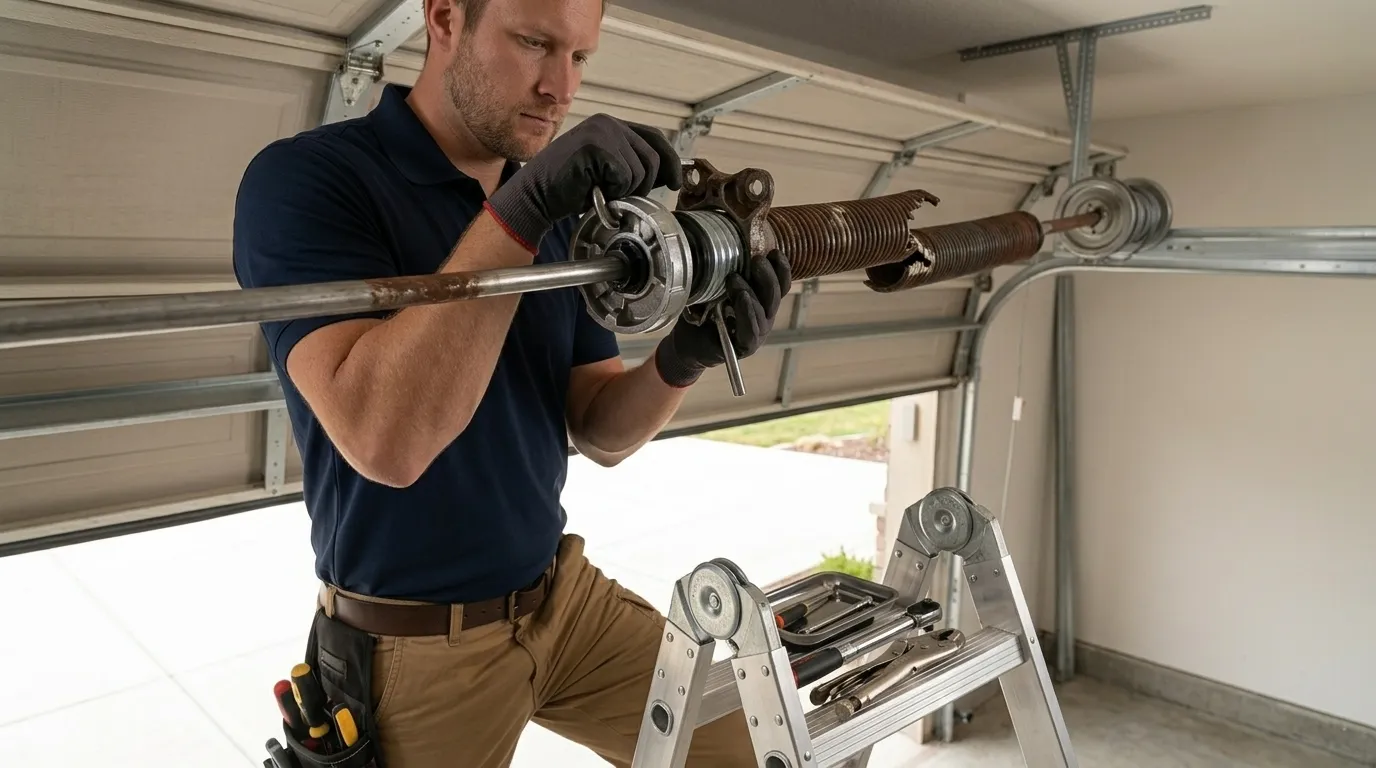
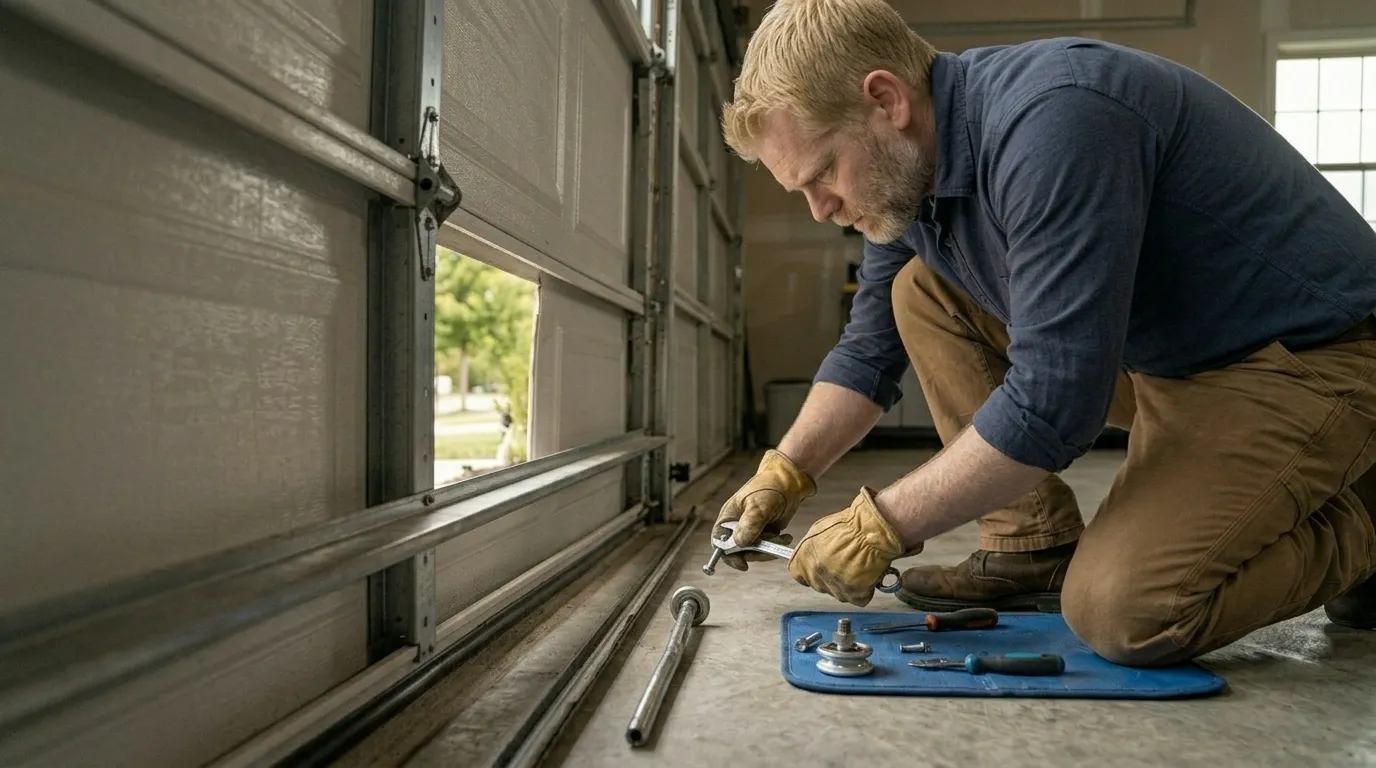
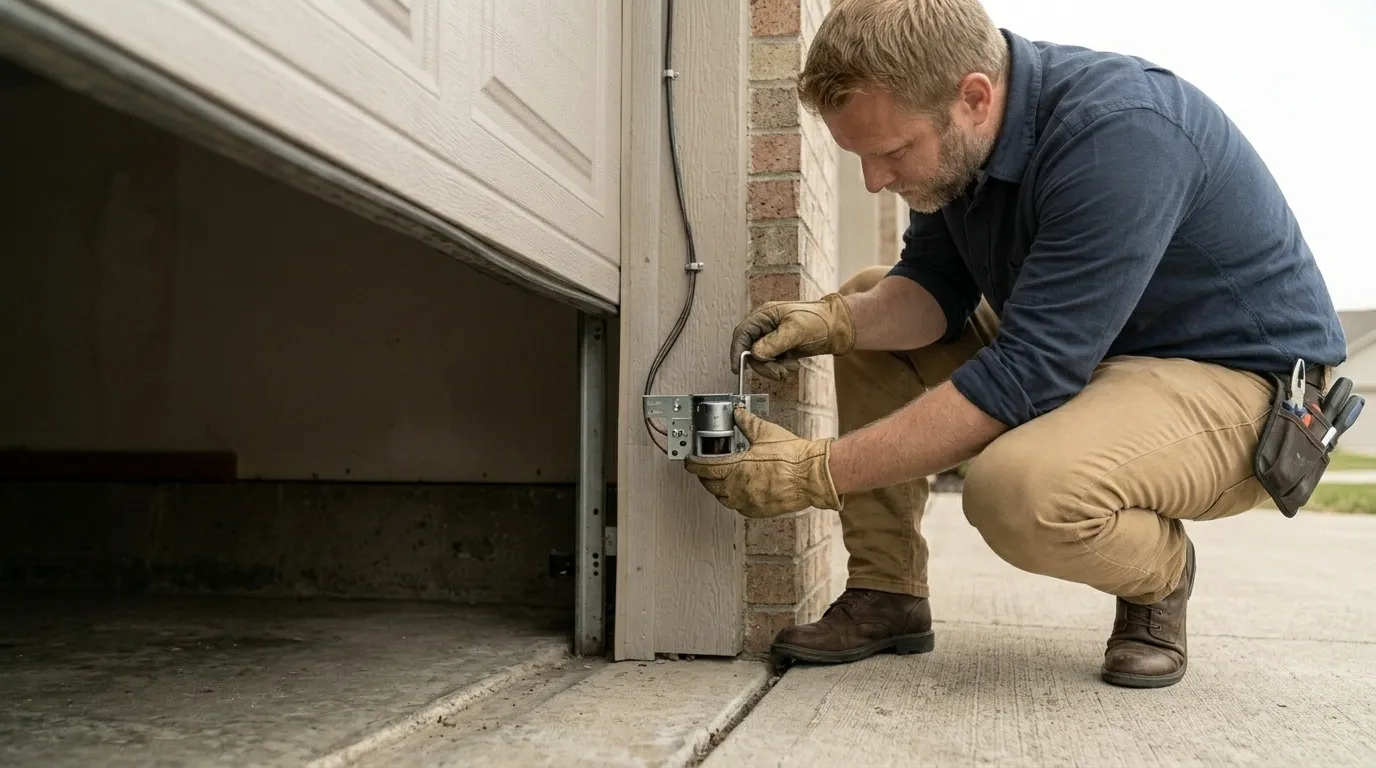
We check spring wind and cable fray first, because those are the parts that hurt someone if they let go. Then track alignment, since panel sag on a 1970s door usually shows up there before it shows anywhere else. We test the opener's force settings and the auto-reverse, check weatherstripping at the bottom panel, and look at the header and jamb for the kind of wood softening that shows up on houses built before modern pressure-treated framing was standard. None of this is guesswork. It's the same sequence every time, because the failure points on a 50-year-old door in this housing stock are predictable.
What Local Conditions Do
Fort Lauderdale sits in a mild temperate band, which sounds easy on a door until you account for what that actually means day to day: high humidity, salt in the air near the coast, and almost no hard freeze to slow corrosion down the way a cold winter would up north. Galvanized hardware here doesn't get a rest period. Springs and end bearing plates that would last a decade in a drier climate show rust bloom in half that time, especially on houses within a few miles of the barrier island.
That steady dampness also swells wood jambs and door panels slightly year-round, which is why a door that closed flush in the dry months can start dragging on one side later. We see it most on original doors from the 1960s and 70s stock that never had their track brackets re-shimmed. It's not damage in the sense of a storm hit - it's just what constant humidity does to hardware and framing over decades, and it's the reason a