Arranging a Visit
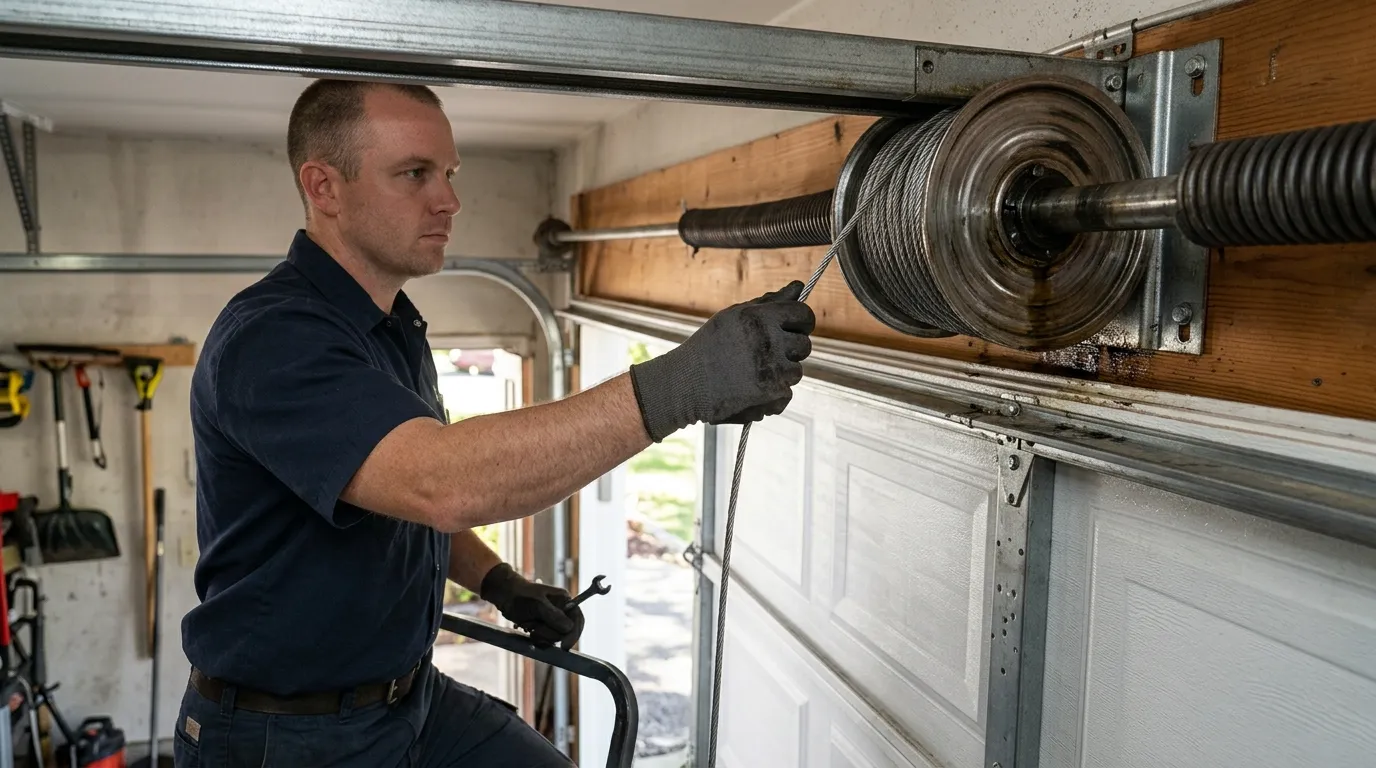
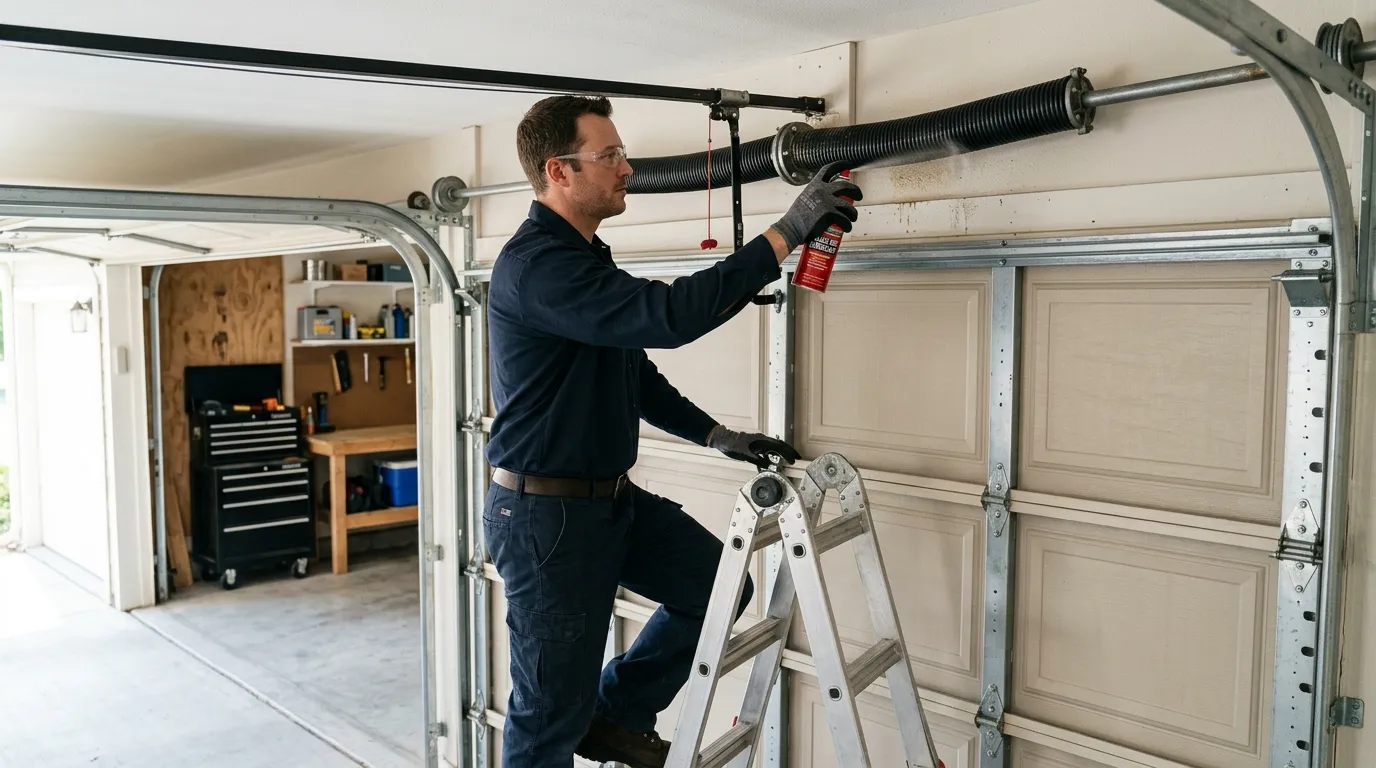
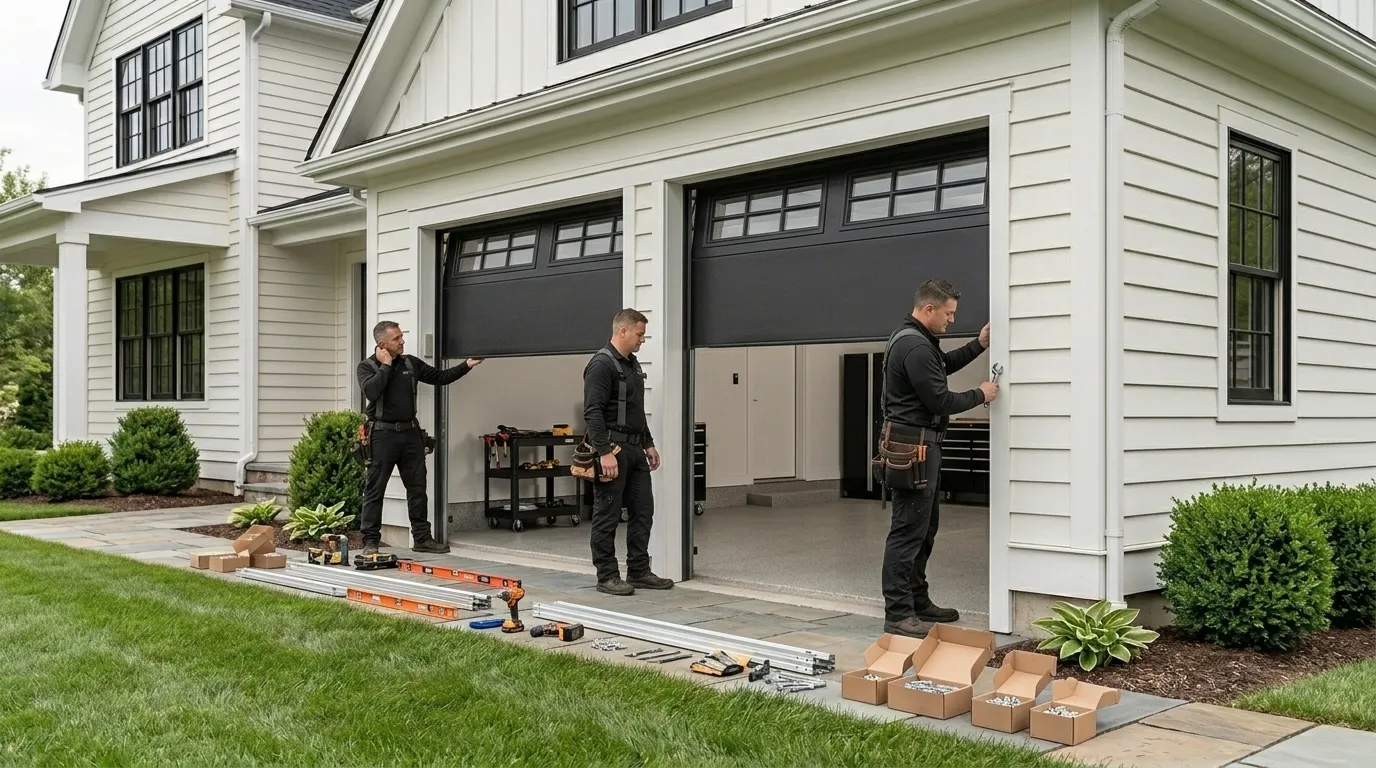
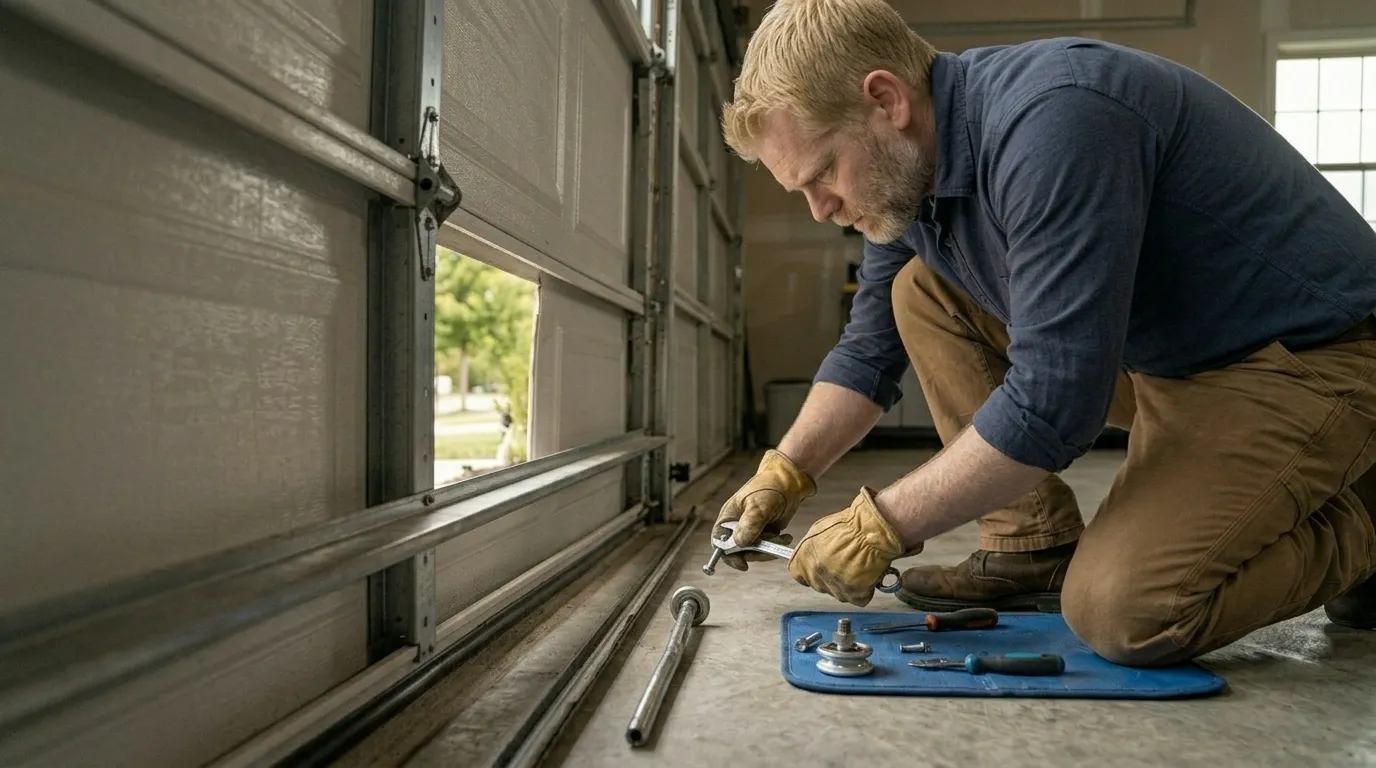
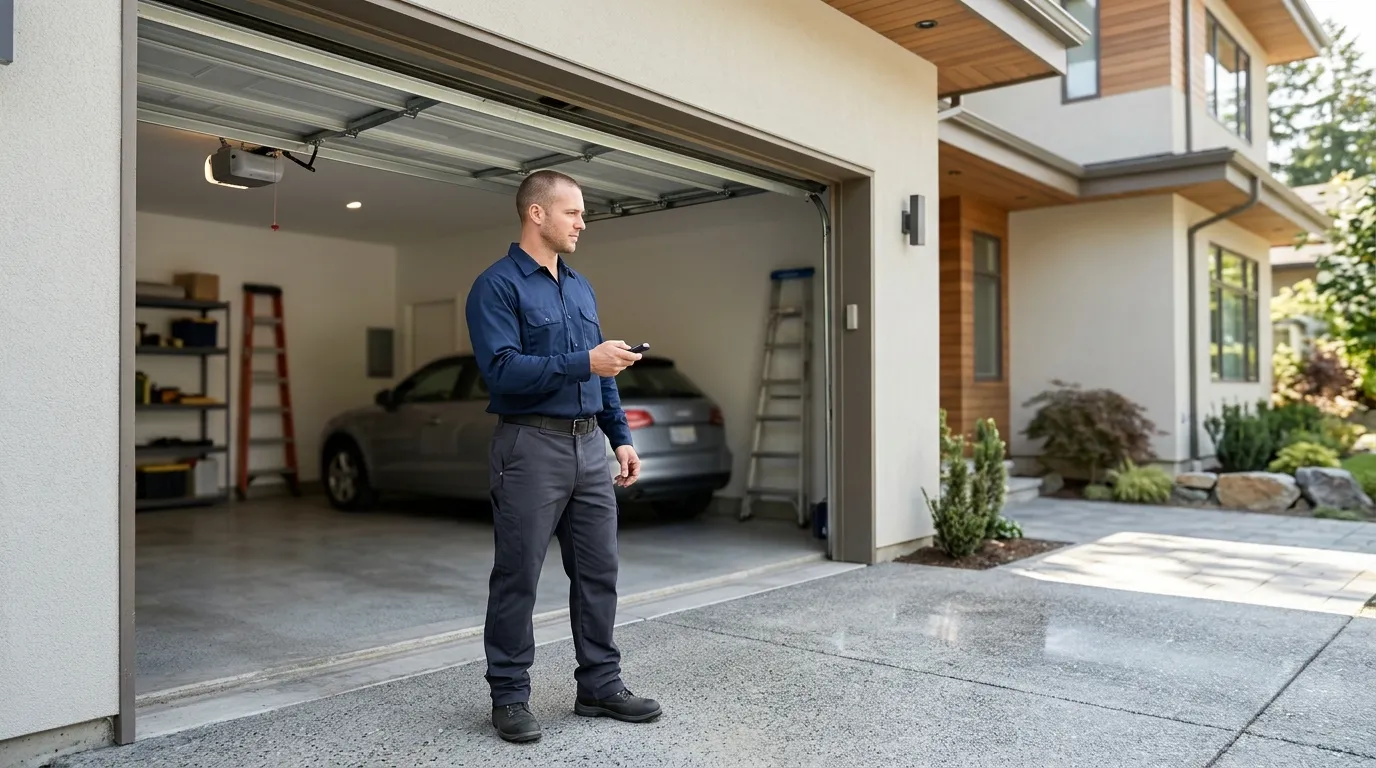
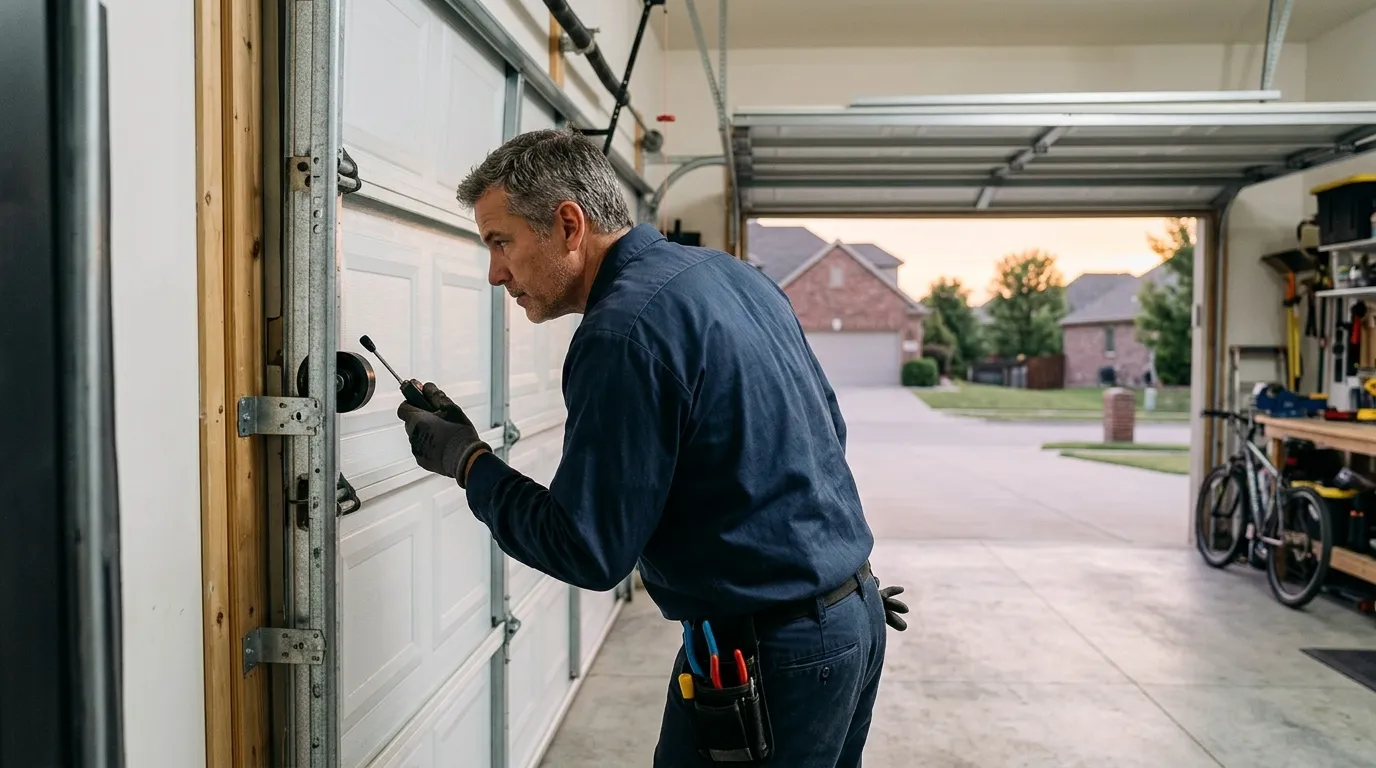
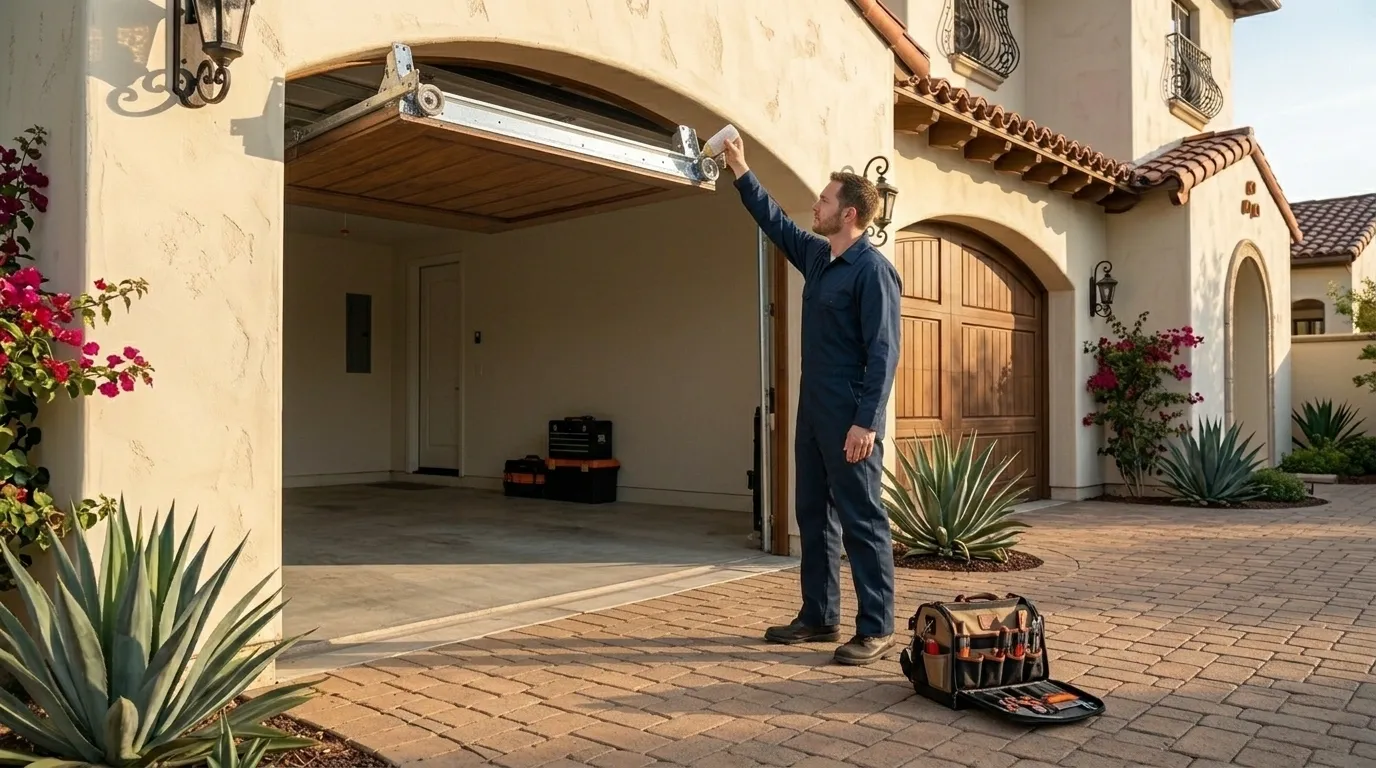
Victoria Park sits about a mile southeast of the center of our service area, close enough that a call here doesn't mean a long haul across town. We work the neighborhood for the usual jobs a garage door throws at a homeowner: a spring that let go overnight, an opener that runs but won't lift, a track that's walked out of alignment. Tell us what the door is doing - grinding, stuck halfway, opener clicking with no movement - and we can usually tell you over the phone whether it's a quick fix or a bigger job before a truck ever rolls.
One thing worth saying plainly: if a part on your door has been out of production for a couple of decades, we may need to order it rather than pull it off the truck, and that can add a day or two. We'd rather tell you that up front than promise same-day and miss it. For anything urgent - a door stuck open or a spring that's snapped with the car trapped inside - say so when you call and we'll treat it as the priority it is.
What Is on These Garages
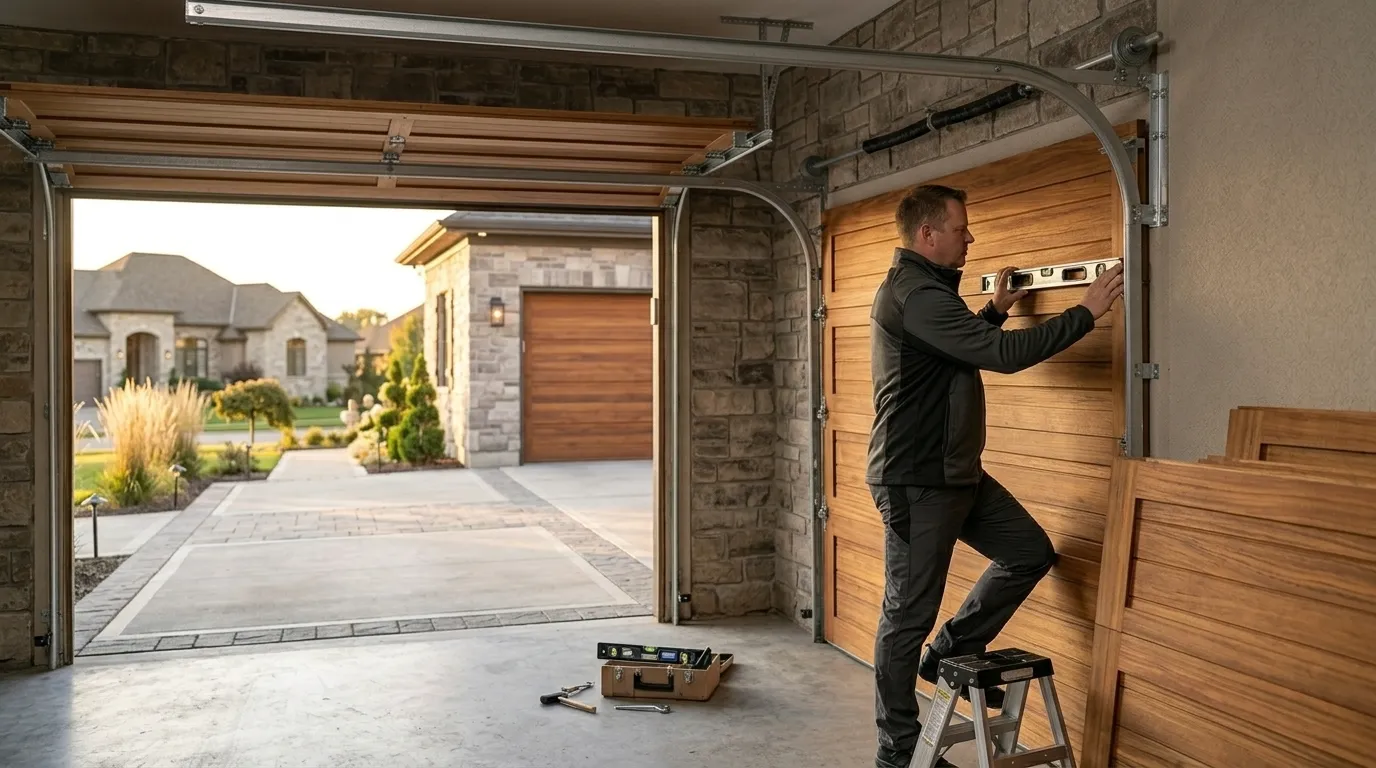
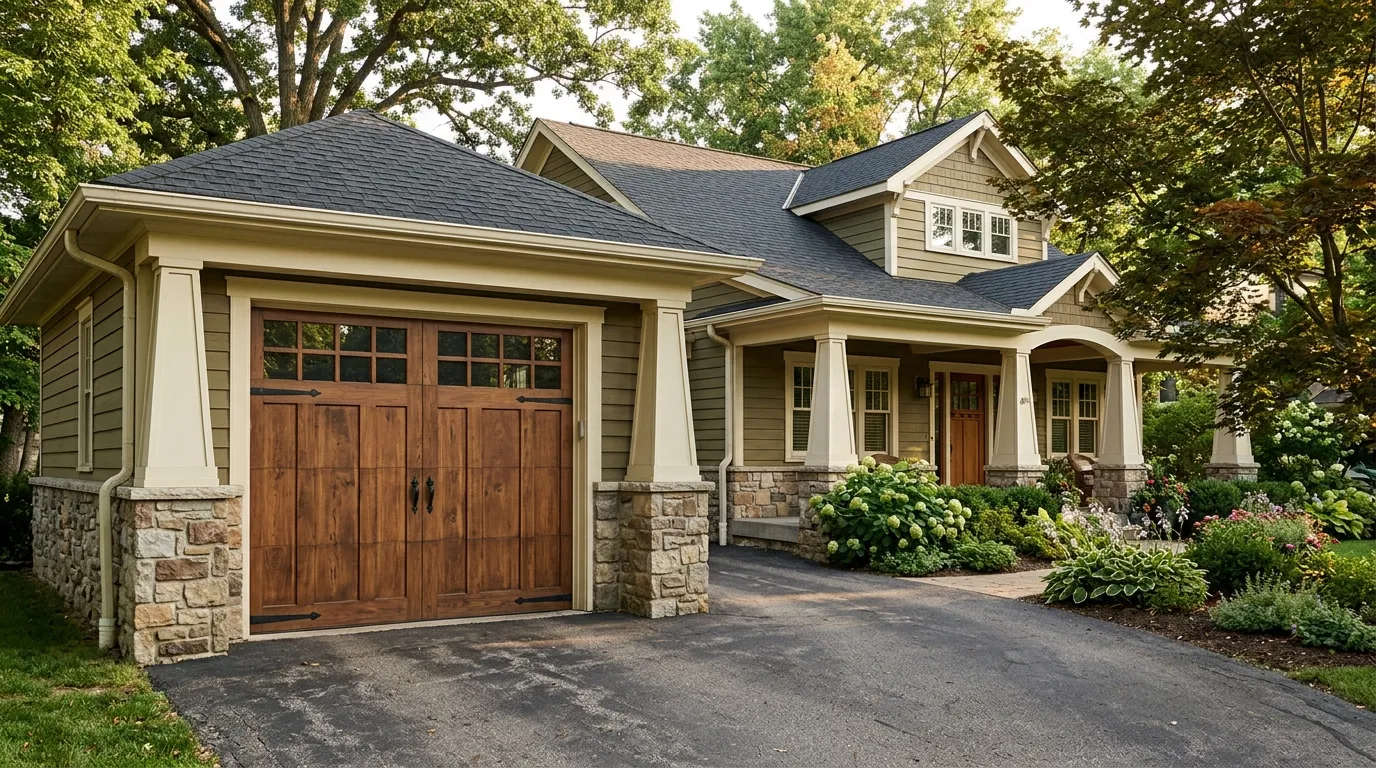
The broader area this neighborhood sits in was mostly built out between 1953 and 2005, with the bulk of the stock going up in the 1960s and 70s. That era matters for garage doors because it's when a lot of houses got single-panel or early sectional doors on torsion or extension spring setups that have since been replaced twice over in newer construction but are still hanging on in older pockets. If your house falls in that build window, don't be surprised if what's over your car isn't what a big-box store sells today - the track spacing, the spring size, even the mounting can be a step off from current stock.
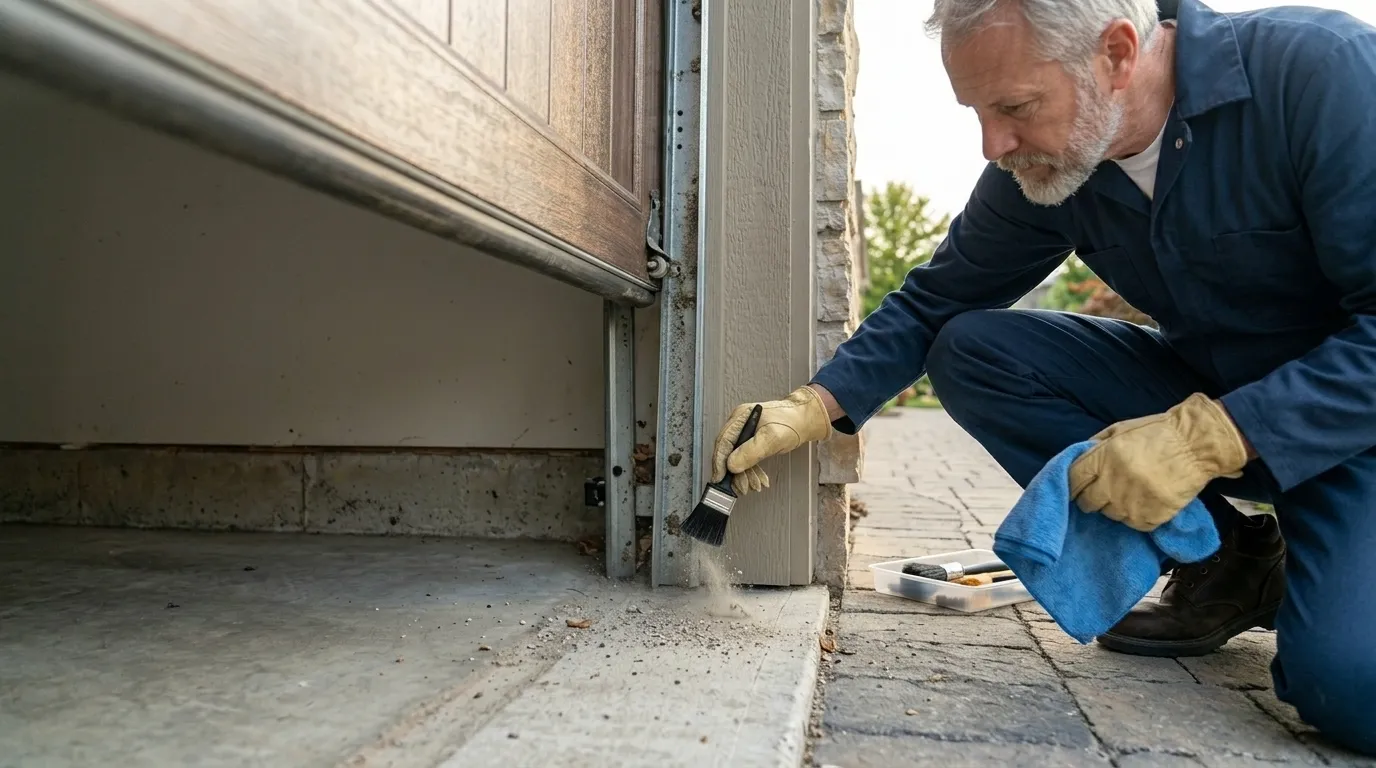
The mild coastal climate here means we're not chasing the freeze-thaw cracking or heavy snow-load failures that shorten door life up north. What we do see more of is hardware that's simply aged out - springs that have cycled tens of thousands of times, rollers gone brittle, openers with motors that finally give up after years of humid air. Replacement is often the more honest call once a door's original hardware is this far past its expected cycle count, rather than patching a system that's going to need the next part in six months anyway.