24/7 Emergency Service Open 7 days · 7am–8pm Serving Fort Lauderdale, FL & nearby
(754) 799-5233
Fort Lauderdale, FL

Weather Seals and Draughts on Fort Lauderdale Garage Doors

Why garage door seals fail faster in Fort Lauderdale's mild, humid climate and on the 1960s-70s housing stock that fills neighborhoods from Lauderdale Manors to Poinciana Park.

Weather Seals and Draughts on Fort Lauderdale Garage Doors

What to Check

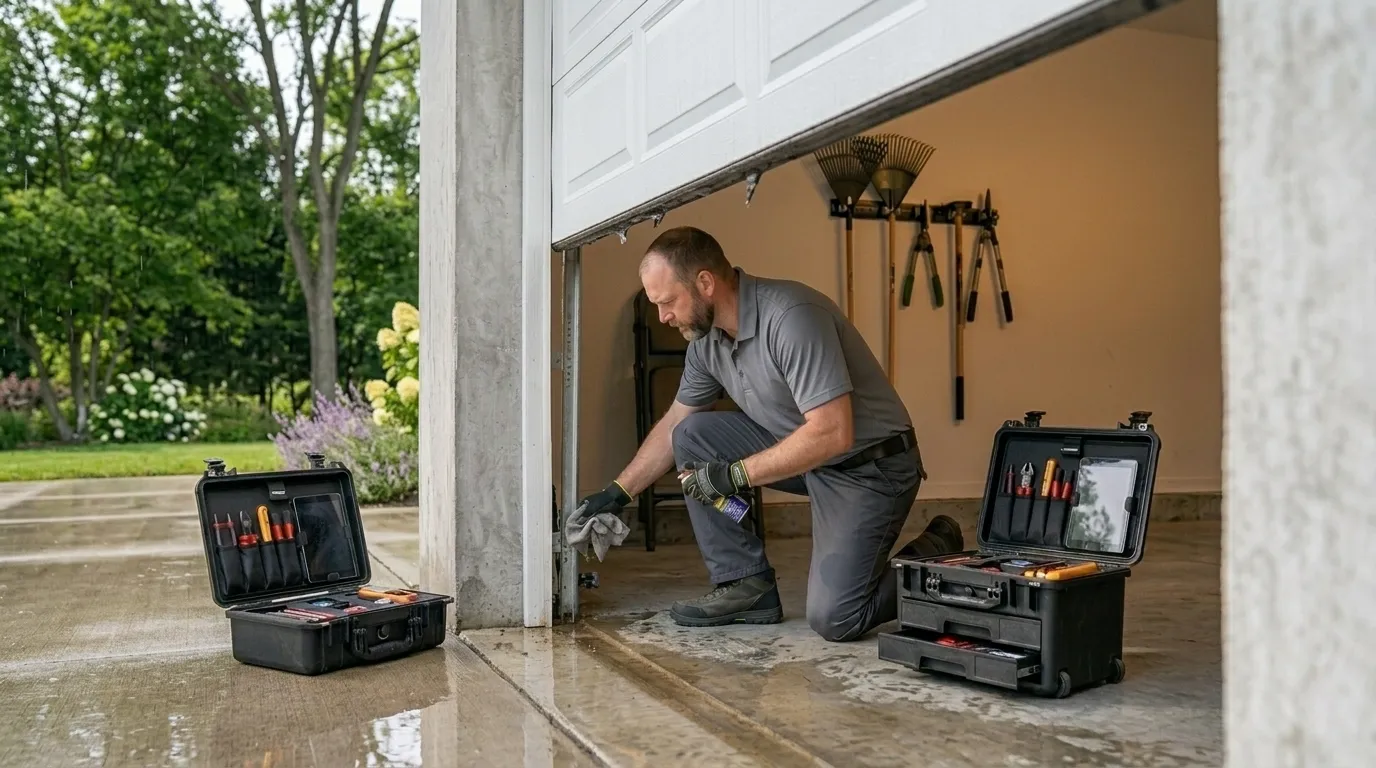
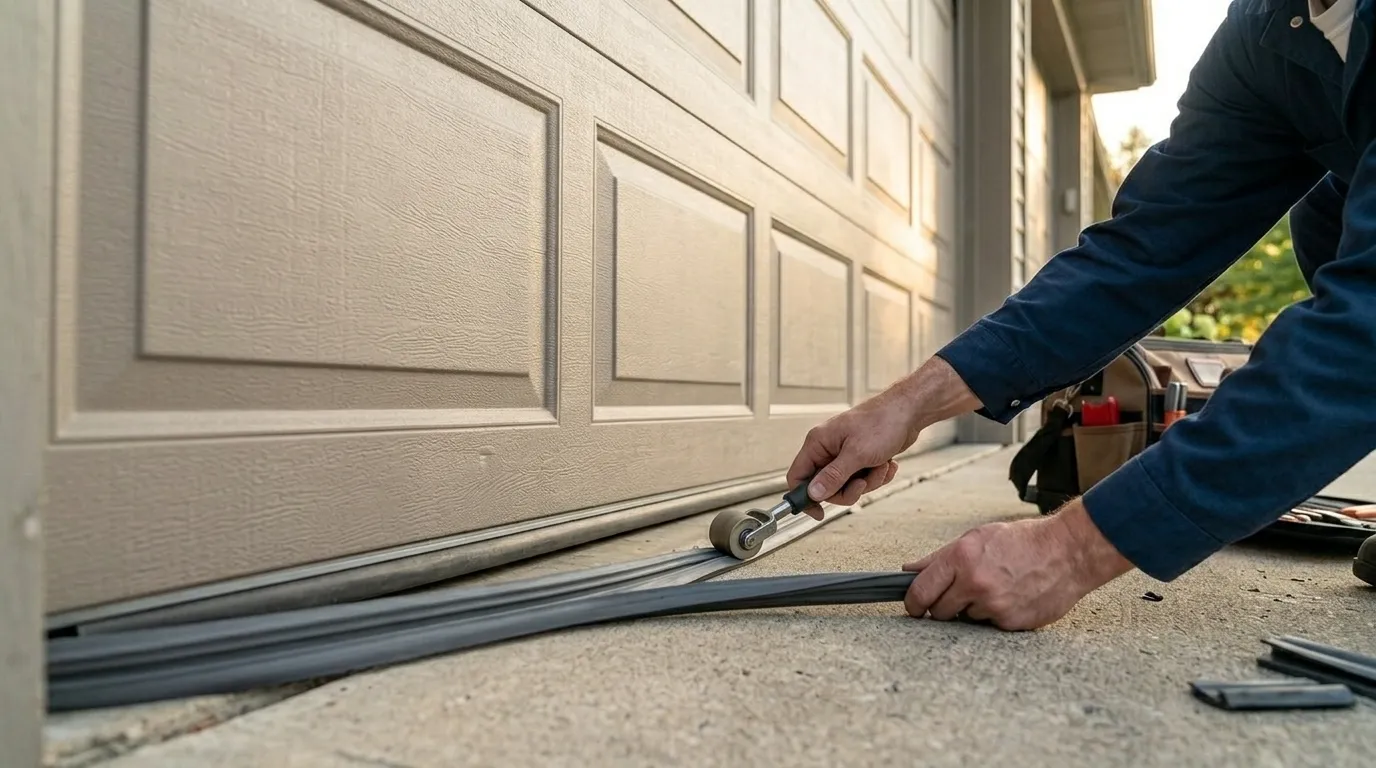
Start at the bottom seal, the rubber strip running along the base of the door. In a house built anywhere near the median year of 1975 for this area, that seal has likely been replaced a few times already, and vinyl breaks down under South Florida sun faster than most owners expect. Run your hand along it - if it's stiff, cracked, or flattened on one side, it's not sealing anymore, it's just decoration.

Next check the side and top seals where the panel meets the frame. On the older one and two-car doors common through this area's 1960s-70s stock, these are often the original thin foam strip, not the thicker bulb seal used on newer installs. Daylight visible around the edges means wind-driven rain during a storm is getting past it too.

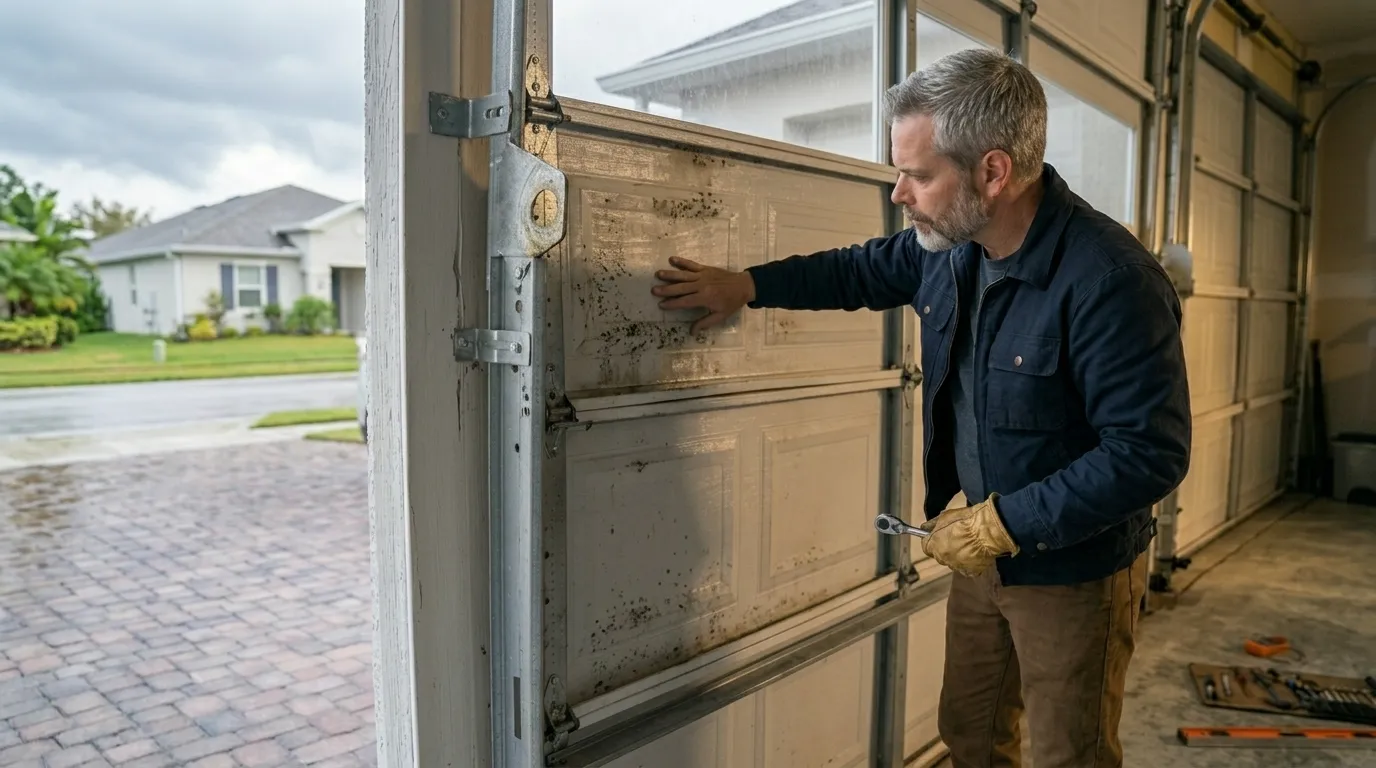
Last, check the bottom corners of the slab itself for rust or soft wood if you've got an older wood-composite panel from that same construction era. Standing water from a poor seal finds those corners first. None of this takes tools - a flashlight and five minutes will tell you most of what you need to know before you call anyone.

What Local Conditions Do

Fort Lauderdale sits in a mild temperate band, which sounds gentler than it is for a garage door. There's no freeze-thaw cycle cracking seals the way it does up north, but the seals here take a different kind of beating: constant UV exposure, high humidity, and driving rain off the coast. Vinyl and foam seals harden and shrink under year-round sun rather than snapping from cold, and once they shrink even a little, wind-driven moisture works its way in during any real storm.

Houses in this service area were mostly built between 1953 and 2005, with the bulk from the 1960s and 70s across the 32 named areas nearby - from Wilton Manors and Victoria Park a mile out to North Fort Lauderdale and Harbordale a few miles further. Garages from that build era weren't designed with today's sealing standards in mind, so a lot of them are still running gaps that were acceptable fifty years ago but aren't holding up to current humidity levels. The result is draughts you can feel on a windy evening and water lines on the garage floor after heavier rain, even when the door itself still opens and closes fine.

When to Call Someone

If the seal is just hardened or shrunk, that's a part swap, not a big job - most owners can get a replacement bottom seal installed without calling anyone, and it's worth trying before you spend money on a service call. Call someone when the draught is coming from the frame itself and not the seal, because that usually means the door has racked slightly out of square over the decades, which is common on the original steel frames still in place on a lot of the area's 1960s and 70s builds.

Also call if you're seeing water intrusion at the corners along with rust on the track or hinges. That combination usually means the seal failed a while ago and moisture has been getting in through multiple storms, not just the last one. A new seal on a door that's already rusting at the hardware level won't fix the underlying problem - you're better off having someone look at the whole assembly before you spend on parts that won't hold.

The Problem

Here's the part that catches people off guard: a garage door that looks fine and opens smoothly can still be leaking air and water constantly. Seals fail quietly. There's no grinding noise, no stuck track - just a slow rise in your garage's humidity and a draught you eventually notice on a windy day. In a climate that stays mild and humid nearly year-round rather than swinging into a dry cold season, that moisture doesn't get a chance to fully dry out between storms, which is part of why we see seal and hardware wear show up earlier here than it would in a drier or colder region.

One honest limitation: we can't restore a seal that's already let years of water sit against the bottom panel and rust the steel underneath. At that point you're looking at panel or door replacement, not a seal fix, and no amount of new weatherstripping changes that math. Catching it while it's still just a stiff seal is the difference between a small job and a full door.

How it works

From “it’s stuck” to “it’s fixed”

  1. 1
    Tell us what’s wrong - Fort Lauderdale garage door service

    Tell us what’s wrong

    Describe the symptom - won’t open, loud bang, opener runs but the door won’t move.

  2. 2
    On-site diagnosis - Fort Lauderdale garage door service

    On-site diagnosis

    A technician tests the door under power and by hand and finds what actually failed.

  3. 3
    Clear, up-front plan - Fort Lauderdale garage door service

    Clear, up-front plan

    You get the fix that’s needed and what drives the cost - before any work starts.

  4. 4
    Repaired & tested - Fort Lauderdale garage door service

    Repaired & tested

    The repair is done, the door is set true and tested, and the work area left clean.

Serving Fort Lauderdale, FL - tell us what your door’s doing and we’ll take it from there.

How we work

What to expect

Diagnosis first

Every visit starts by finding what actually failed - not a pre-written parts list.

The right part for the door

Springs and openers matched to the door’s weight and age, so the fix holds up.

Straight answers

When a repair makes more sense than a replacement - or the reverse - you hear it plainly.

Clean, careful work

Tension released safely, hardware set true, the door tested under power before we leave.

Questions

Frequently asked

Straight answers about garage door repair in Fort Lauderdale. Still unsure? Ask us directly.

Why do my garage door seals wear out faster here than they seemed to for family up north?

Up north, seals mostly fail from cold and freeze-thaw cracking. Here, the mild temperate climate means seals face constant UV and humidity instead, which hardens and shrinks vinyl and foam year-round rather than in one hard winter. It's steady wear, not sudden, so it's easy to miss until a storm shows you the gap.

My house was built in the 1960s - is that why I'm getting draughts?

Likely part of it. Most homes in this service area went up between 1953 and 2005, with the bulk from the 1960s and 70s, and garage sealing standards from that era were thinner than what's used now. The original frame and seal setup on those doors just wasn't built for the humidity levels we deal with today.

Can I just replace the bottom seal myself?

Yes, if the frame is still square and the issue is only the seal being stiff or shrunk. It's a straightforward swap. If you're also seeing rust on the track or hardware, that points to a bigger issue than the seal alone, and it's worth having someone check the whole door before you spend on a part that won't solve it.

Ready to get your garage door sorted?

Tell us what it’s doing and where you are in Fort Lauderdale - we’ll take it from there.

Request a QuoteCall