What to Check
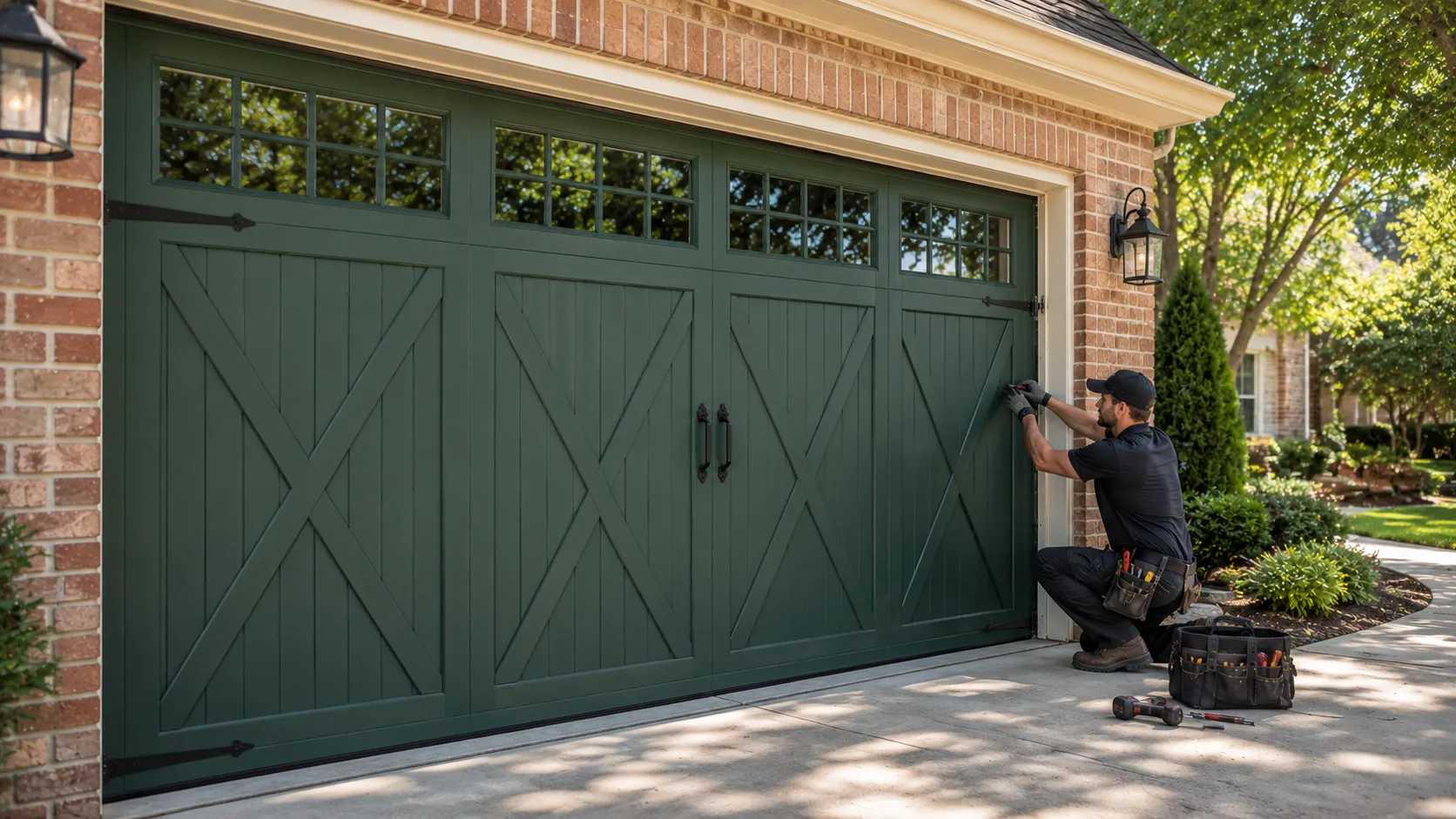
Start with the age of the house, not the door. Housing across this service area went up mostly between 1953 and 2005, with the median landing around 1975, and the 32 named areas we work in - Lauderdale Manors, Victoria Park, Poinciana Park, and the rest - skew heavily 1960s and 70s. That matters because a door built for a 1975 opening often runs on hardware nobody stocks anymore: narrow track, undersized rollers, a spring system sized for a lighter panel than what's sold today.
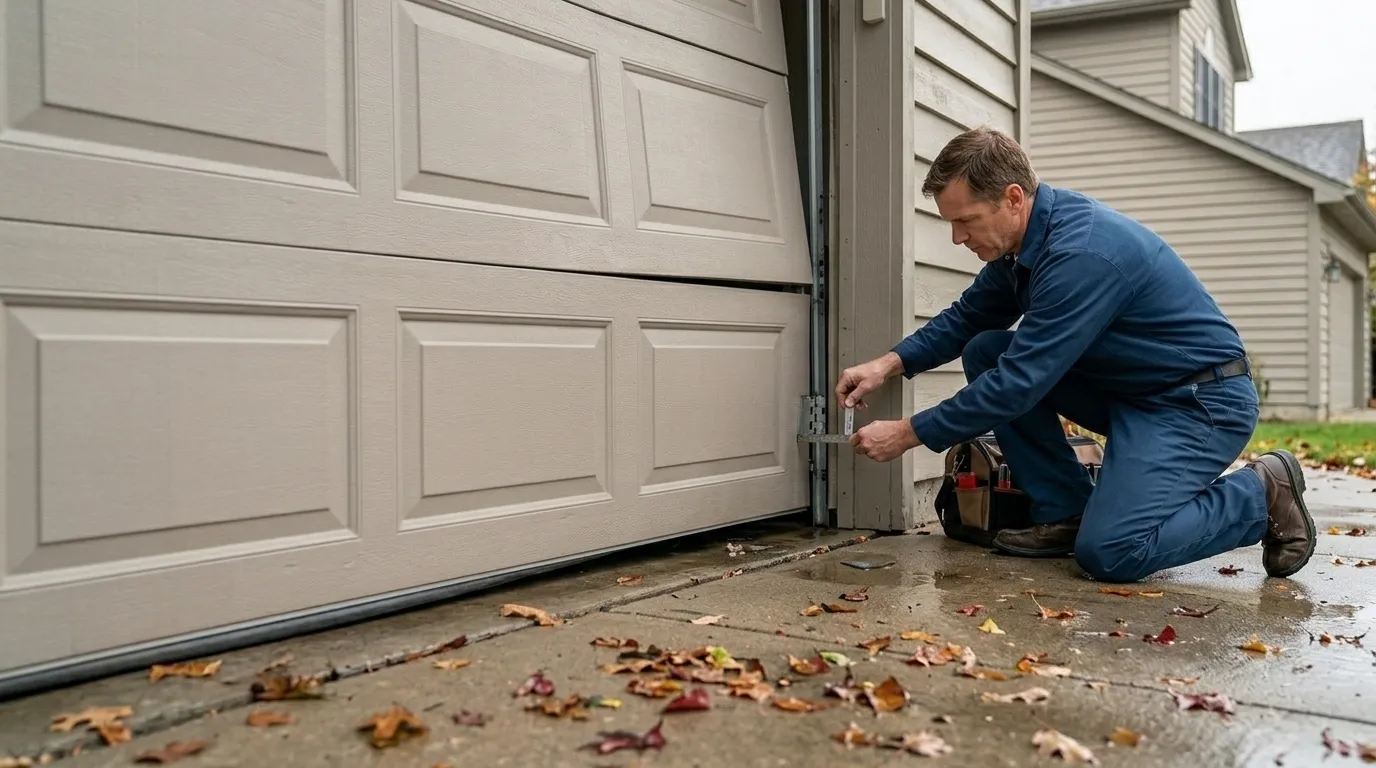
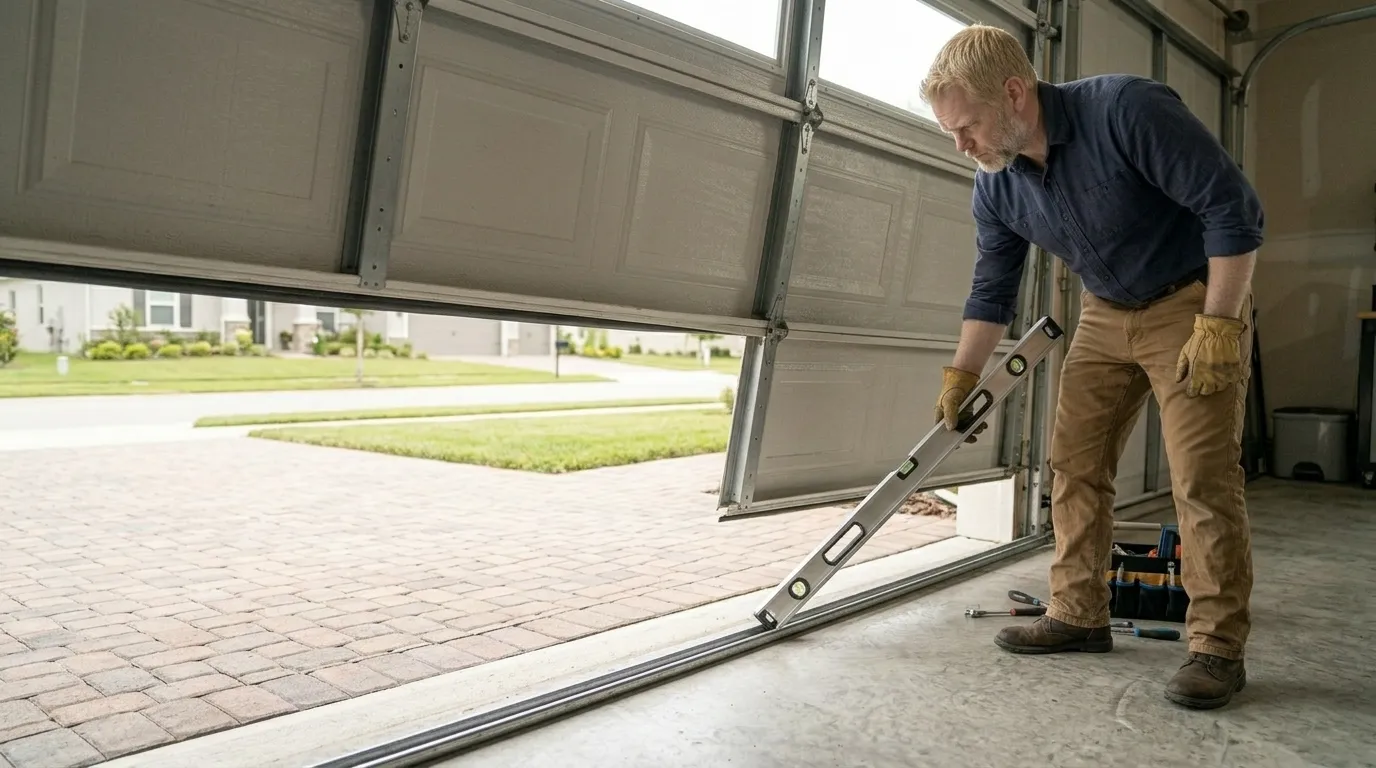
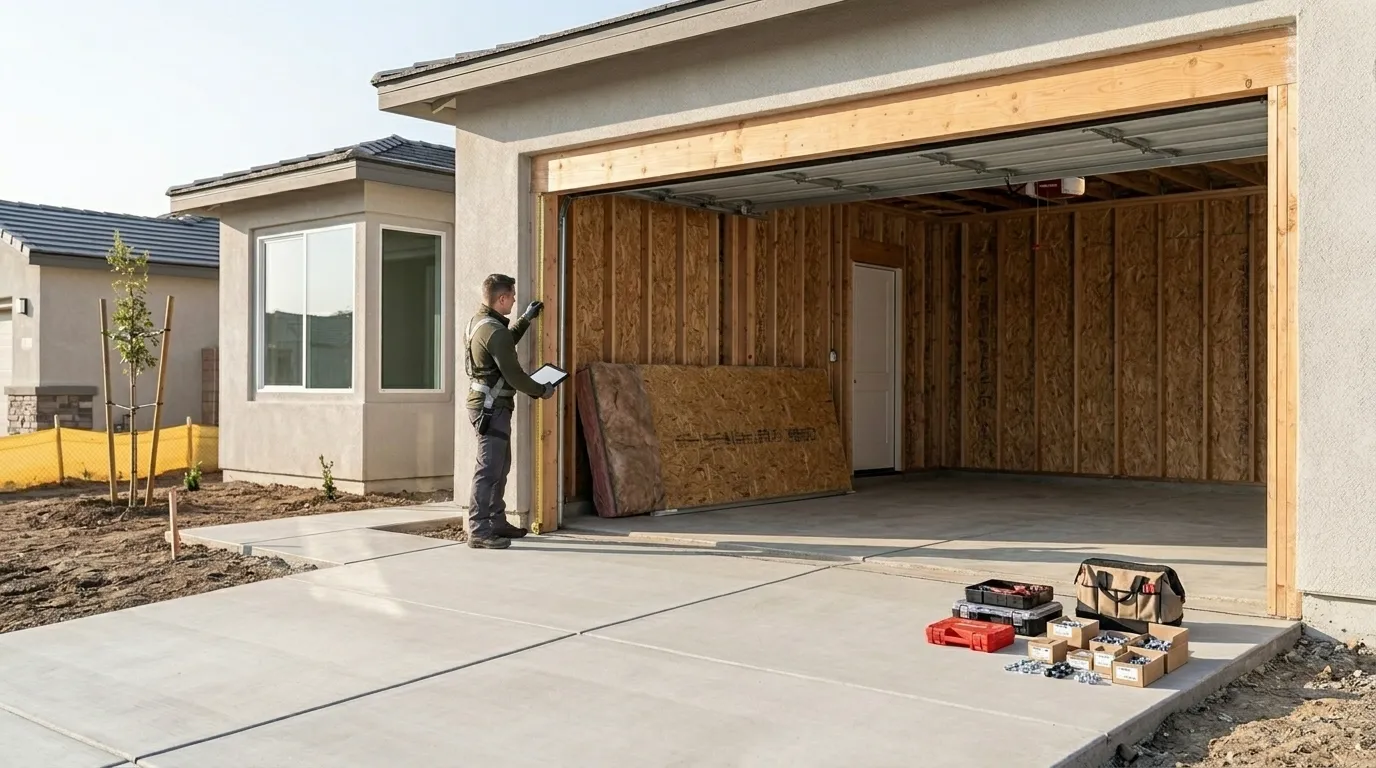
Check the track width and the headroom above the opening before you shop. A lot of these older garages were framed tight, and a modern insulated door can be thicker than what's coming out. Check the slab too - houses from this era sometimes have a step or slope at the threshold that a new door's bottom seal has to account for.
Look at the opener separately from the door. If the house still has its original opener, chances are the door and opener were matched decades ago and won't talk to each other correctly once one gets swapped. Budget for both, even if you only planned on the door.
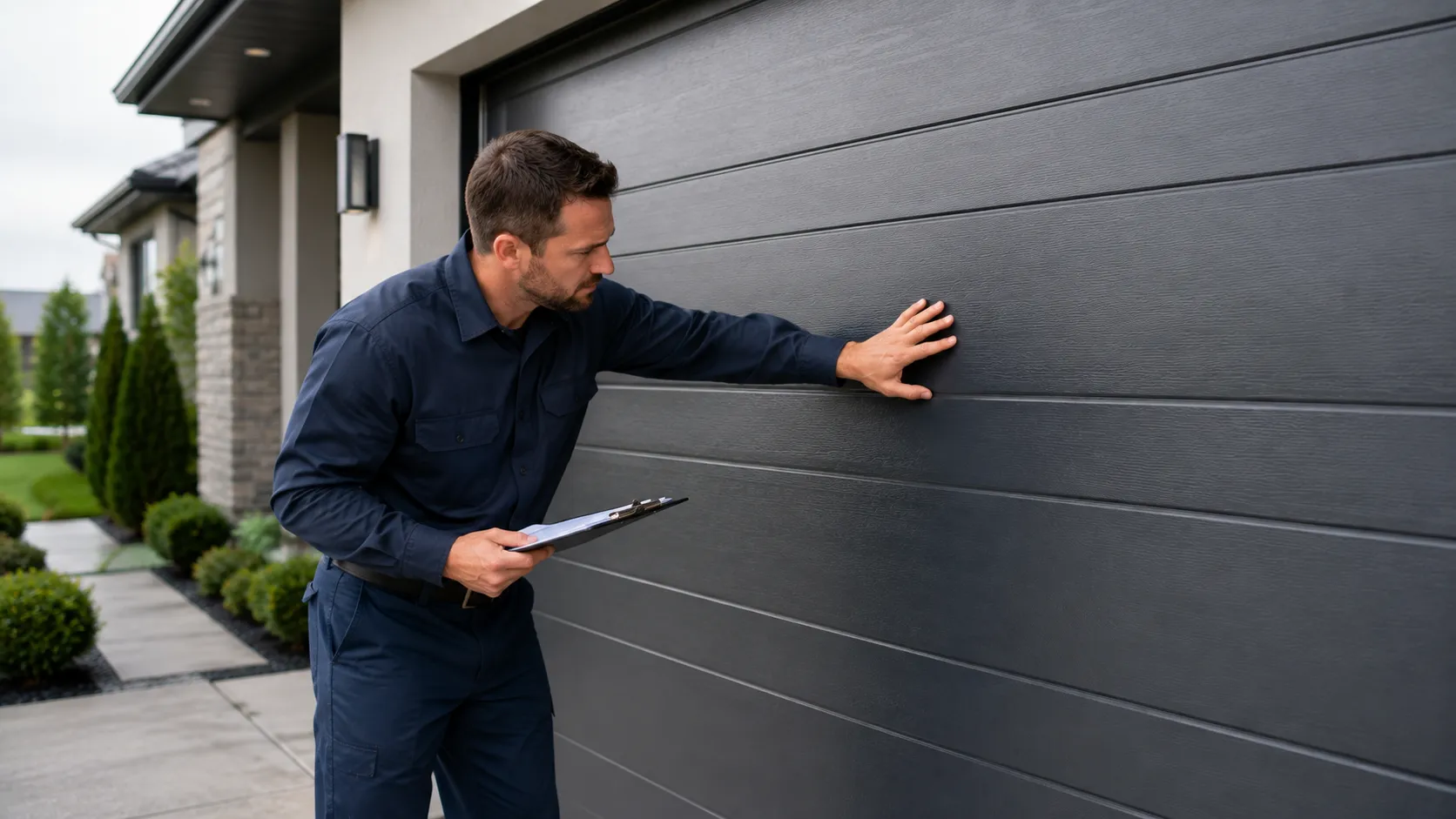
We don't do a full structural inspection as part of a quote - if the header or jamb looks compromised, that's a call to a contractor first, not us.
What Local Conditions Do
Fort Lauderdale sits in a mild temperate band - no hard freezes, no frost heave, none of the cracking you'd get from a door expanding and contracting through a real winter. That's the good news, and it means you're not choosing a door to survive ice.
The trade-off is steady sun and moisture instead. A handful of the areas we cover sit close to open water - Lauderdale-by-the-Sea is about four miles out, and the barrier island itself is closer still - and doors in that stretch see galvanized hardware pit and fasteners corrode faster than the same parts would last a few miles inland. UV breaks down weatherstripping and rubber seals year-round here, not seasonally, so a bottom seal that would last a decade up north might need replacing every few years on a south-facing garage in this climate.
Wood veneer doors, common on some of the older houses in this area, take the brunt of it - panels swell and delaminate faster in steady humidity than they would in a drier or colder market. If you're replacing a wood door, steel or a composite that doesn't absorb moisture is worth pricing out even if it costs more up front.
The Problem
The core issue in a lot of these older Fort Lauderdale-area homes is that the door was never meant to last this long, and nobody's budget assumed it would. With median household income across the service area at $62,201, a full replacement is a real expense, not an impulse buy - most homeowners here are weighing whether to fix what's there one more time or commit to swapping it out.
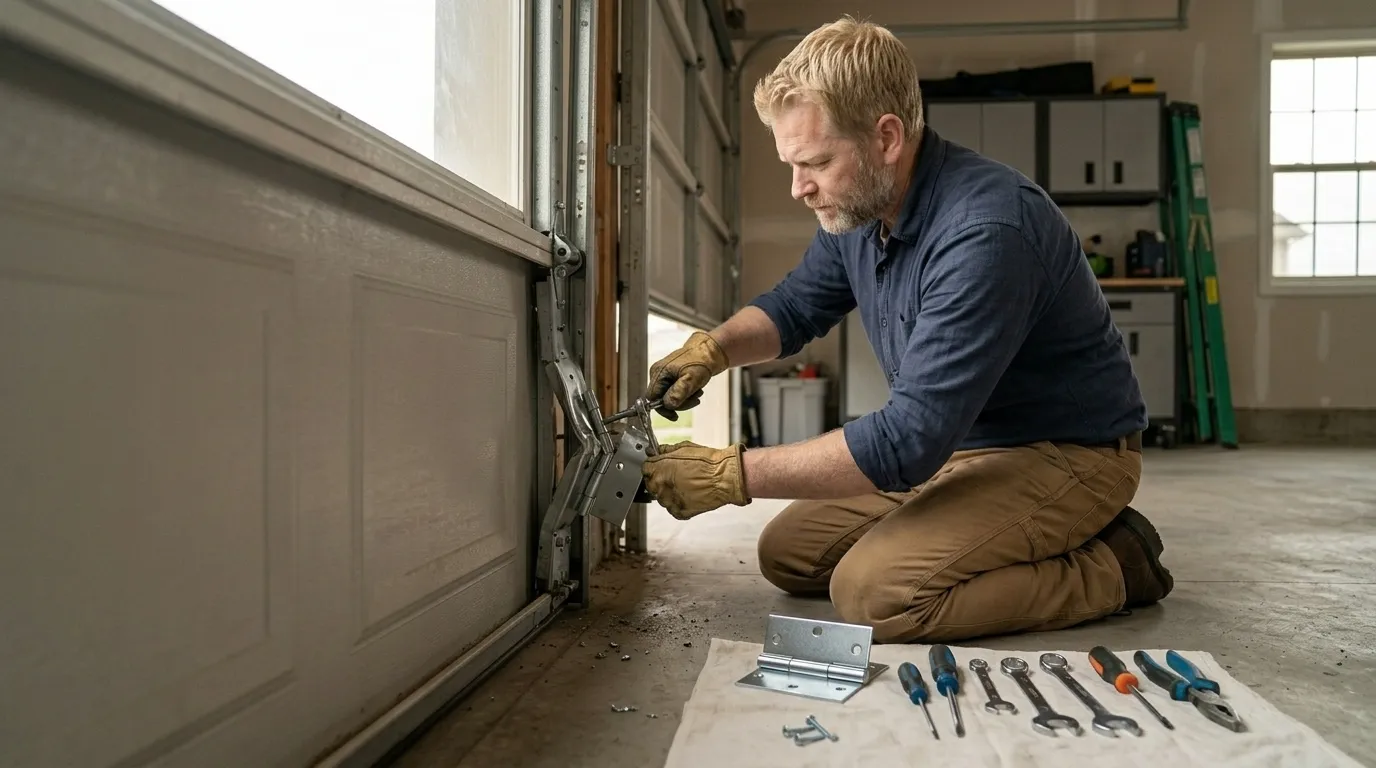
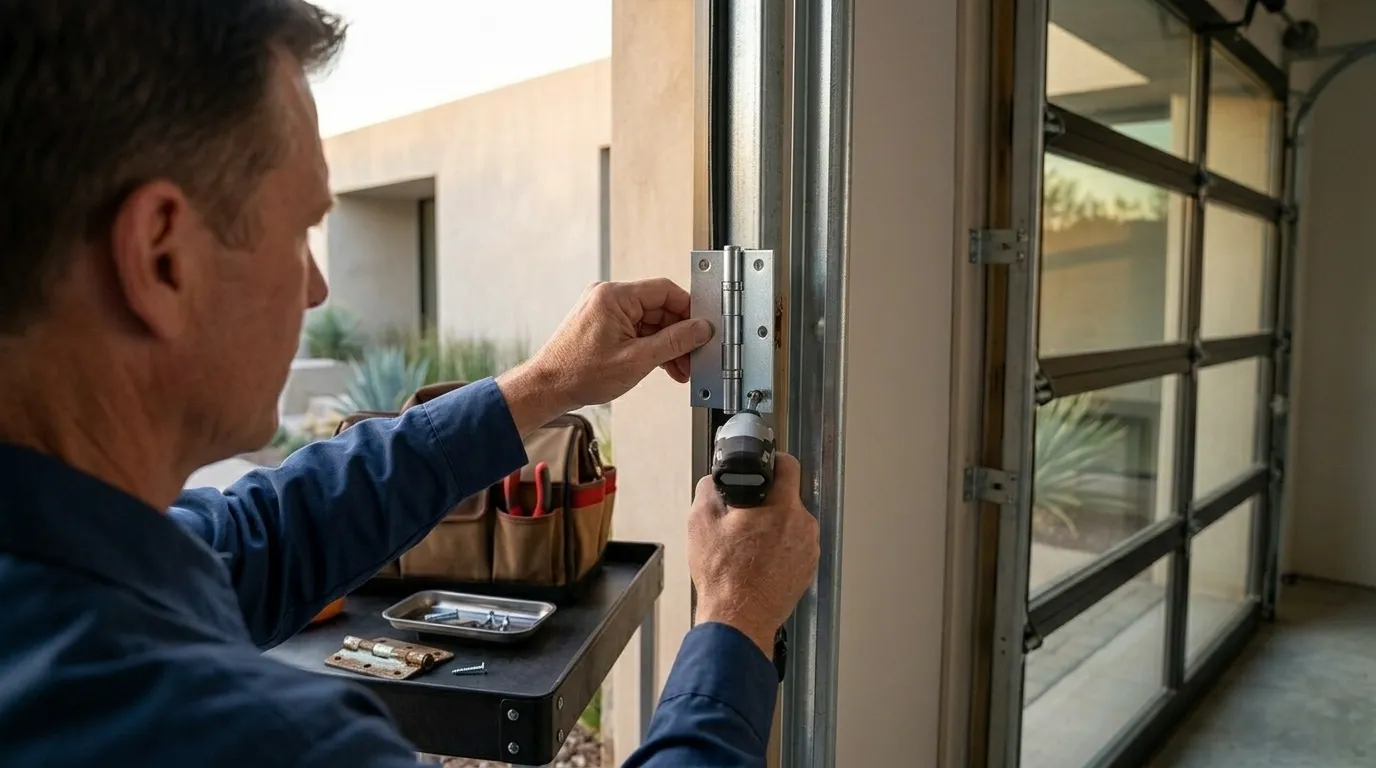
The honest answer depends on what's actually failing. A cracked panel on a door that's otherwise structurally sound can sometimes be patched or panel-swapped rather than replaced whole, which keeps the cost down. But once the spring system, track, and opener are all original to a house built decades ago, patching one piece just means the next piece fails in six months. At that point you're not saving money by delaying, you're paying for the same labor twice.
We don't carry every door style in stock for same-day install - lead times on certain finishes can run longer than homeowners expect, so if you're on a timeline, ask about what's actually on the truck before you fall in love with a specific look.