24/7 Emergency Service Open 7 days · 7am–8pm Serving Fort Lauderdale, FL & nearby
(754) 799-5233
Fort Lauderdale, FL

Why a Rare Cold Snap Still Breaks Old Springs Here

Fort Lauderdale rarely sees hard freezes, but a cold snap can still snap an aging torsion spring in the 1960s-70s housing stock that fills this service area.

Why a Rare Cold Snap Still Breaks Old Springs Here

What to Check

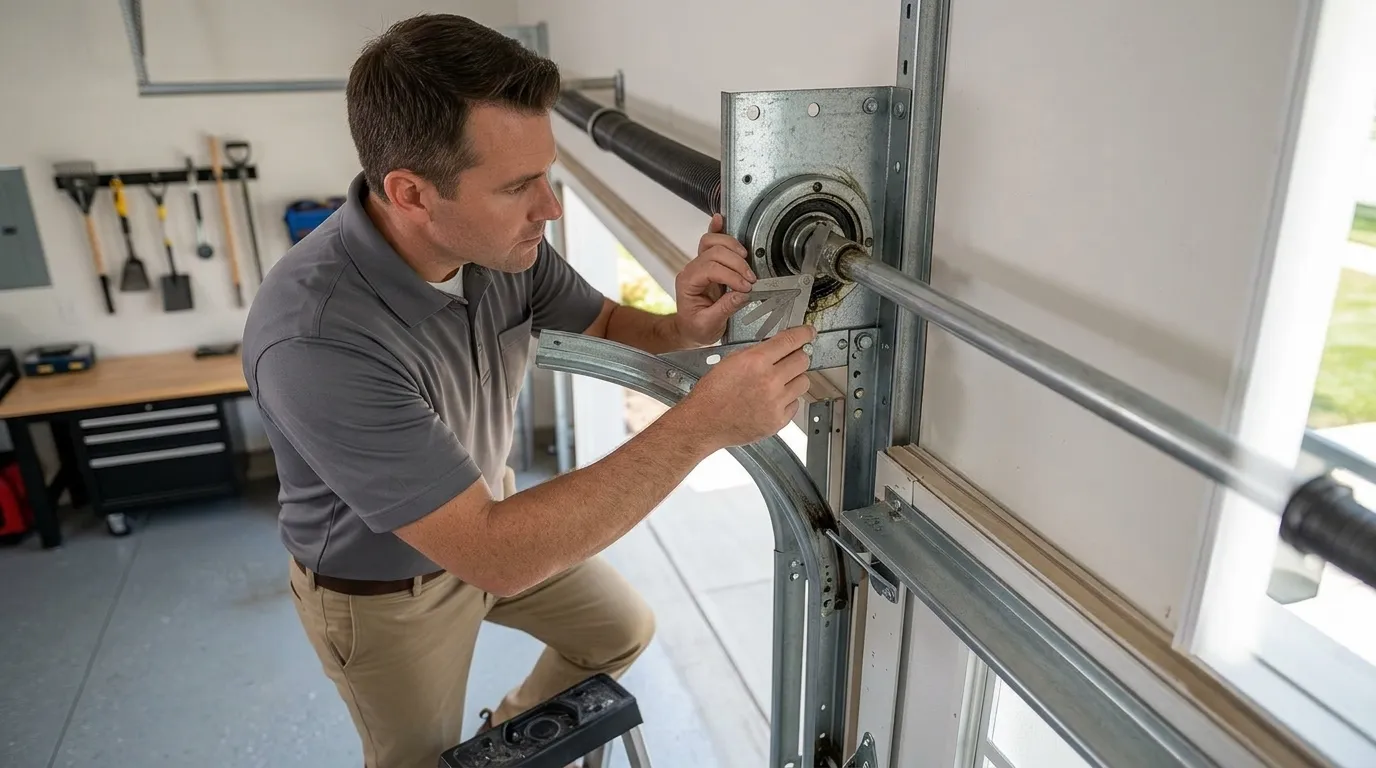
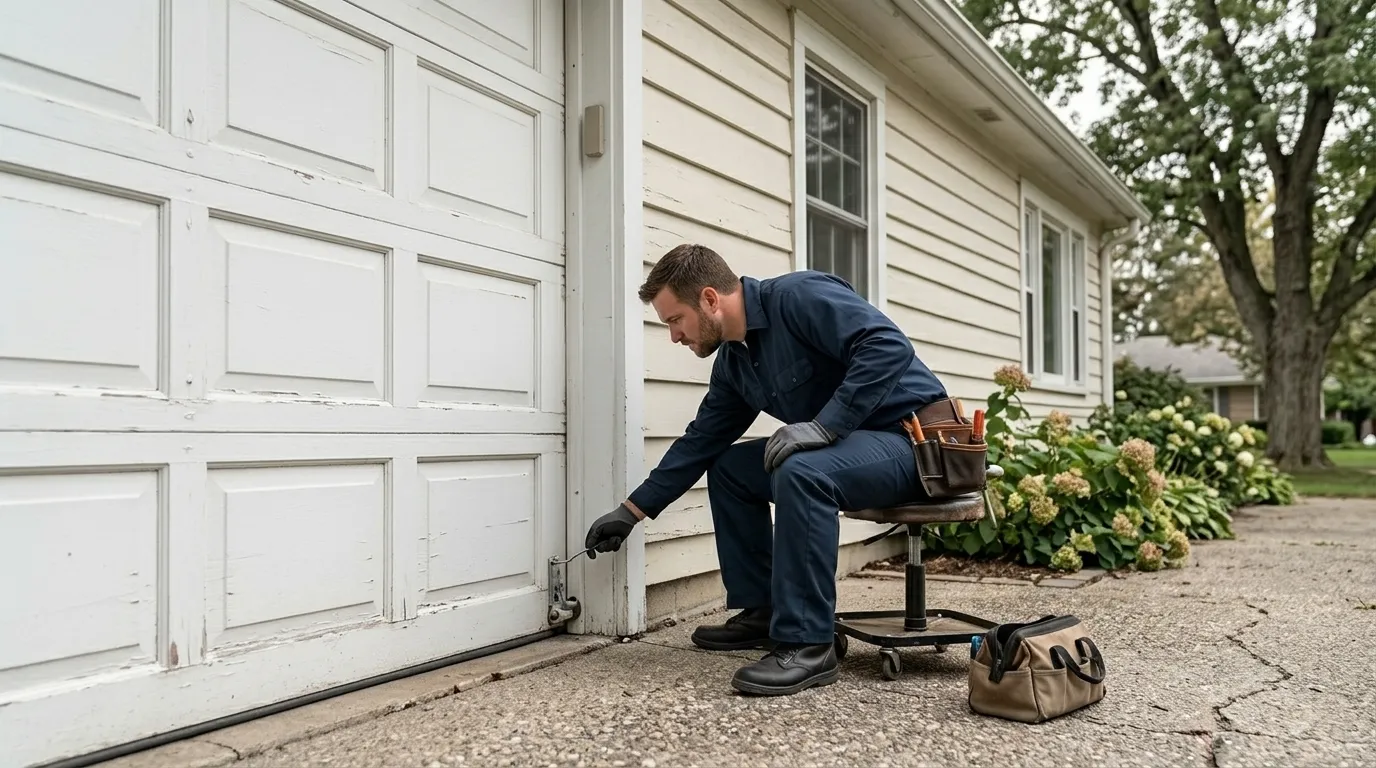
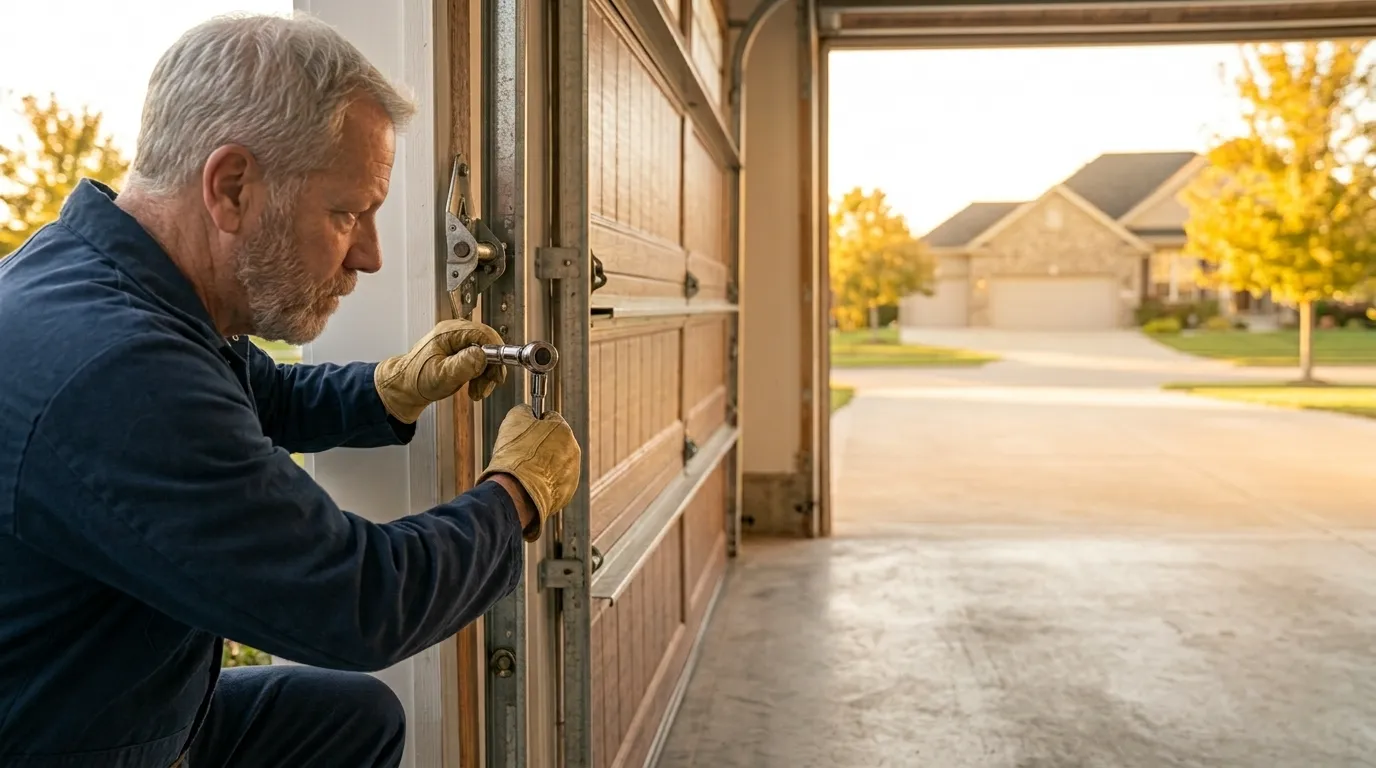
Start at the spring itself, the coiled bar mounted above the door, usually center-mounted on a torsion setup. Look for a visible gap in the coil - that's a break, not a stretch. If the door won't budge, or budges an inch and stops, don't force the opener; you'll strip a gear or worse.

Next check the age tell: rust bloom on the coils, flaking paint, or a spring that looks dull gray instead of the factory finish. Given that most houses in this service area went up between 1953 and 2005, with a lot of that stock dating from the 1960s and 70s, it's common to find a spring that's outlasted its rated cycle count simply because nobody's touched it.

Look at the cable drums on either end too. A spring failure under tension sometimes takes a cable with it, and a frayed or slack cable is a second job hiding behind the first one. If you see a cable off its drum, stop - that's a hazard, not a maintenance item.

Finally, note the temperature that morning. A spring that's been marginal for years sometimes waits for the one cold morning a season to finally let go, and that detail helps whoever comes out figure out if this is bad luck or overdue wear.

What Local Conditions Do

Fort Lauderdale sits in a mild temperate band, so we don't get the deep, sustained freezes that crack steel through repeated contraction the way a northern winter does. That's the good news. The less obvious news is that a mild climate means most owners here have never had a reason to think about cold and garage doors together, so nobody's watching for it.

What actually happens is smaller: on the handful of mornings a year that dip into the 40s, steel contracts slightly and loses a little flexibility. A spring in good shape shrugs that off. A spring that's already fatigued from age and thousands of open-close cycles has less margin to give, and that's the morning it finally breaks instead of just squeaking.

So the cold isn't the cause here - it's the trigger on a spring that was already close to done. That distinction matters because it means the real driver in this service area is the age of the hardware, not the weather event itself. A door that's been quiet through every cold morning for fifteen years and then locks up on the sixteenth isn't unlucky. It's due.

When to Call Someone

Call when the door won't move under the opener, when you hear a loud bang from the garage that wasn't there before, or when a spring is visibly separated. None of those are DIY jobs - torsion springs are under enough tension to cause a serious injury, and that doesn't change because the weather's mild.

Worth noting: at the median household income for this area, $62,201, a lot of owners understandably try to nurse a stiff or aging spring through instead of swapping it ahead of time. That's a reasonable call to make with full information, but a spring that's already showing rust or has an unknown install date is a different bet than one you know is three years old.

If the door is from the older end of the local housing stock - 1970s build, original hardware - and it's stiff on a cold morning but hasn't broken yet, that's worth a call before it does break, not after. A same-day break on a Saturday morning is a worse problem than a scheduled swap on a Tuesday.

The Problem

The core issue isn't Fort Lauderdale weather - it's Fort Lauderdale age. With housing built between 1953 and 2005 and a median build year around 1975, a large share of the doors in this service area are running springs that are original or one replacement removed from original. That's true from here out to Wilton Manors a mile north and Victoria Park just southeast, both sitting on that same 1960s-70s stock, and it's true further out too.

Across the service area's 107,368 owner-occupied houses, a spring old enough to be a liability isn't the exception, it's close to the norm. A mild climate means that liability sits quiet for years instead of getting flushed out early by hard winters, so it fails on its own schedule - often, it turns out, on the one cold morning a year when the steel has the least give left in it.

One limitation worth saying plainly: we can't tell you how old your spring is without looking at it, and a spring with no install date on the sticker is a guess either way. Replacement beats repair once a spring has already broken - you don't patch a torsion spring, you replace it.
How it works

From “it’s stuck” to “it’s fixed”

  1. 1
    Tell us what’s wrong - Fort Lauderdale garage door service

    Tell us what’s wrong

    Describe the symptom - won’t open, loud bang, opener runs but the door won’t move.

  2. 2
    On-site diagnosis - Fort Lauderdale garage door service

    On-site diagnosis

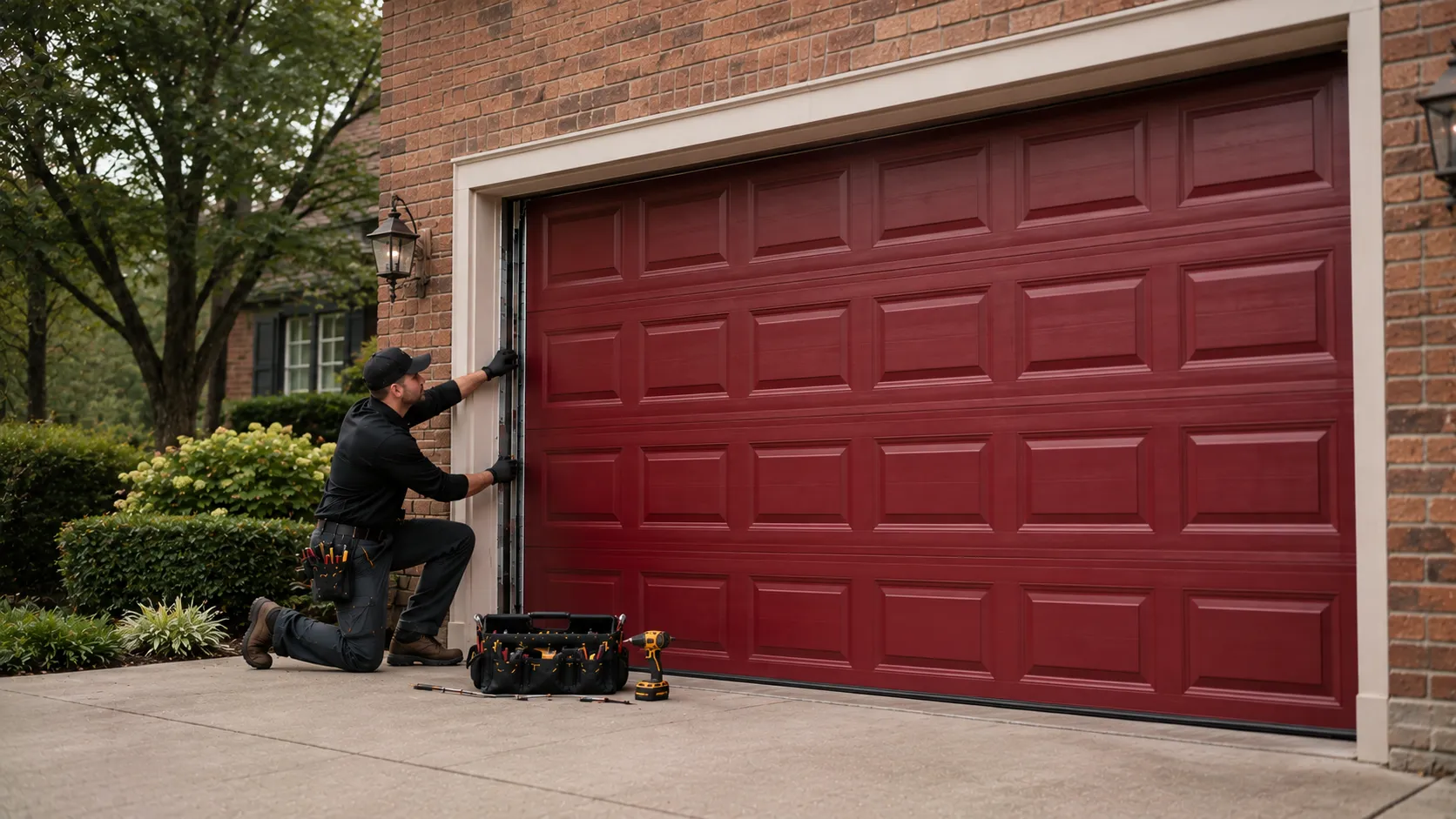
    A technician tests the door under power and by hand and finds what actually failed.

  3. 3
    Clear, up-front plan - Fort Lauderdale garage door service

    Clear, up-front plan

    You get the fix that’s needed and what drives the cost - before any work starts.

  4. 4
    Repaired & tested - Fort Lauderdale garage door service

    Repaired & tested

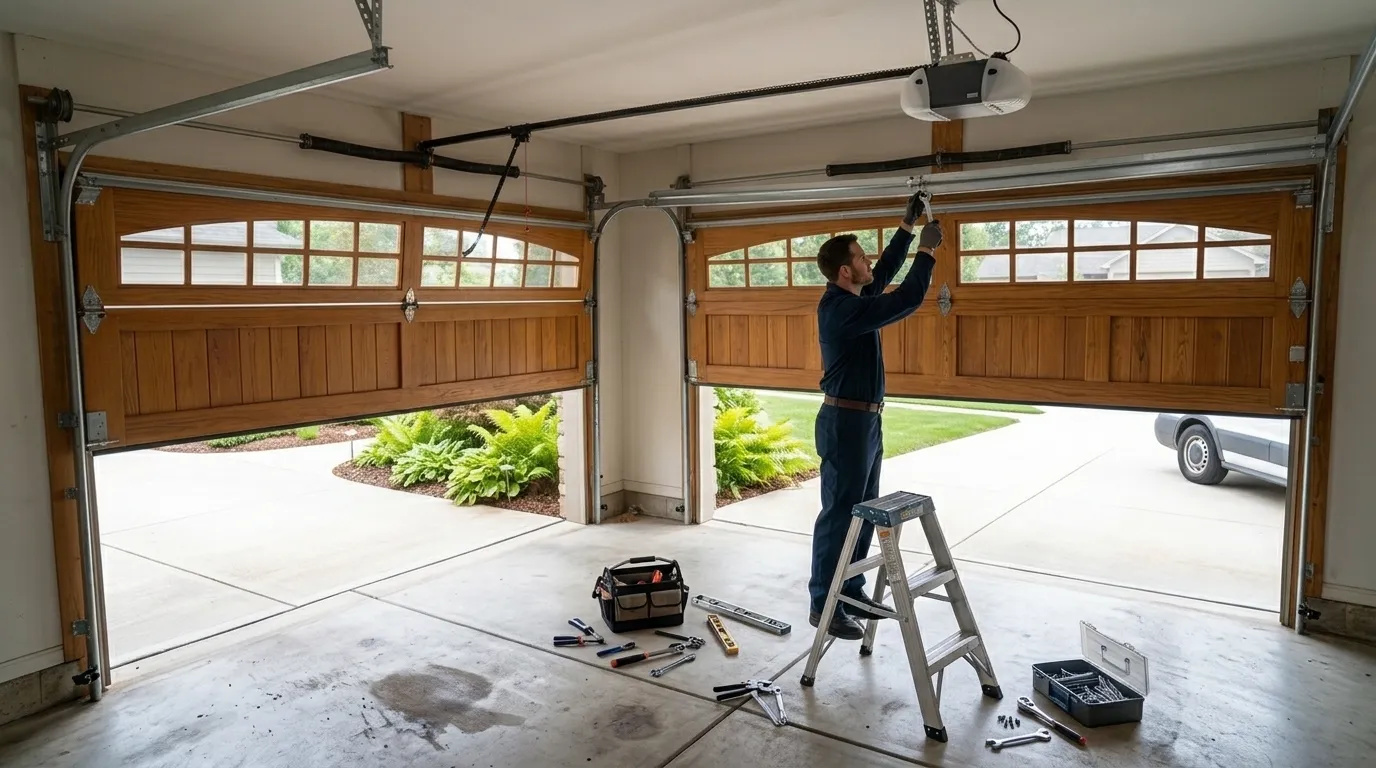
    The repair is done, the door is set true and tested, and the work area left clean.

Serving Fort Lauderdale, FL - tell us what your door’s doing and we’ll take it from there.

How we work

What to expect

Diagnosis first

Every visit starts by finding what actually failed - not a pre-written parts list.

The right part for the door

Springs and openers matched to the door’s weight and age, so the fix holds up.

Straight answers

When a repair makes more sense than a replacement - or the reverse - you hear it plainly.

Clean, careful work

Tension released safely, hardware set true, the door tested under power before we leave.

Questions

Frequently asked

Straight answers about garage door repair in Fort Lauderdale. Still unsure? Ask us directly.

Does cold weather actually cause garage door springs to break in Fort Lauderdale?

Not on its own. Fort Lauderdale's mild climate rarely produces the kind of hard freeze that breaks steel through repeated contraction. What happens here is a spring that's already worn from age loses a little flexibility on a cold morning and finally lets go - the cold is the trigger, not the cause.

How do I know if my spring is old enough to worry about?

Look for rust bloom, flaking paint, or a dull finish on the coils, and think about when the house was built. A lot of homes in this area date to the 1960s and 70s, and if nobody's replaced the spring since, it's likely well past a reasonable service life.

Can I replace a torsion spring myself?

No. A torsion spring holds enough stored tension to cause serious injury if it releases while you're working on it. If the spring is visibly broken or the door won't move under the opener, that's a call-someone situation, not a weekend project.

My door is stiff on cold mornings but hasn't broken. Should I wait?

If the door is from the older end of the local housing stock with original hardware, stiffness on a cold morning is a warning sign, not nothing. Waiting usually means the spring breaks on its own schedule, often on a weekend morning instead of a planned appointment.

Ready to get your garage door sorted?

Tell us what it’s doing and where you are in Fort Lauderdale - we’ll take it from there.

Request a QuoteCall