What Was Built Here
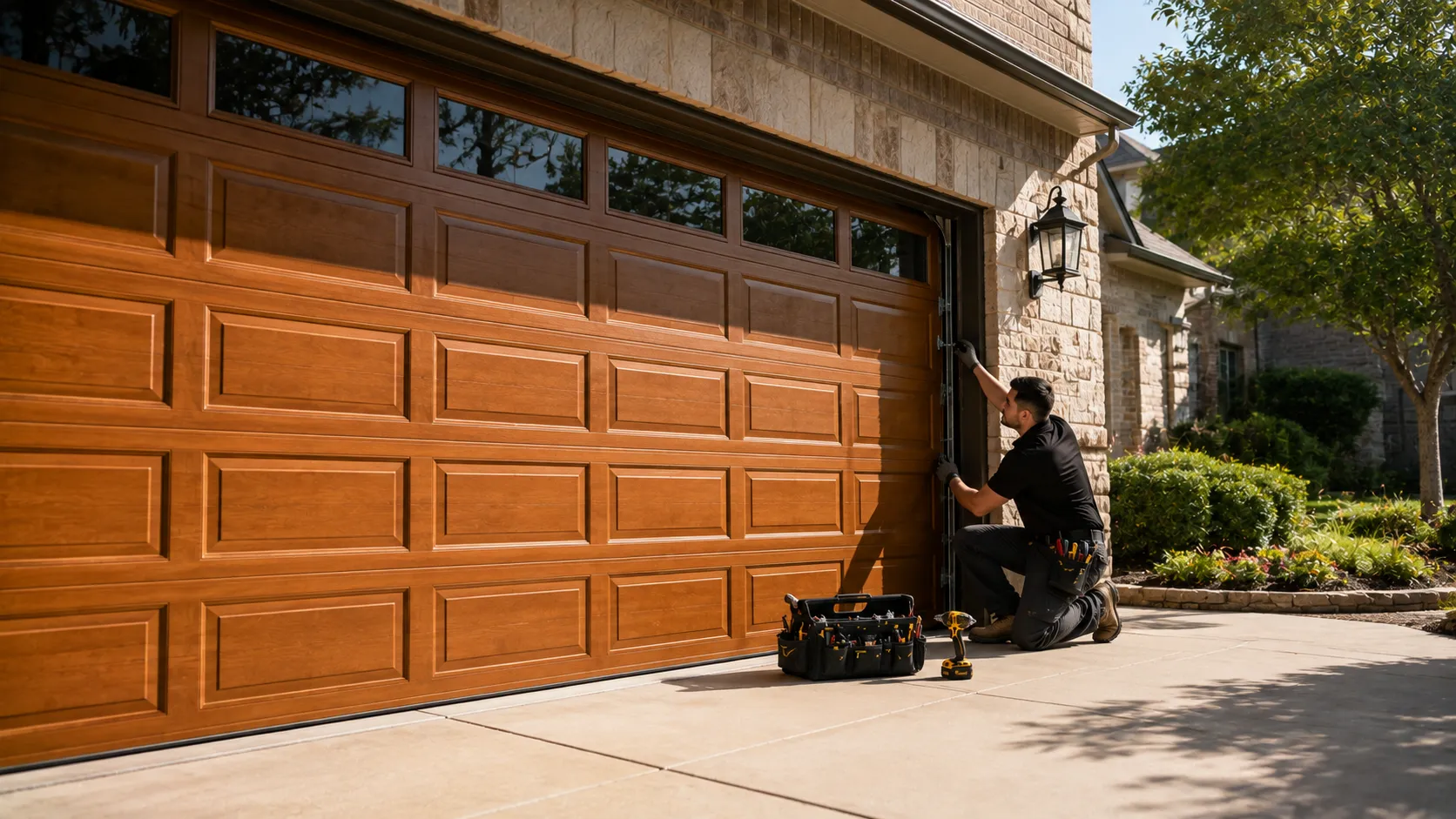
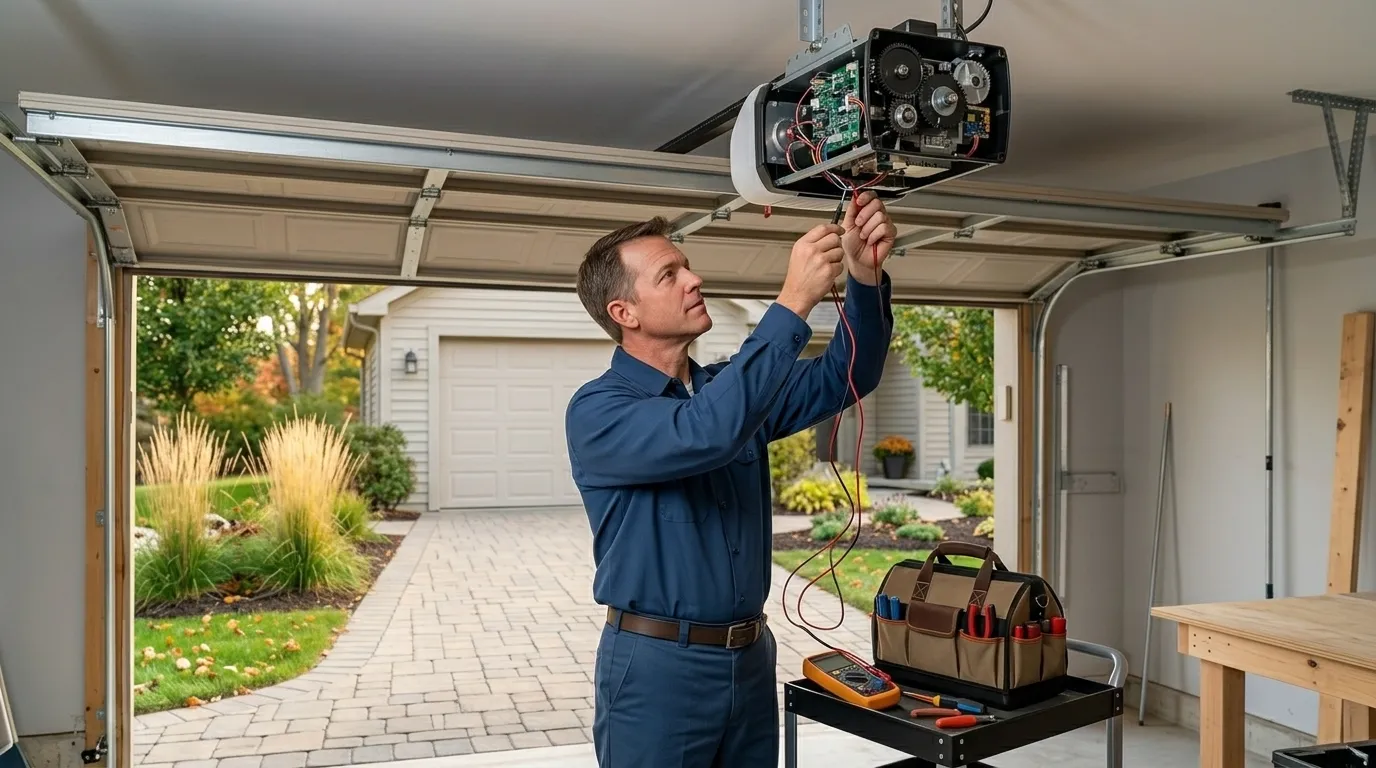
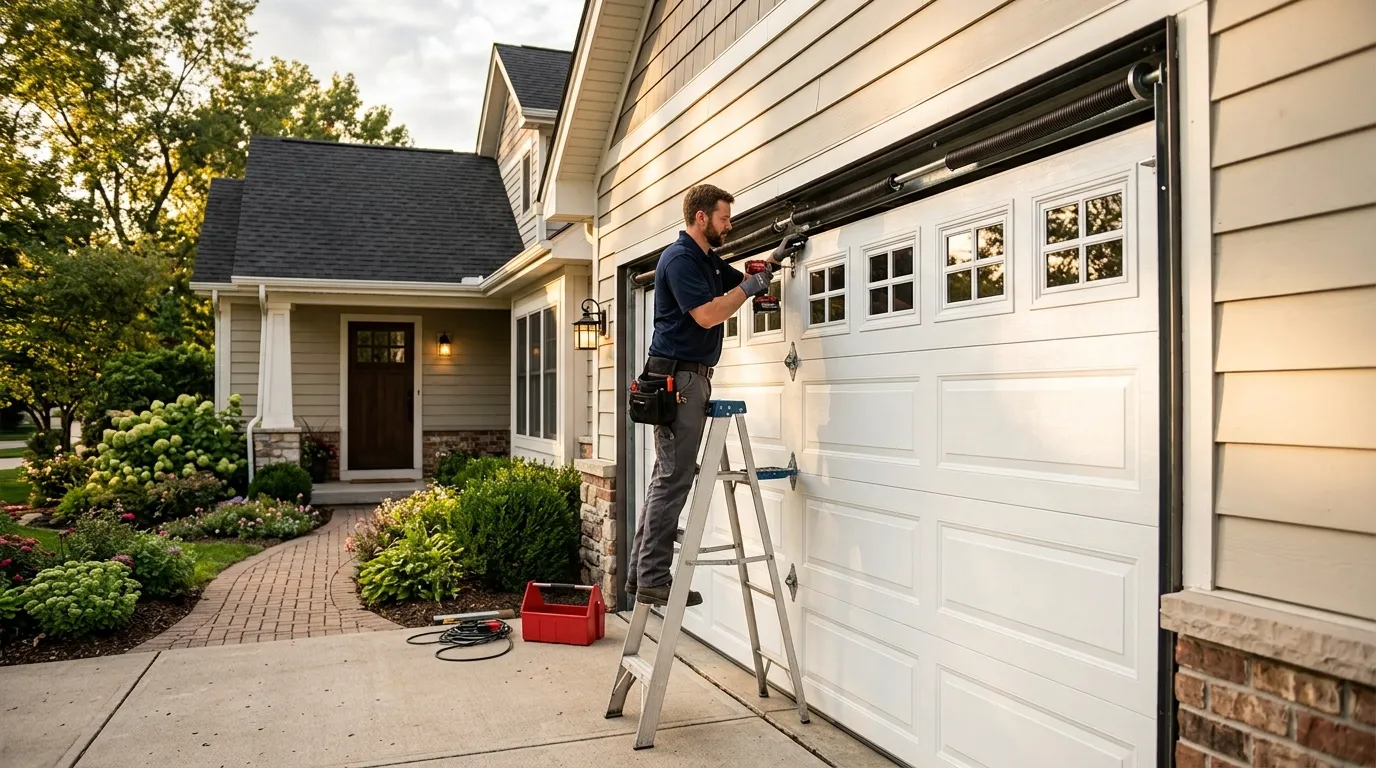
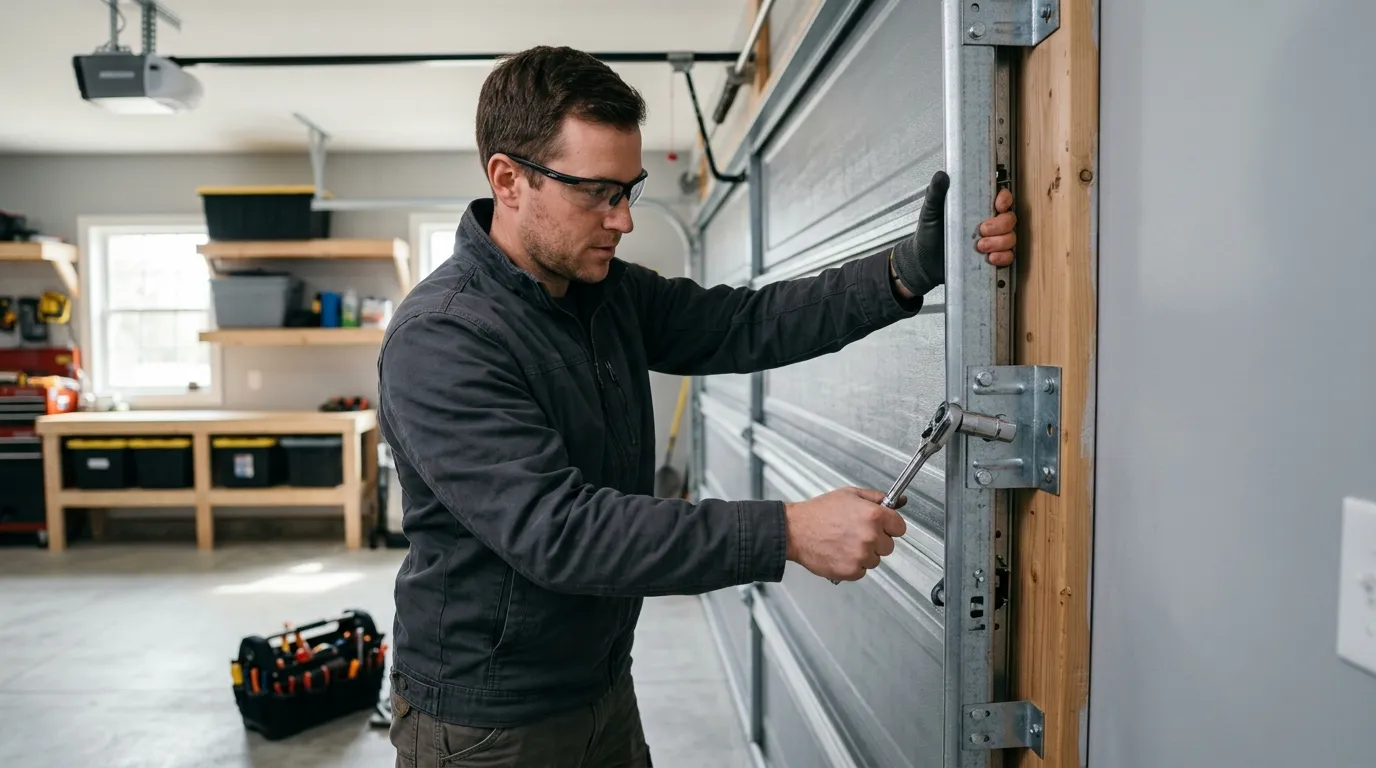
Parkland is the outlier in this part of the county. Across the wider service area the typical house went up somewhere between 1953 and 2005, with most stock dating to the 1960s and 70s. Parkland's median build year sits at 2005 - decades newer than that. That's not a small gap. A house built in 2005 came with a garage door and opener engineered under a different set of expectations than a 1975 build: heavier insulated panels, torsion springs sized for those panels, and openers with rolling-code circuit boards instead of the older dip-switch style. If you own a Parkland house, you're less likely to be dealing with the worn-out original hardware we see on the older side of the county, and more likely to be dealing with a door that's now old enough for its first real spring failure or a control board finally giving out after two decades of daily cycles.
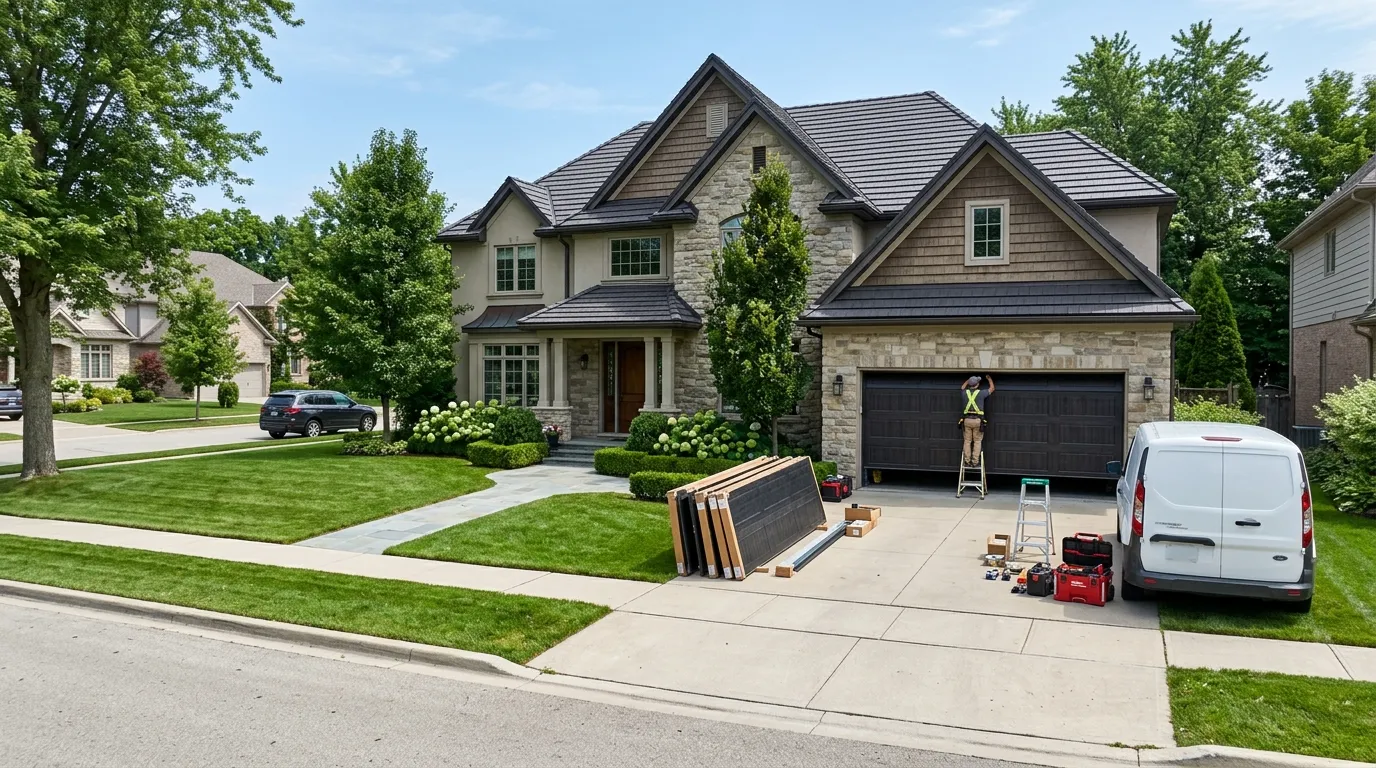
Parkland also has 10,828 households and a median income of $200,156, well above the wider area's $62,201. That combination tends to mean two-car and three-car garages with heavier doors, and owners who lean toward full replacement with better insulation rather than patching an old one - a decision the newer housing stock actually makes practical.
Old Streets and New Ones
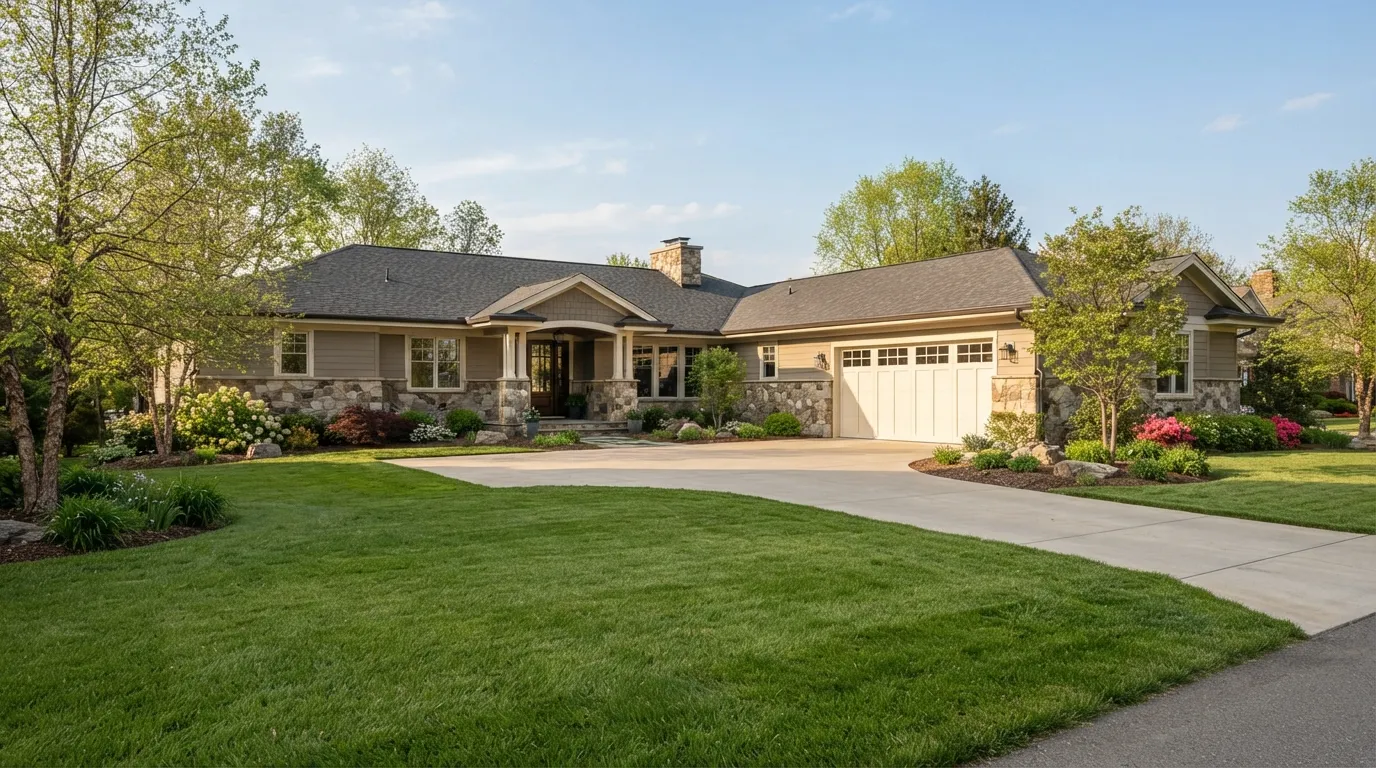
You won't find pre-1950s block construction or the low, narrow single-car garages that show up closer to Fort Lauderdale's older core. Parkland's street grids were laid out and built during a later development wave, which means driveways, garage openings, and setbacks were designed around modern two-car standards from the start. There isn't an older pocket of the city with mismatched hardware from an earlier era - the housing here is comparatively consistent in age, which actually simplifies diagnosis. When we know the neighborhood was built out around the early 2000s, we already have a good guess at the opener generation and spring type before we open the panel.
We don't have a block-by-block map of Parkland's subdivisions or their build dates broken out further than the city median, so we won't pretend to know which specific street went in which year. What we do know is the general era, and that's enough to know what parts to bring.
Getting Here
We run out of Fort Lauderdale, about 14 miles from Parkland. We don't keep a depot or drop-off counter in Parkland itself - the truck comes to you. That distance is worth knowing if you're comparing us to a company based closer in; it doesn't change the work, but it's part of planning a same-day call versus a scheduled one.
Parkland sits toward the far edge of the wider area we cover, which also includes closer-in communities like Wilton Manors, Oakland Park, and Coconut Creek. We mention that only so you know Parkland isn't an afterthought tacked onto a route - it's a regular stop, just a longer drive than the closer neighborhoods.