What Was Built Here
Miami Lakes reads differently than most of the service area we cover out of Fort Lauderdale. Across the wider territory, houses went up anywhere from 1953 to 2005, with the median landing around 1975 - a long stretch that means a lot of mismatched, aging hardware. Miami Lakes doesn't share that spread. The median year built here is 1990, which puts most garages a full generation newer than the typical call we take closer to the coast.
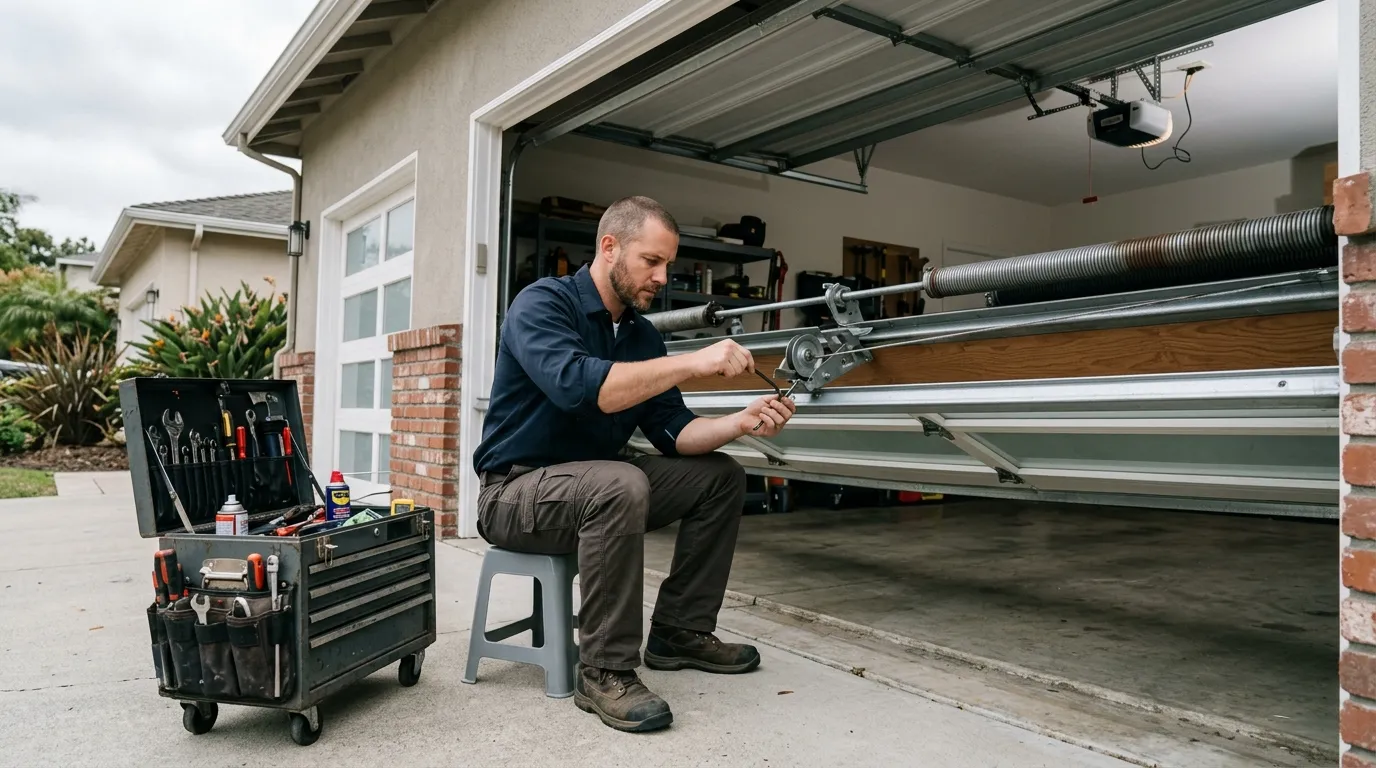
That 1990 median matters because it lines up with a specific stretch of garage door manufacturing: steel sectional doors with extension or torsion springs sized for lighter panels, and openers built before today's rolling-code safety standards but after the chain-drive-only era. Household income here also runs well above the wider area's median of $62,201 - Miami Lakes sits at $97,255 - and homes from this build era tend to have been upgraded once or twice already, with insulated doors and newer opener units more common than in older pockets of the territory.
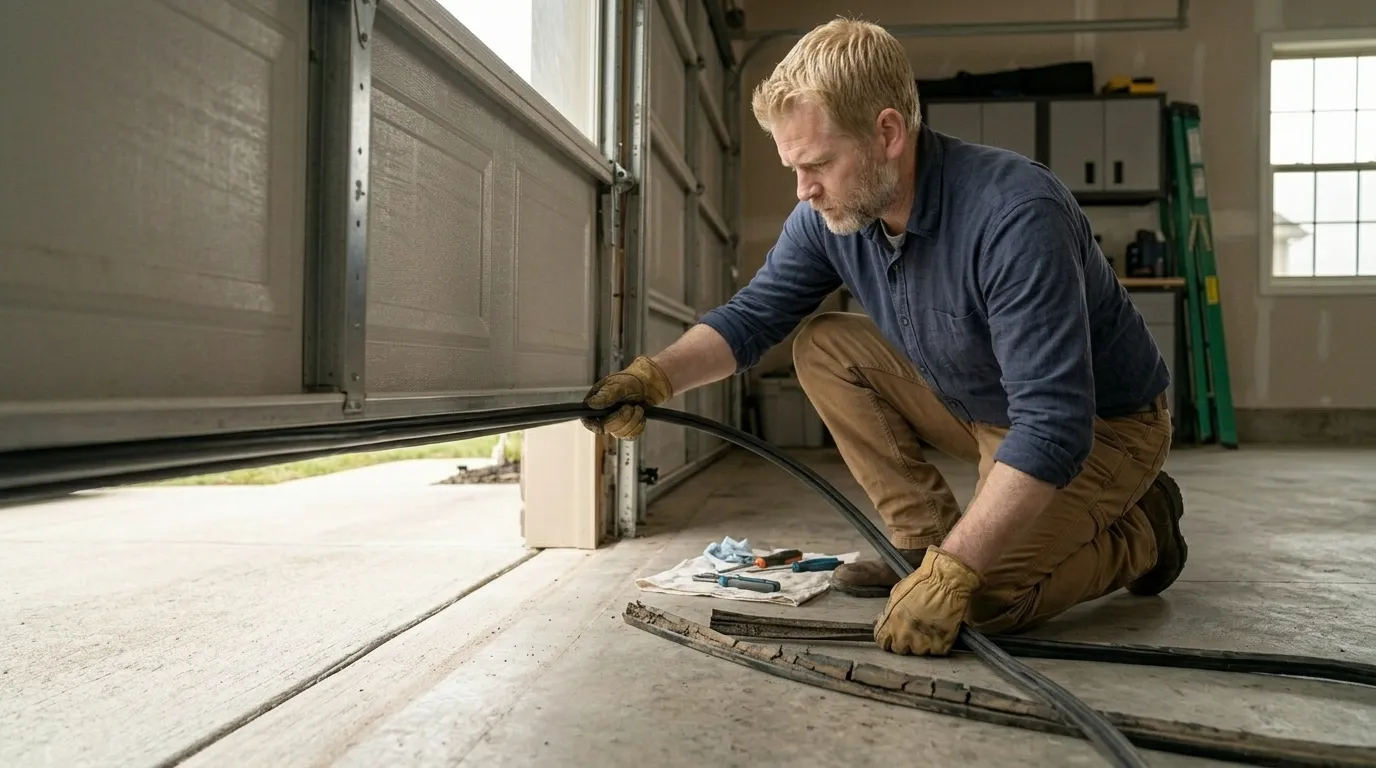
We don't have a count of garages inspected here specifically, so we won't guess at percentages. What we can say is that a 1990-era door calling for service today is usually failing from age and cycle count, not from the kind of original-hardware mismatch we see on 1960s and 70s stock elsewhere.
Old Streets and New Ones
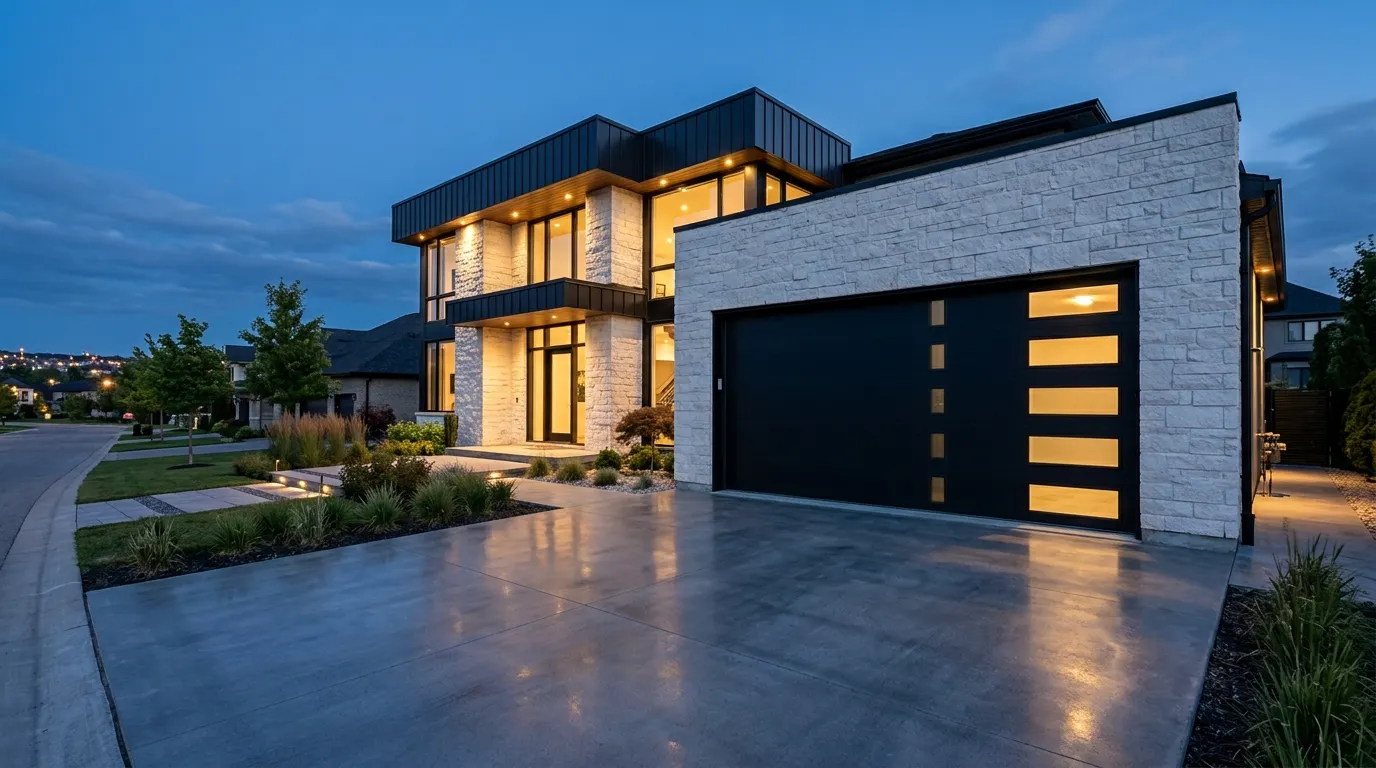
With 11,268 households, Miami Lakes is a smaller, more built-out pocket than the sprawling older neighborhoods that make up most of the wider service area's 387,256 households. A community built up mostly around and after 1990 tends to have been platted in fewer phases, with more consistent lot sizes and garage placements than areas stitched together over five decades.
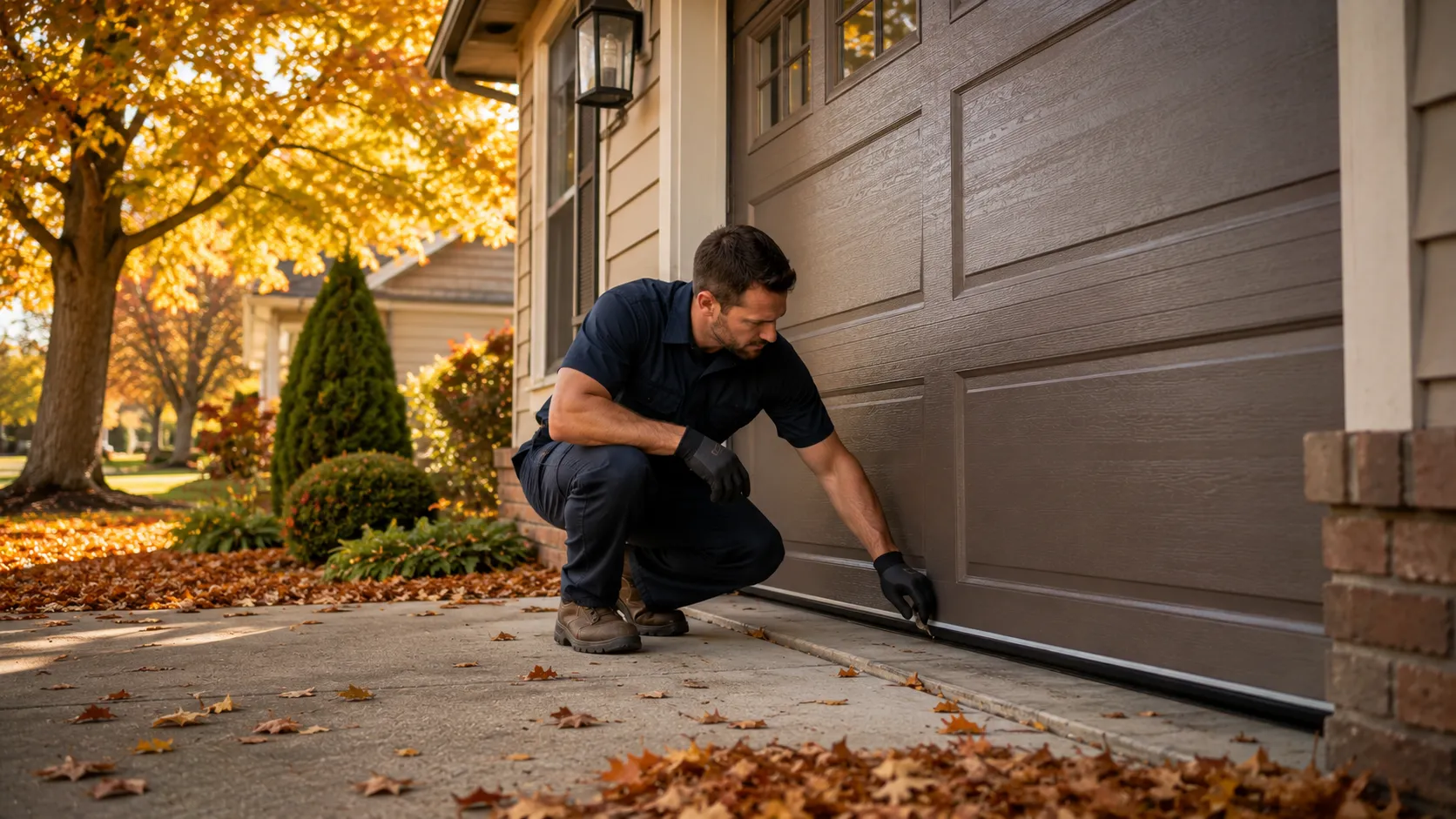
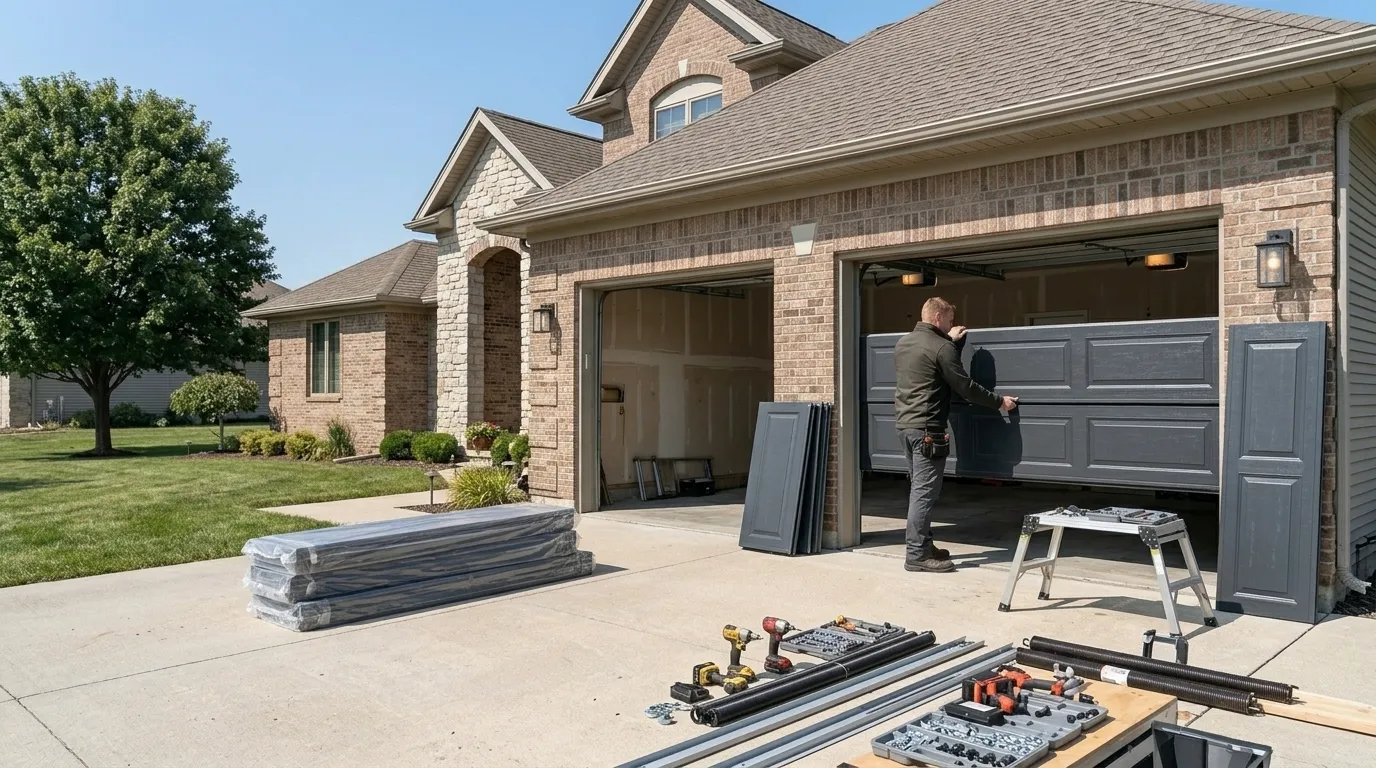
That consistency cuts both ways for a repair call. On one hand, garage openings and door widths tend to run more standard here, which means stock panel sizes fit more often without special ordering. On the other hand, a single subdivision built in one push often has every garage door aging out on the same schedule - springs, rollers, and openers all installed within a few years of each other, which means a wave of near-simultaneous failures isn't unusual once a neighborhood crosses the 25-30 year mark.
We don't have a street-by-street map of when each section of Miami Lakes went in, so we're not going to pretend we do. What the 1990 median tells us is the general age band we're walking into on most calls, not the exact year any one driveway was poured.
Getting Here
Miami Lakes sits about 19 miles from our base in Fort Lauderdale. We don't keep a depot or crew stationed in Miami Lakes itself - every job here is a truck coming from Fort Lauderdale, which is worth knowing up front if timing matters to you. We're not going to promise a same-day window we can't back up from that distance, and we'd rather say that plainly than have a homeowner assume a local presence we don't have.
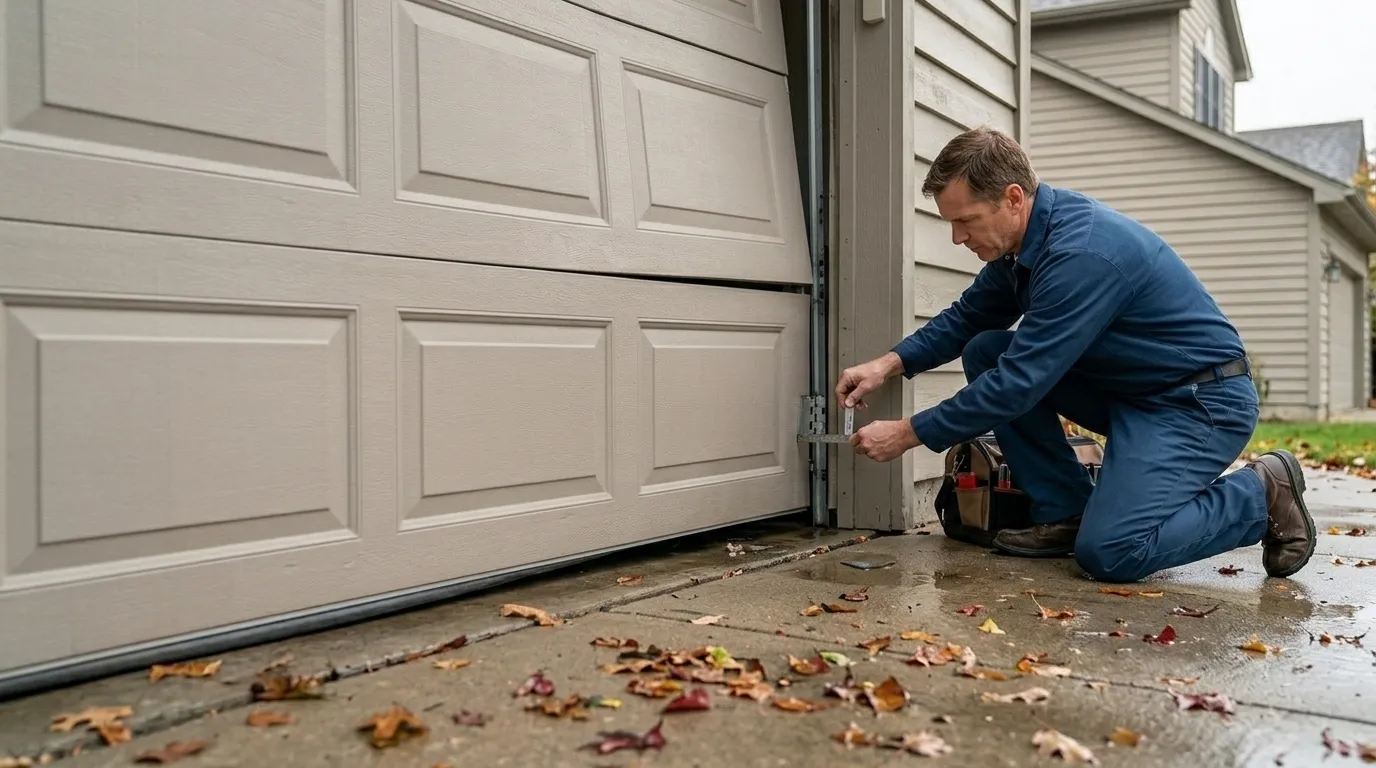
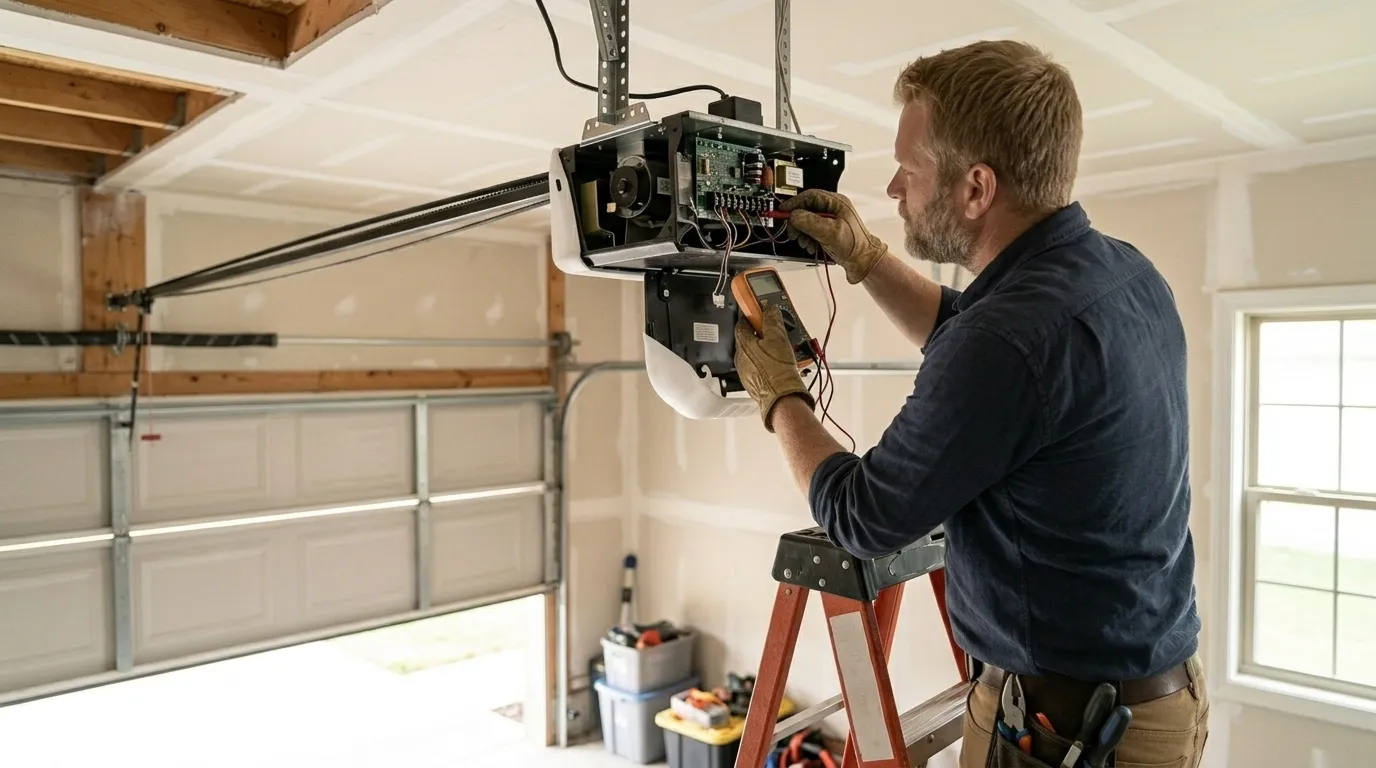
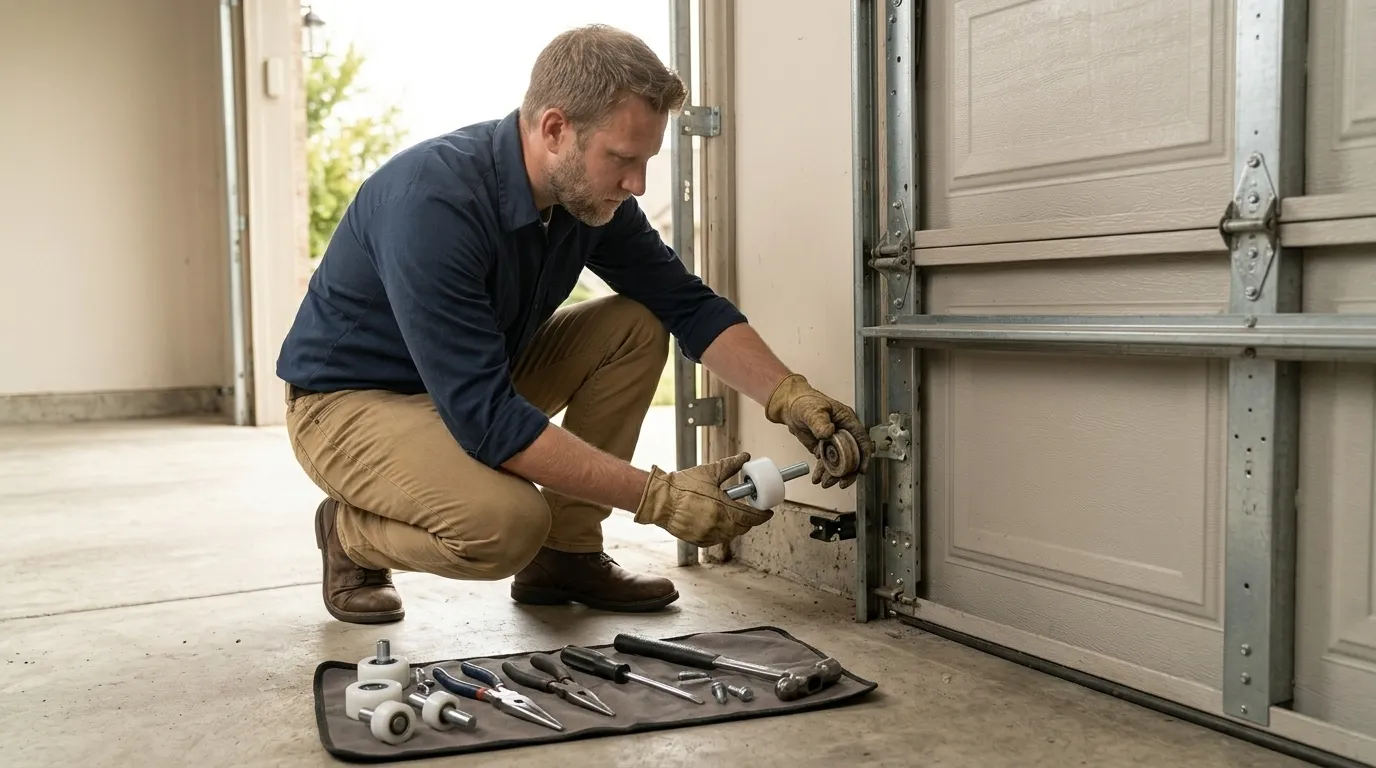
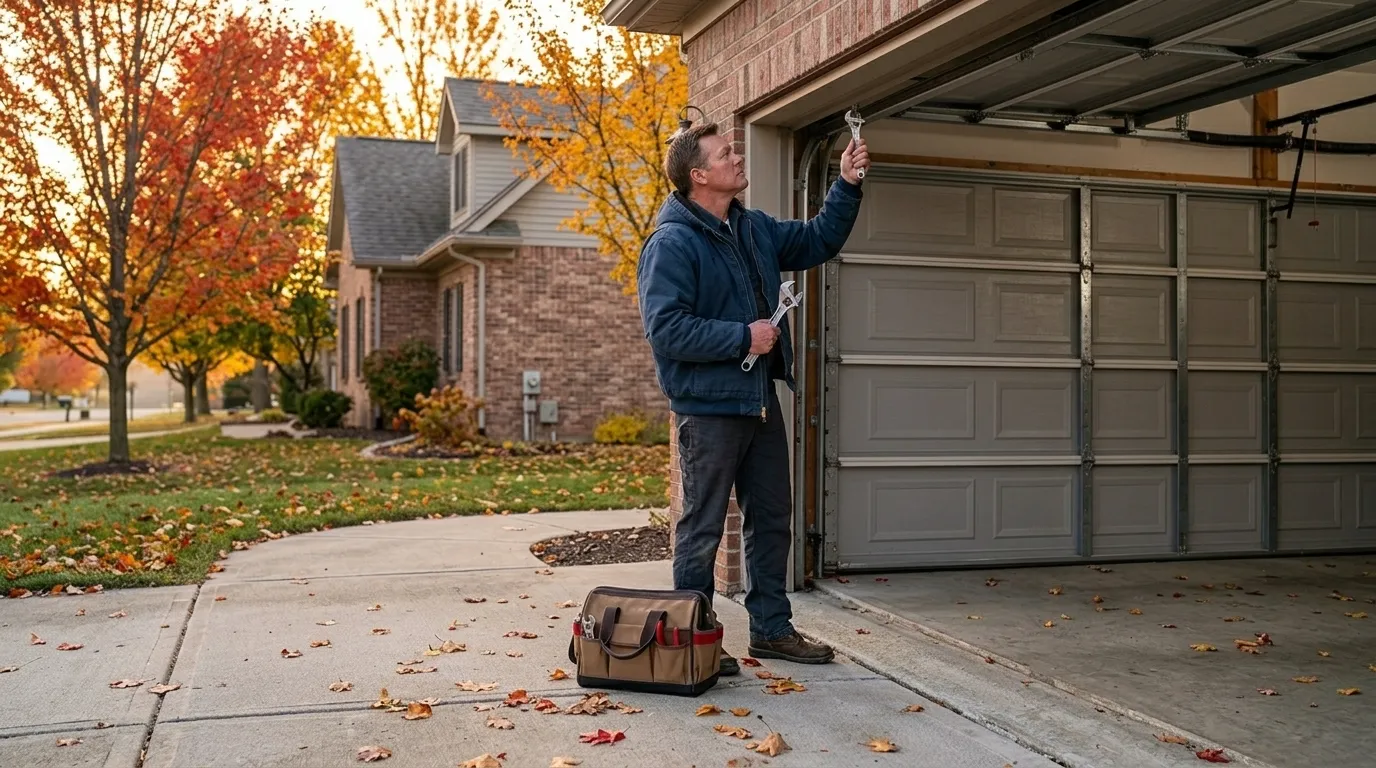
What we can commit to is showing up prepared for the specific kind of call this area tends to produce: an aging torsion spring or a tired original opener on a door installed somewhere around 1990, rather than the older mixed-era hardware more typical closer to the coast. If your job turns out to need a part we don't carry on the truck for a less common panel size, we'll say so rather than stall the appointment pretending otherwise. That's a real limitation of running from one central location rather than a shop on every corner, and it's better to know that before we're standing in your driveway.