What Is on the Truck
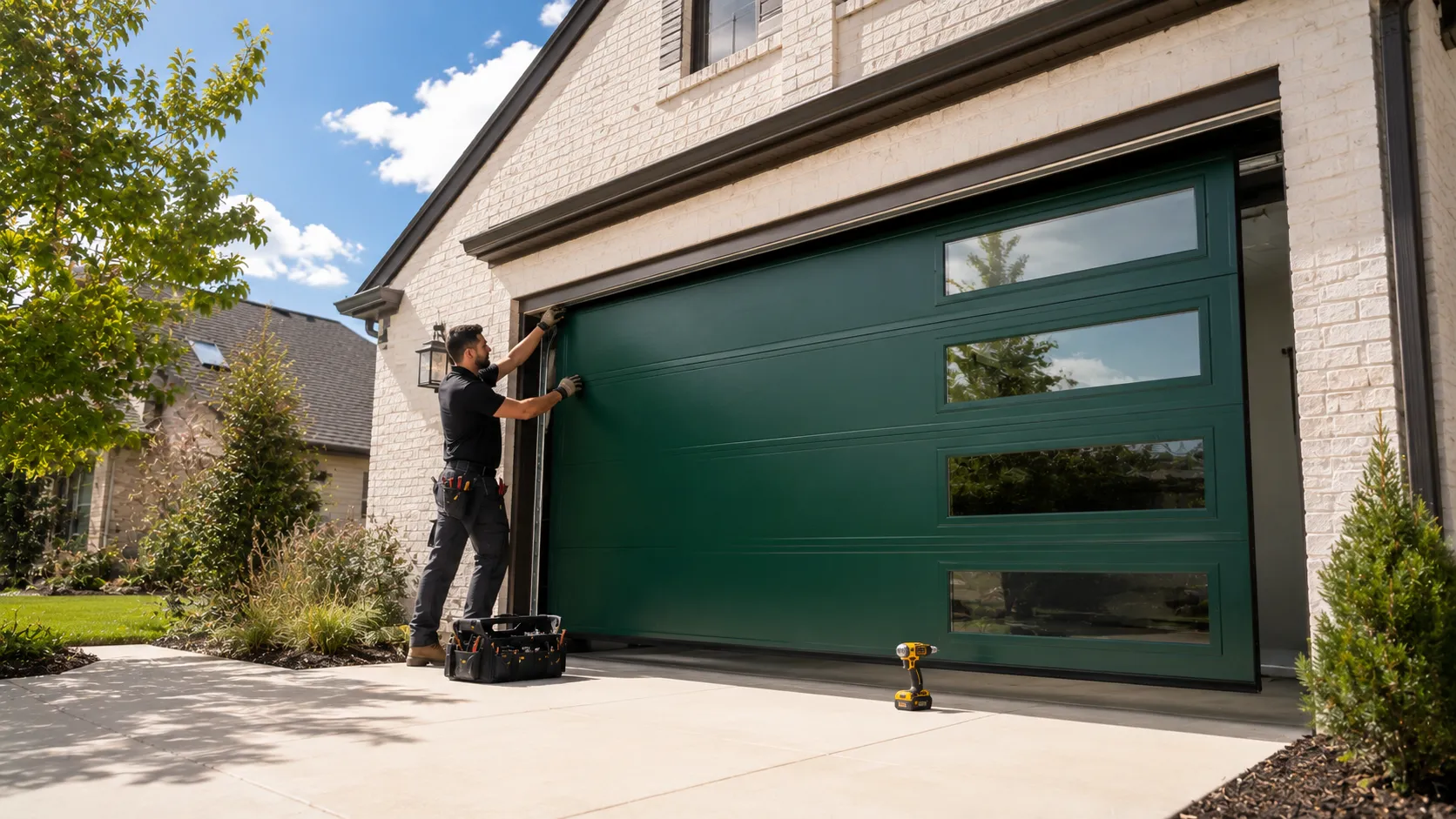
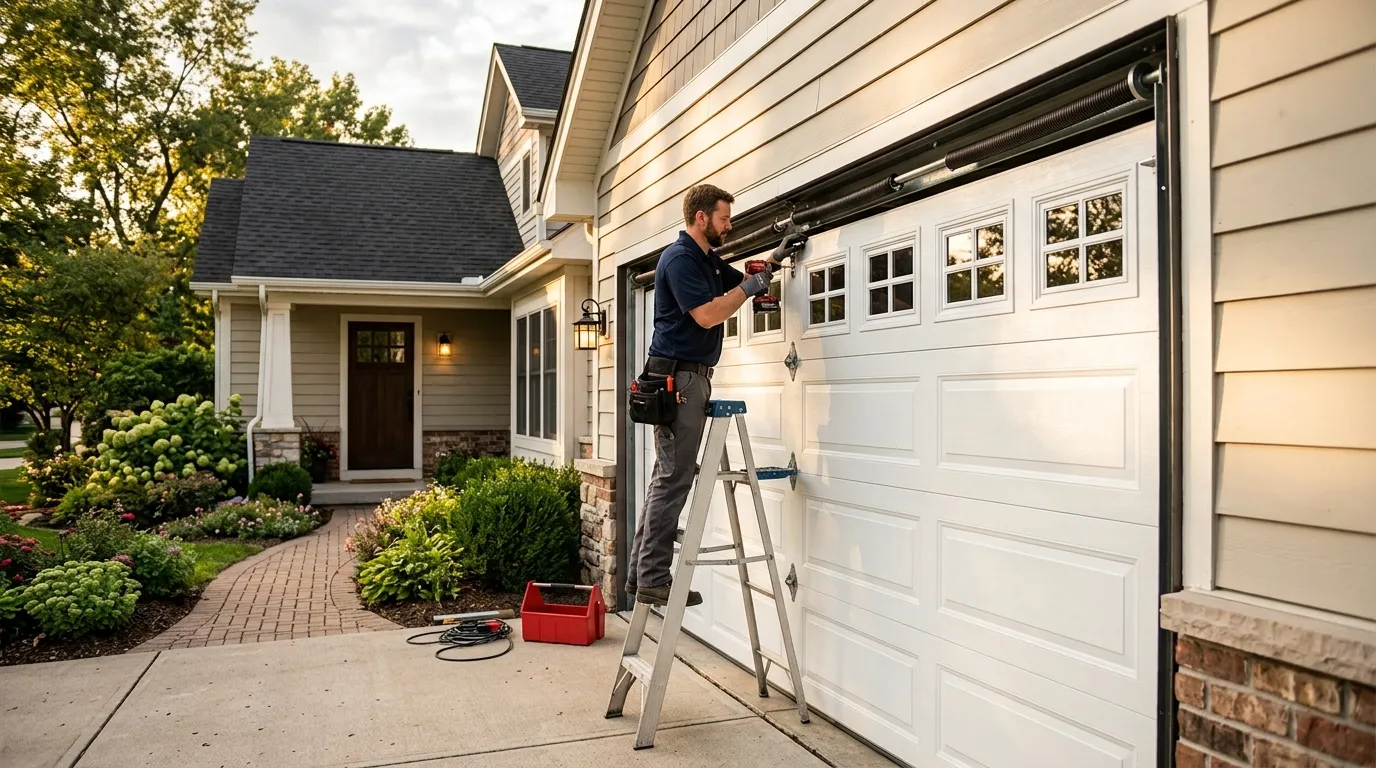
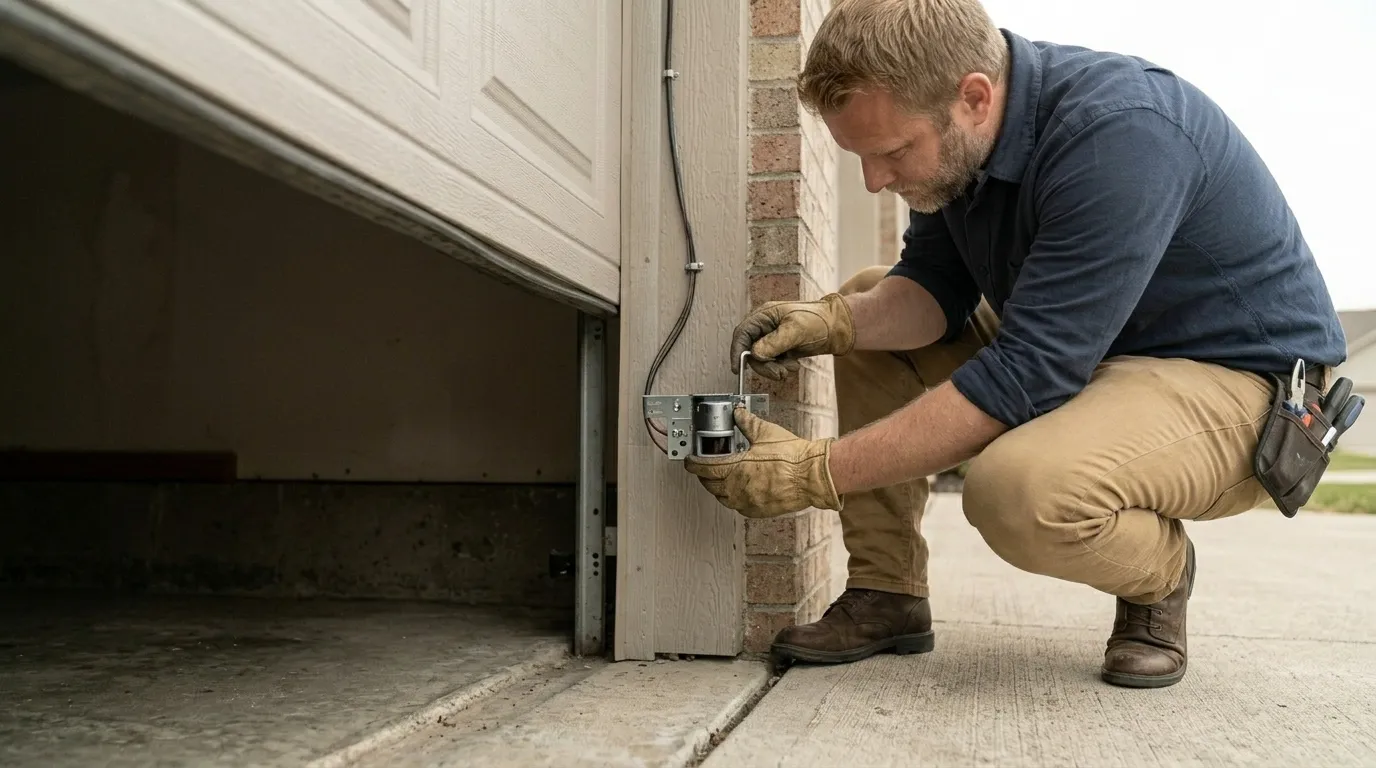
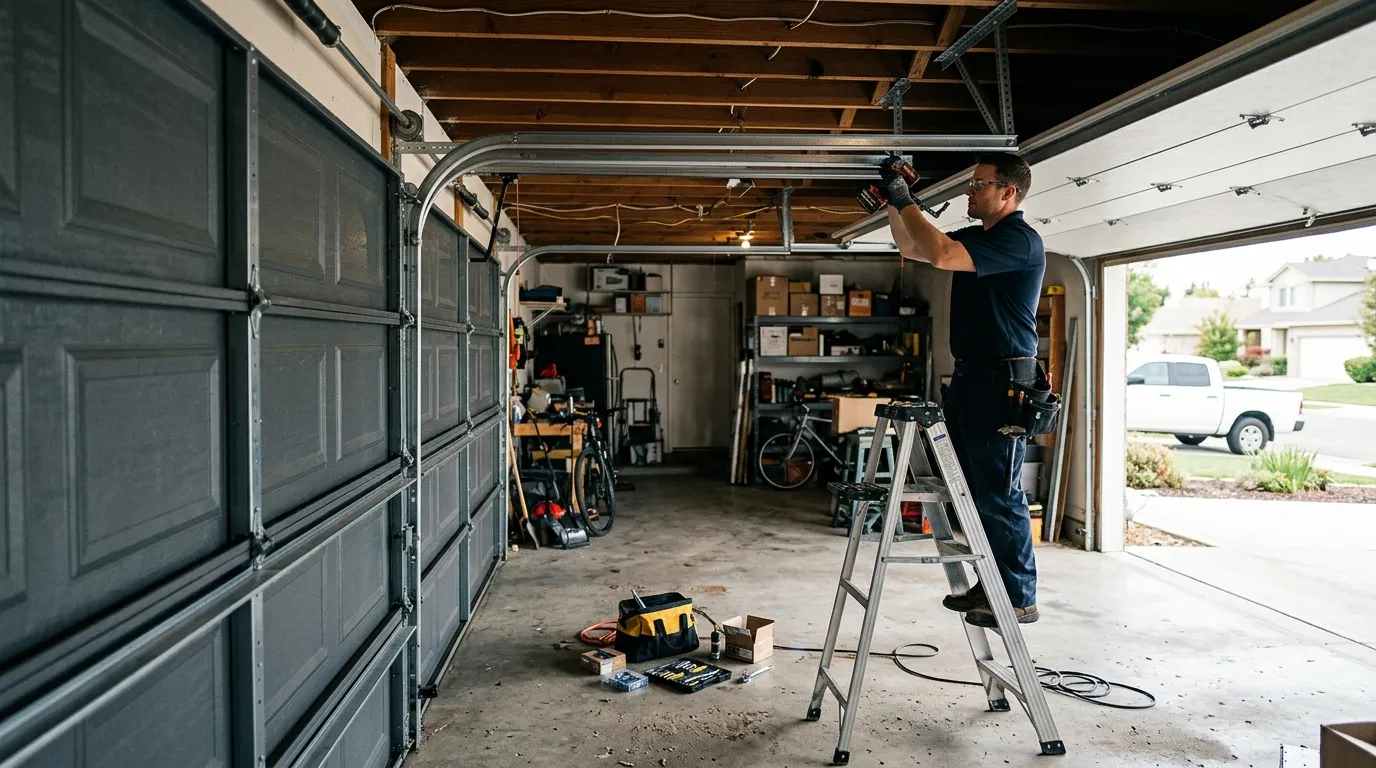
Deerfield Beach's median house went up in 1977, which puts a lot of these garages a full generation past the openers that first came with them. What usually hasn't been swapped is the wall-mounted control box and the wiring run to it - that stuff doesn't fail the same way a motor does, so nobody ever thinks to replace it. We carry logic boards, drive gears, and belt and chain kits sized for the mid-70s to early-80s bracket housing, plus the wall control units that match older low-voltage wiring instead of the newer safety-interlock style. We also carry standard sensor eyes and photo-eye brackets, since those get knocked out of alignment more than they actually fail. What we don't stock on the truck is anything proprietary to a smart-home opener bought at a big box store last year - those often need a special order, and we'll tell you that up front instead of pretending otherwise.
How It Shows Up
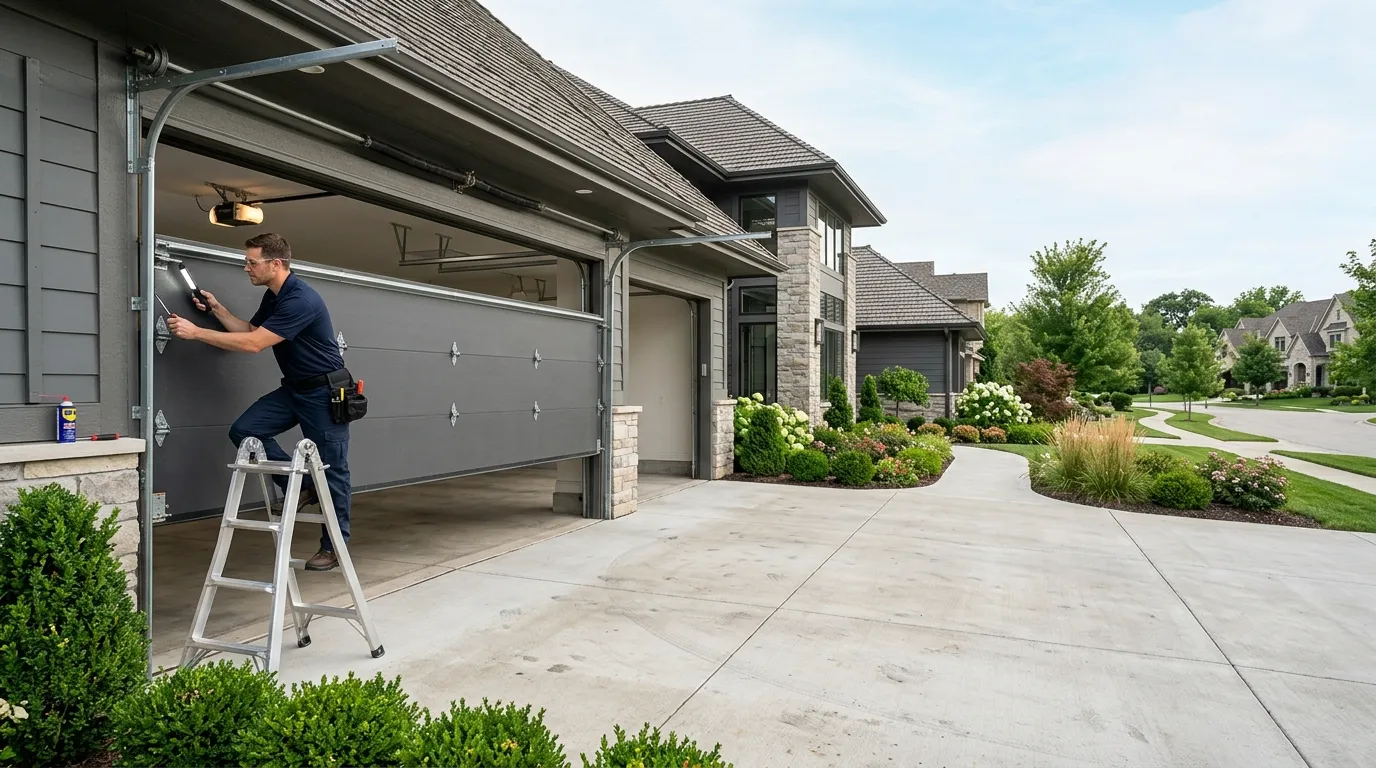
In a house built around 1977, the opener itself has usually been replaced once or twice by now, but the bracket it hangs from and the header wiring behind it often haven't. That combination shows up as an opener that runs the motor fine but won't reverse, or one that reverses randomly with no obstruction in the way - a sign the old wiring is arcing at a splice nobody sees. Given this area's mild year-round climate, we don't get the seasonal humidity swings that swell wood jambs and throw off travel limits the way they do farther north, so a Deerfield Beach opener failing usually points at the unit or its old wiring, not the door reacting to weather. Chain and belt stretch over time is the other common one - it's slow, so most people don't notice until the door starts hesitating a few inches before it seats.
What the Repair Takes
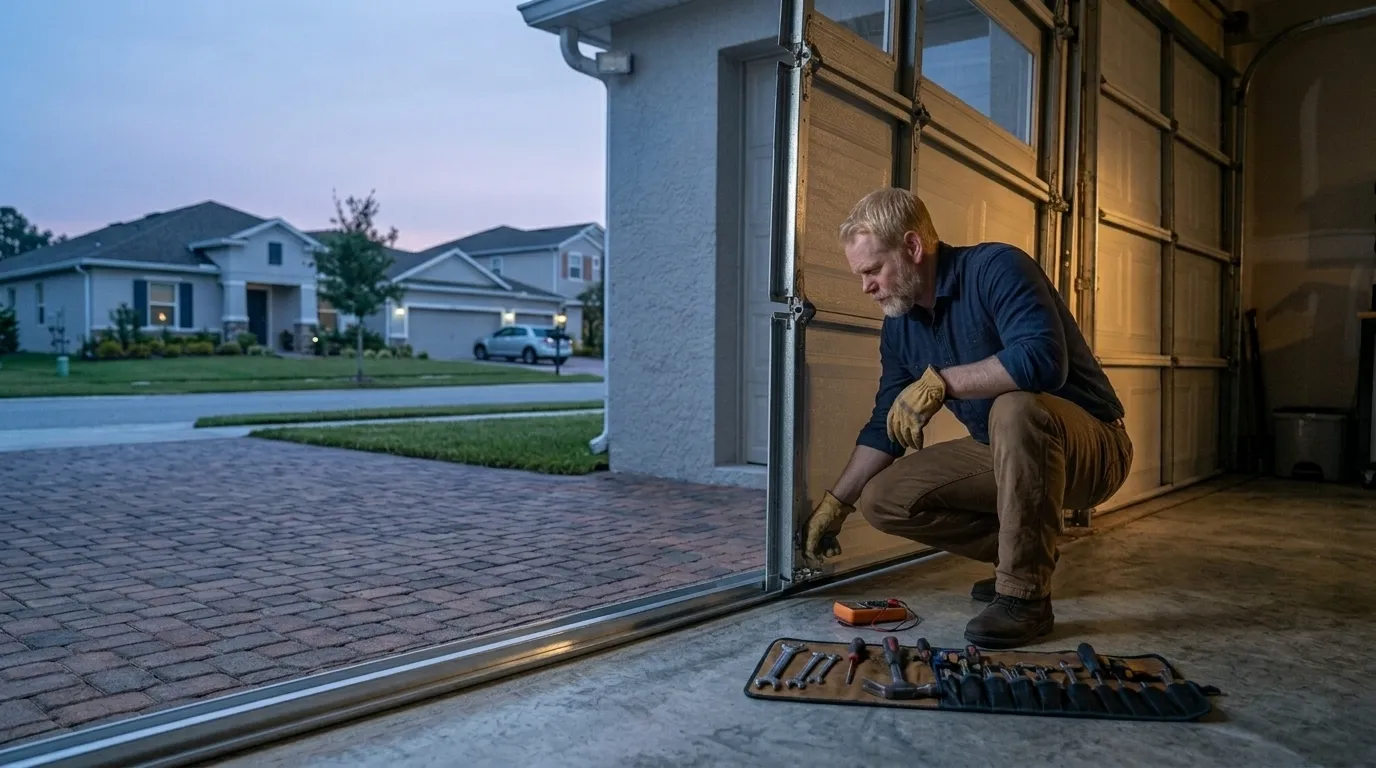
A straightforward logic board or sensor swap on a 1970s-bracket opener is usually done in one visit once we've confirmed the wiring behind the wall unit is sound. If it isn't - if the insulation on the old low-voltage line has cracked, which happens on wiring this age - that adds time, since we're tracing a run instead of just swapping a part. Chain and belt replacement is quick work on its own. What slows a job down is parts availability: older logic boards for openers this age aren't something every supplier stocks, and if yours needs one, we'll tell you the lead time rather than promise a same-day fix we can't back up.
The DIY Question
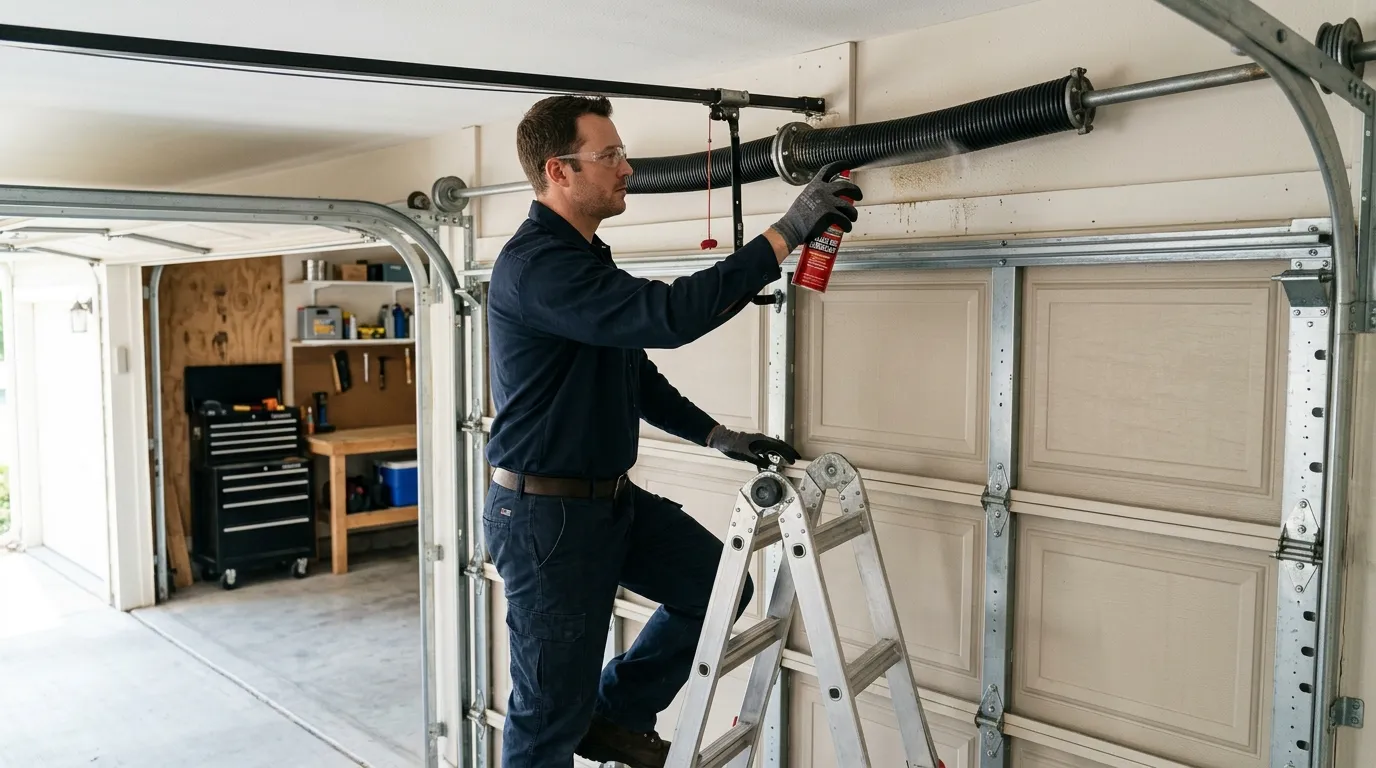
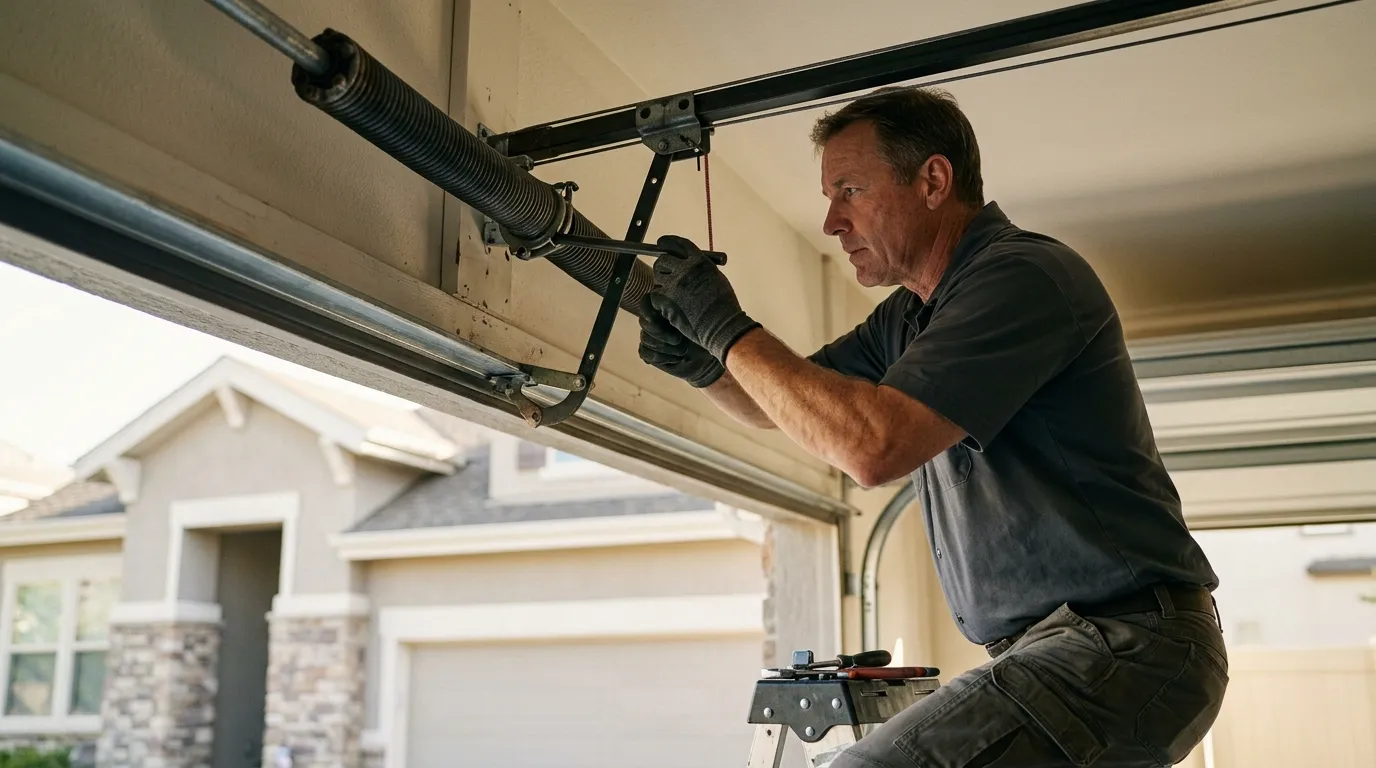
Swapping a photo-eye sensor or tightening a loose bracket bolt is within reach for most homeowners, and we're not going to tell you otherwise. Where it stops being a good idea is anything involving the torsion spring assembly or the high-voltage side of the opener motor housing - both carry enough stored force or current to do real damage, and neither forgives a mistake. On a house from the 1977 era, the added wrinkle is wiring you can't see behind the wall plate; pulling the cover off an old control box without knowing what's live behind it is the kind of thing that turns a $20 part into an ER visit. If in doubt, that's a call, not a video tutorial.