
What Is on the Truck
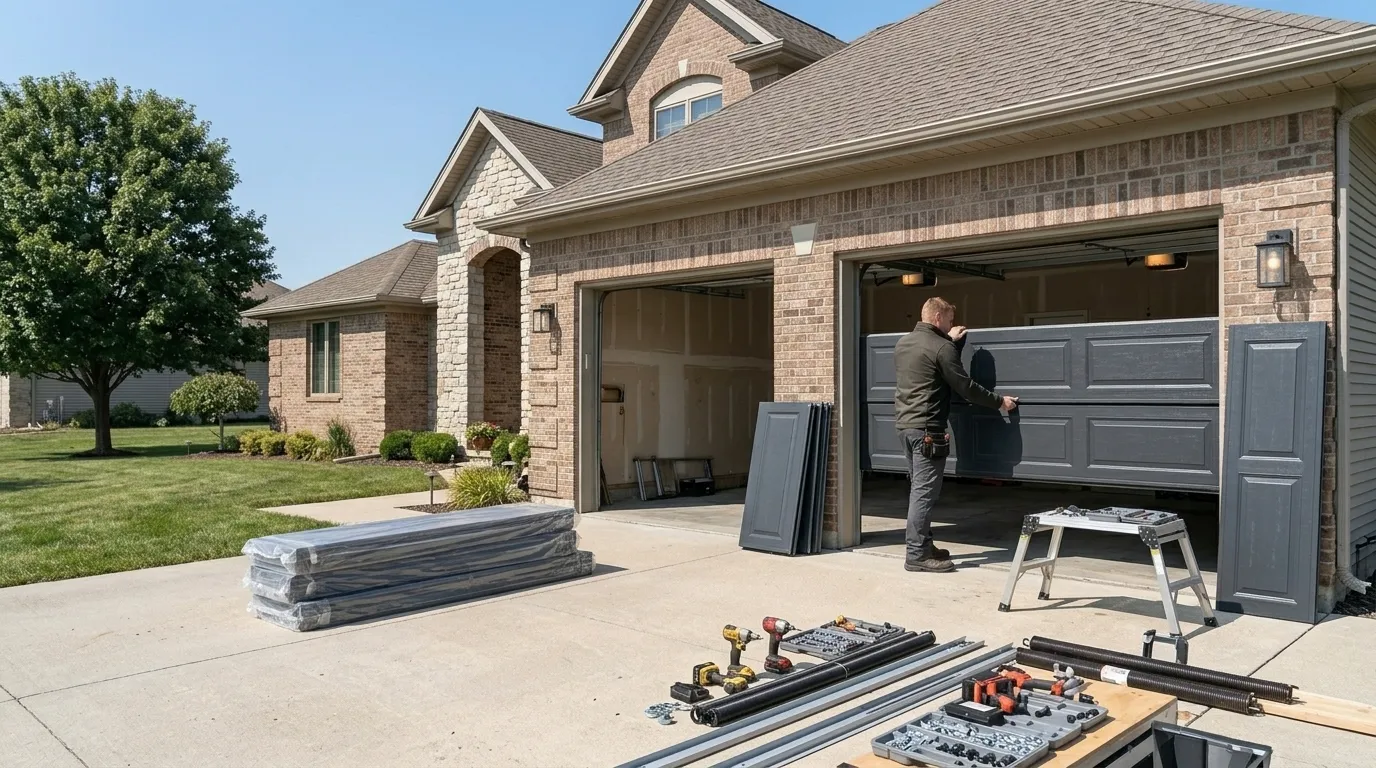
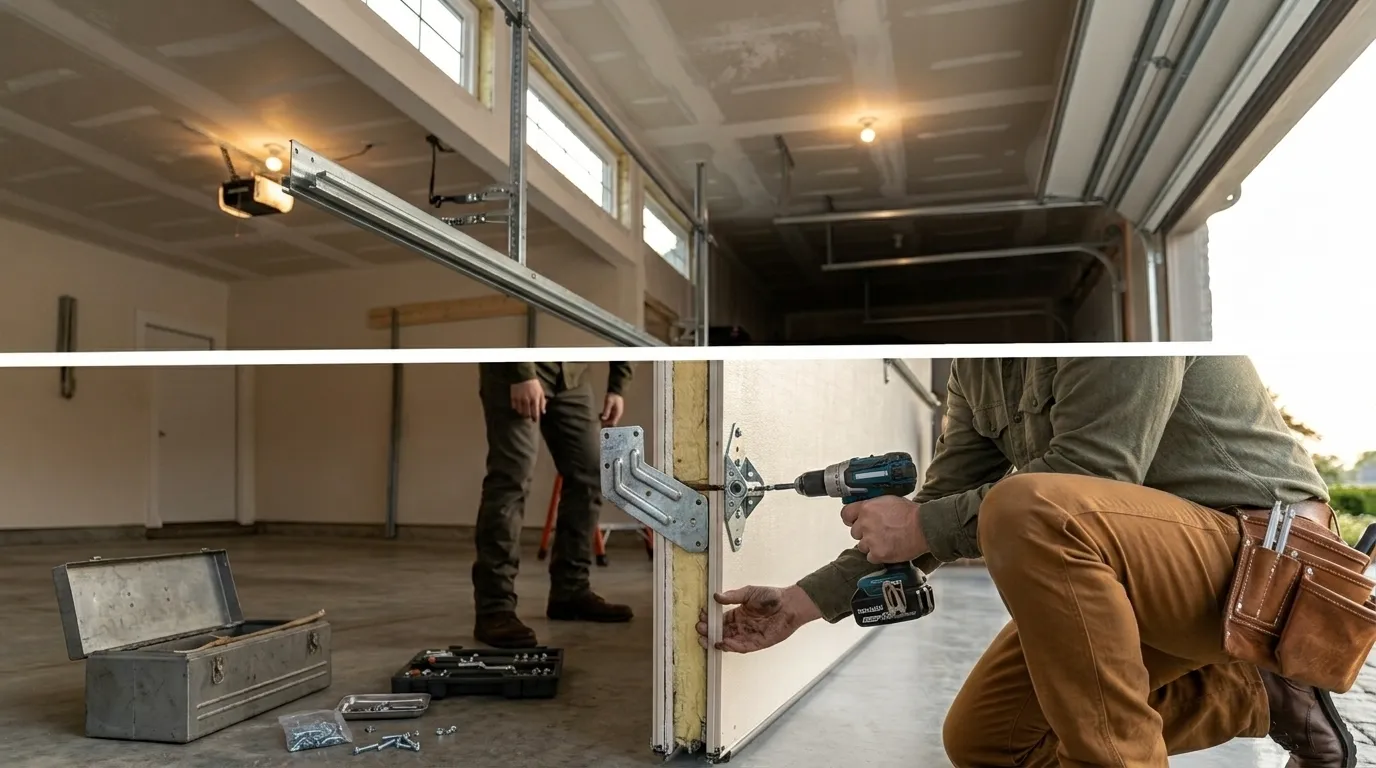
Deerfield Beach houses cluster around 1977, just past the 1975 median we see across the wider service area, and that two-year gap matters more than it sounds. By the late 1970s builders here had mostly moved off the original one-piece doors and side-mount torsion setups that plague the older pockets closer to Fort Lauderdale, and into extension-spring and early sectional torsion systems instead. That means the truck carries extension springs in the common residential weights, standard-width torsion bars for single and double openings, and steel roller and cable stock sized for that generation of track. What we don't carry as deep is the oddball one-piece hardware from the 1950s stock - if a Deerfield Beach job turns up an older door that predates the neighborhood's typical build year, that part may need a special order rather than a same-visit fix. We're honest about that on the phone before we quote a same-day job. Climate-wise, this whole stretch sits in a mild temperate band, so we're not stocking heavy cold-weather seals or insulated panel kits the way a northern crew would - the wear here comes from humidity and salt air working on hardware, not freeze-thaw cycling.
How It Shows Up
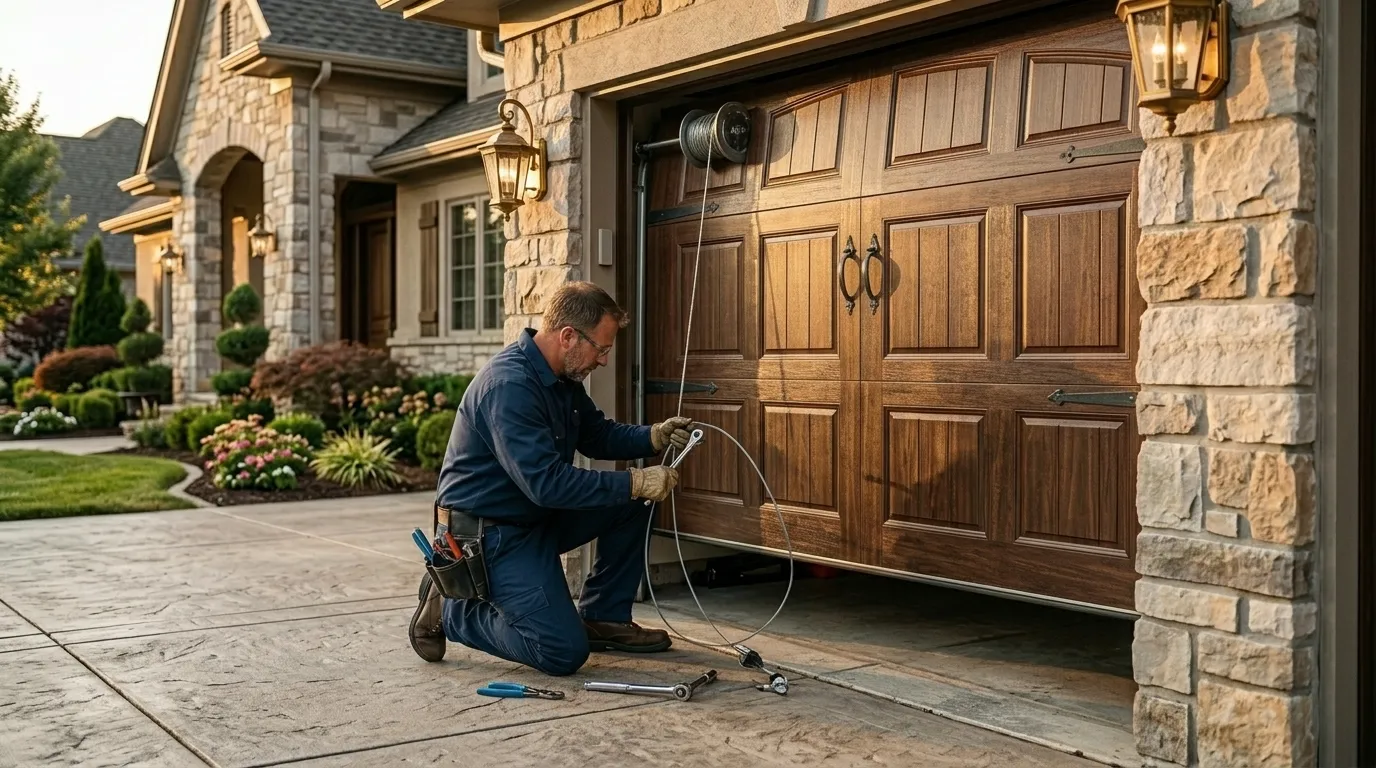
With roughly 36,138 households in this pocket of the service area, the failure pattern tracks the housing stock: torsion springs that have cycled for close to five decades letting go without warning, and extension-spring doors where one side snaps and the door racks sideways in the track. Openers installed as a retrofit on 1970s doors are a second common call - chain drives bolted onto hardware never designed for a motor, wearing the trolley and rail faster than the door itself wears out. Because Deerfield Beach sits about 12 miles from our Fort Lauderdale base, we ask a few extra questions on the call - is the door stuck open, stuck shut, or off the track entirely - so the truck rolls with the right spring weight and cable length before it ever gets on the road.
What the Repair Takes
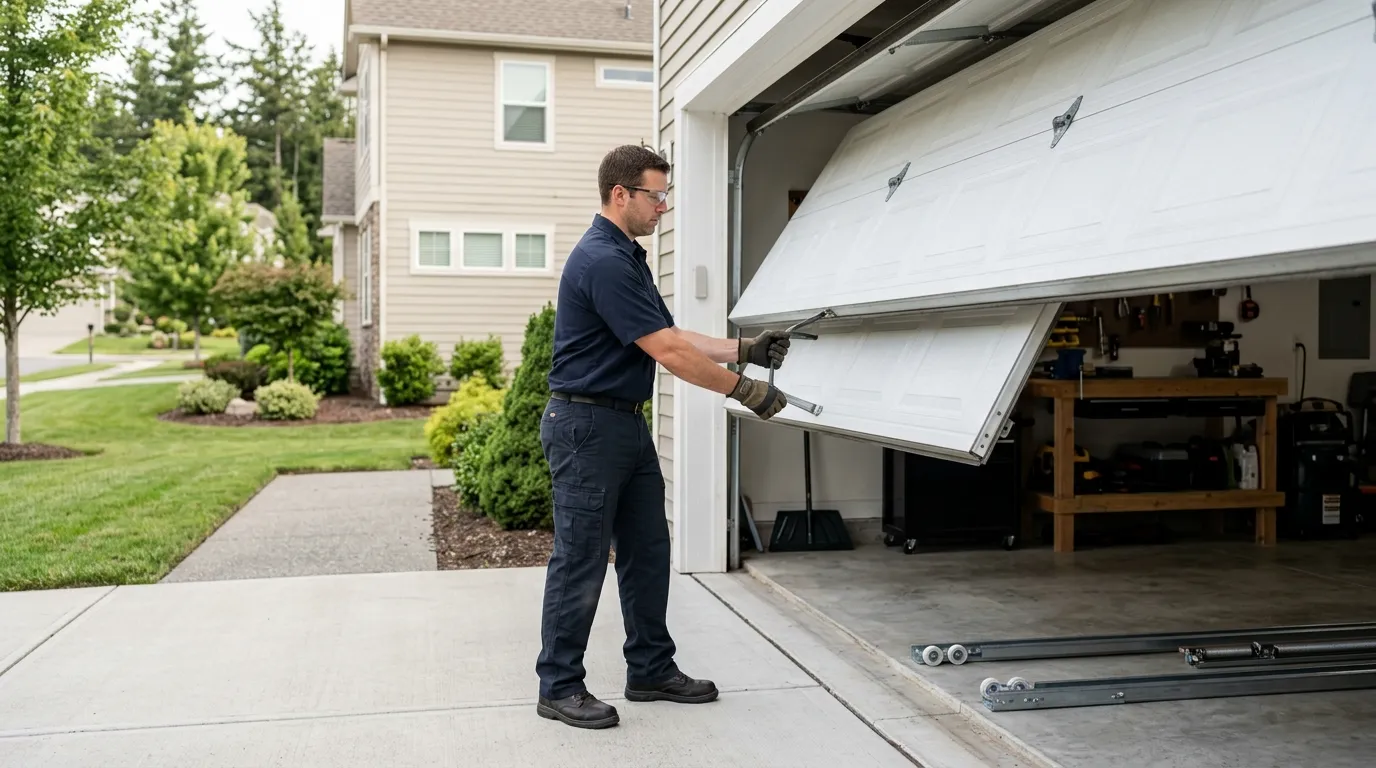
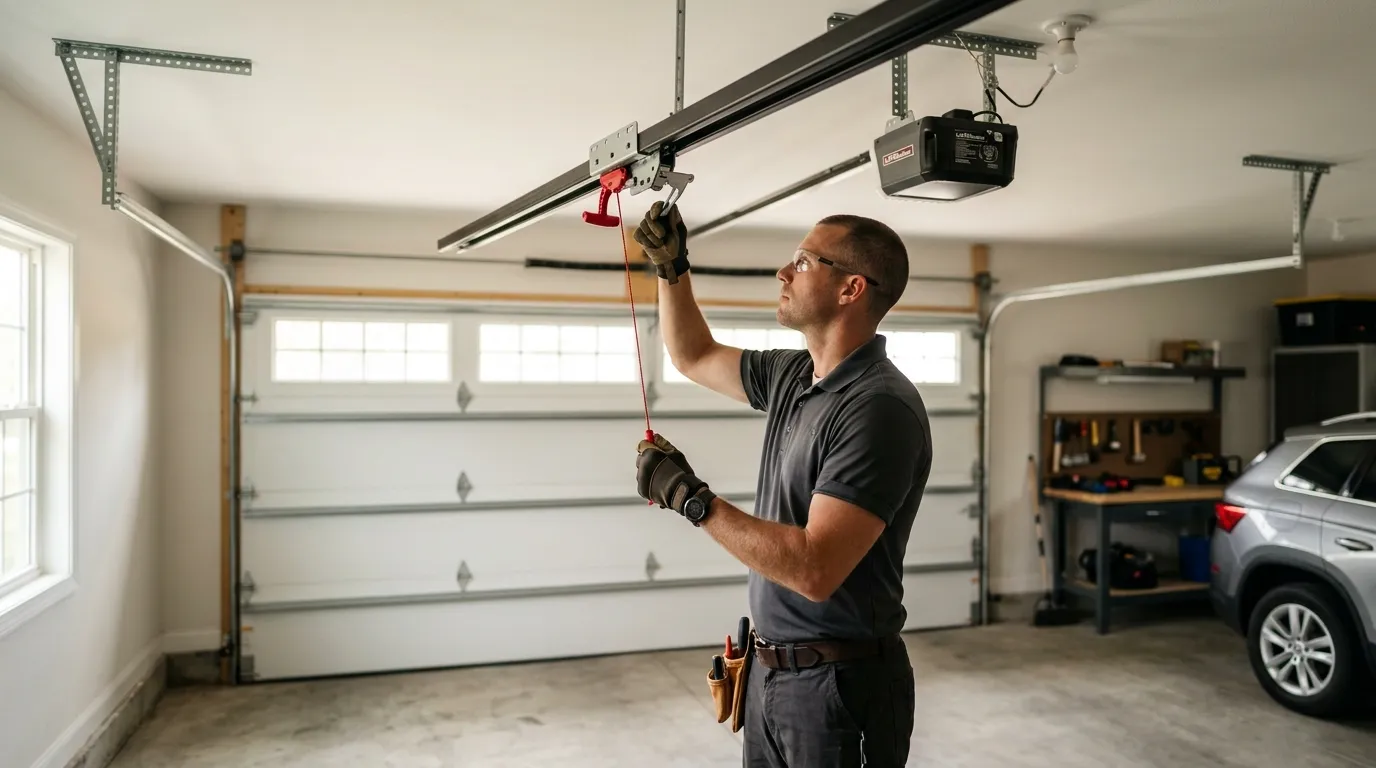
A single broken spring on a standard door, once we're on site with the right weight loaded, is usually the fastest thing we do. A door that's come off its rollers or a cable that's frayed through takes longer because we're inspecting the whole track for the bend or gouge that caused it, not just replacing the one broken part. Openers retrofitted onto older 1970s-era doors sometimes need the travel limits and force settings redone from scratch, since the original install often wasn't sized to the door's actual weight. We won't guess at a repair time over the phone before seeing the door - a rusted track hidden behind a panel can turn a 40-minute job into a two-hour one, and we'd rather tell you that in person than low-ball an estimate.
The DIY Question
A door that's merely off-balance or noisy is fair game for a homeowner with the patience to watch a few tutorials - lubricating rollers and hinges, tightening loose track bolts, that sort of thing. A door that's stuck because a torsion or extension spring has let go is not. Those springs are wound under enough tension to break bones, and on the extension-spring doors common to this era's homes, a failed spring often means the door is now unevenly supported and can drop without warning if someone tries to force it by hand. If the door won't move, or moves unevenly, that's the point to stop and call rather than reach for a ladder.