What Is on the Truck
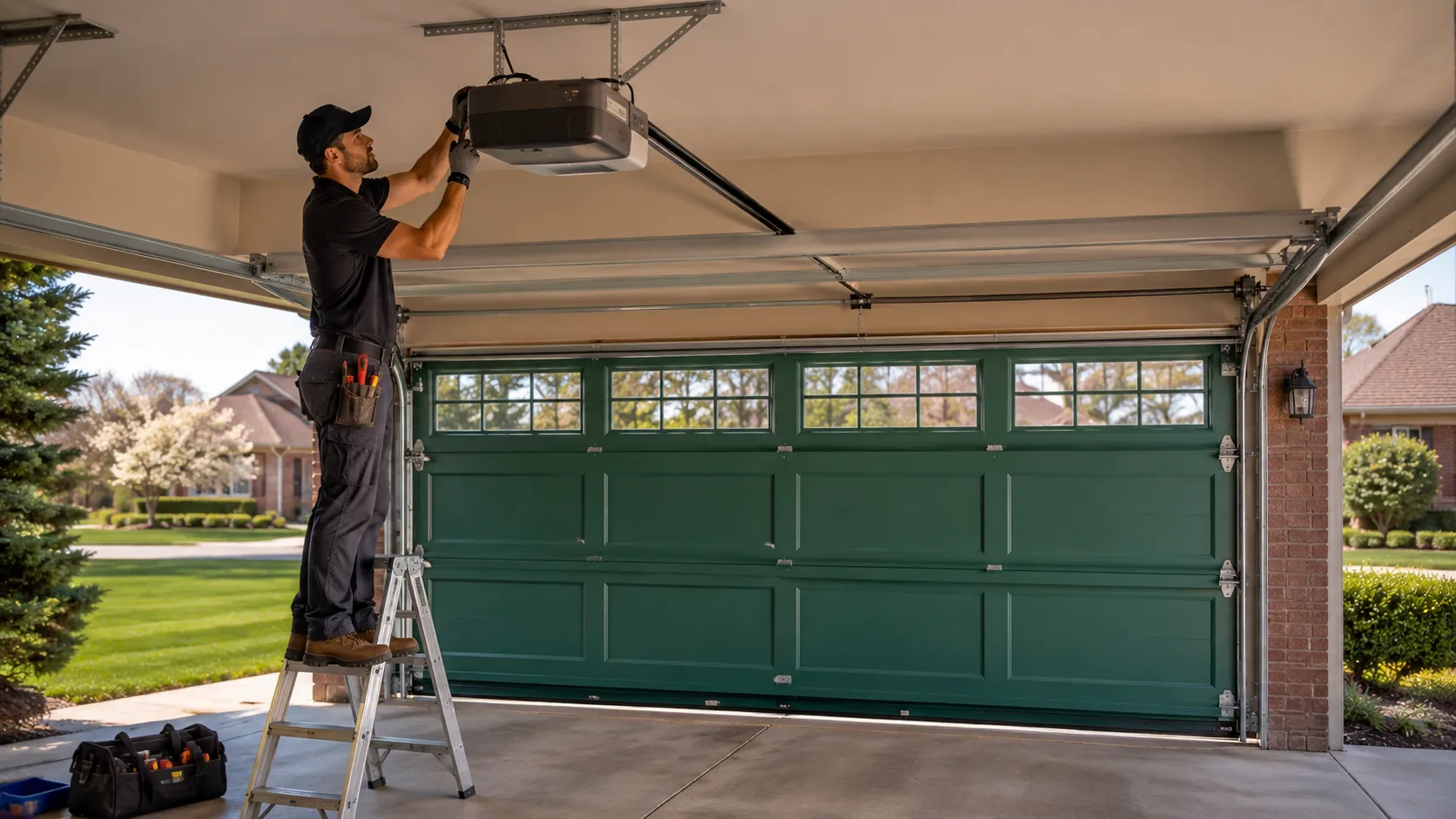
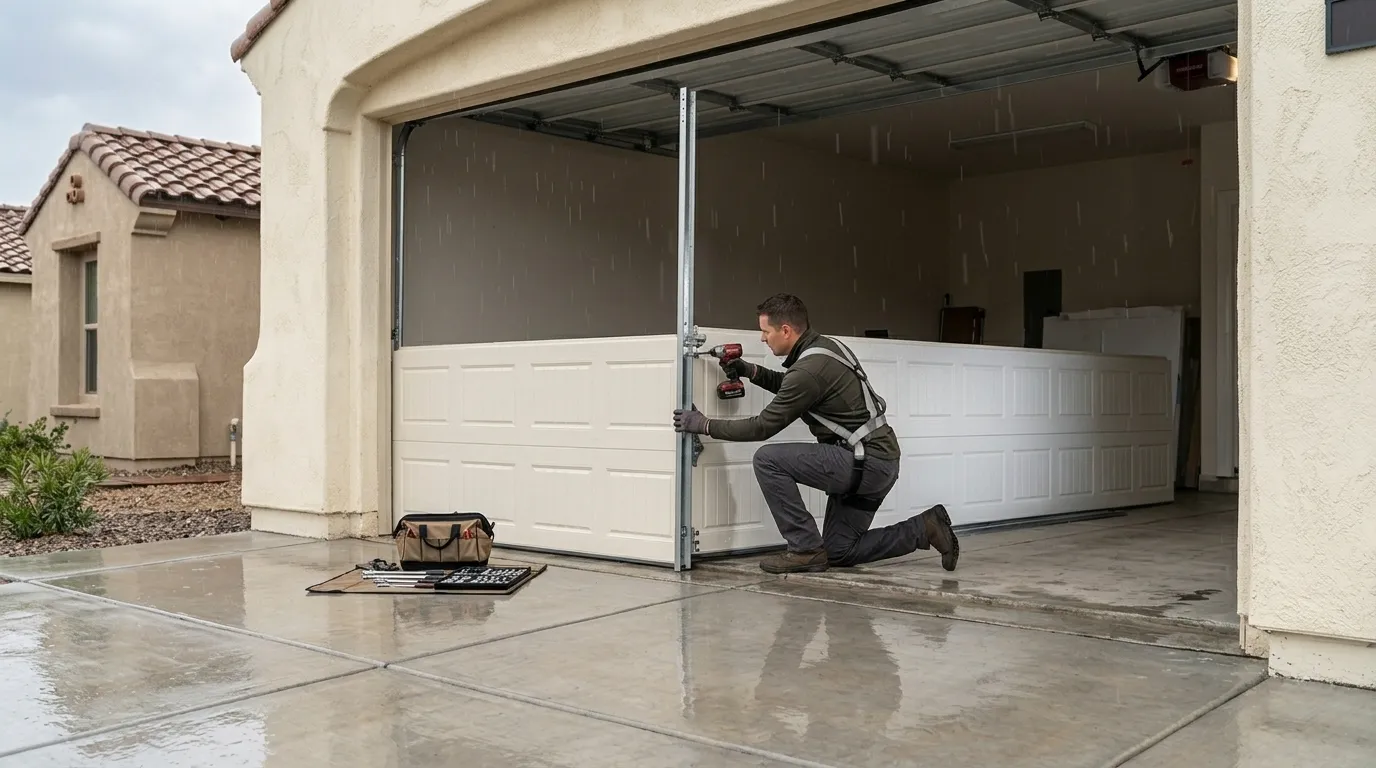
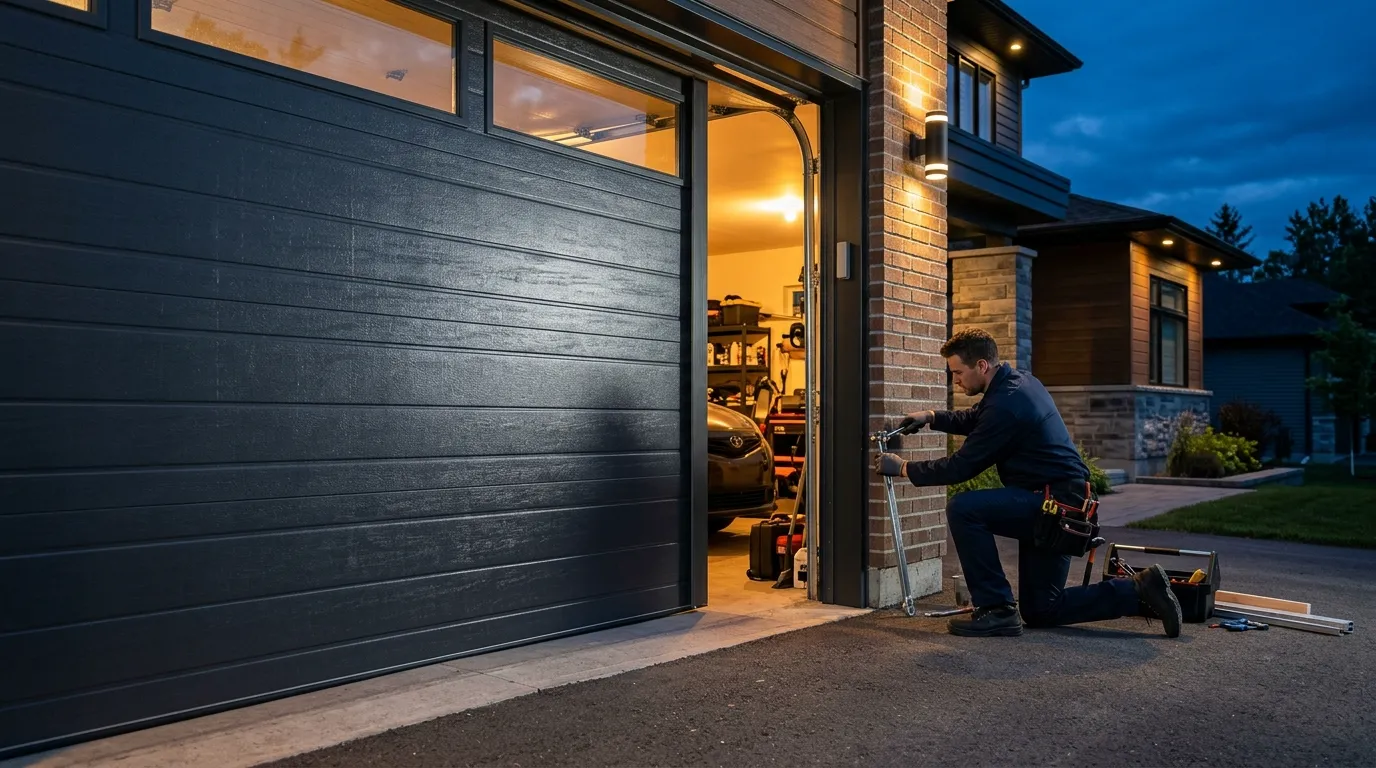
Deerfield Beach sits about 12 miles up from our Fort Lauderdale base, which is far enough that we don't send a truck out on a guess. Before anyone drives it, we ask what's actually wrong and stock the truck for it - springs in the sizes that fit doors from the 1970s building wave, the rollers and hinges that wear out on openers that age, and the extension and torsion hardware that shows up on houses built when this stretch of town went up. Median year built here runs around 1977, a touch newer than the wider service area's 1975 median, but it's still fifty-year-old steel on plenty of these garages. That means original tracks, single-piece doors on some blocks, and openers that have outlived at least one replacement cycle. We don't load the truck the same way for a house from 1977 as we would for new construction - the parts are different, the fasteners are different, and guessing wrong means a second trip. A 12-mile drive with the wrong spring in the truck is a wasted afternoon for you and for us, so we ask the right questions on the phone first.
How It Shows Up
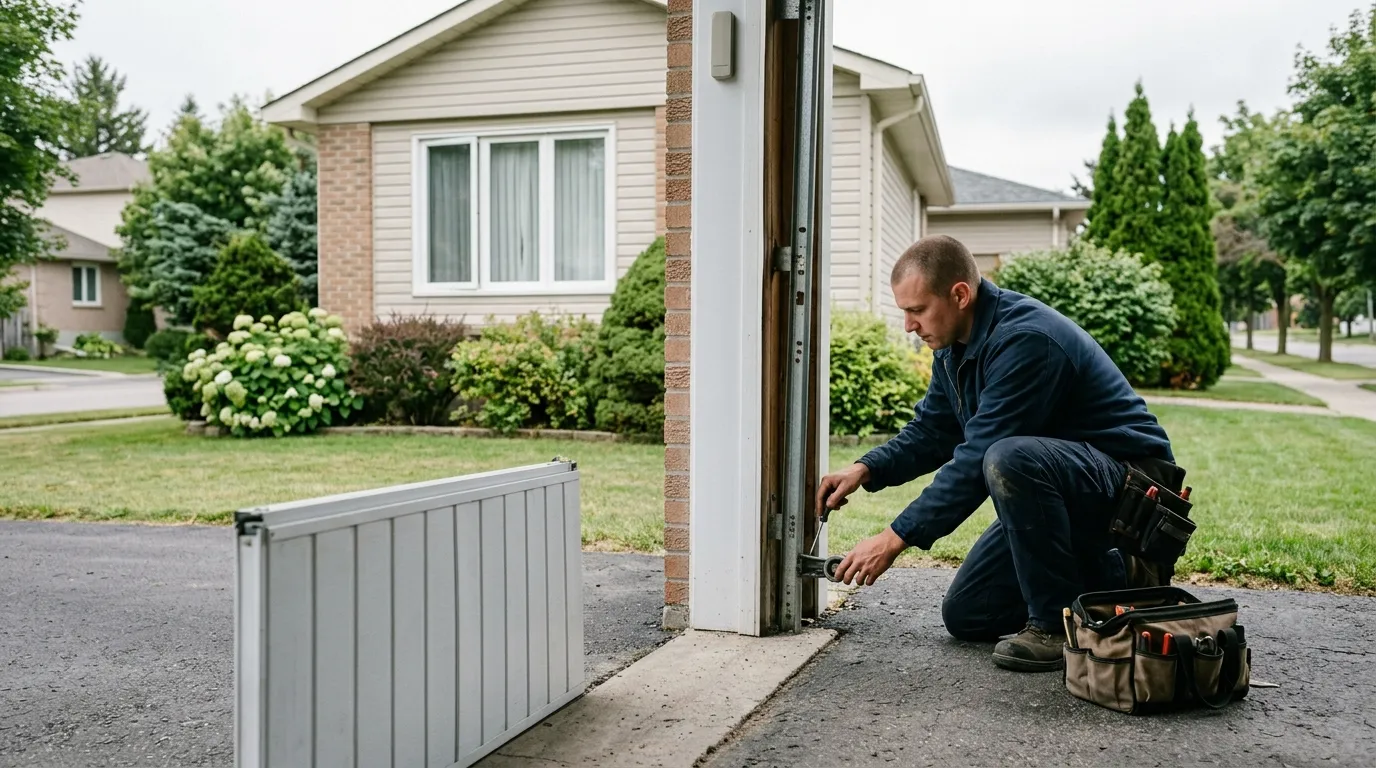
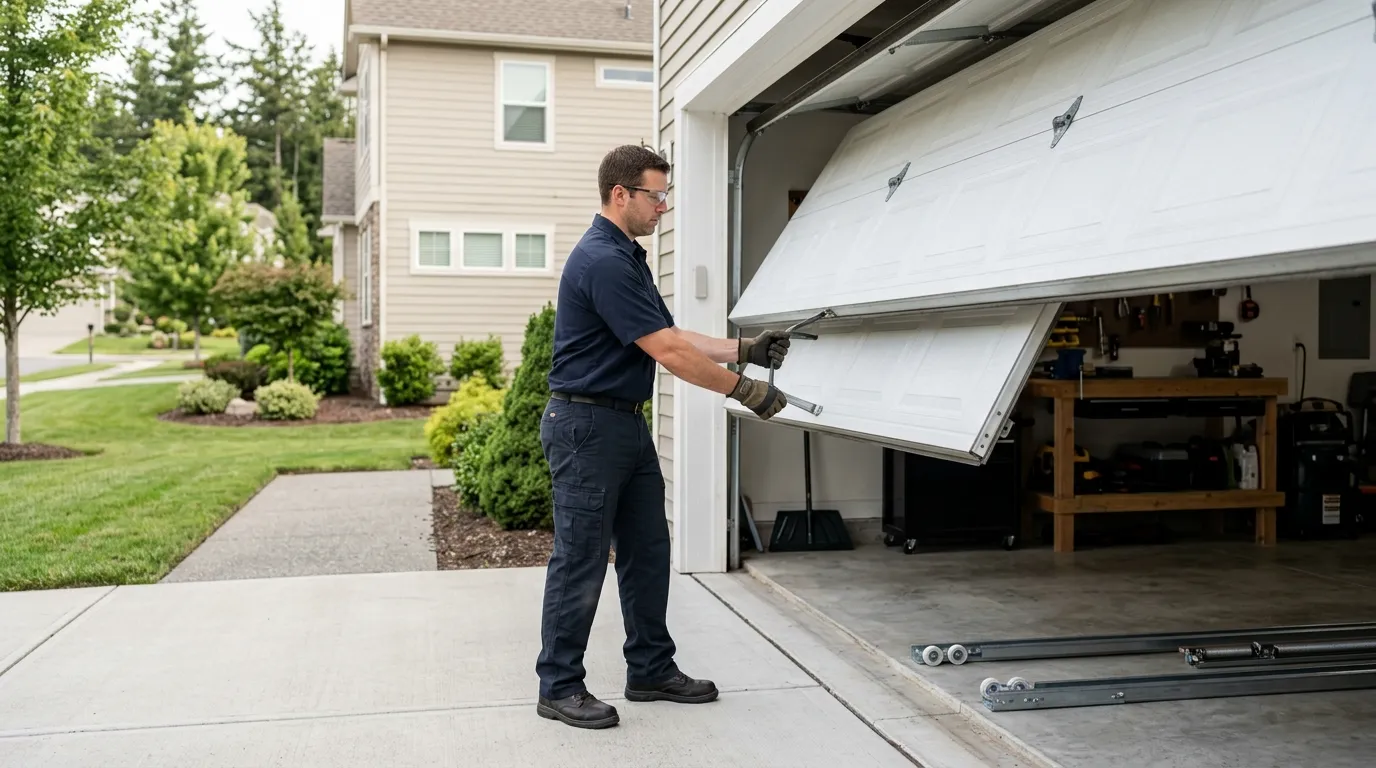
A call from Deerfield Beach usually isn't the first sign of trouble - it's the second or third. Mild coastal temperate weather here doesn't stress hardware the way freeze-thaw climates do, so what fails is age and cycles, not weather damage. Springs give out after years of lifting a door twice a day. Openers from the 1980s and 90s start slipping gears or refusing to reverse. Tracks that were fine for decades bend the day someone backs into them. Because the housing stock in this pocket clusters around a similar age, we see the same failure patterns call after call: original torsion springs going at once on both sides of a double door, or a single-piece door - heavier and less forgiving than today's sectional panels - dropping off its track. None of that is unique to any one street; it's a function of when the neighborhood was built and how long a garage door lasts under normal use.
What the Repair Takes
Most spring and opener jobs are a single visit - diagnose, fix, test, done. What can slow things down is parts availability for older hardware. A door built when this part of Deerfield Beach went up, around 1977, may run on a track width or spring size that isn't sitting on a shelf anymore. That's a real limitation: if your door needs a part that's no longer common, we may need to source it before we can finish the job, and we'll tell you that up front rather than promising a same-visit fix we can't back up. Full door replacements take longer to schedule since they involve measuring, ordering the door itself, and a second visit for install. We plan the 12-mile drive out here around what the job actually needs, not around a fixed slot, which is part of why we ask detailed questions before the truck ever leaves.
The DIY Question
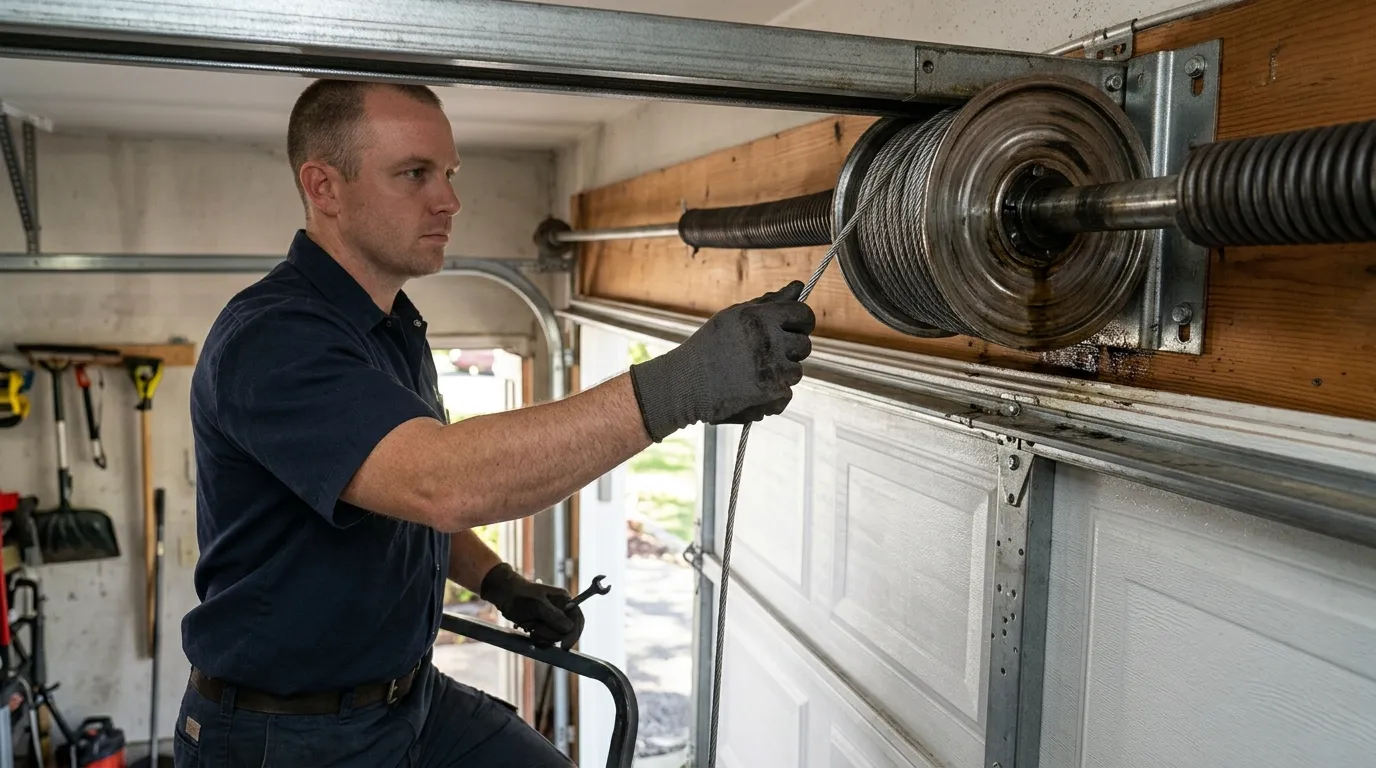
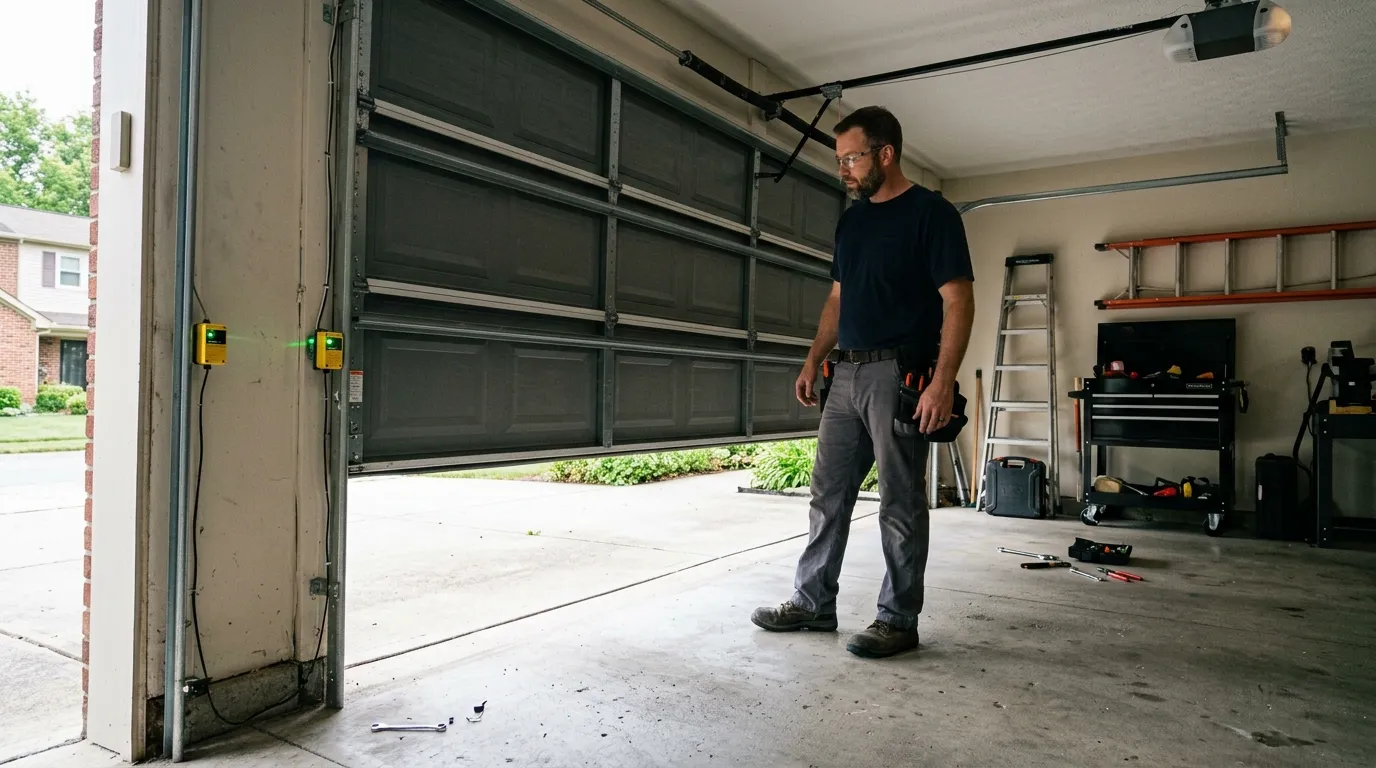
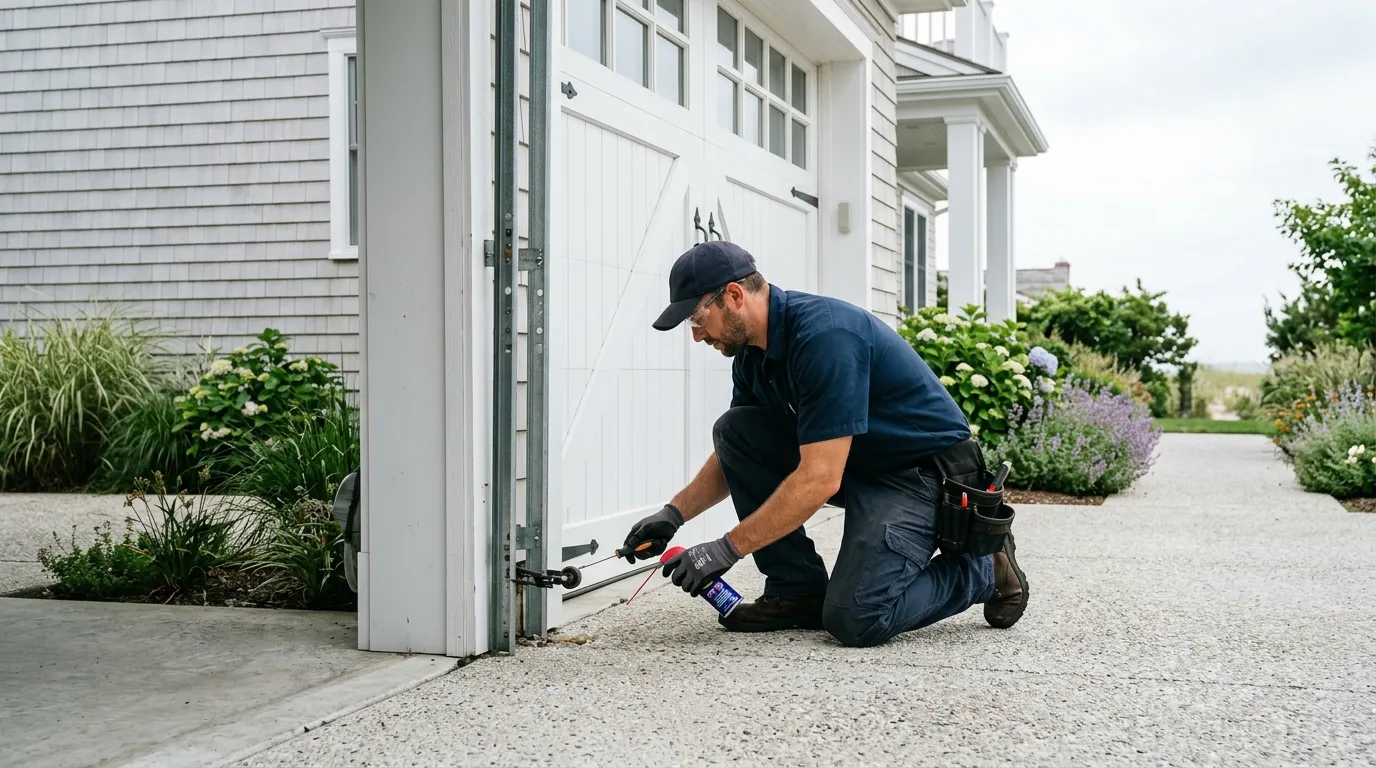
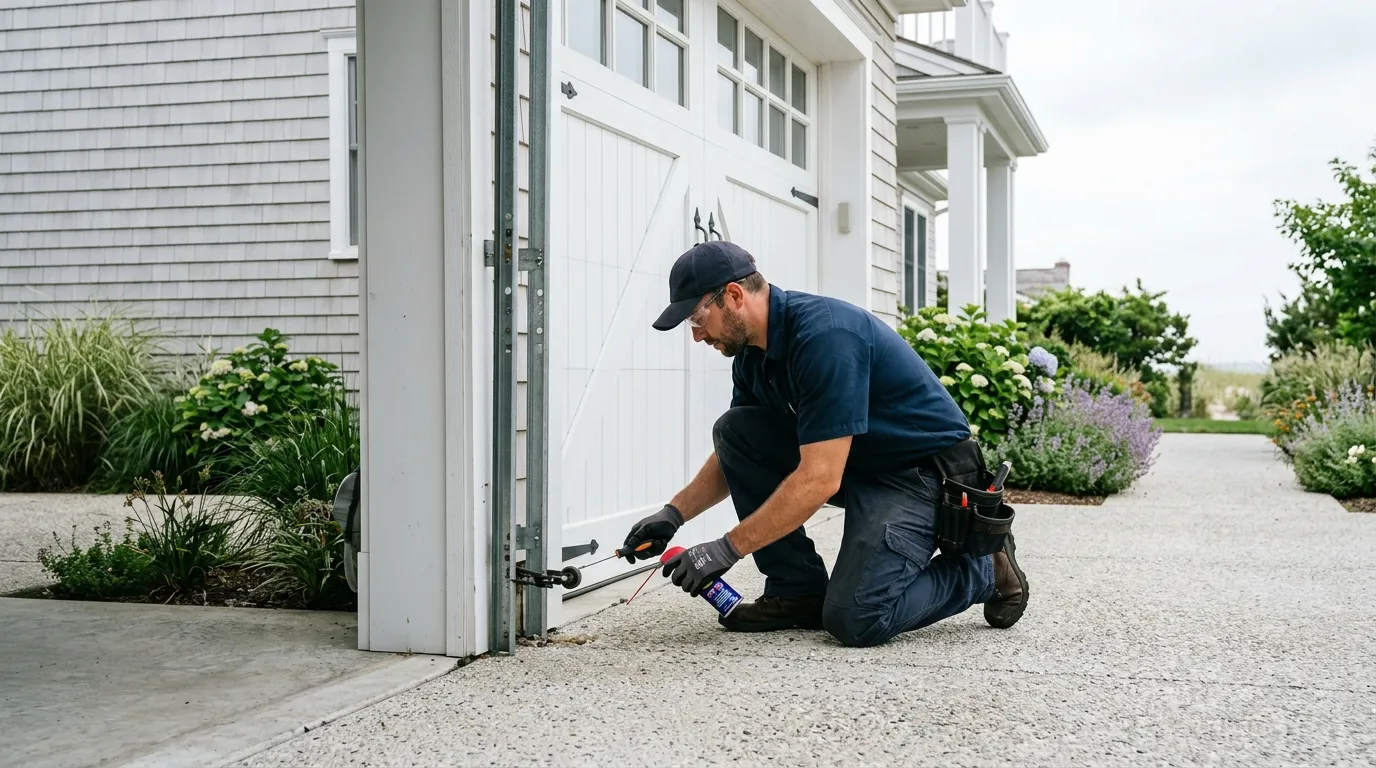
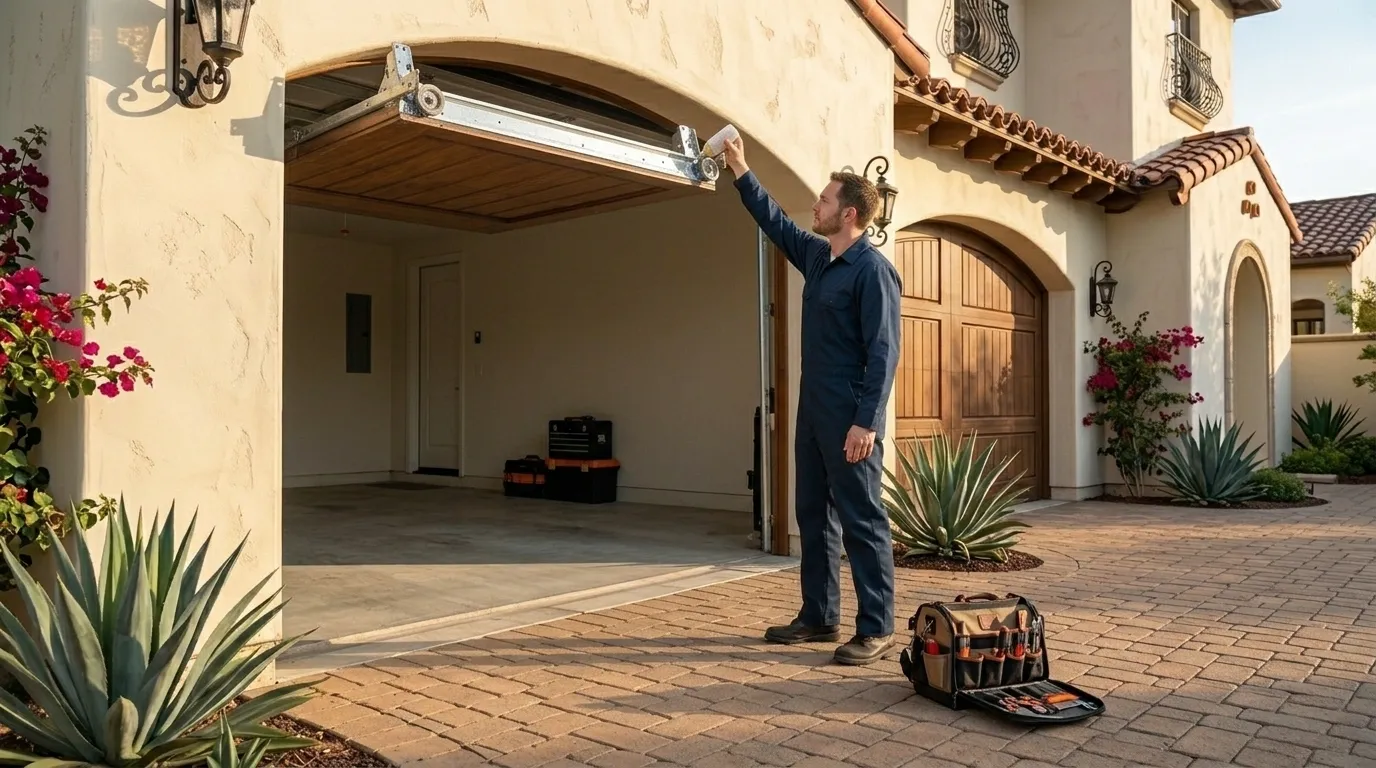
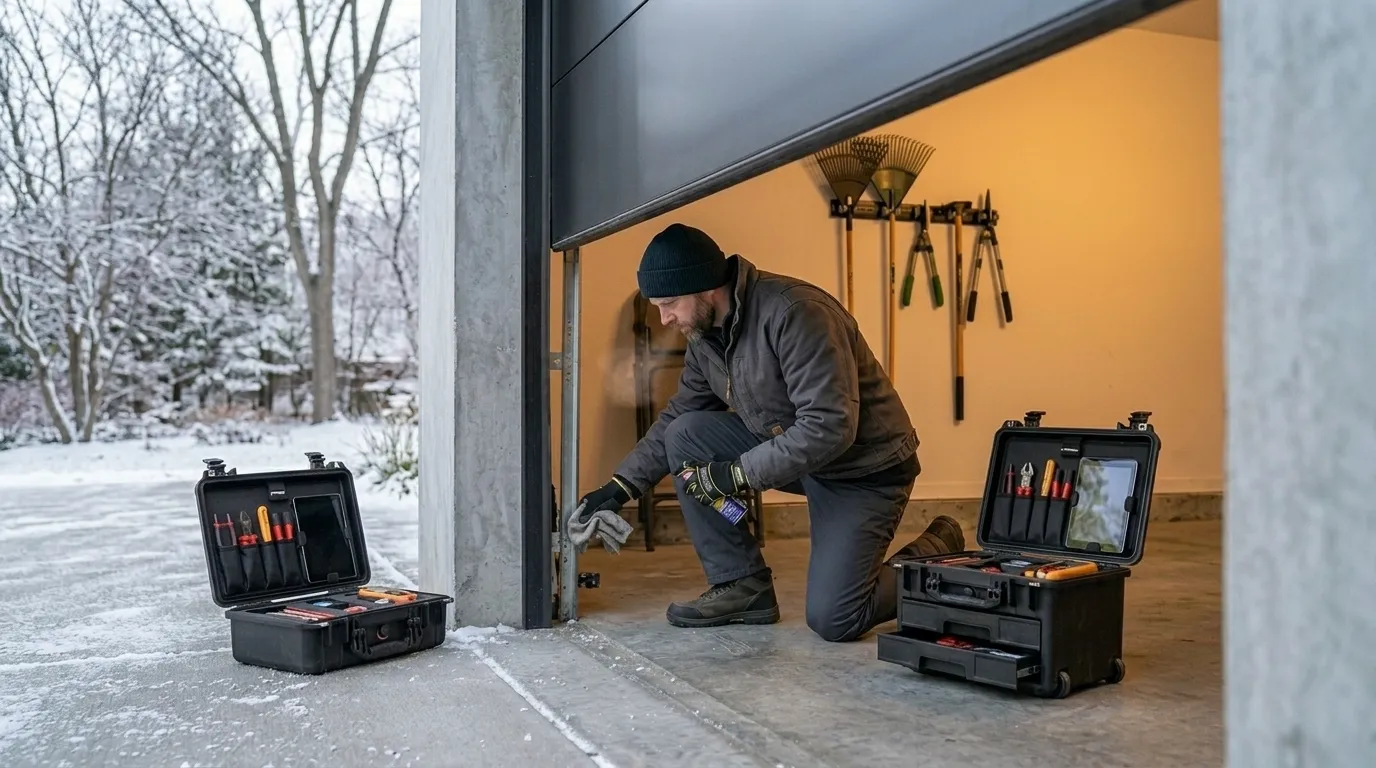
Some things a homeowner can handle - lubricating rollers and hinges, tightening loose hardware, clearing a stuck sensor. What we don't recommend touching yourself is anything involving the torsion spring under tension; on the older single-piece and torsion setups common on houses built through the 1970s and 80s in this area, that spring can cause real injury if it lets go while you're working on it. With 36,138 households in Deerfield Beach, a good number of these garages are original hardware from construction, and old tension springs are not a place to save money by guessing. If the fix is a bent track or a worn roller, a careful homeowner can often manage it. If it's the spring, the opener's internal gearing, or anything that involves the door coming off its track, that's a call worth making.