What You Pay
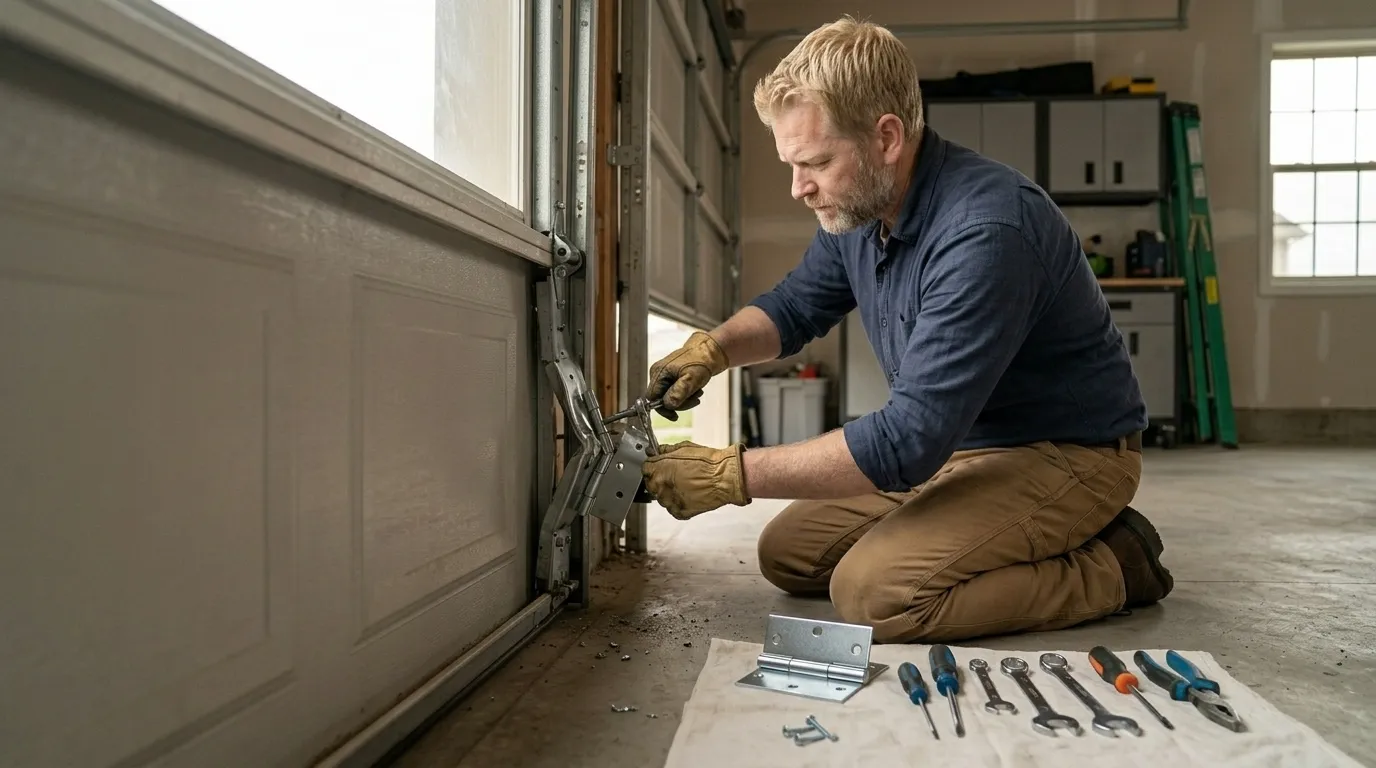
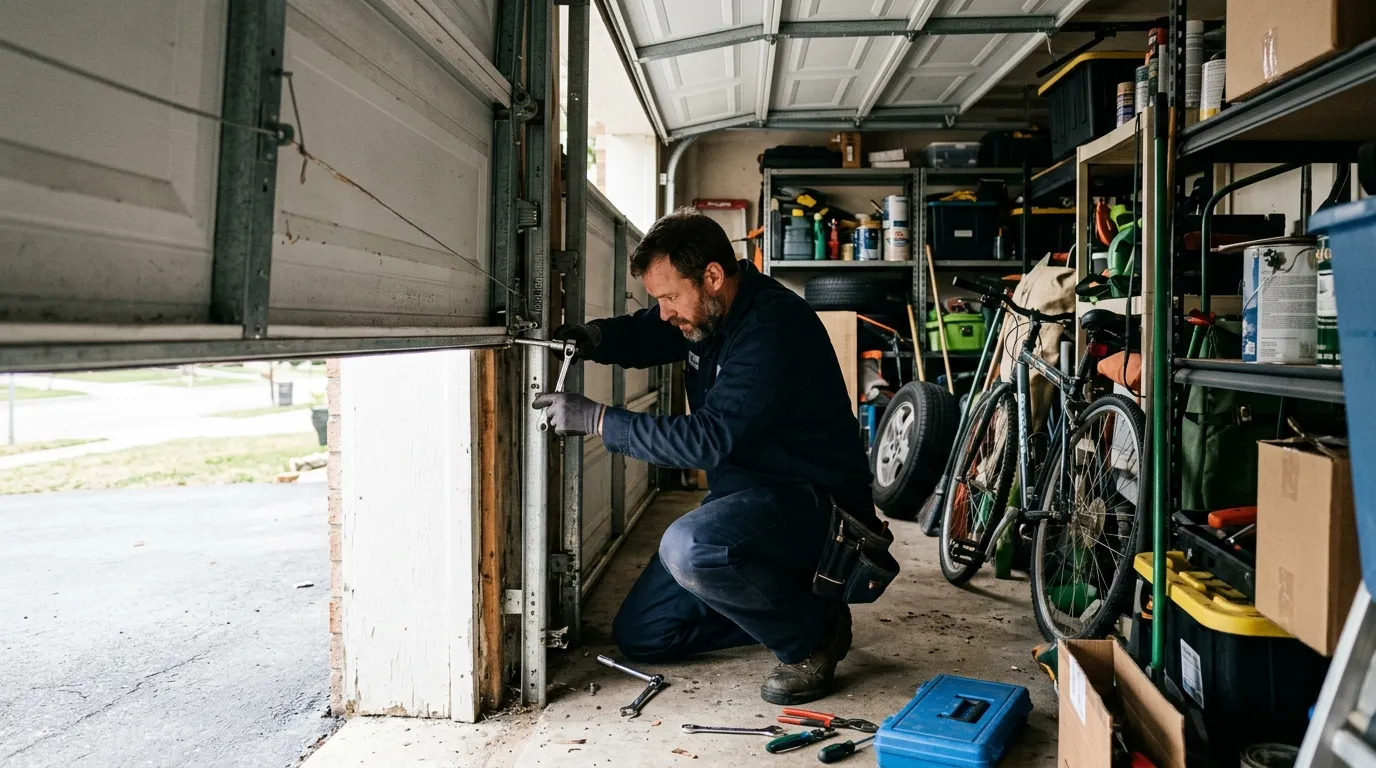
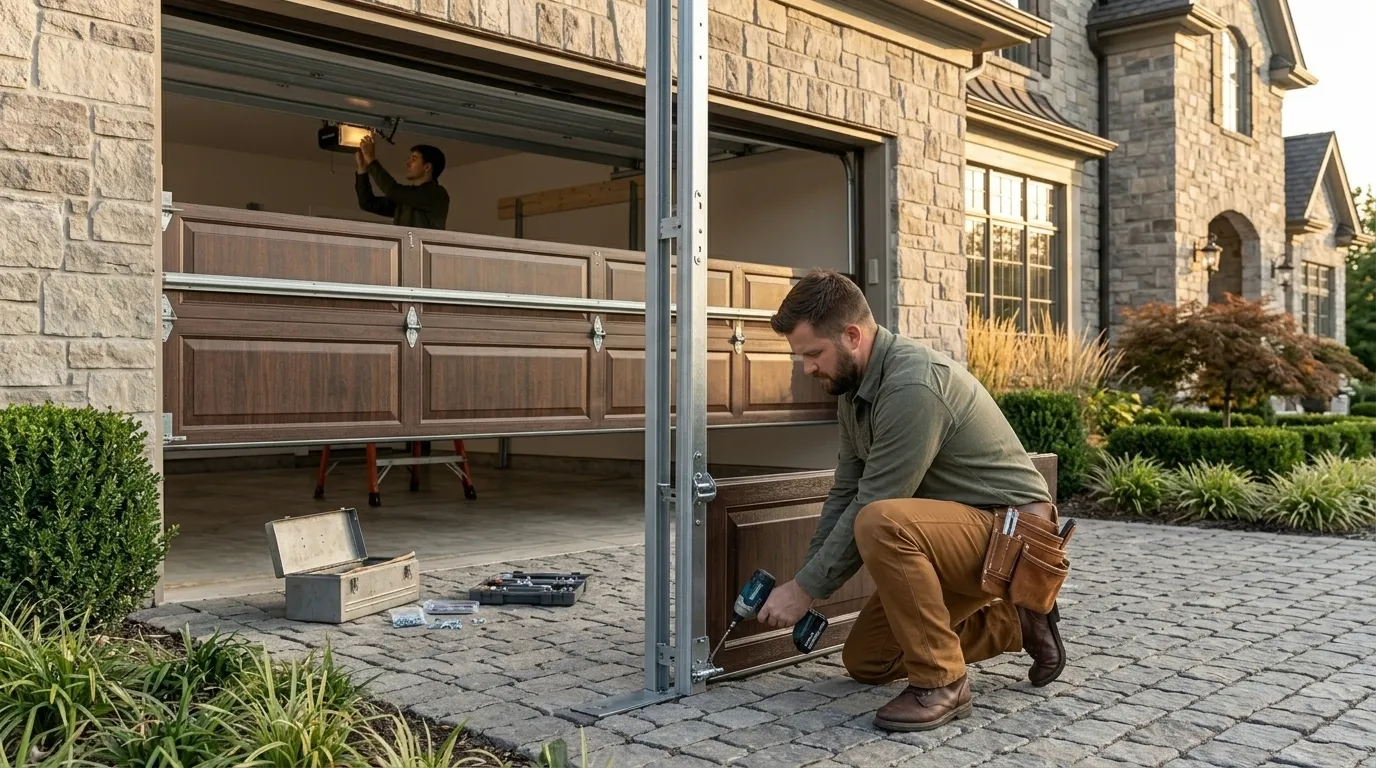
We don't post a flat number here because torsion spring jobs vary by door weight, spring wire size, and whether one spring failed or both. What we can tell you is what moves the number. A single-car door on a standard torsion spring is a smaller job than a two-car door built heavy enough to carry the wind load requirements common in this part of Florida. Double springs, extension spring conversions on older tracks, and drums that have to come off to get at a broken shaft all add labor.
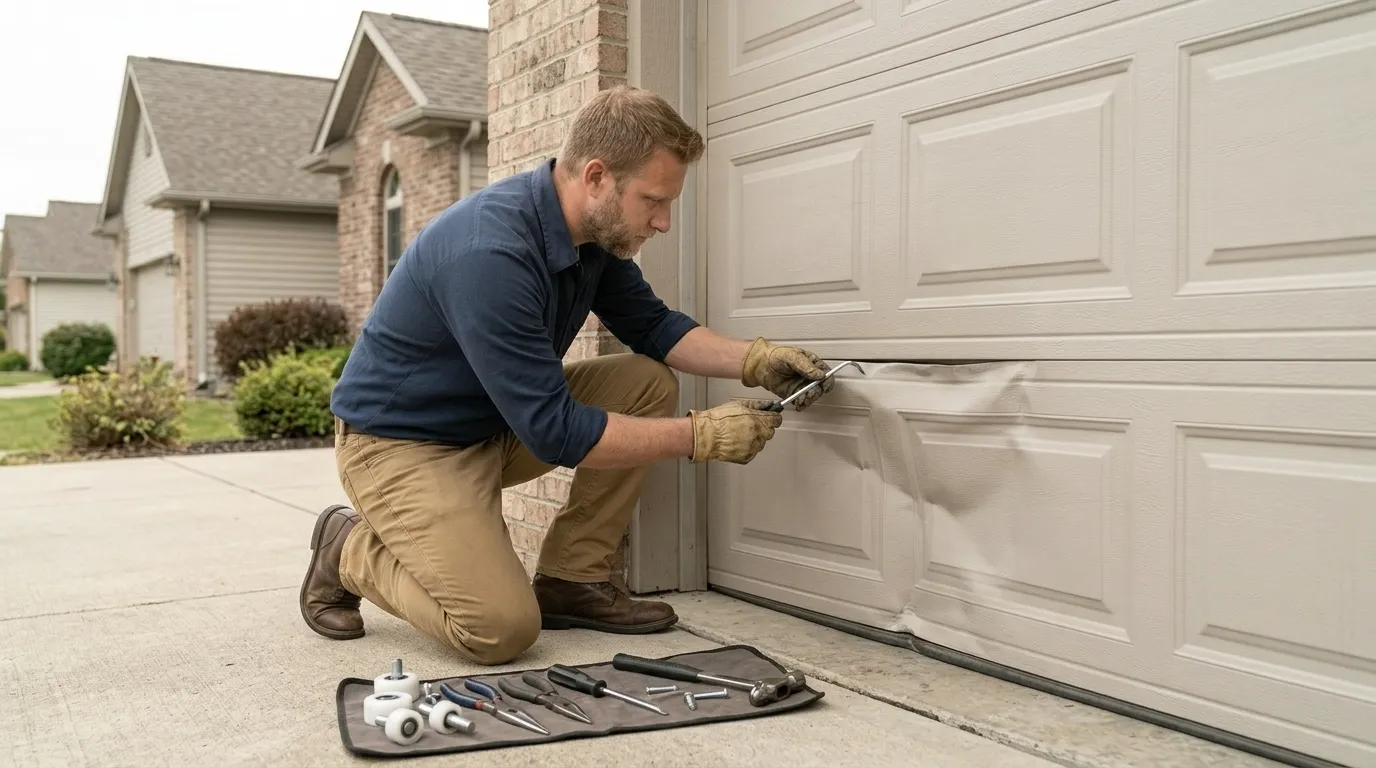
Household income across the service area sits around $62,201, and most jobs we quote land in a range homeowners in that bracket can plan for without it being a surprise. If a spring has been broken for a while and the opener kept forcing the door, you may be looking at a damaged top panel or bent track too - that changes the number, and we'll tell you before we start, not after.
The one thing we won't do is quote a spring repair over the phone sight unseen. Wire gauge and drum size matter, and guessing wrong either strands you mid-job or overcharges you for parts you didn't need.
Why This Fails Locally
Most of the housing stock across this service area went up between 1953 and 2005, with the bulk concentrated in the 1960s and 70s. That generation of garage doors and openers means a lot of original or first-replacement torsion springs are well past the point where wear is gradual - they're now failing outright, often without warning.
The mild temperate climate here doesn't stress springs the way a hard freeze-thaw cycle does further north, but it doesn't spare them either. Consistent heat and humidity accelerate corrosion on spring coils that aren't galvanized or that have lost their coating over decades of use. Salt-laden air moving inland from the coast adds to that, especially on doors that sit in a garage with poor ventilation.
Across 387,256 households and 107,368 owner-occupied houses in the service area, a large share of those are still running the same torsion hardware they had when the house was built or first sold. A spring rated for a certain cycle count doesn't know how old the house is - it just wears out. When it goes, it usually goes on a door that hasn't been serviced in years, which is exactly the profile of a lot of homes in Fort Lauderdale's older neighborhoods.
How It Shows Up
The classic sign is a loud bang from the garage, usually when nobody's touching the door - that's the spring letting go under tension, not the door itself failing. After that, the door either won't lift at all or the opener strains and stalls partway up because it's now trying to lift the full weight of the door alone.
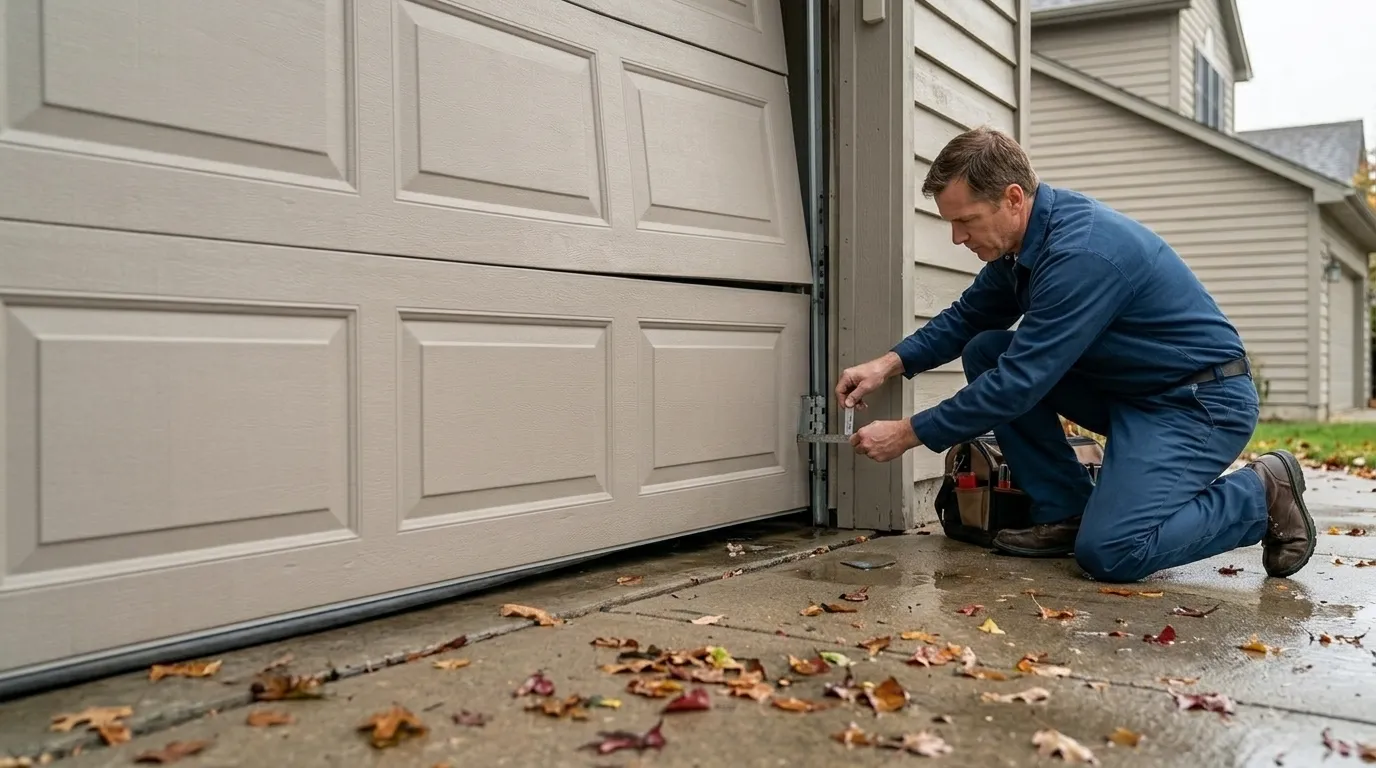
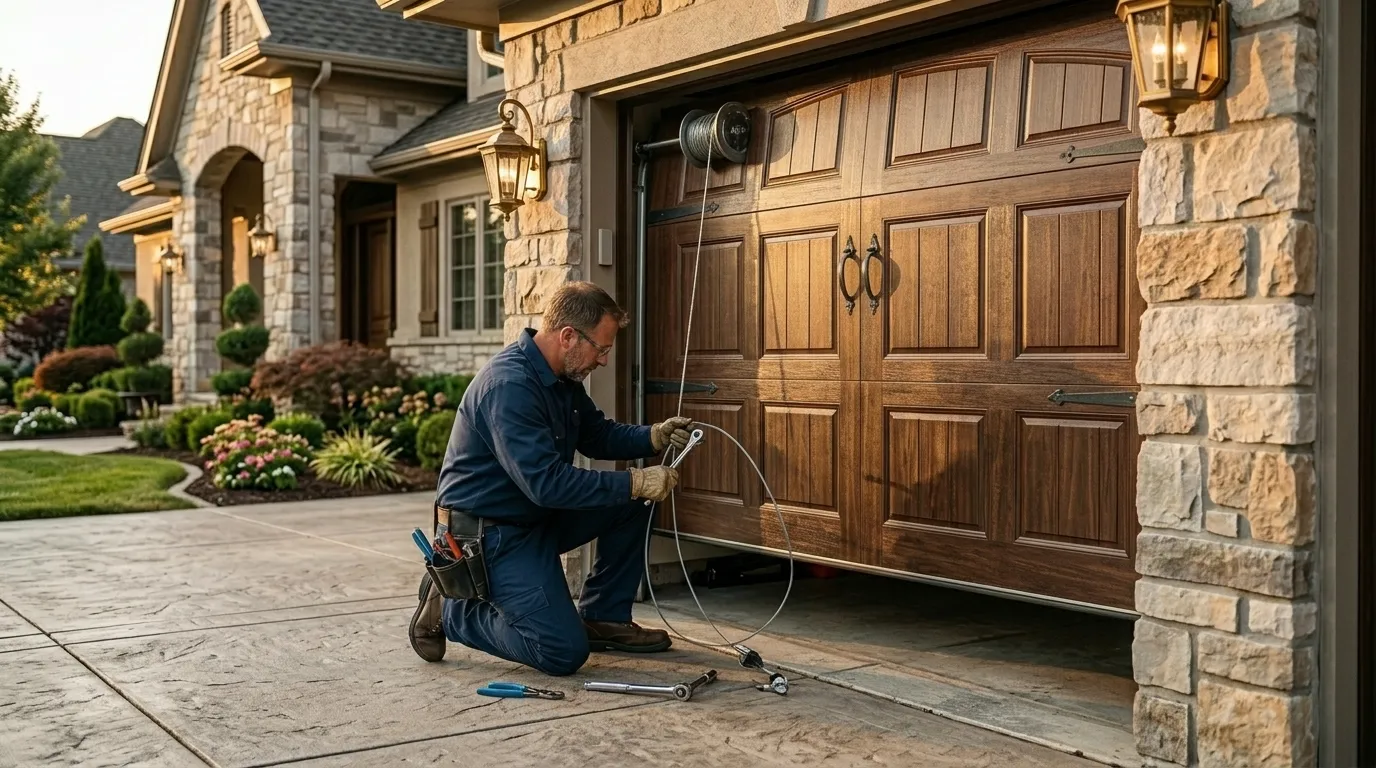
Sometimes it's slower: the door starts closing unevenly, dropping faster on one side, or the cables look loose and slack even when the door is shut. That's usually one spring going while the other is still partially holding. Left alone, the second spring takes on more load than it's rated for and follows the first one.
If your door has felt heavier to lift by hand over the past few weeks, or the opener has started making a straining sound it didn't used to make, that's a spring on its way out, not an opener problem. Don't keep running the opener through it - that's how a spring failure turns into a broken opener gear too.