What Is on the Truck
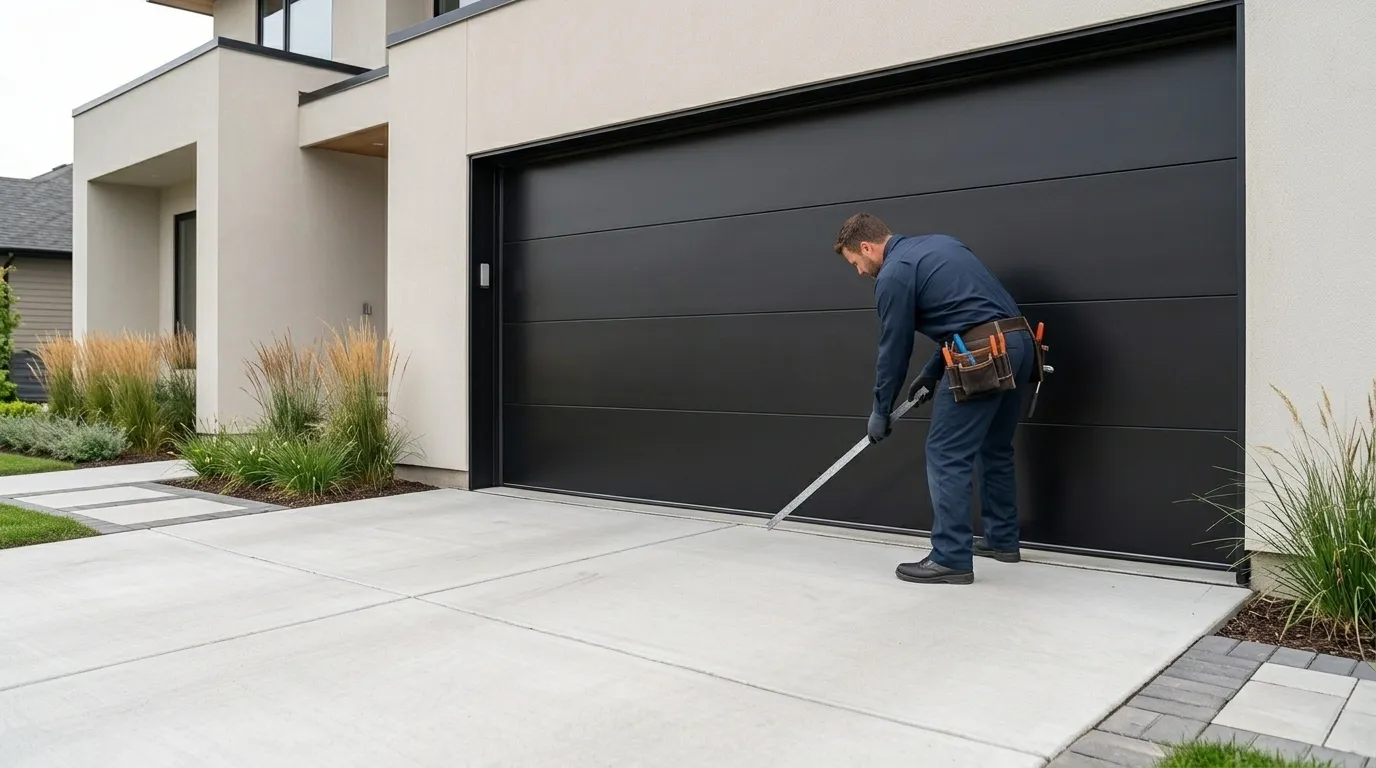
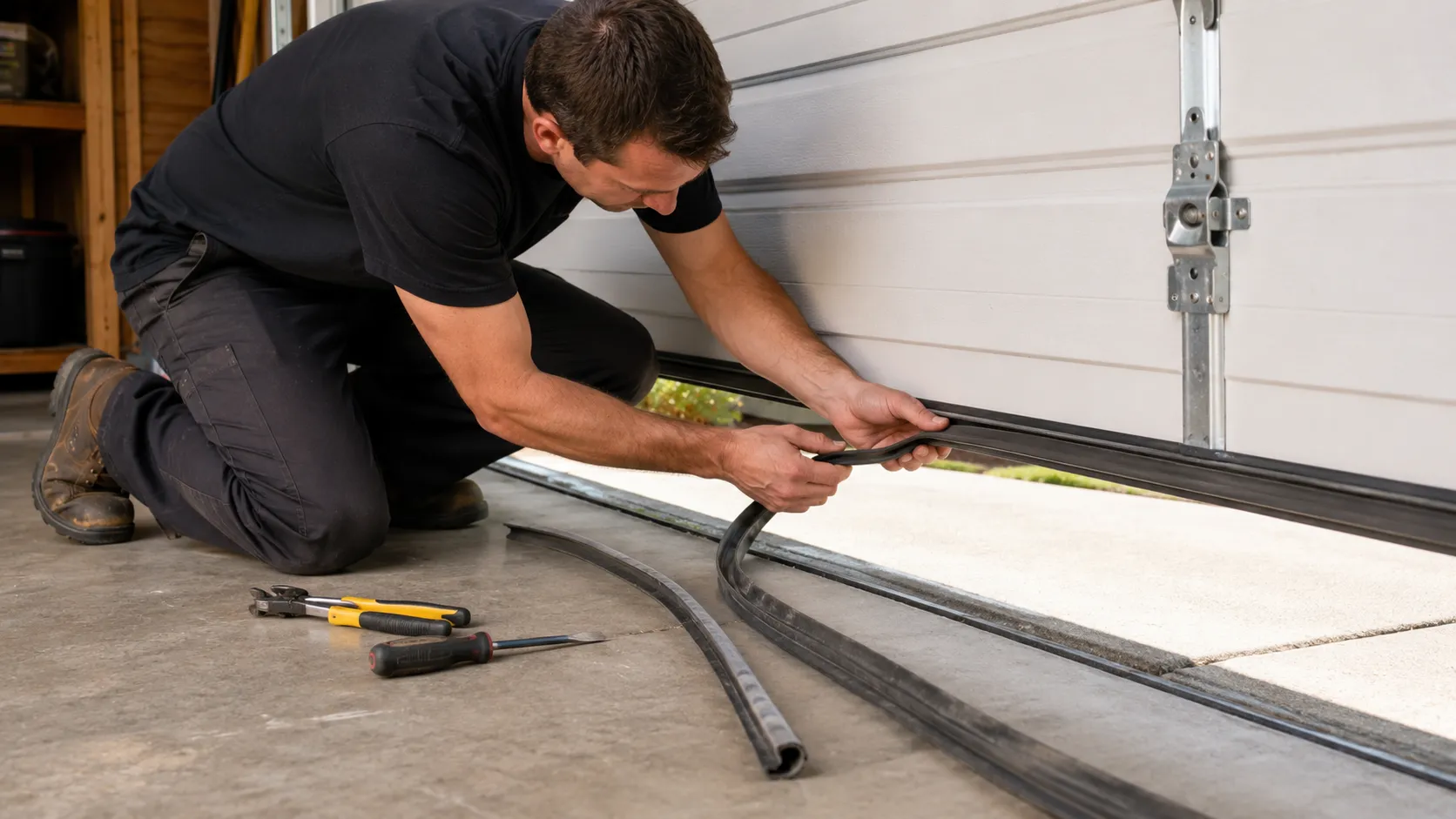
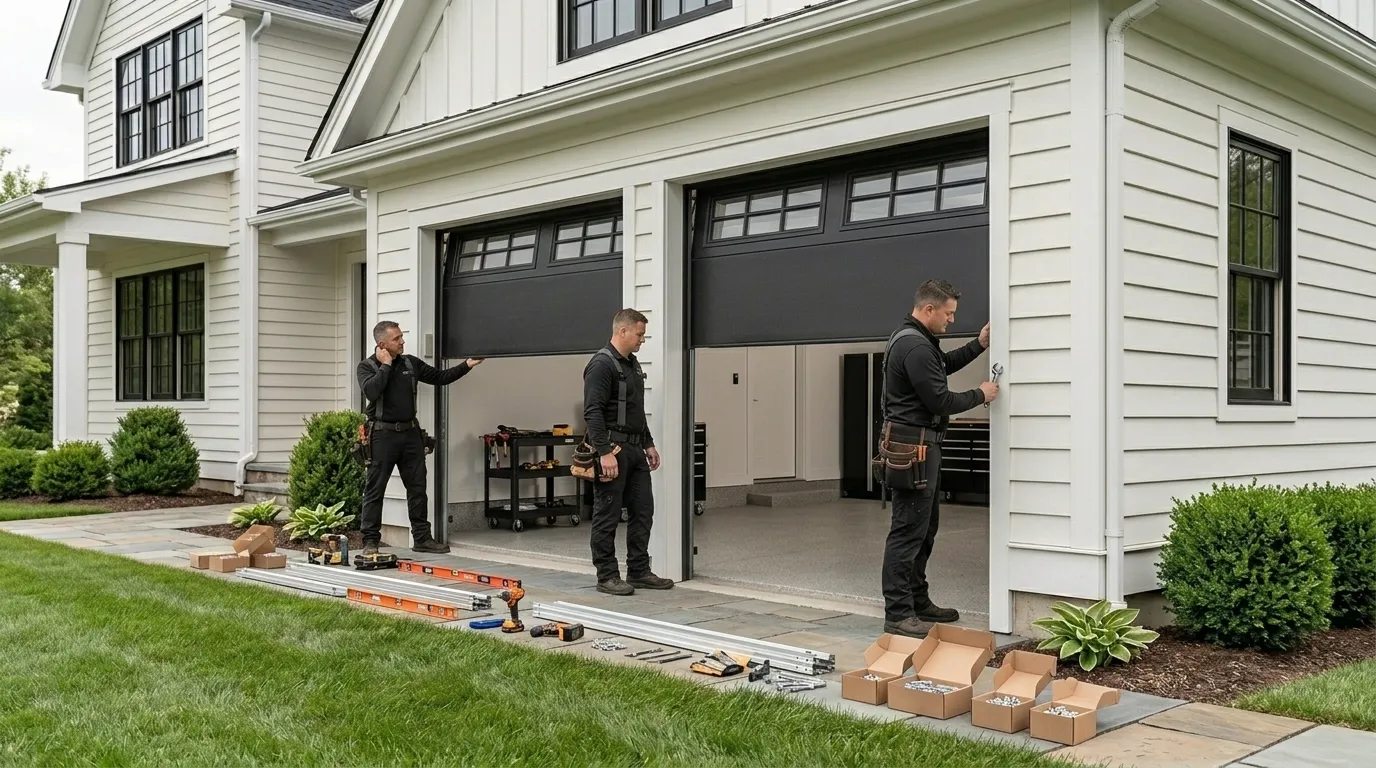
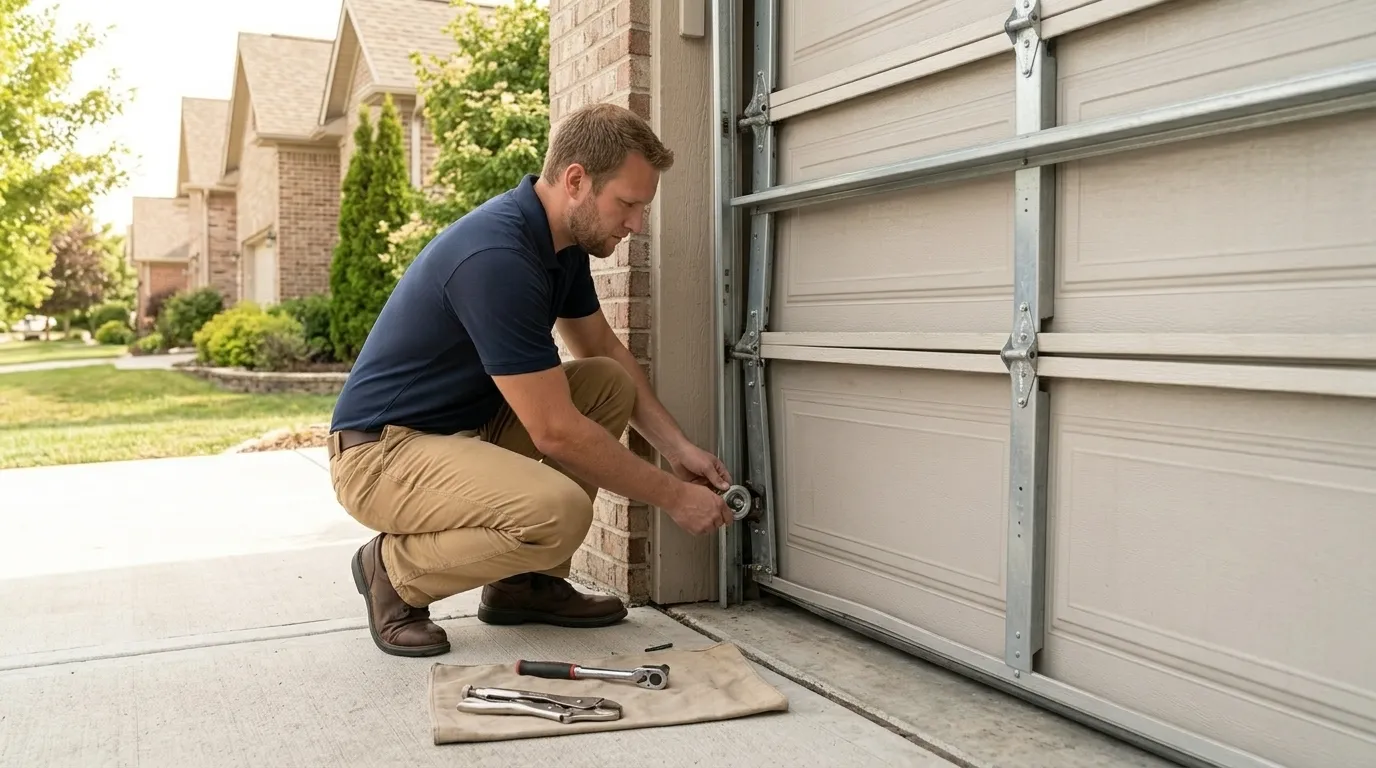
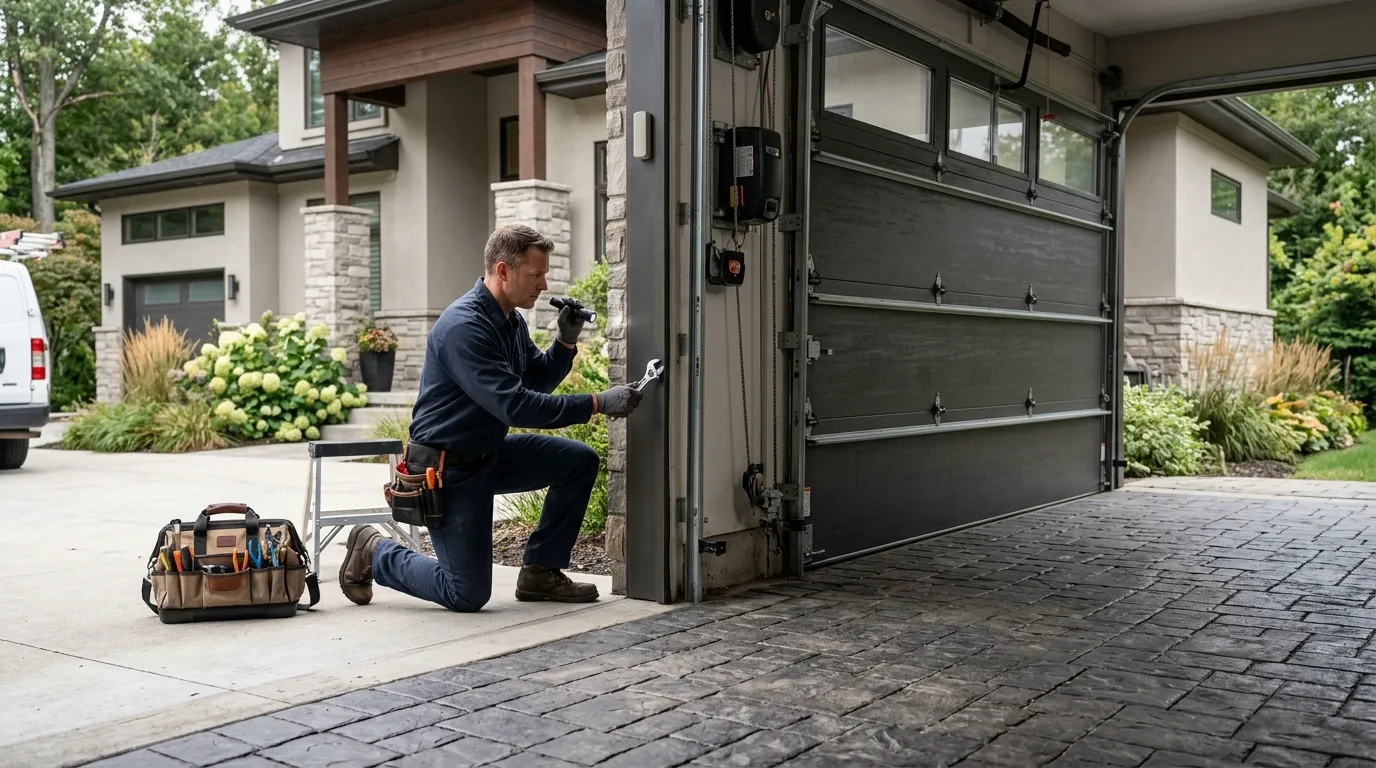
An off-track call in Deerfield Beach almost always means one of three things: a roller that's worked loose from a bent or spread track, a cable that's snapped and let the door lean sideways in the opening, or a bottom bracket that's pulled away after years of the door slamming down on a worn spring. We carry replacement rollers, sections of steel track, and cable in the lengths that fit the door sizes common on this side of the county. Most houses here went up around 1977, a bit newer than the wider service area's 1953-2005 spread, which means steel roll-up doors on galvanized track rather than the older wood-panel setups you'll find on the oldest blocks closer to Fort Lauderdale proper. That narrows what we load before we leave the shop. We don't stock every obscure bracket for a discontinued opener, so if your door is an odd import model we may need to order a part, and we'll tell you that on the phone instead of guessing at the driveway. The mild coastal climate here doesn't rust out track hardware the way a harsher climate would, so when we find heavy corrosion on a 1977-built door, it usually points to a irrigation line or gutter problem, not just age.
How It Shows Up
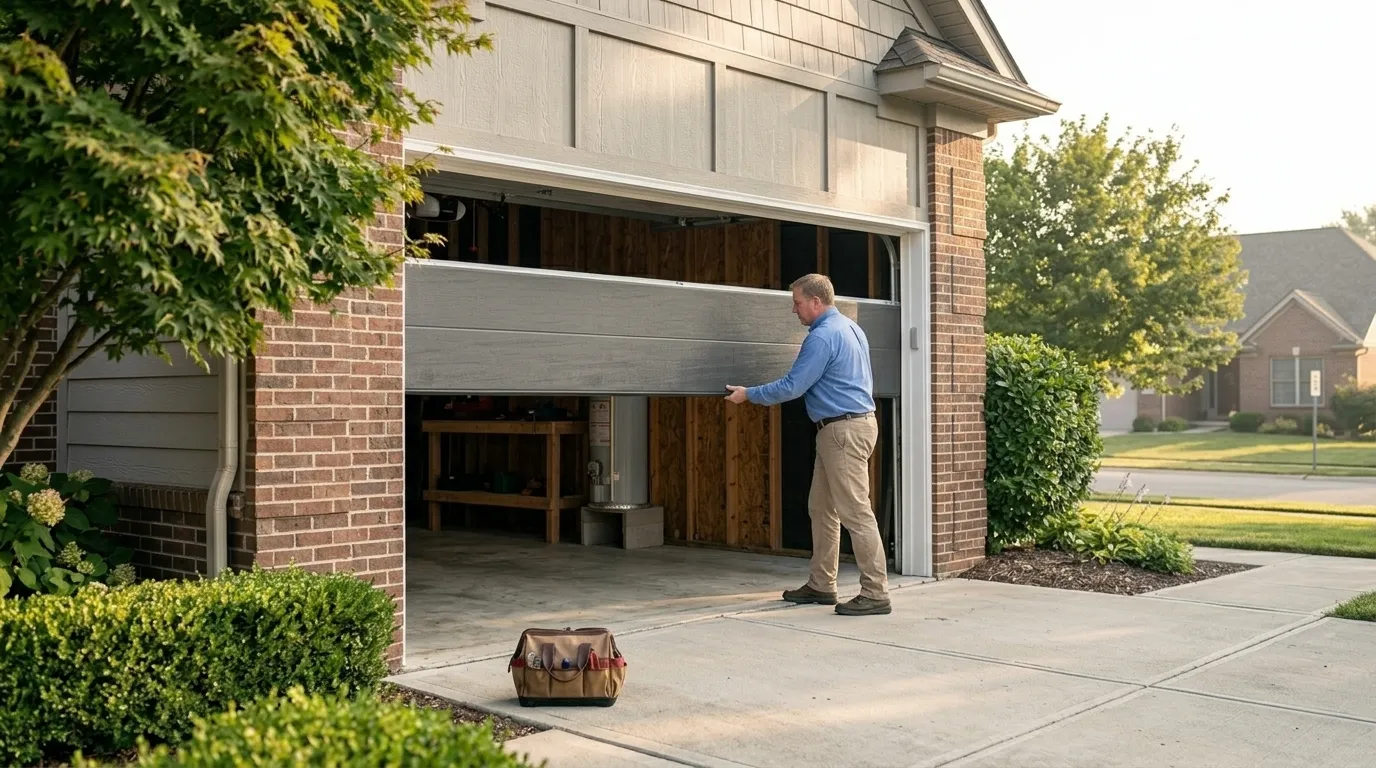
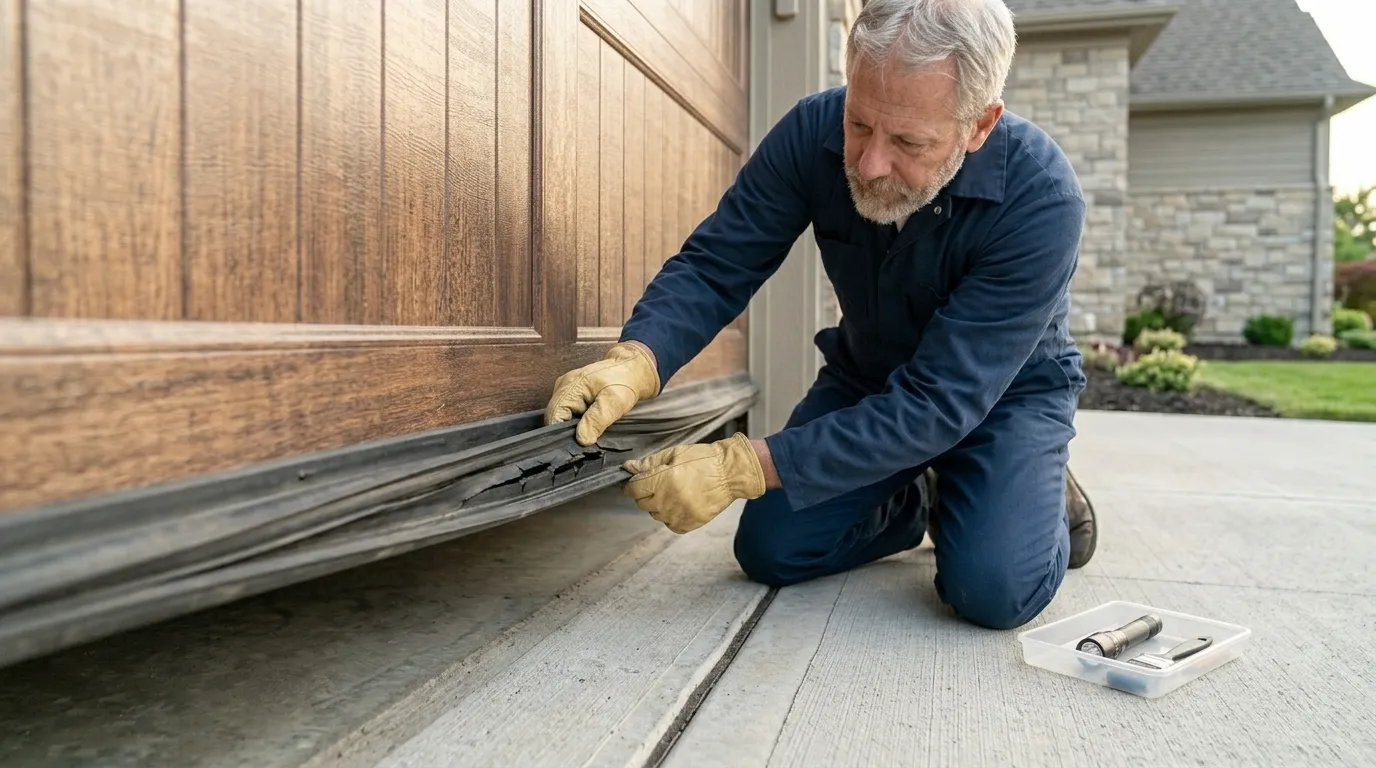
The door usually still opens partway, then jams, grinds, or drops crooked. Sometimes it's obvious: one side of the door hangs lower than the other, or you can see daylight between the roller and the track. More often it starts quiet. The door rides a little rough for a few weeks, a roller squeaks on the way up, and then one morning it jumps the track entirely and won't move. On the roughly 36,138 households across Deerfield Beach, that gradual wear pattern tracks with the housing age here - a door installed when the house was new in the late 1970s is now on its second or third set of rollers, and the track itself has taken forty-plus years of expansion and contraction. If the door came off track after a hard stop or a car backing into it, that's a different kind of damage: bent track from an impact needs to be replaced, not bent back, because reshaped steel never sits flat again. Either way, don't keep hitting the opener button once the door is off track. Every cycle it can't complete puts more strain on the opener's drive gear and on whichever cable is still holding weight.
What the Repair Takes
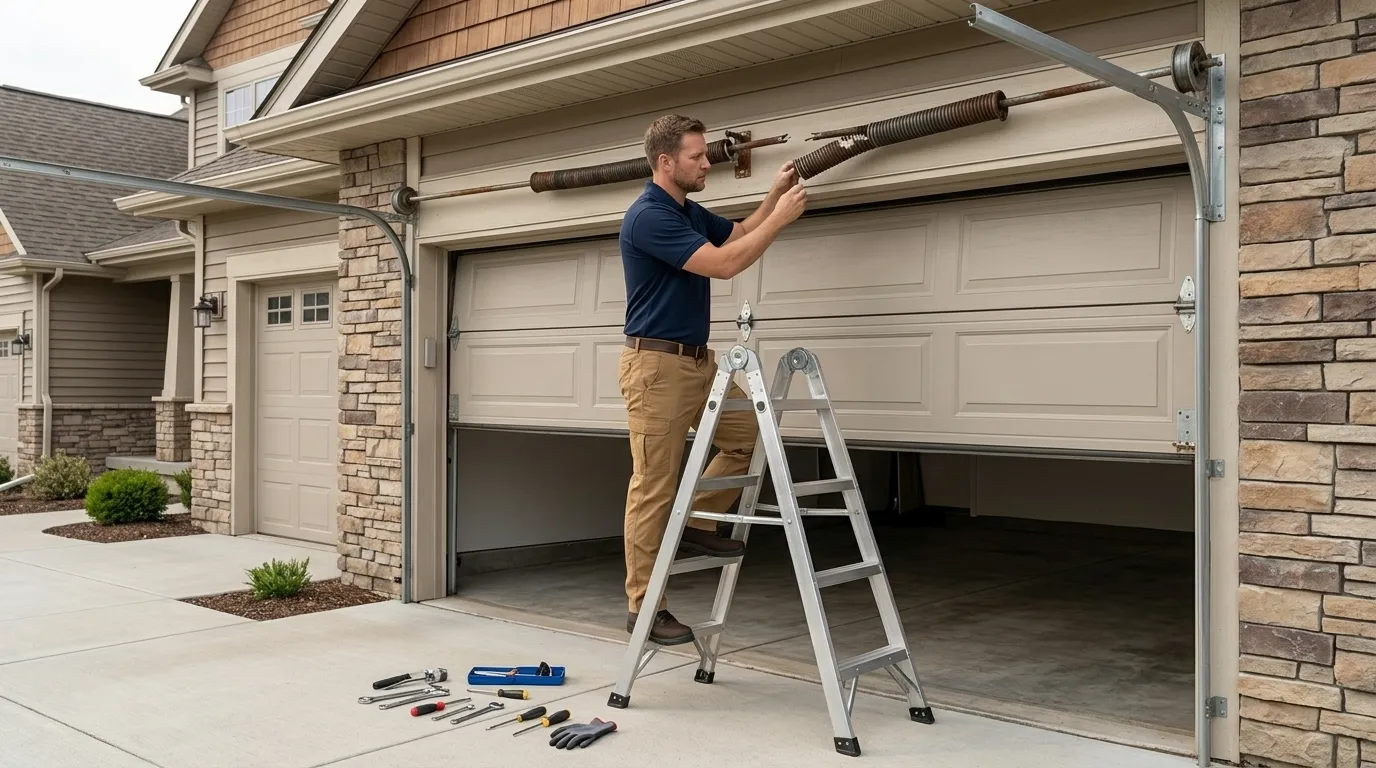
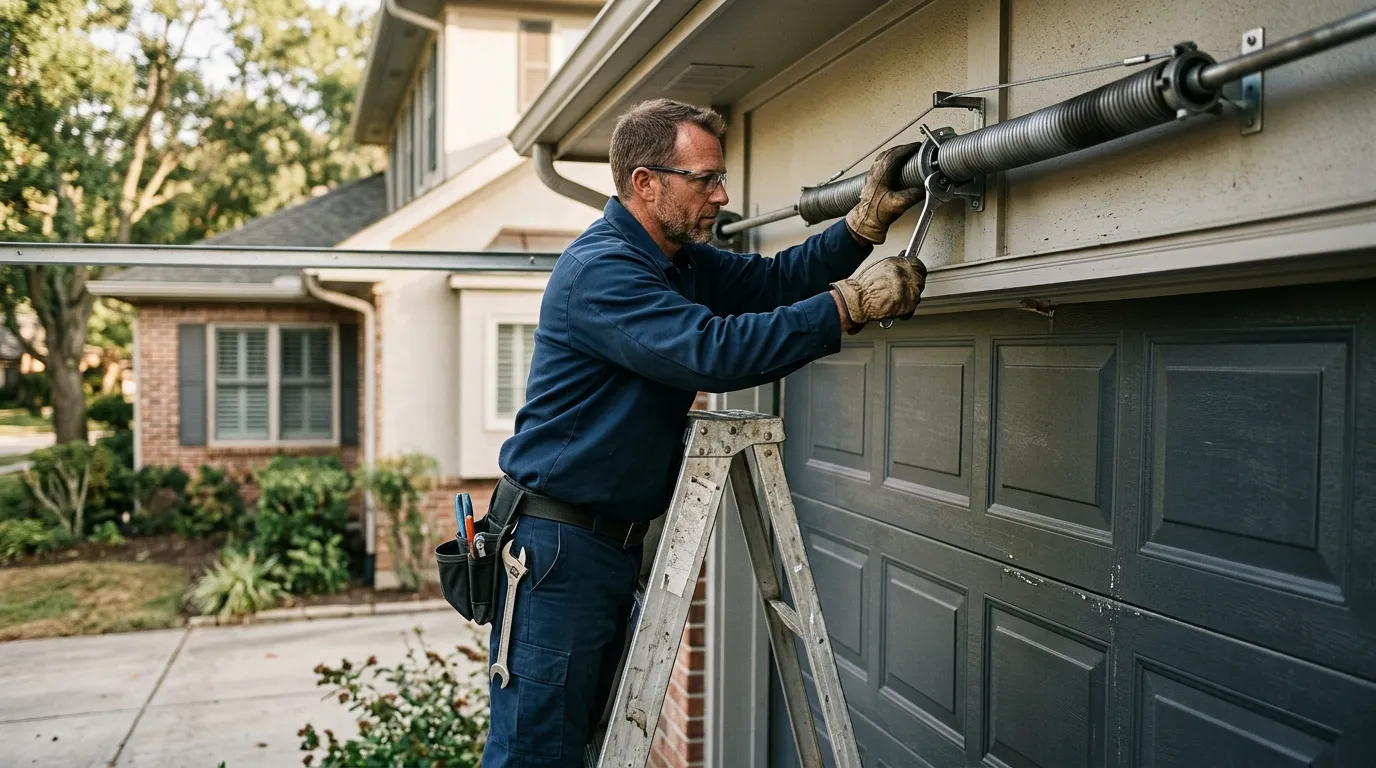
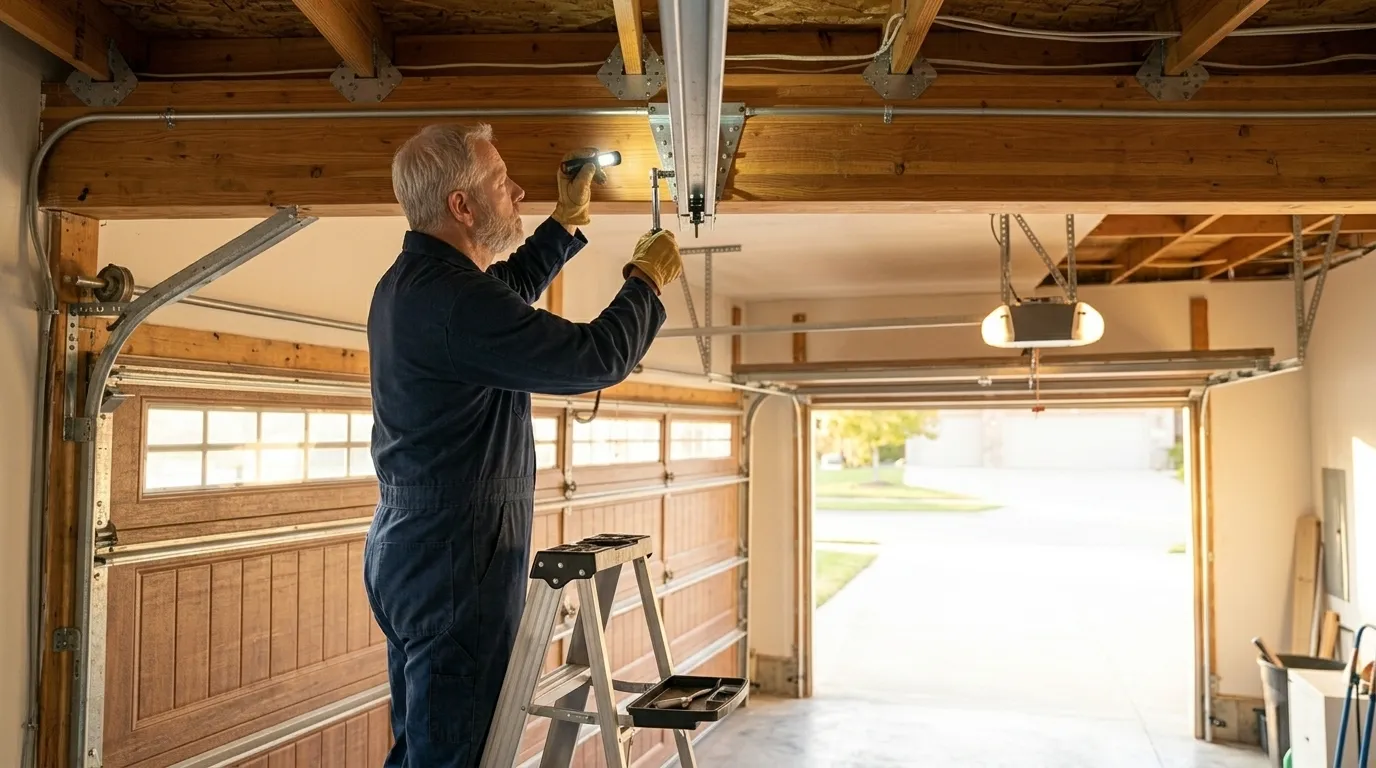
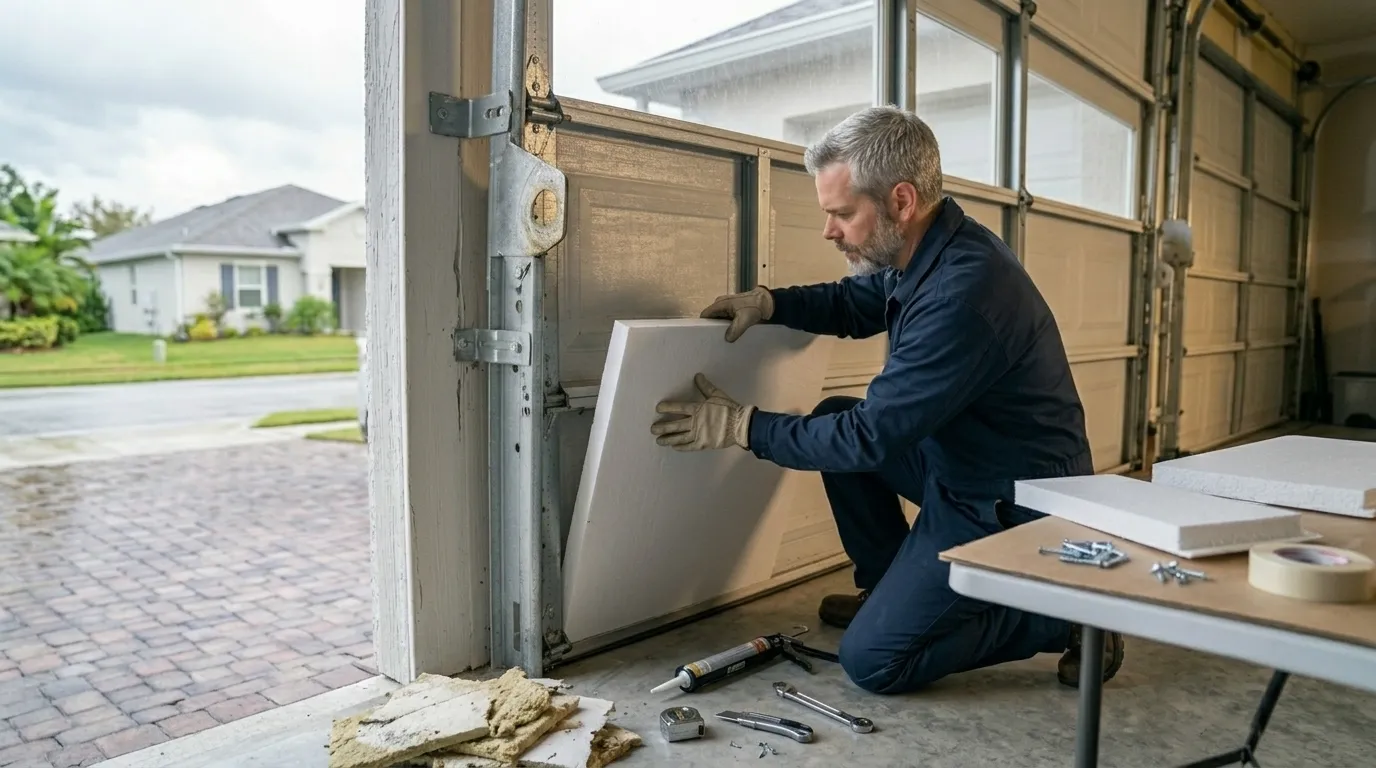
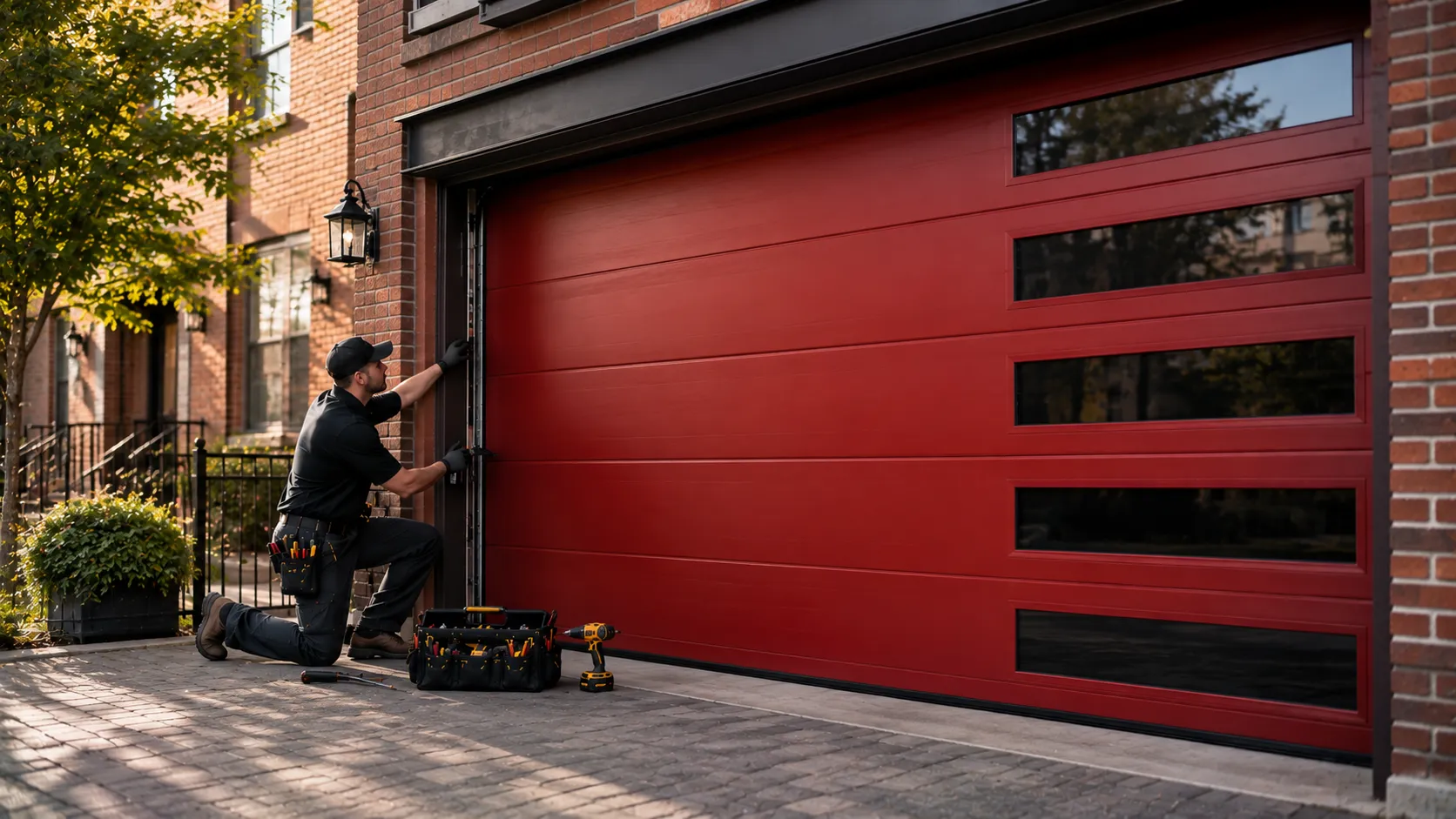
A straightforward roller-and-track repair usually runs under two hours once the truck is on-site: the tech unloads the door from the track, checks the cables and springs for wear while it's off tension, straightens or replaces the damaged track section, reseats the rollers, and runs the door through a full open-close cycle before calling it done. If the cable snapped, that adds time because both cables typically get replaced together - running one old cable against one new one just moves the next failure a few months down the road. Doors from the 1977 era in this area often still have the original torsion spring, and if that spring is stiff, mismatched, or shows flat spots, we won't touch the track work without addressing it, because a fresh track under a failing spring just means a second call. We travel from Fort Lauderdale, so we plan the trip for jobs we've confirmed by phone rather than driving the 12 miles on a guess - that keeps the visit efficient once we're at your house instead of us diagnosing from scratch in the driveway.
The DIY Question
An off-track door is not a bolt-a-bracket-back-on job, even for a handy homeowner. The door is under spring tension the moment it's off the track, and a torsion spring on a door built in the 1977 window has had four-plus decades to lose its factory calibration - that's enough stored force to break a finger or worse if it lets go while you're working near it. What you can safely do is stop using the opener the second the door looks crooked, block the opening if you're leaving the house, and call before anyone tries to force it back into the track by hand. If the track is only slightly bent and the door still rolls, some owners are tempted to just push through it for a few more weeks. We'd rather tell you plainly: that shortens the life of the roller, the track, and the opener's gear all at once, and it costs more to fix after it fails completely than it does now.