What You Pay
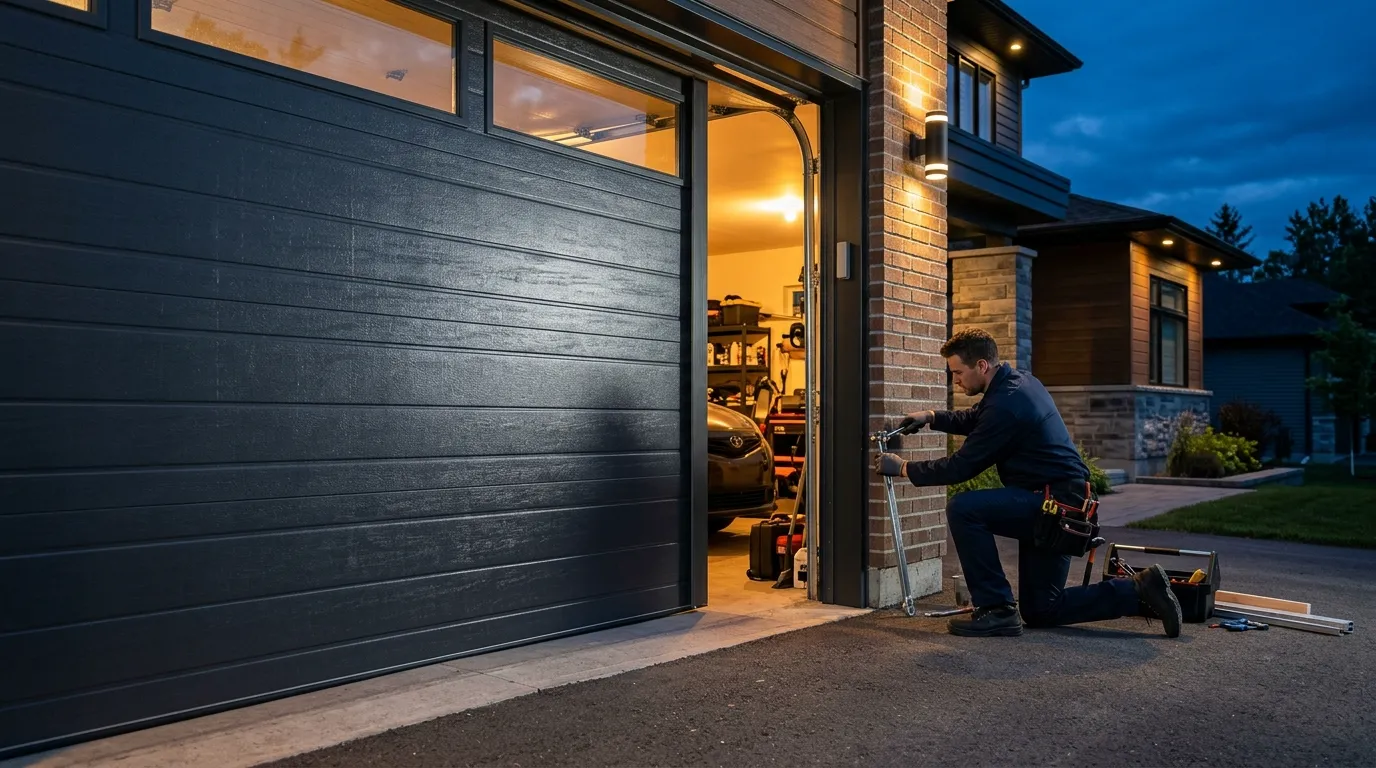
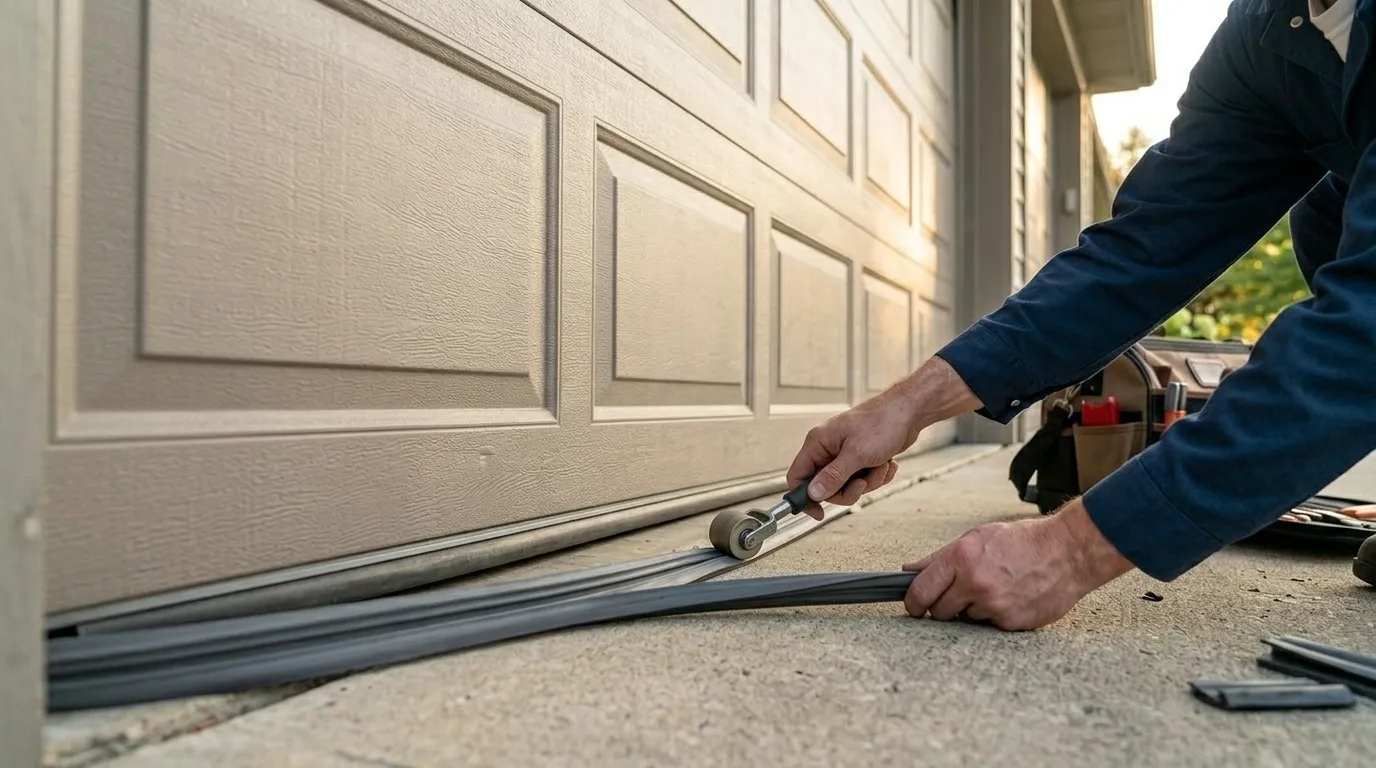
We can't quote a number here that would hold across every call, because a snapped cable on a single door and a torsion spring failure on a double door with a bent track are two different jobs with two different parts lists. What we can tell you is how we price: a diagnostic look at the door, a flat number for the fix once we know what's broken, and no guessing games over the phone before a tech has eyes on the hardware. If you want a firm figure before we roll a truck, we're not the right call - nobody honest can give you one sight unseen.
What does hold across the service area is the pattern behind the calls. Fort Lauderdale's housing stock runs 1953 to 2005 with a median build year around 1975, so a lot of what we open up is original hardware that was never designed for fifty years of coastal humidity. That changes what a repair actually involves more often than it changes what a new opener costs. We'll tell you straight when a spring swap is enough and when the drum or the track is too far gone to be worth patching - replacing one worn part on hardware that age can just mean you're back out here again in six months.
Why This Fails Locally
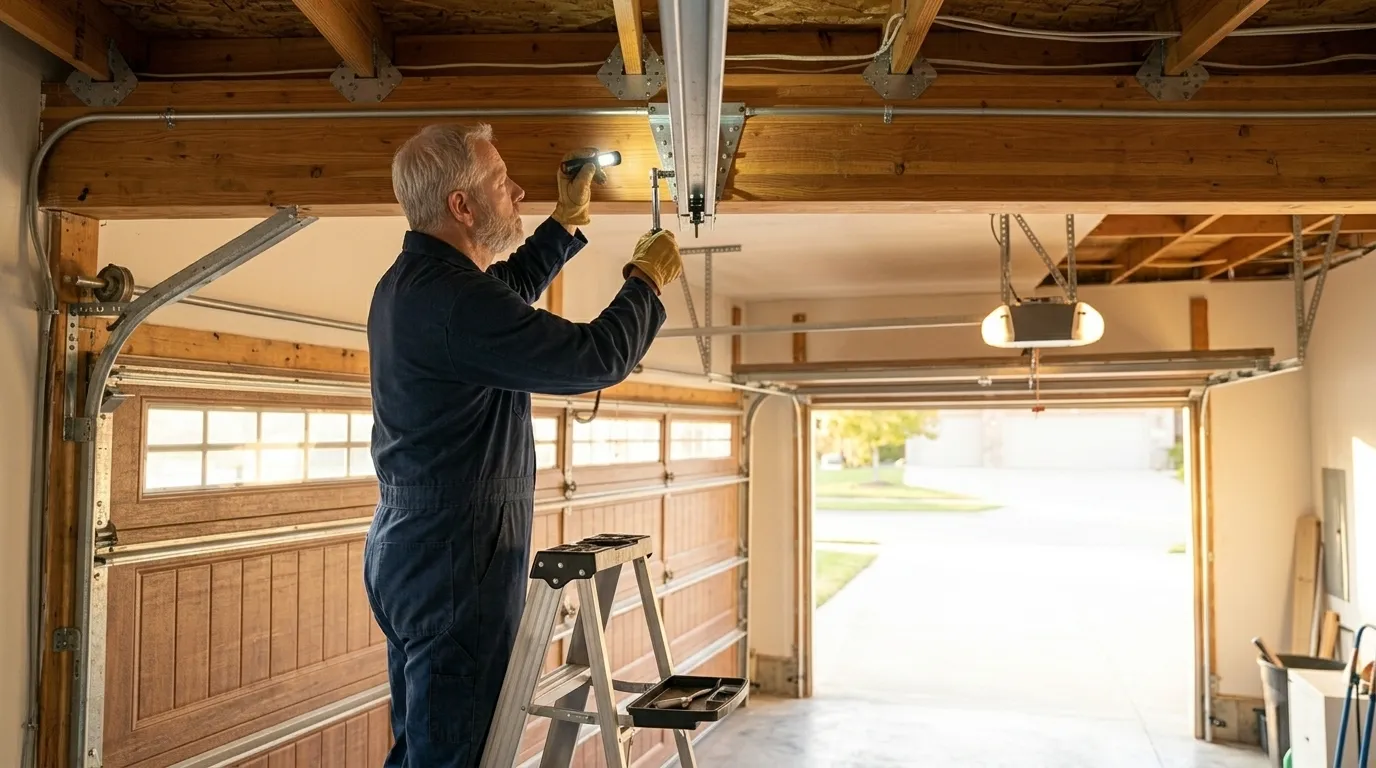
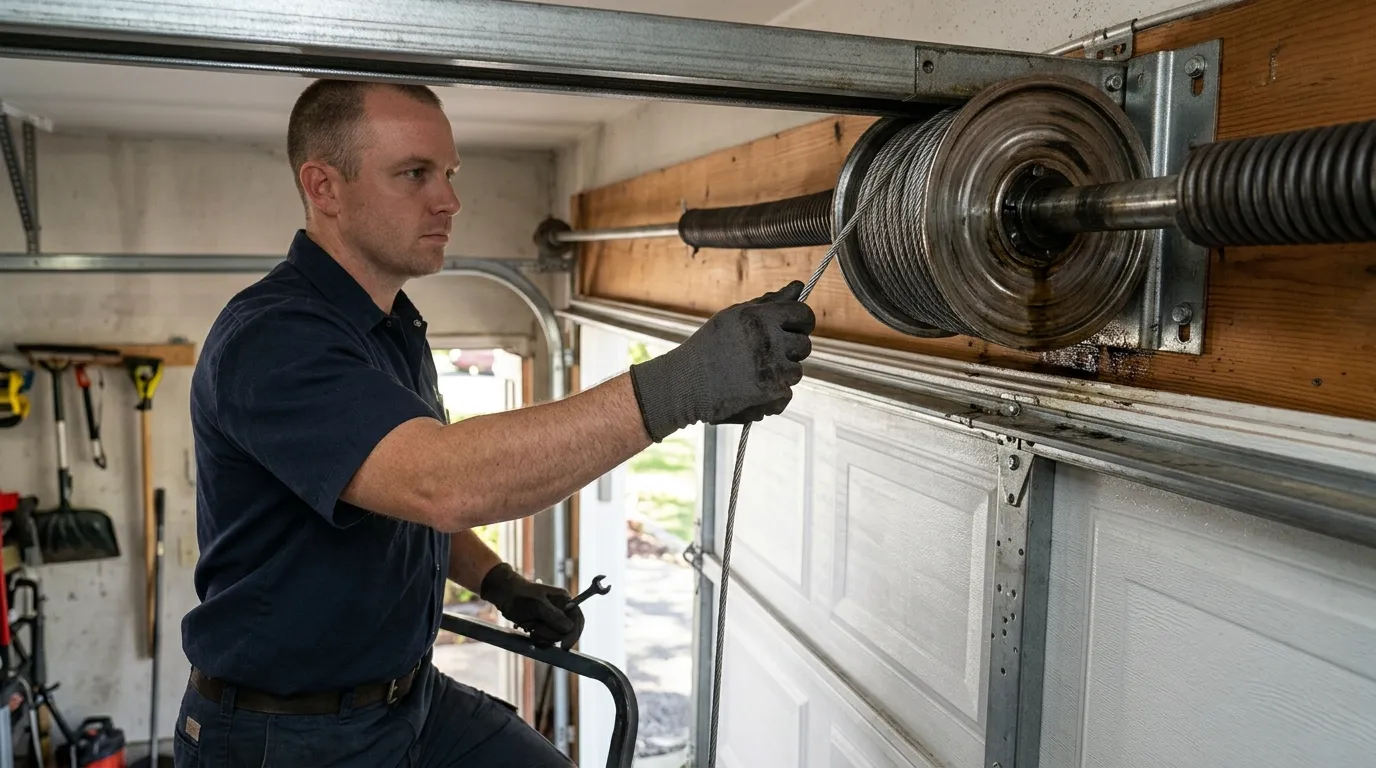
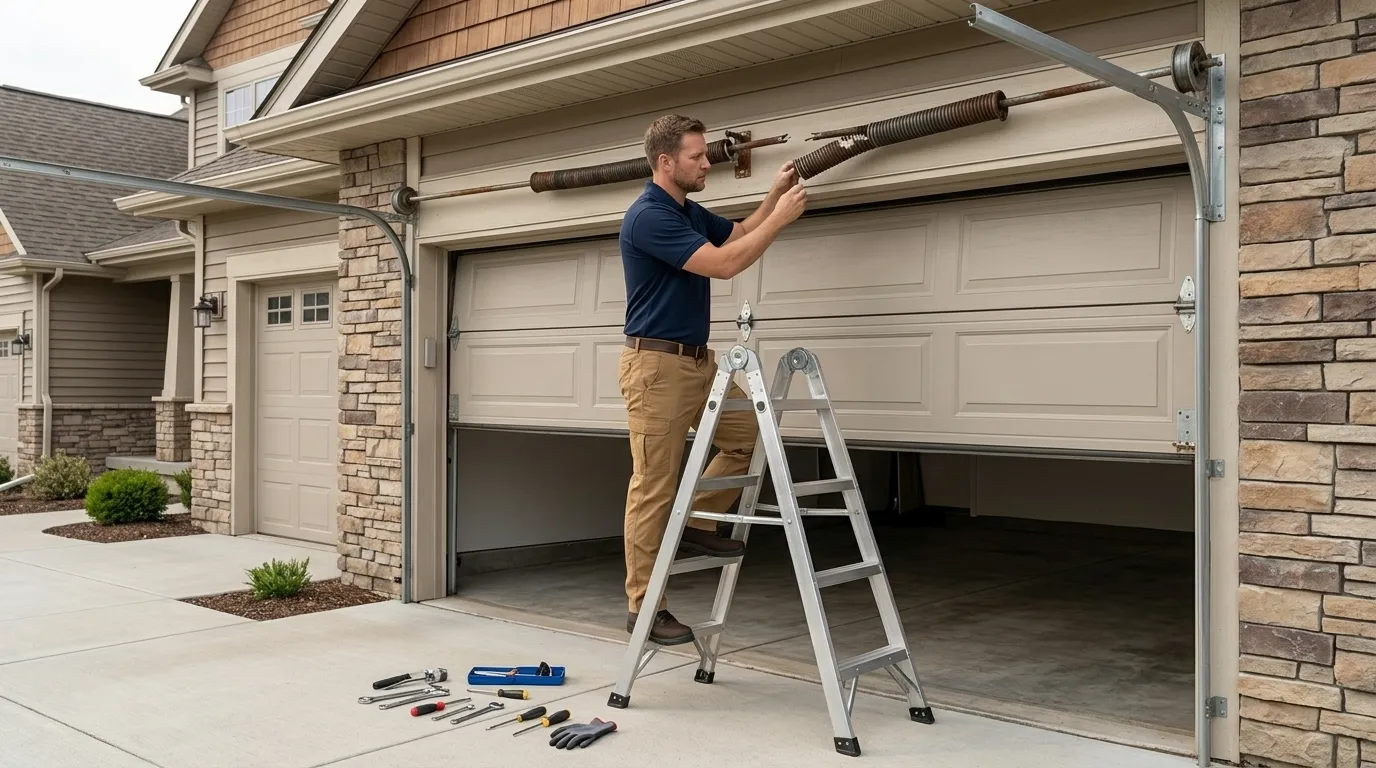
Torsion springs fail on a schedule, and that schedule is set by cycle count and by corrosion, not by luck. Fort Lauderdale sits in a mild temperate band, which sounds easy on hardware until you factor in the humidity that comes with it - galvanized coating on a spring or a cable wears from the inside long before the metal looks bad from the outside. On a house built in the 1975 median year for this area, that spring has had five decades to pit.
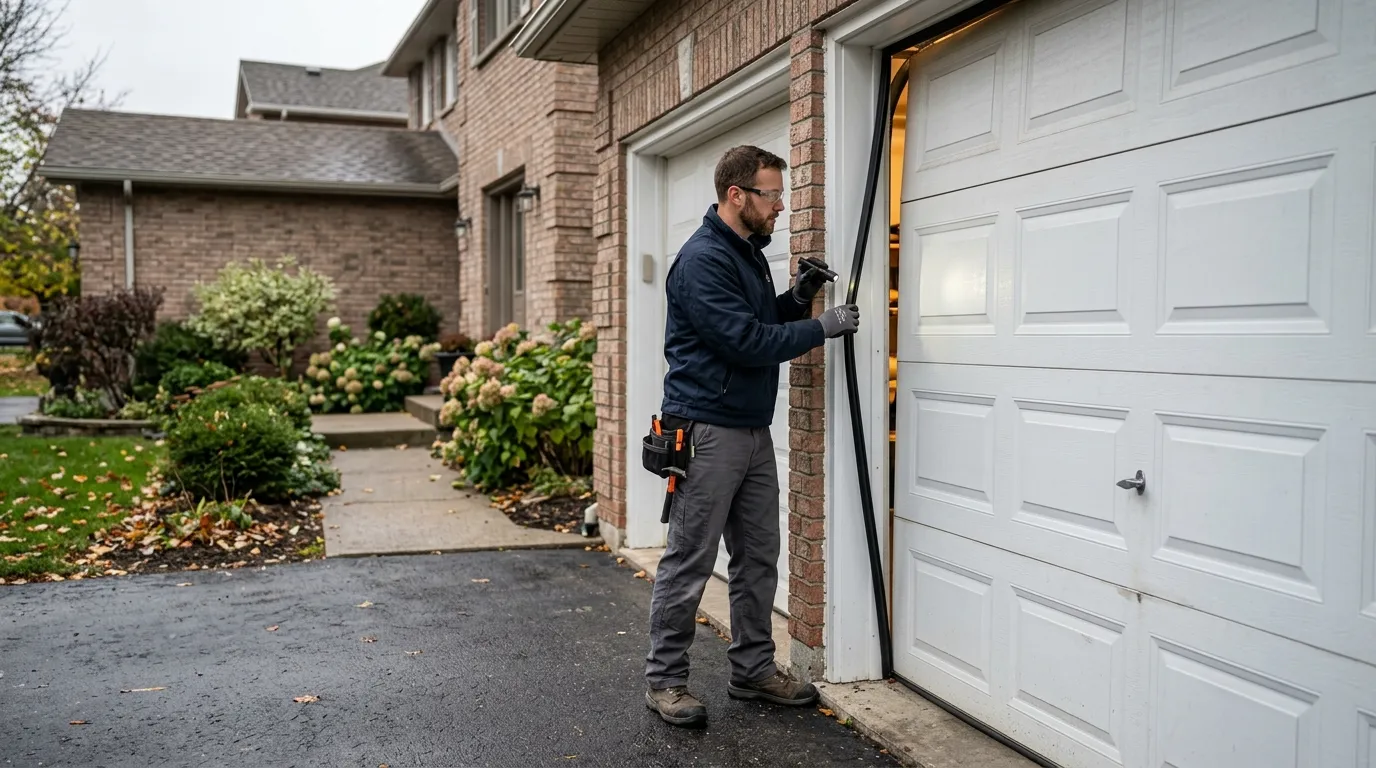
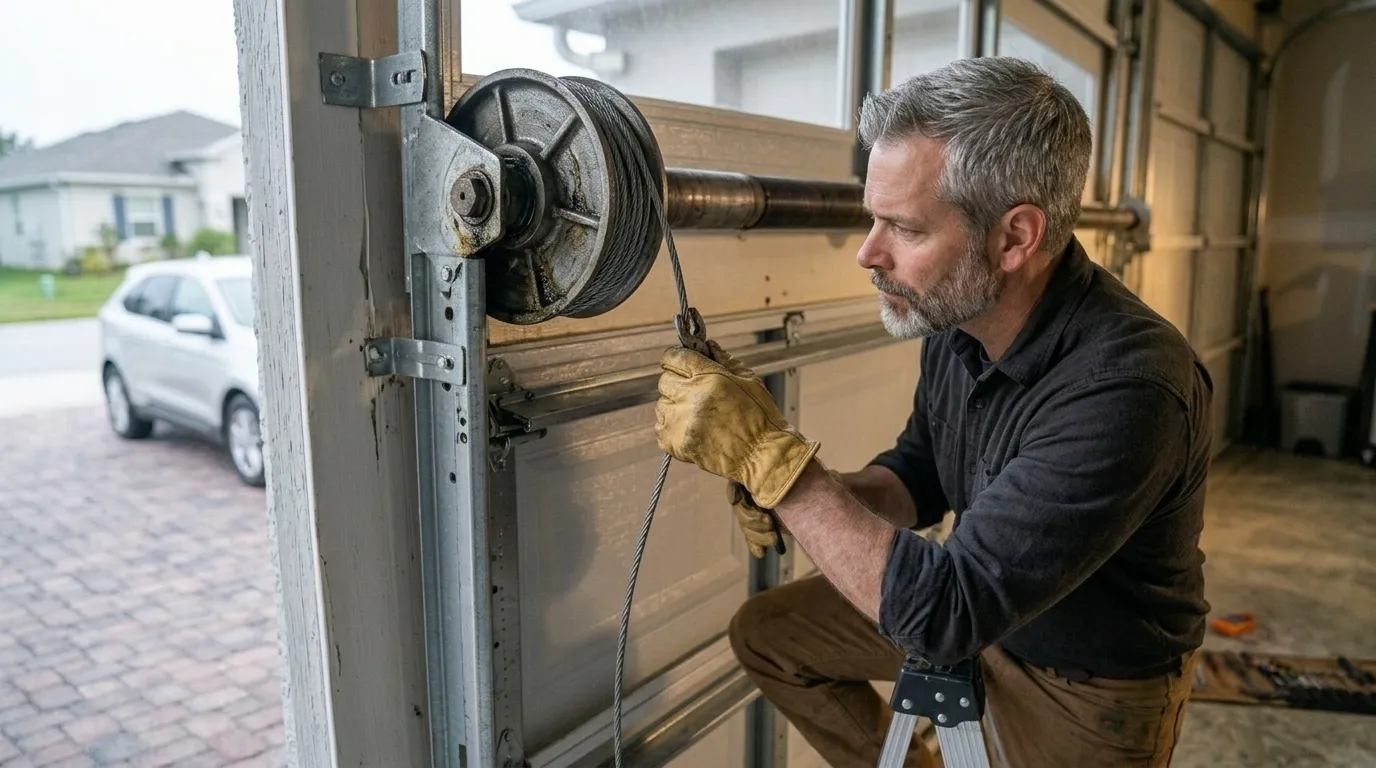
Across the 32 named areas that make up this housing stock, most of it dating to the 1960s and 70s, the common failure we see isn't a dramatic snap out of nowhere. It's a cable that's been fraying under a rusted pulley for months, or a torsion spring that's lost enough tension that the opener is doing the lifting the spring should be doing - until the opener burns out too. That's the local mechanism: older galvanized hardware plus sustained humidity, not a single storm event or a single bad part.
How It Shows Up
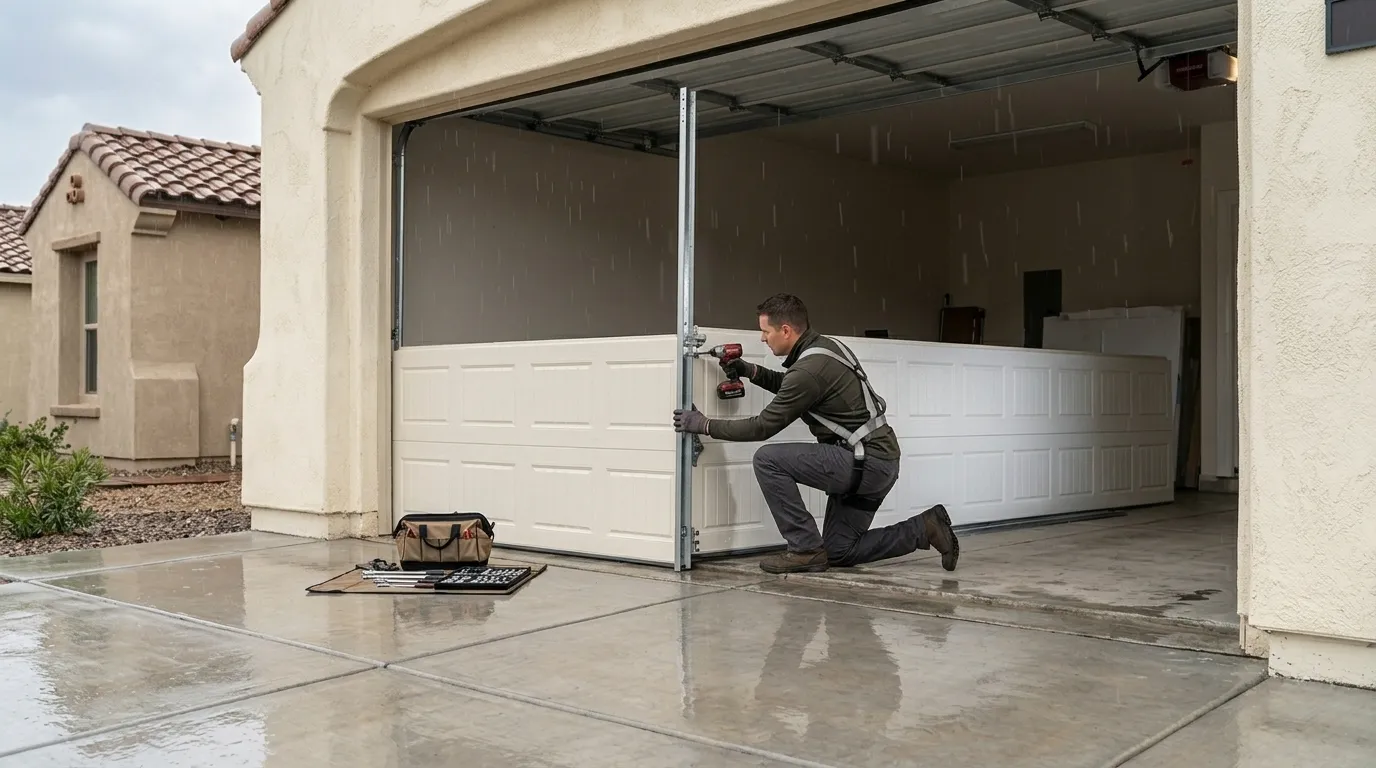
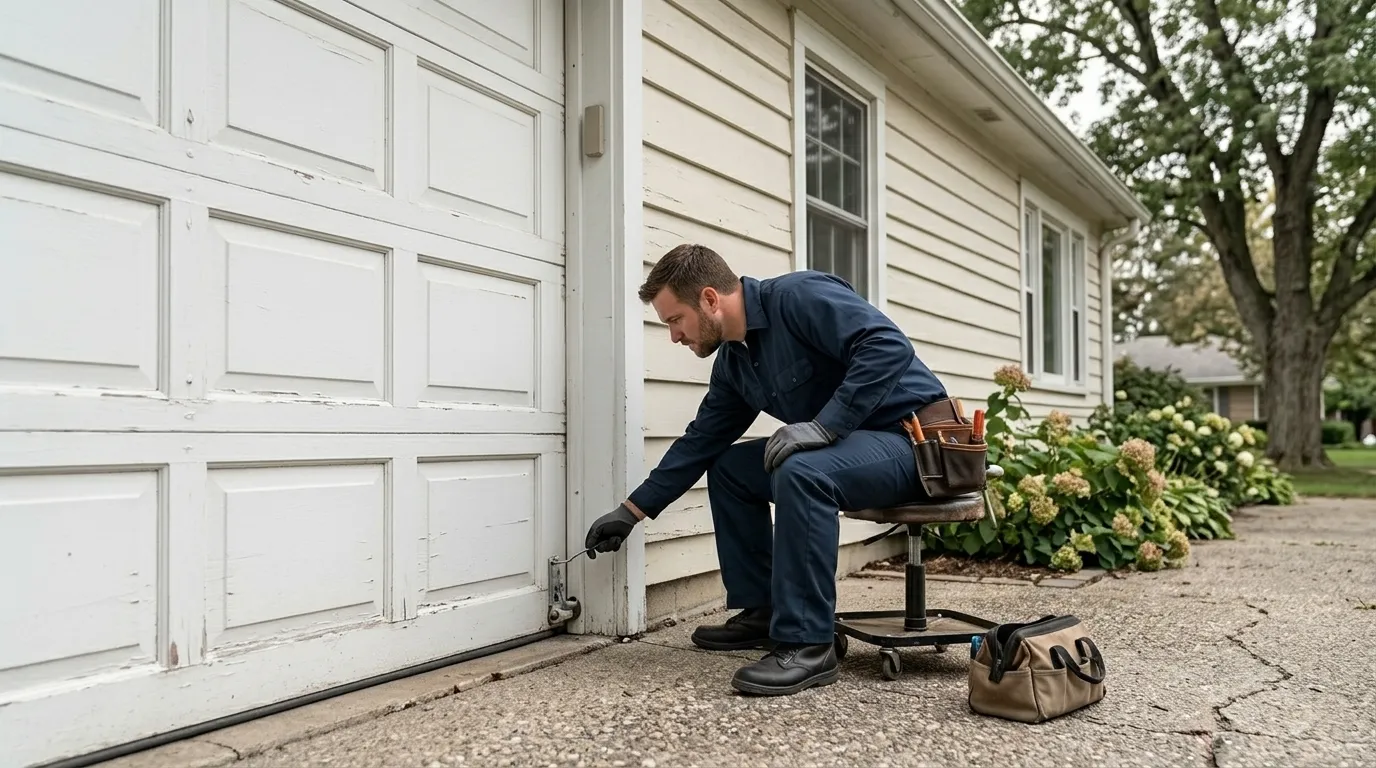
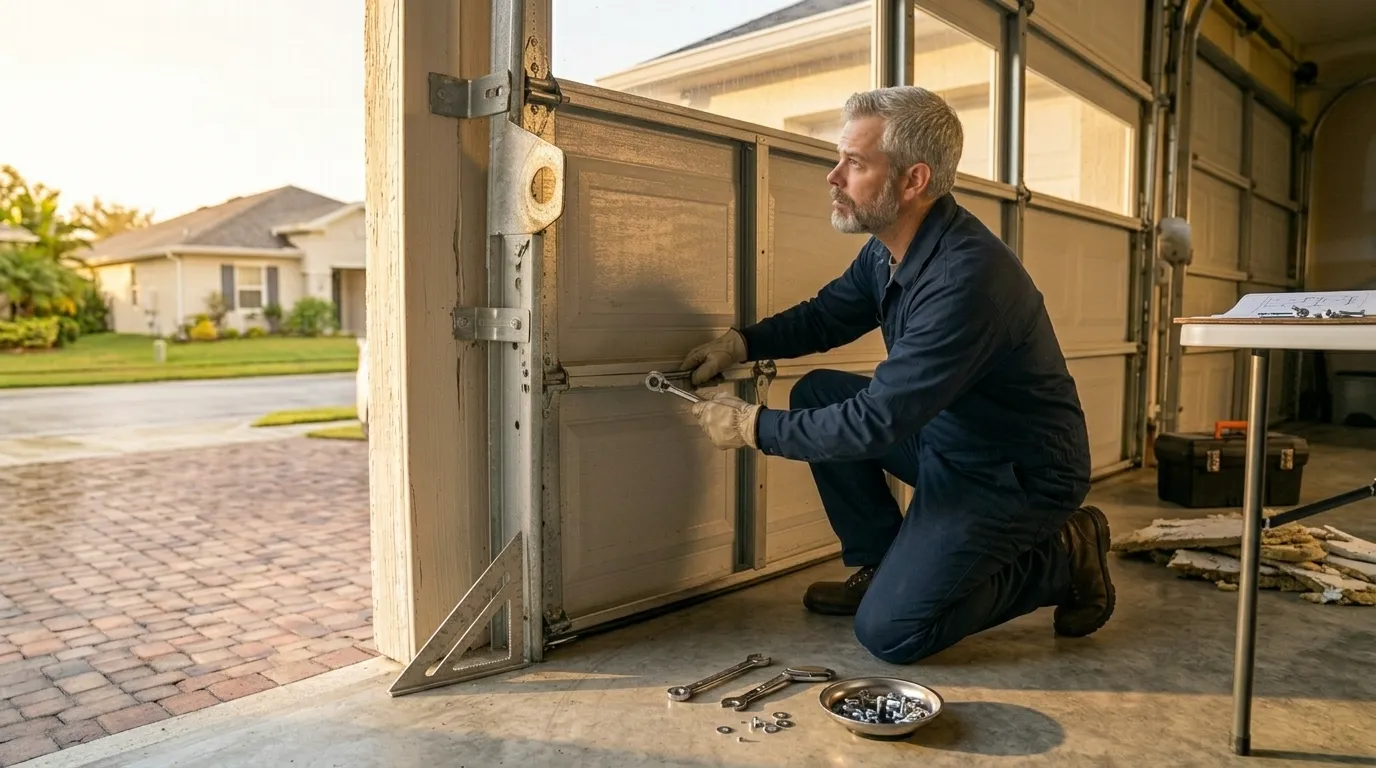
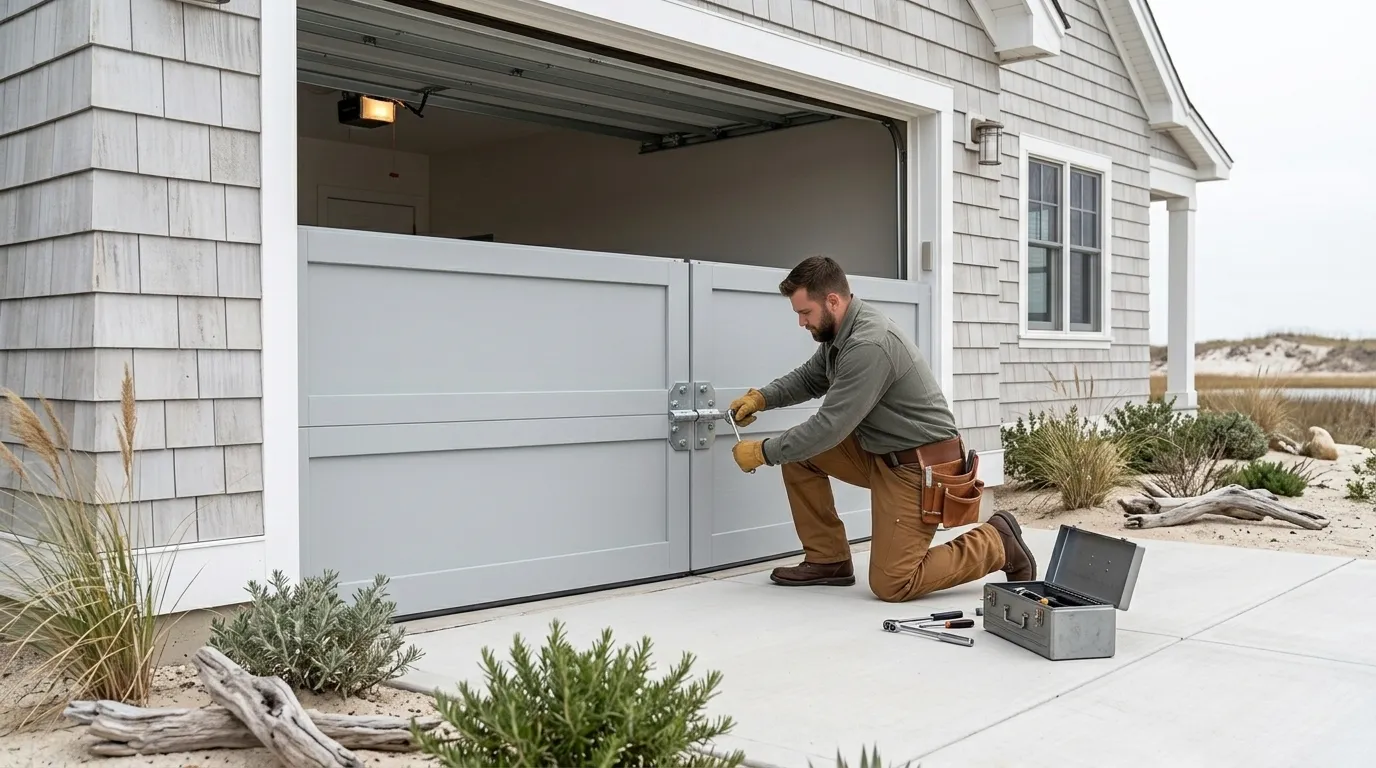
Most emergency calls start the same few ways. The door slams down fast and hard instead of lowering evenly - that's tension gone from one or both springs. The opener strains, clicks, or reverses itself halfway through the cycle, which usually means the springs are carrying less of the door's weight than they should and the motor is fighting it. Or the door simply won't move at all, jammed on a bent track or off its rollers after a cable let go mid-cycle.
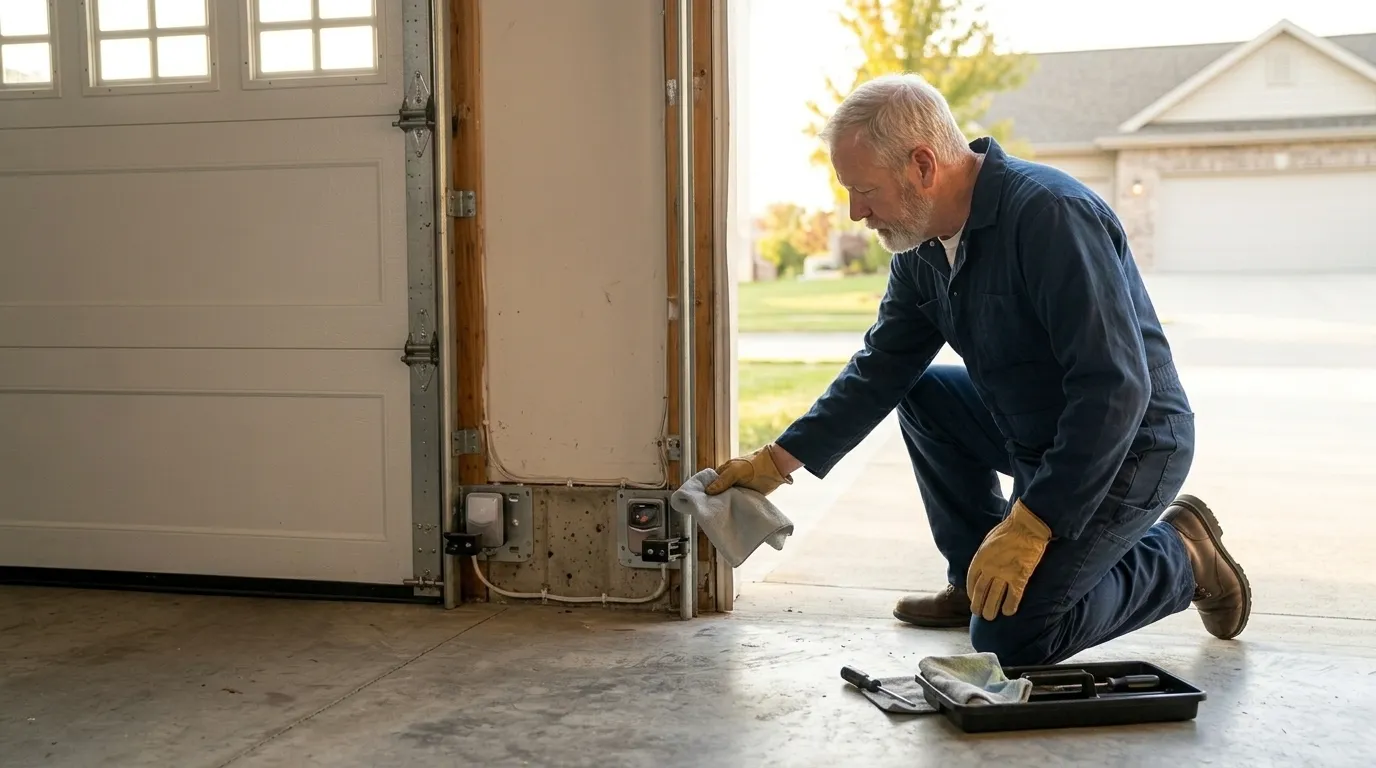
Across the roughly 107,368 owner-occupied houses in this service area, most sitting on hardware from the 1960s-70s build era, we see the same handful of failure points repeat: torsion springs at end of life, cables frayed at the drum, and rollers seized in tracks that have gone slightly out of square. None of that is exotic. It's what happens to garage door hardware that's been cycling twice a day for decades in a humid coastal climate. If your door is doing any of the above, it's worth a call before it fails all the way rather than after.