
What Can Go Wrong
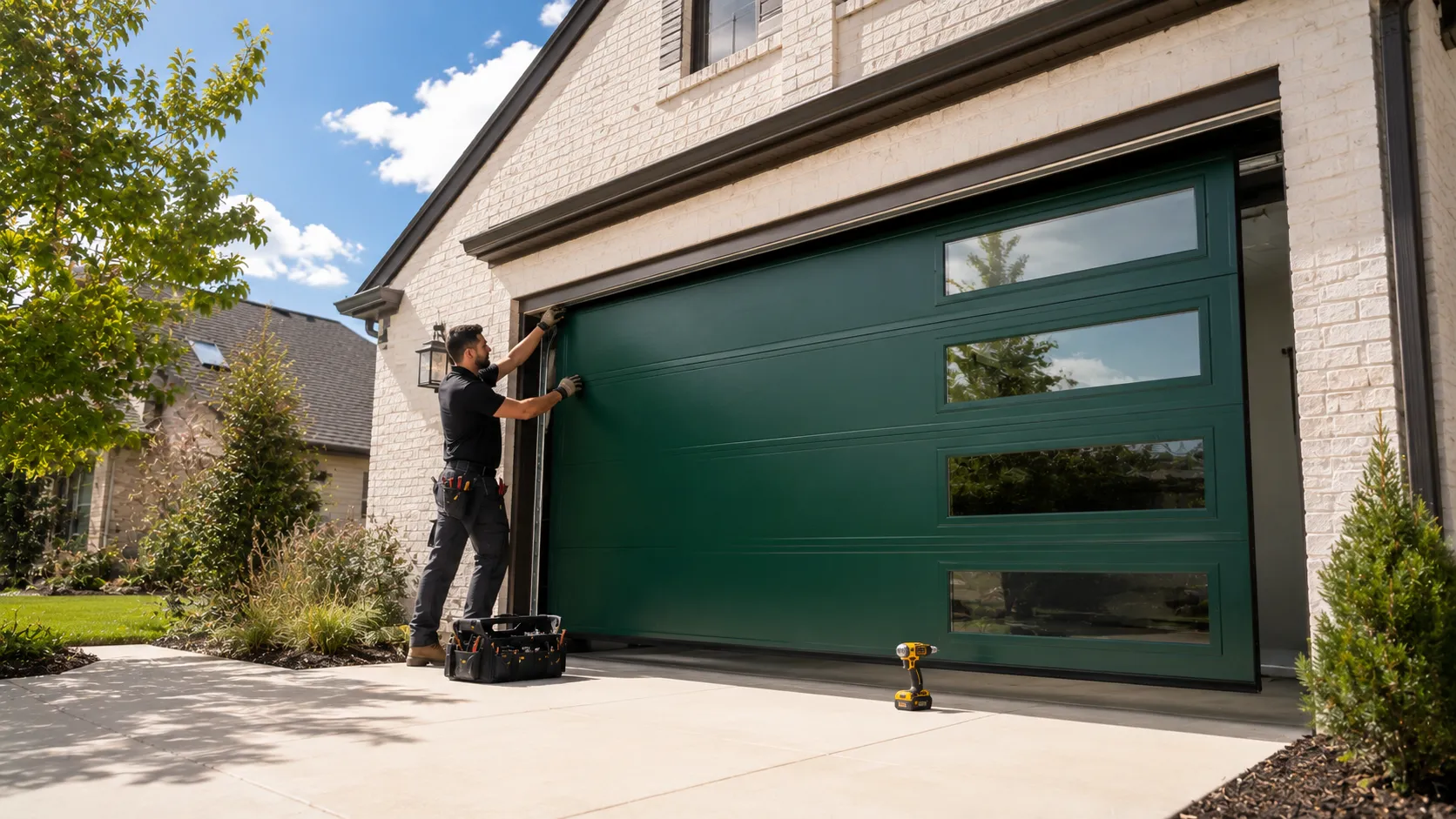
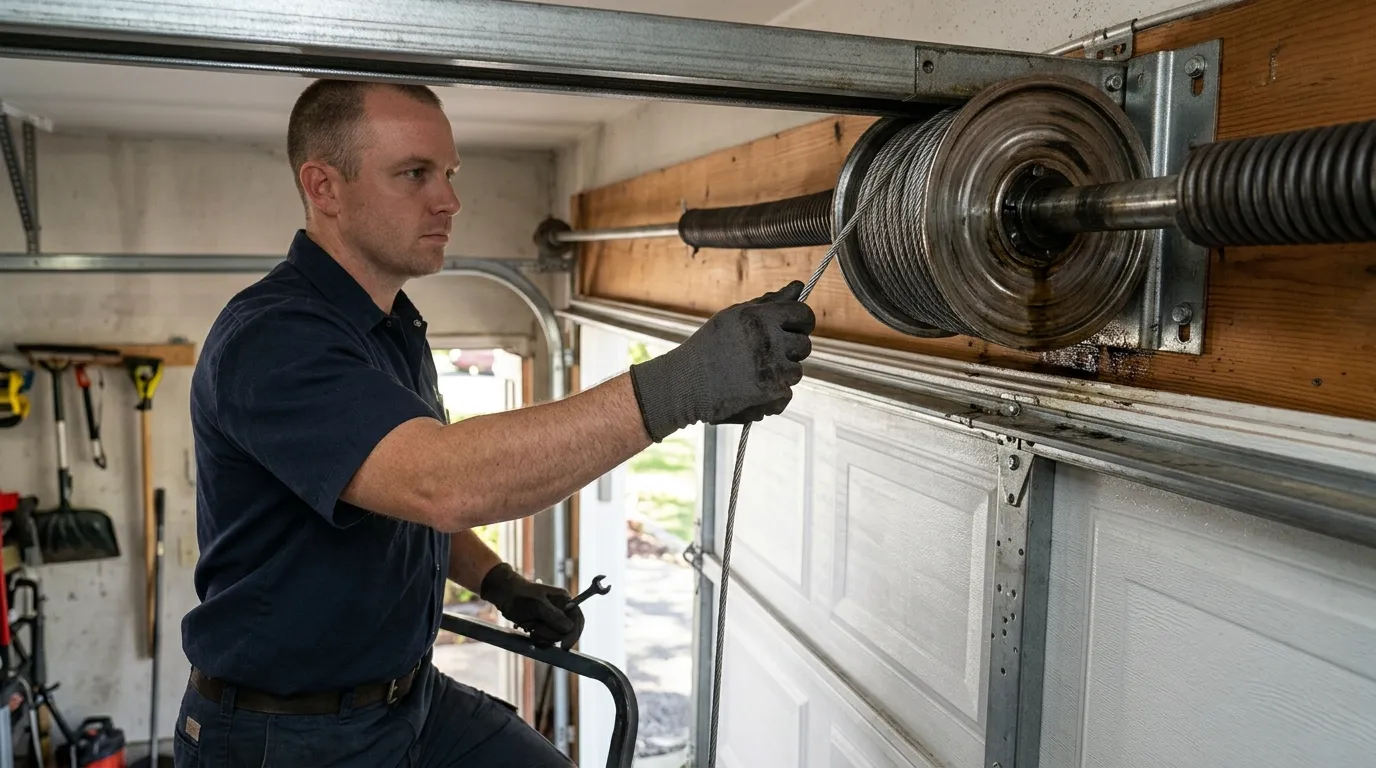
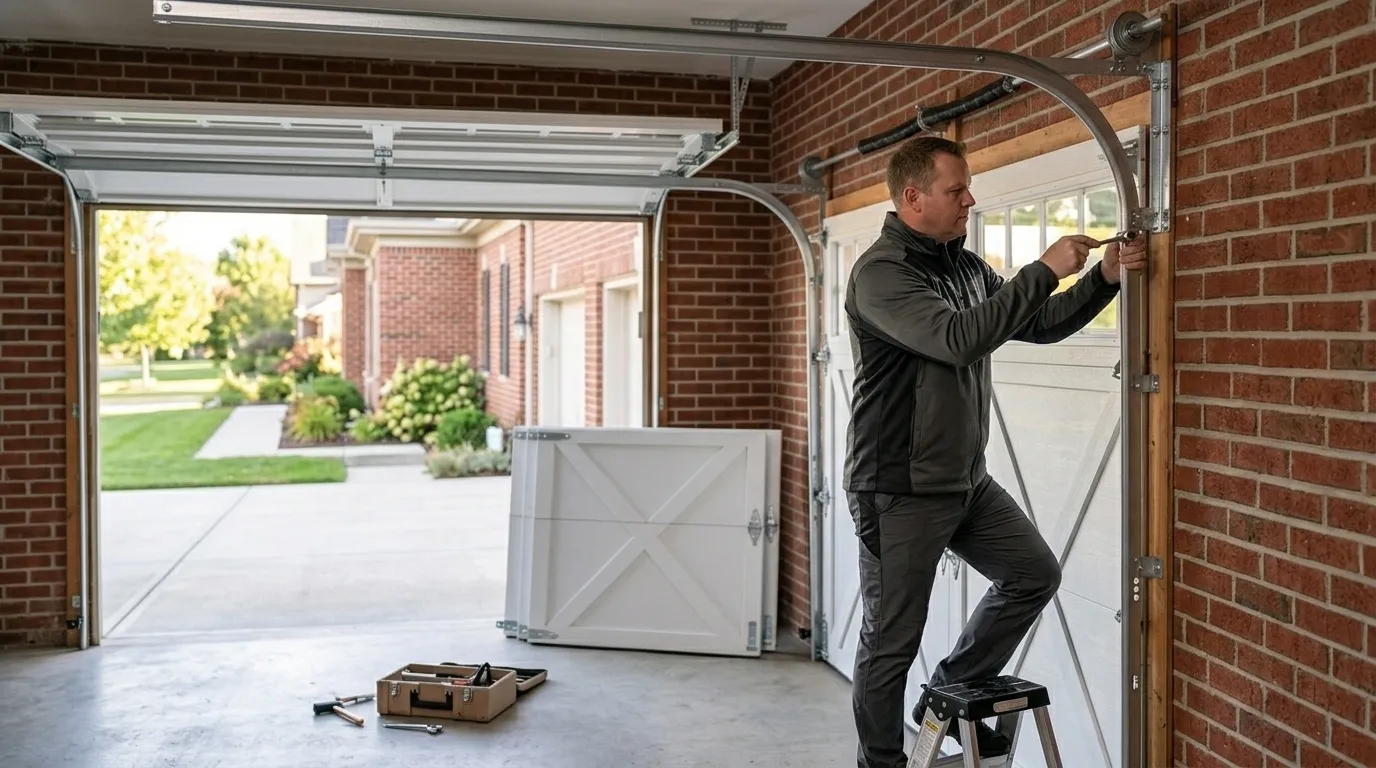
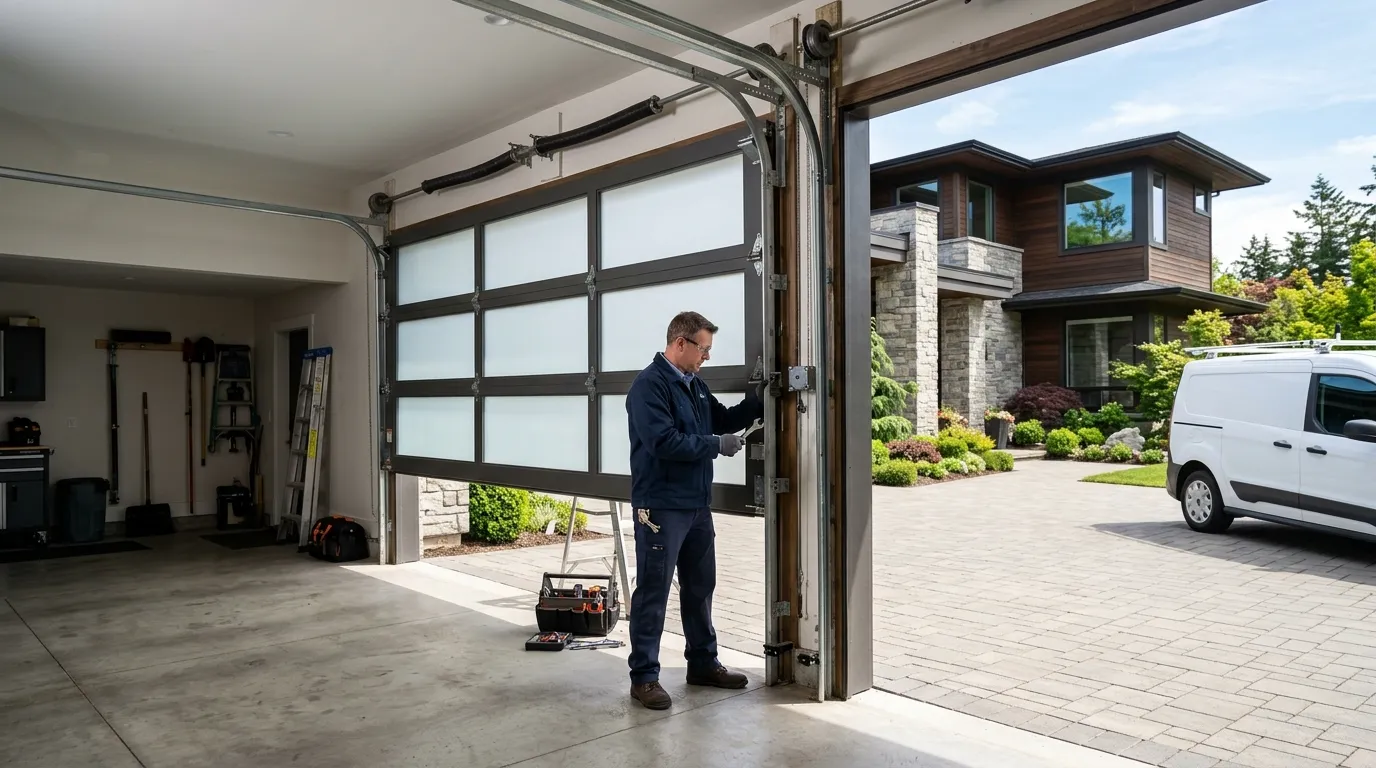
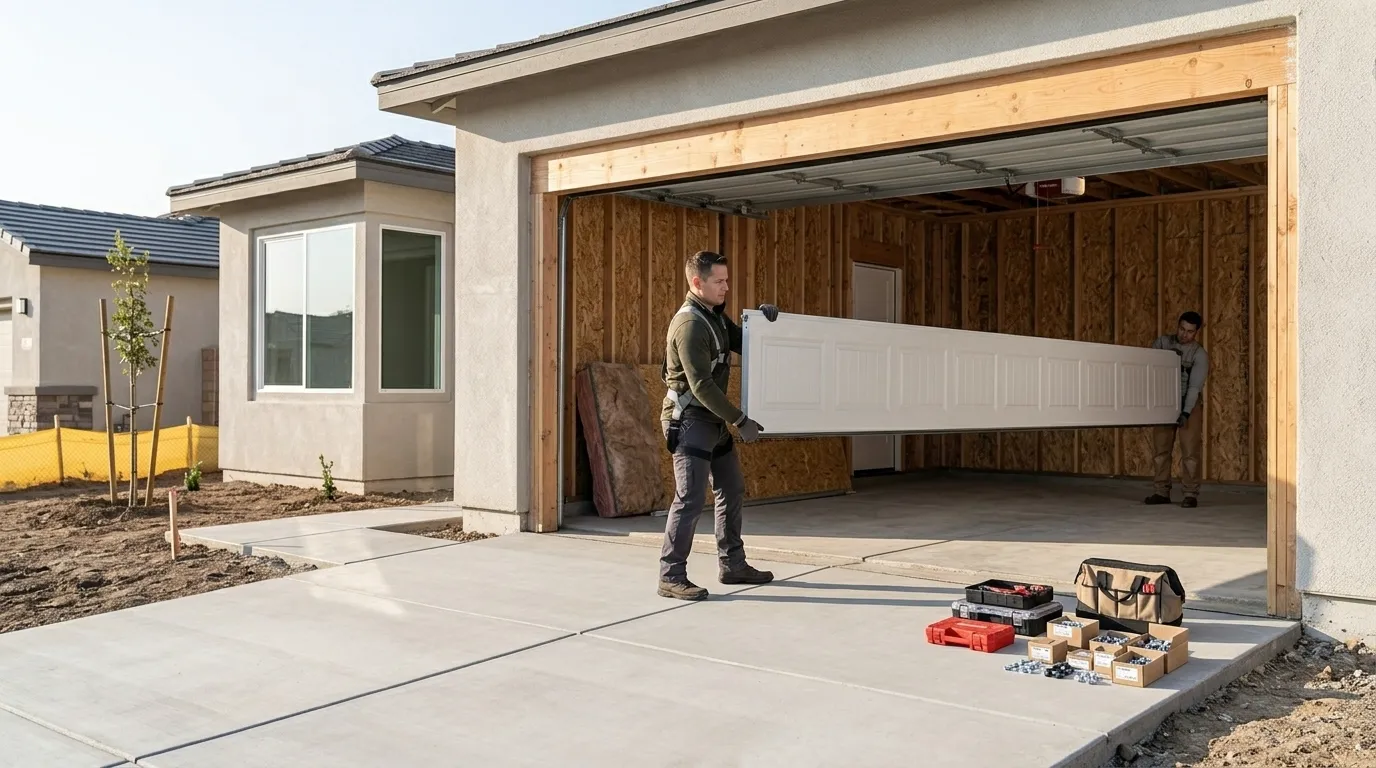
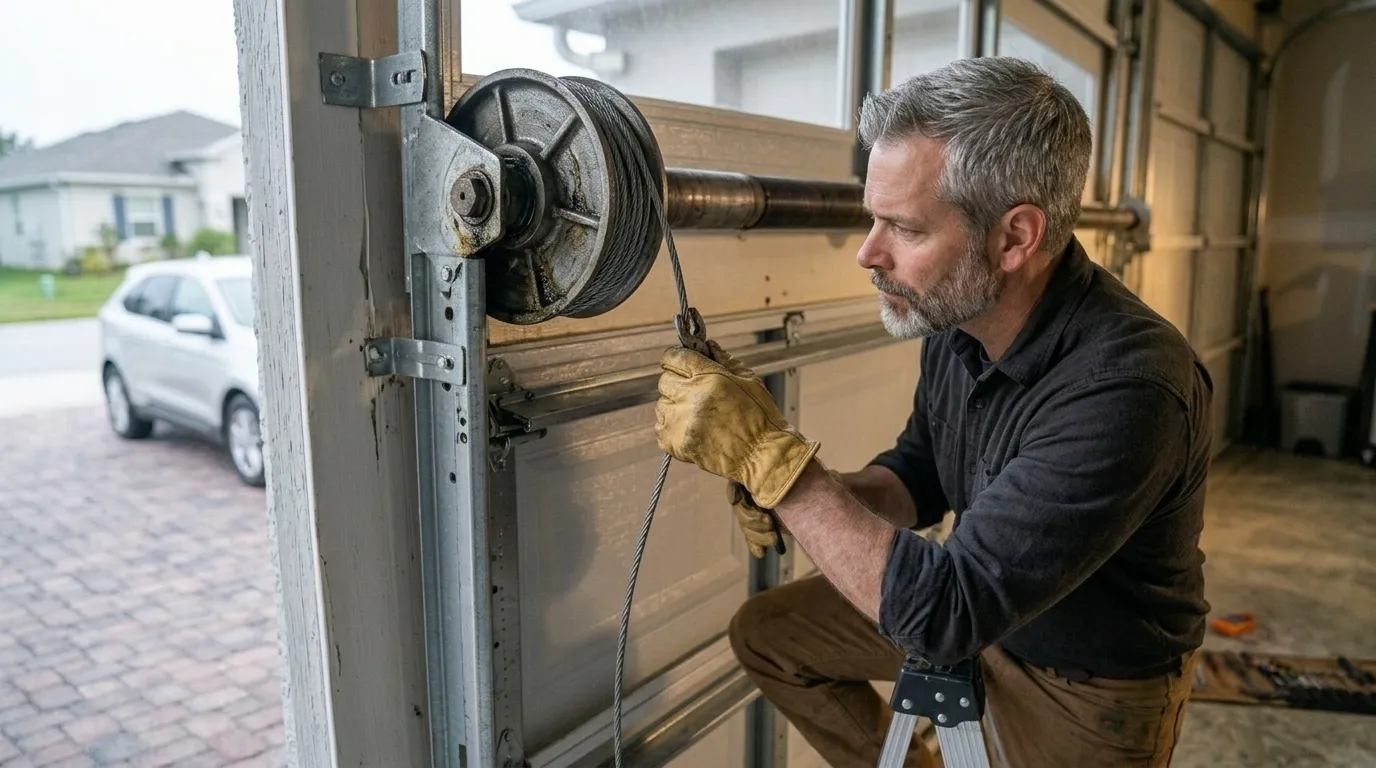
Parkland's housing stock runs newer than most of the towns we cover - the median build year here lands around 2005, a couple decades past the 1953-2005 spread you'll see across the wider service area. That matters for springs. Homes built in this stretch mostly went up with taller garage openings - 8-foot doors are common instead of the 7-foot standard you'd find on 1970s construction - and taller doors need higher-cycle torsion springs wound to carry more weight over a longer travel distance. When one of those springs breaks, it's not the same part a tech would pull off an older single-car door. Wind the wrong spring rate onto an 8-foot door and it'll either slam down too fast or refuse to lift past halfway. The other common failure here is cable fray on doors with insulated panels, which weigh more than standard steel and put extra load on the cable drums once a spring is already gone. We don't stock every spring rate on the truck for every job - if your door takes an odd-length or high-cycle spring, we may need to confirm it before we cut a second trip.
The DIY Question
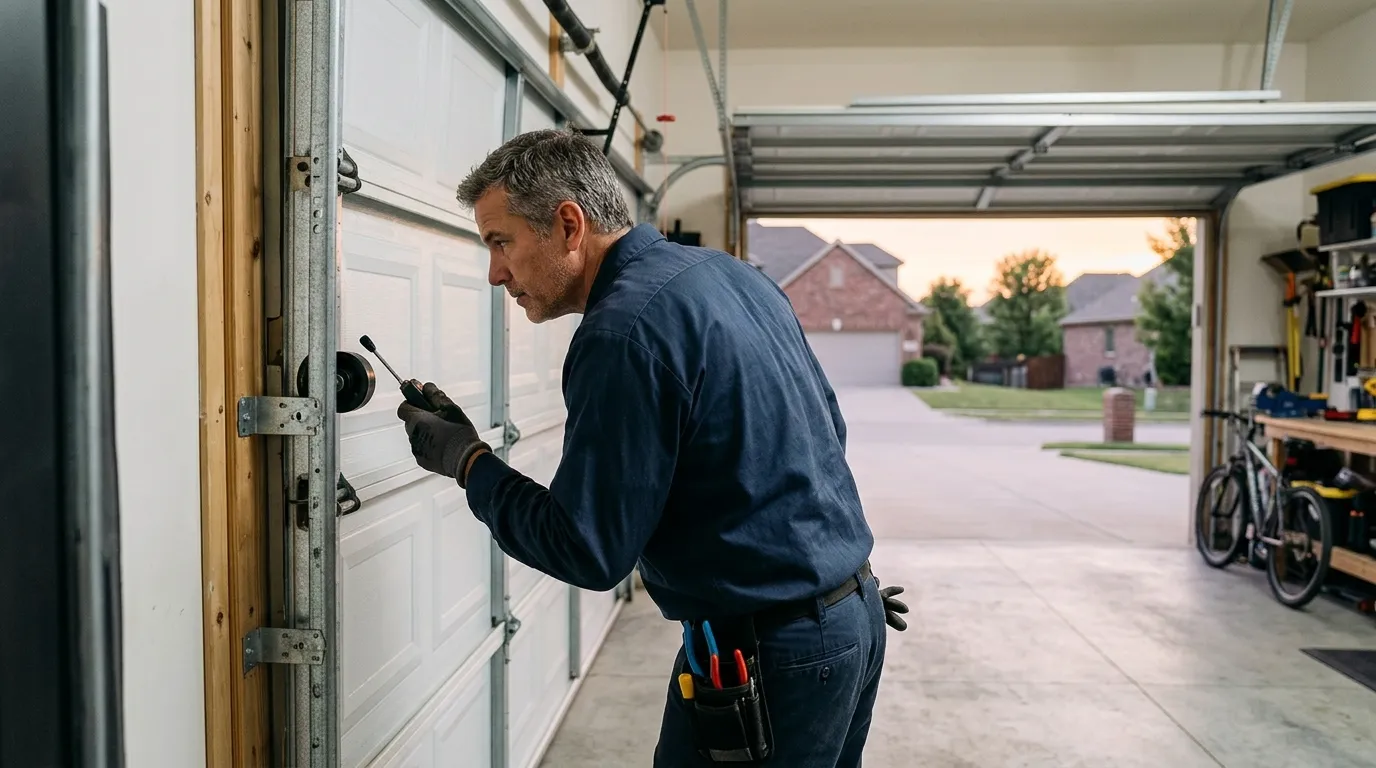
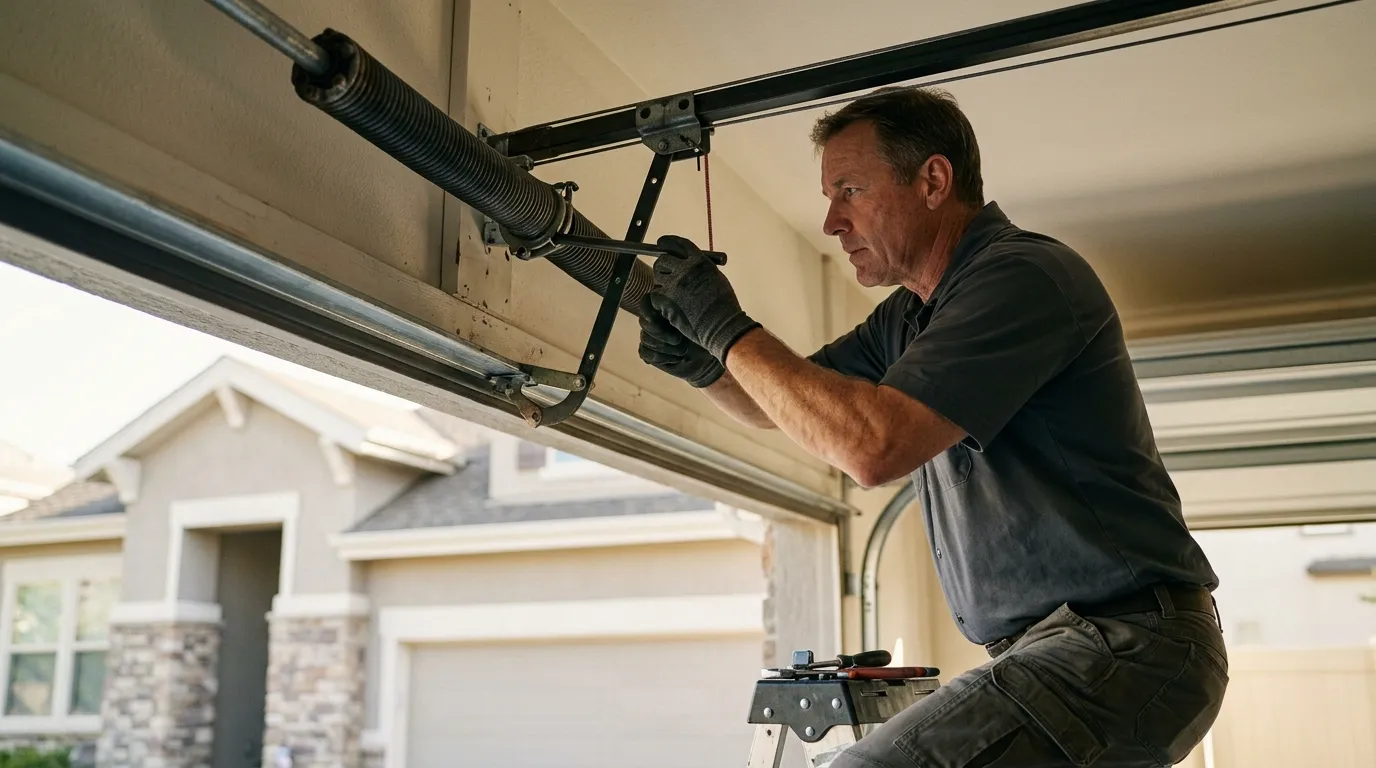
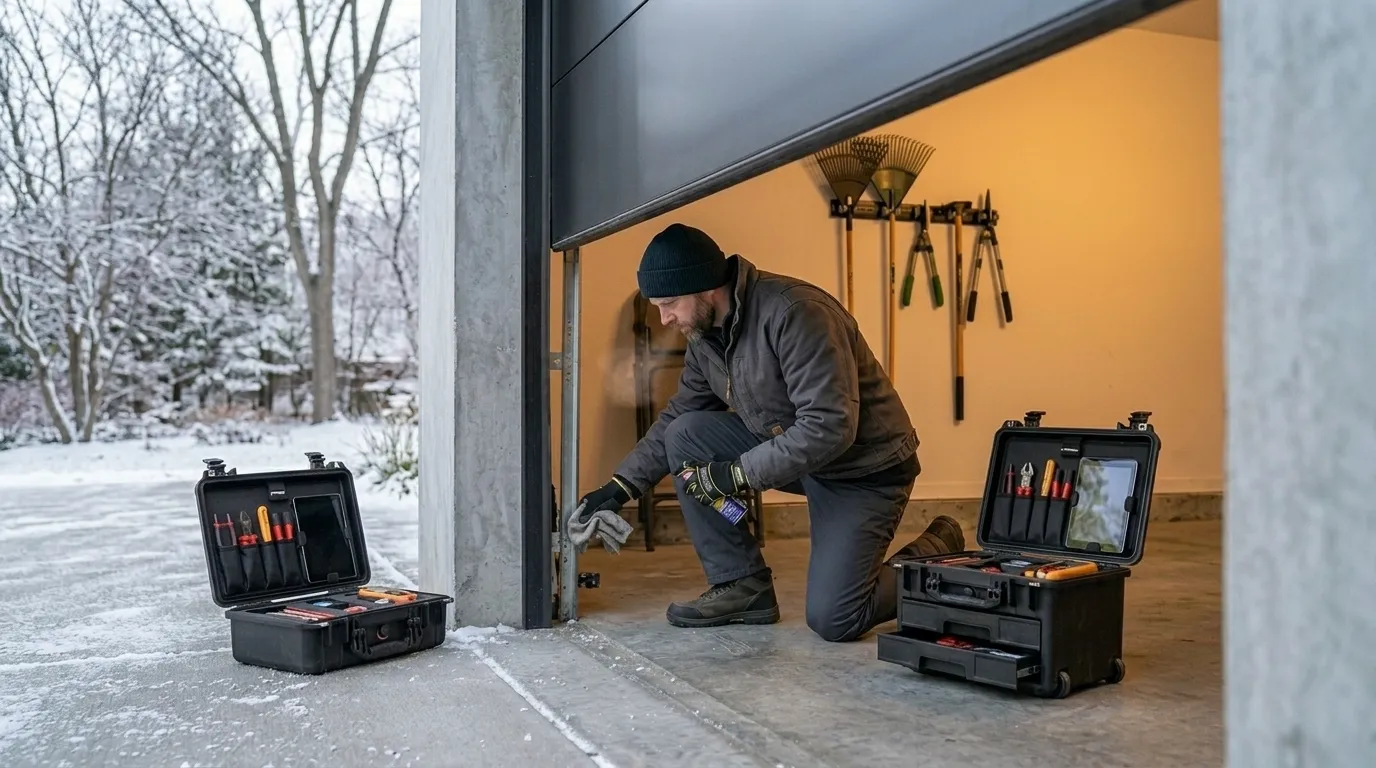
A broken torsion spring on a taller door is not a Saturday project, and it's less forgiving here than on the shorter doors common in older neighborhoods nearby. The spring is wound under more tension to lift more door, and the winding bars, cable clamps, and center bracket all have to be right the first time. We've been called out plenty of times to unwind someone's half-finished attempt before we can even start the real repair. If your door won't budge, or one side of it hangs lower than the other, that's a spring job - leave it. If it's just noisy or slow, that might be a track or roller issue you can look at yourself before calling anyone.
What the Repair Takes
We run this call from Fort Lauderdale, about 14 miles out, so we schedule the drive rather than treat it as a walk-up. Once on site, the job itself is straightforward: pull the broken spring, match the replacement to the door's actual weight and height rather than guessing off the old part, and set tension on both sides evenly if it's a double door with two springs. On the newer, taller doors common here, we check the cable drums and center bracket at the same time, since a spring failure on a heavier insulated door puts more stress on that hardware than it would on an older, lighter door. Most single-spring jobs are done same visit. If the door needs a spring size we don't carry on the truck that day, we'll say so up front rather than force a fit that won't hold.