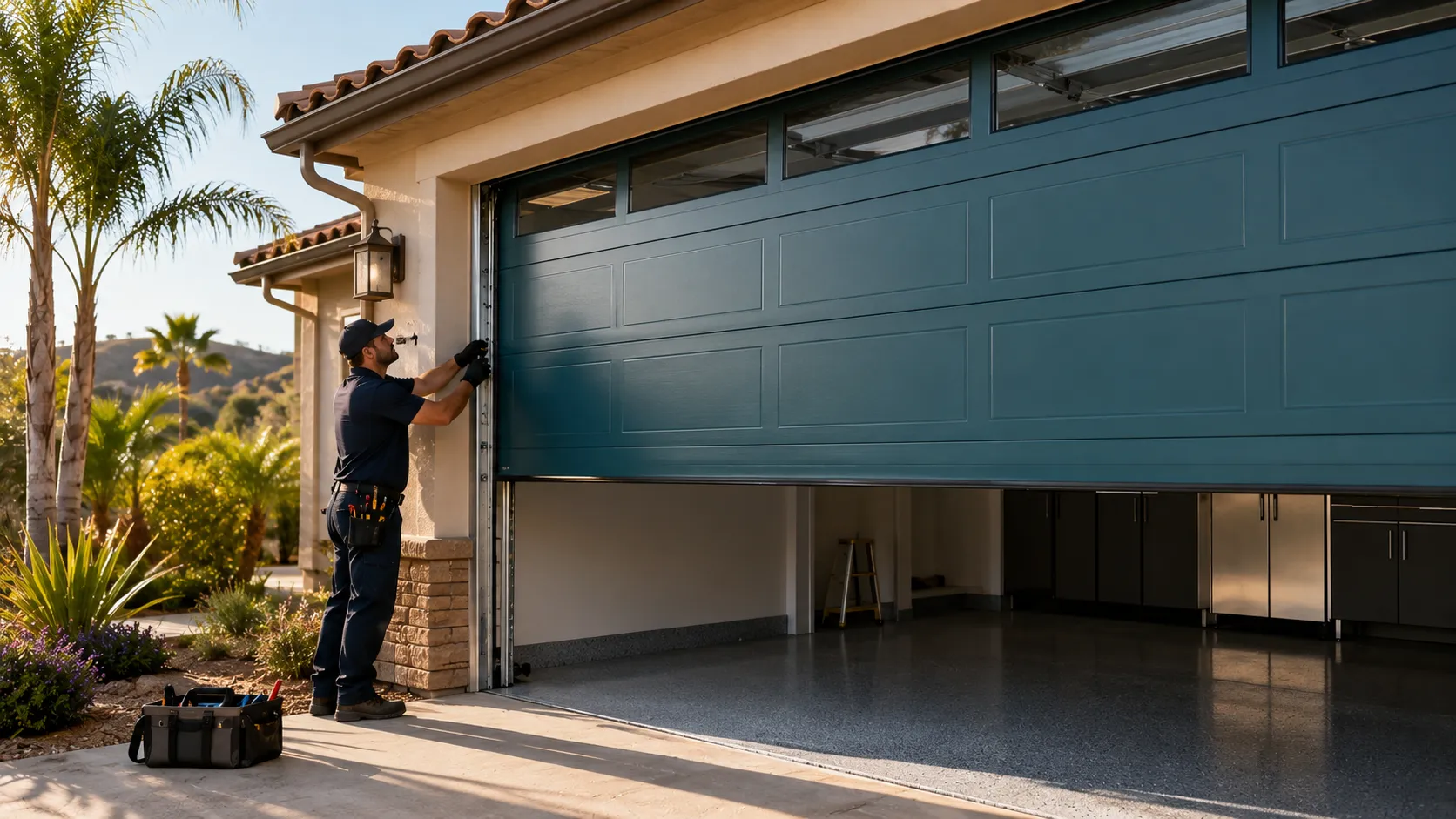
What Can Go Wrong
Parkland sits 14 miles out from our shop, which changes how a call here actually runs. It's not a same-block job - it's a drive up through the rest of the service area, so when we say we're coming, we mean we're already accounting for that stretch of road, not guessing at it after the fact.
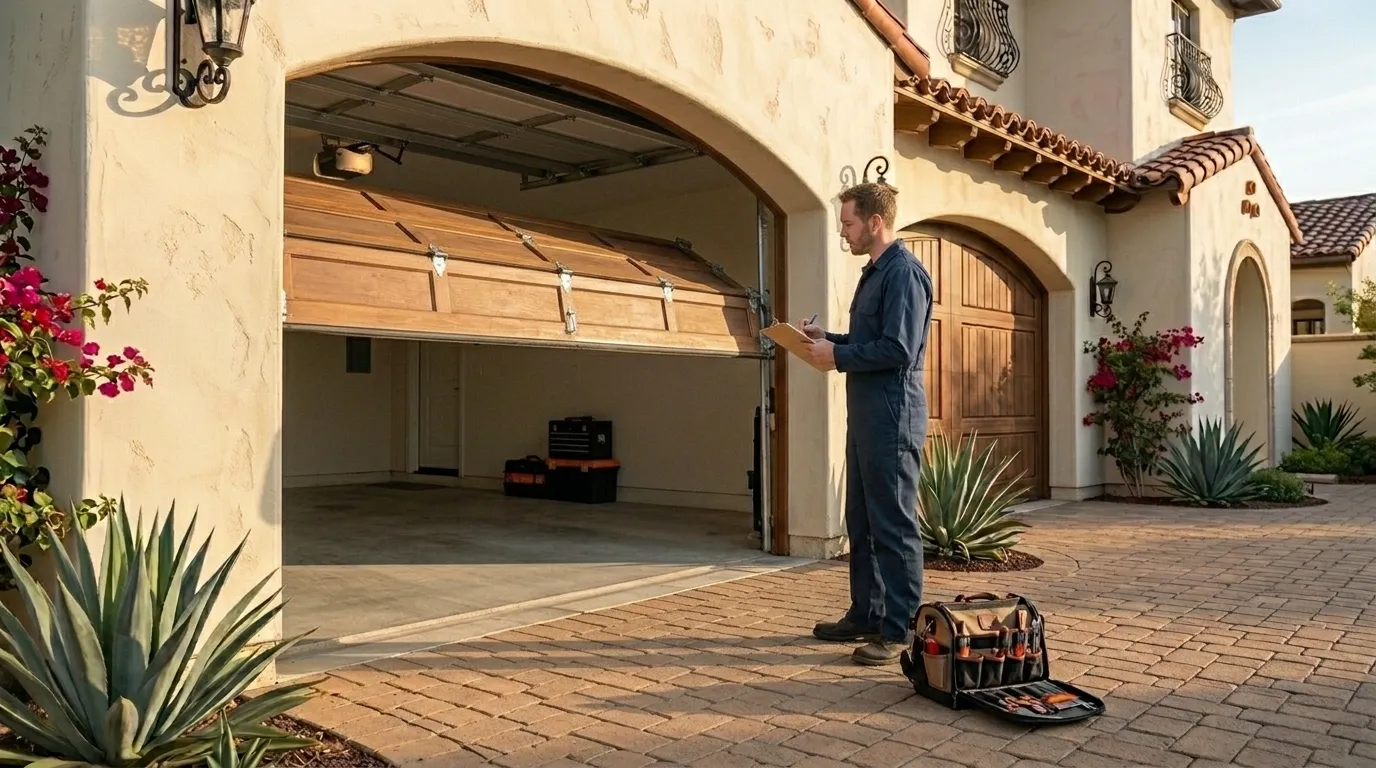
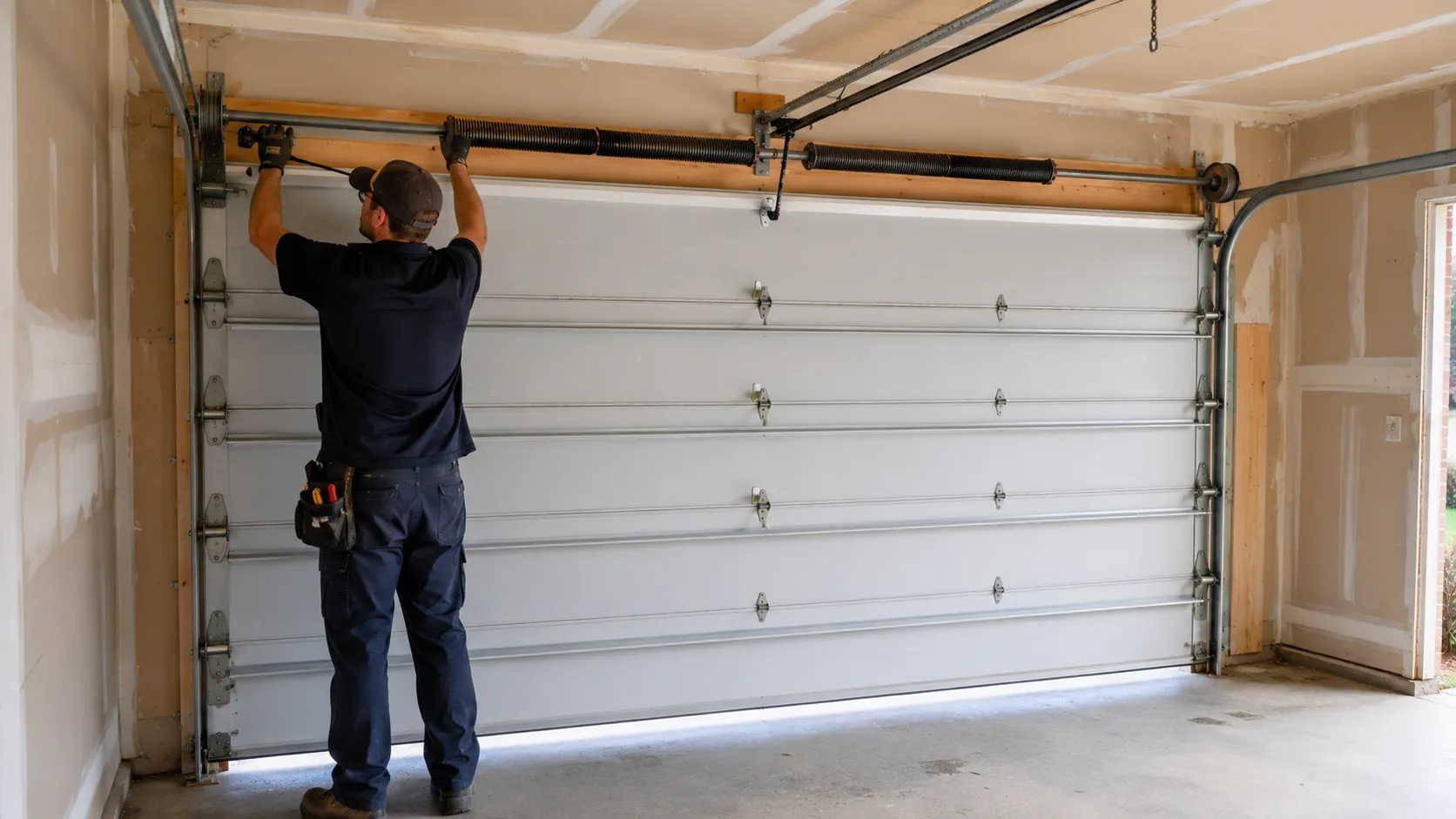
What we find once we're there is different from a lot of the closer suburbs too. Across the wider service area, homes commonly date from the 1950s through the mid-2000s, with a lot of that stock built in the 1960s and 70s. Parkland skews newer - houses here trend toward the 1990s and into the 2000s. That means the doors we're pulling apart are more likely to have factory steel torsion springs sized for a heavier insulated panel, photo-eye safety sensors as standard rather than retrofit, and openers with circuit boards instead of pure electromechanical relays. The failure points aren't ancient hardware nobody stocks - they're the second or third opener a homeowner has put in since the house was built, and the springs that are finally hitting the end of their cycle count.
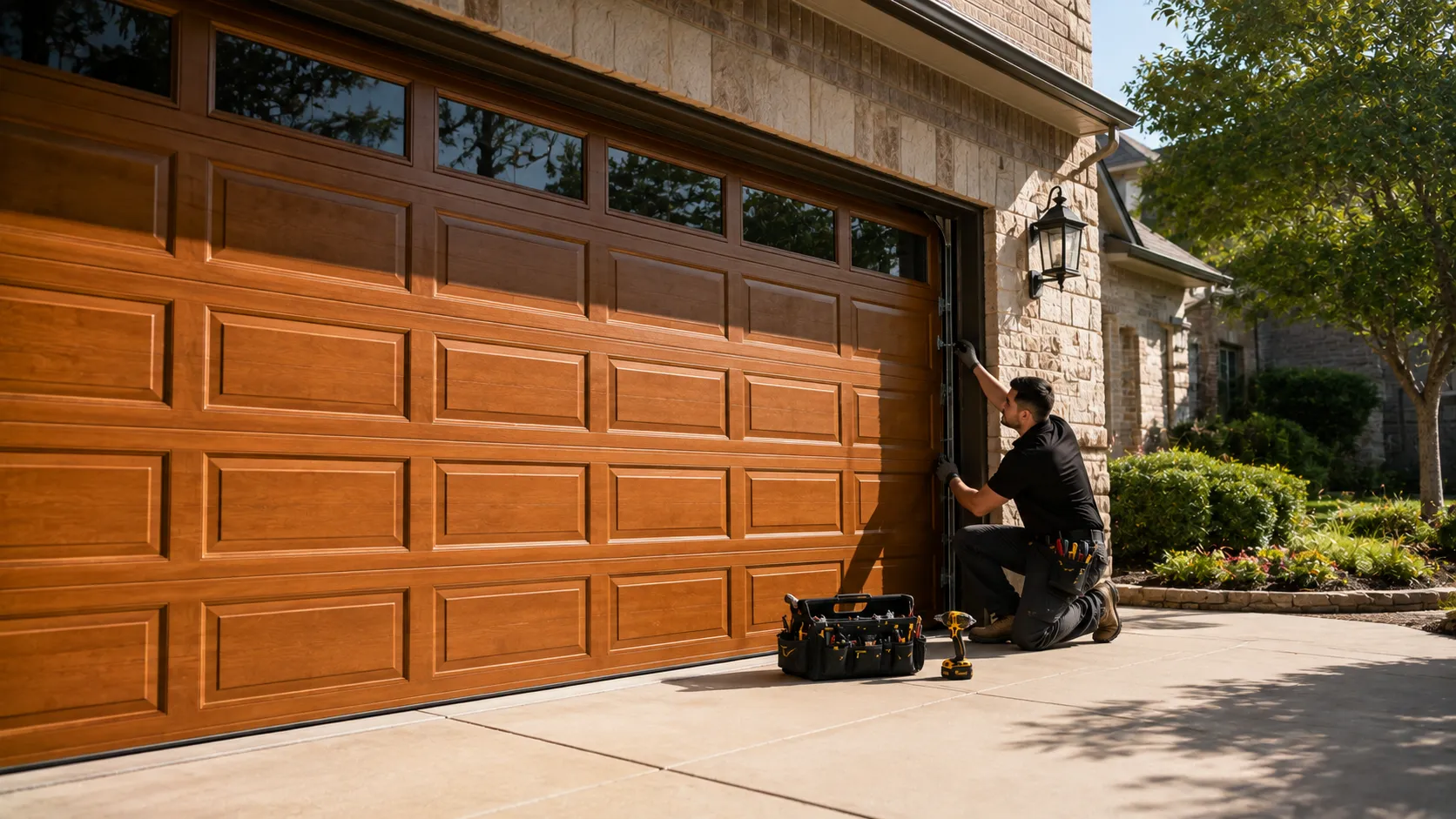
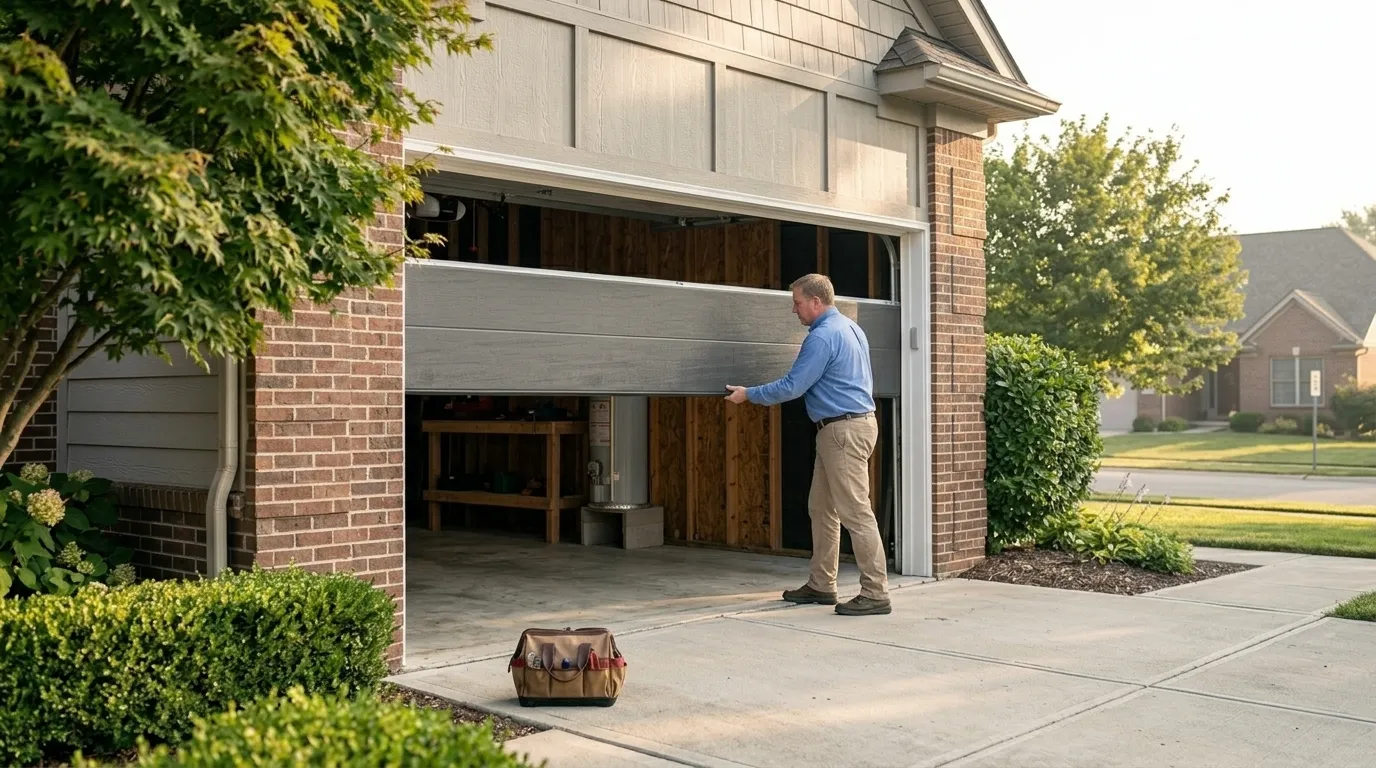
We still see the basics: a snapped torsion spring, a cable that's frayed off the drum, a bent track from a car clipping it backing out. The difference in Parkland is less about age of the house and more about the door being a bigger, heavier panel on a wider opening, which puts more load on the spring and the opener's gearing than an older, lighter door would.
The DIY Question
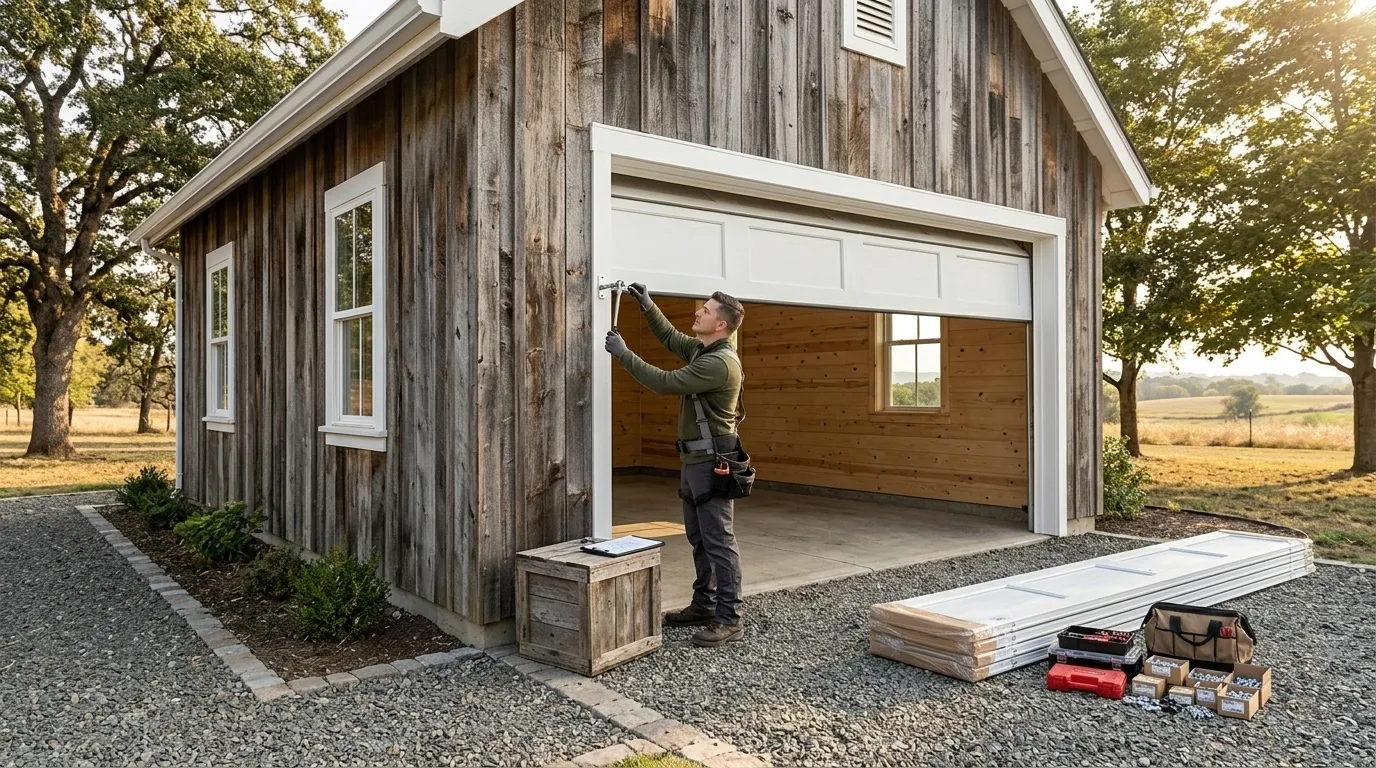
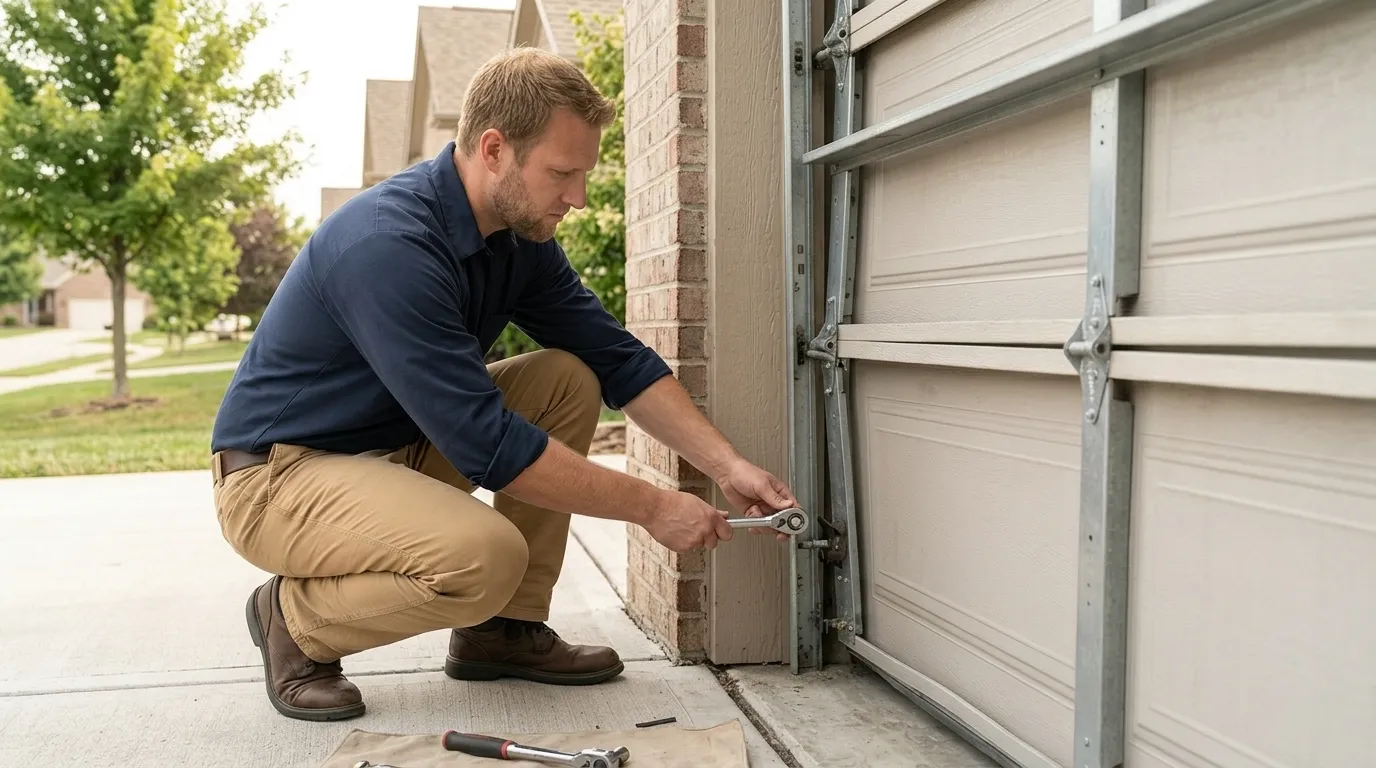
A broken spring on a newer, heavier double door is not a project to take on with a ratchet and a YouTube video. The spring is under more tension than an older lighter door because the panel itself weighs more, and if it lets go while you're working on it, it can break bones or worse. That's the honest limitation here: we don't talk anyone through a spring swap over the phone, and we wouldn't recommend a wrench set for it either.
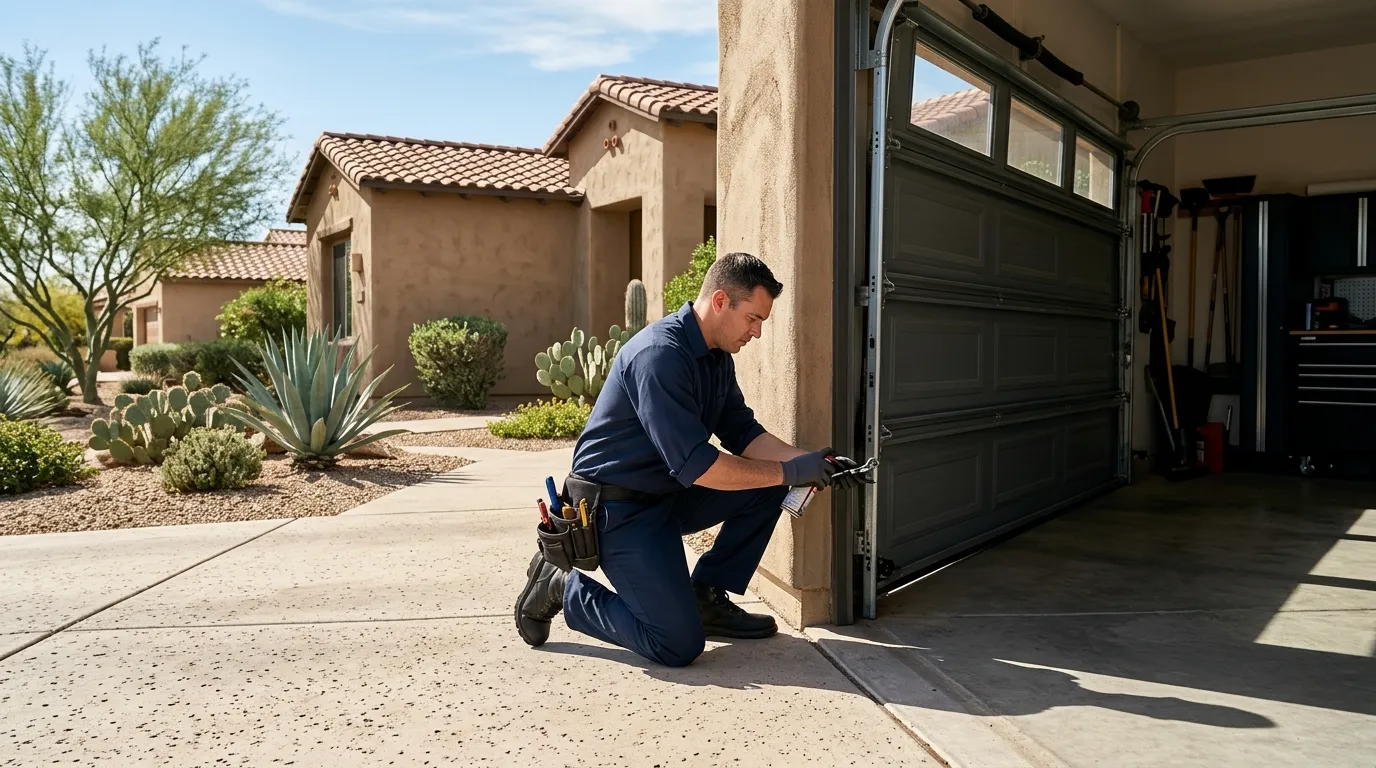
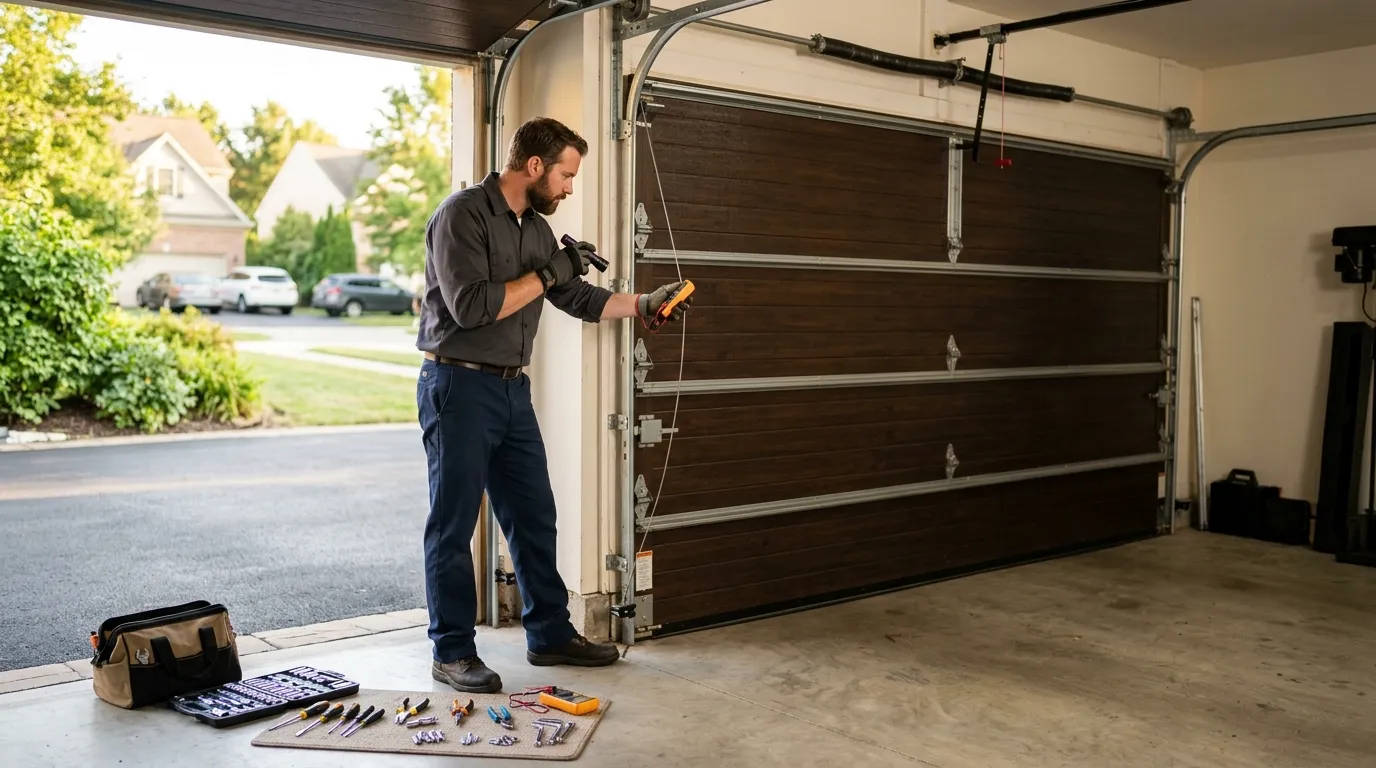
Where a homeowner can reasonably do their own troubleshooting is at the opener. If the door won't respond, check that the wall switch has power, that the photo-eye sensors near the floor aren't knocked out of alignment or blocked by a bin or a bike, and that the remote's battery isn't dead. Those three things account for a lot of no-response calls and cost nothing to check.
Beyond that - bent track, a cable off the drum, a roller that's cracked and binding - the tools and the risk go up together. A torsion spring under a jammed door still has stored force in it even when the door looks stuck, and that's the part that hurts people who try to force it open by hand.
What the Repair Takes
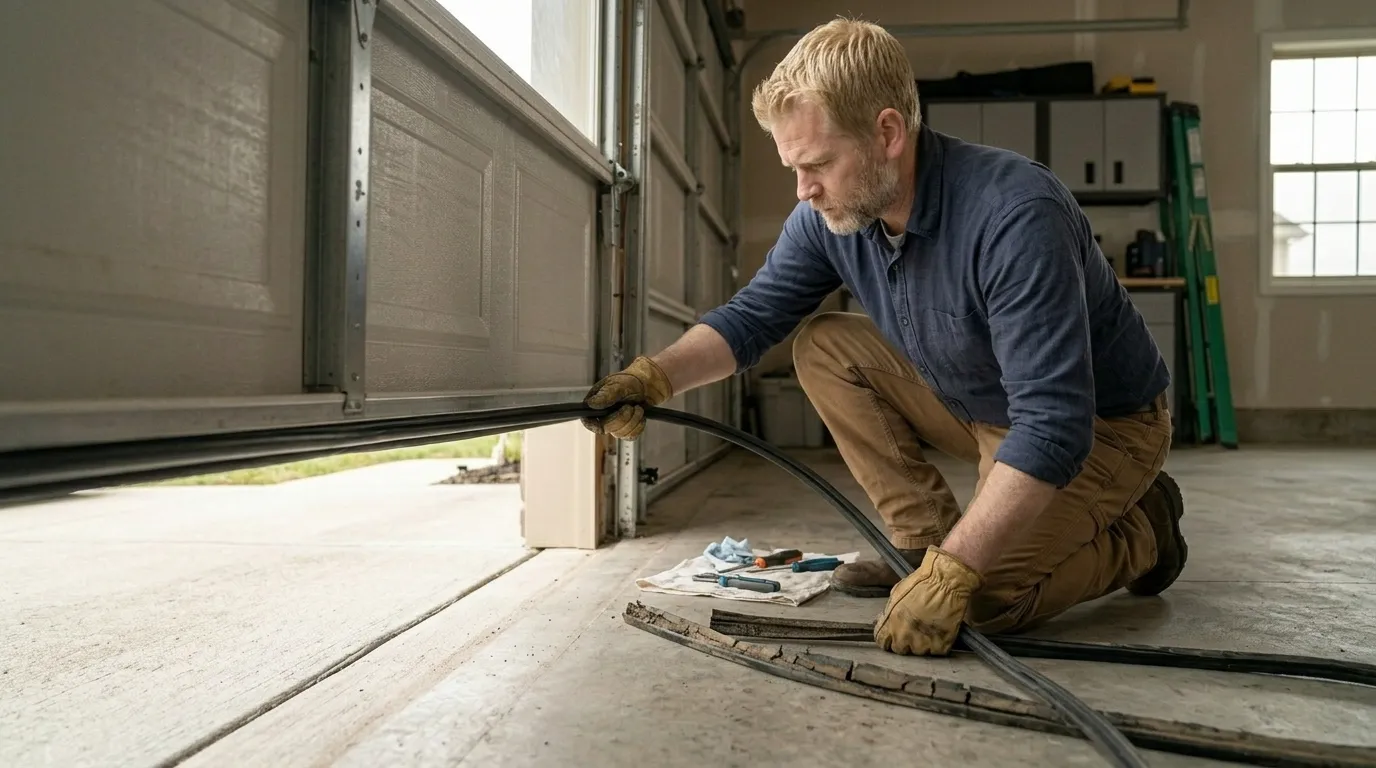
For a broken torsion spring on a standard double door, the visit is a matched spring replacement sized to the door's actual weight, not a universal stand-in - undersizing it just means a shorter life and another failure. For opener issues, we check force and travel limits, sensor alignment, and the gear set inside the unit before assuming the whole opener needs replacing.
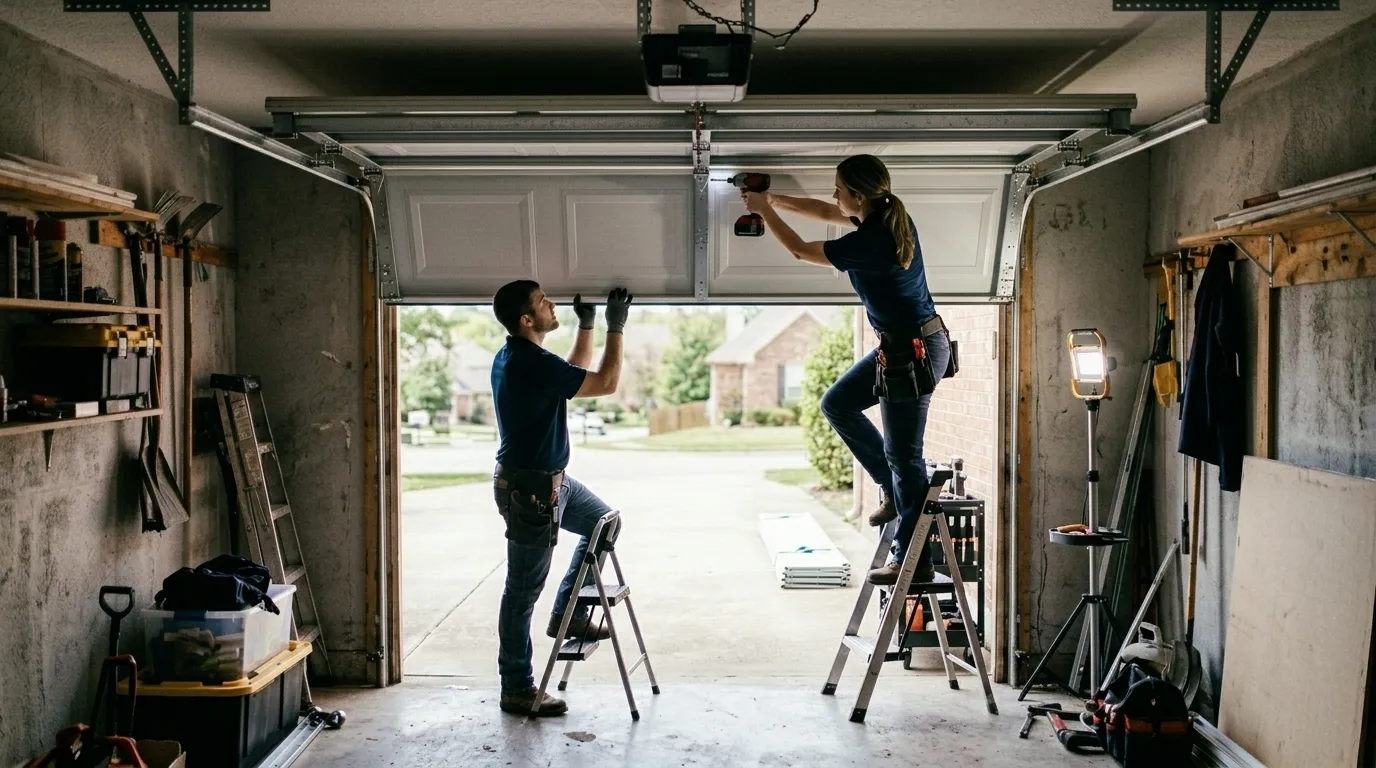
Parts for newer openers with circuit boards are generally easier to source than the obsolete hardware on much older doors, which cuts down on the waiting-on-a-part delay. That's one advantage of the newer stock out here.
We don't stock every size on the truck for every visit, so a job that turns out to need a nonstandard spring or a specific opener board sometimes means a return trip. We'd rather tell you that up front than promise a one-visit fix and not deliver it.