What Can Go Wrong
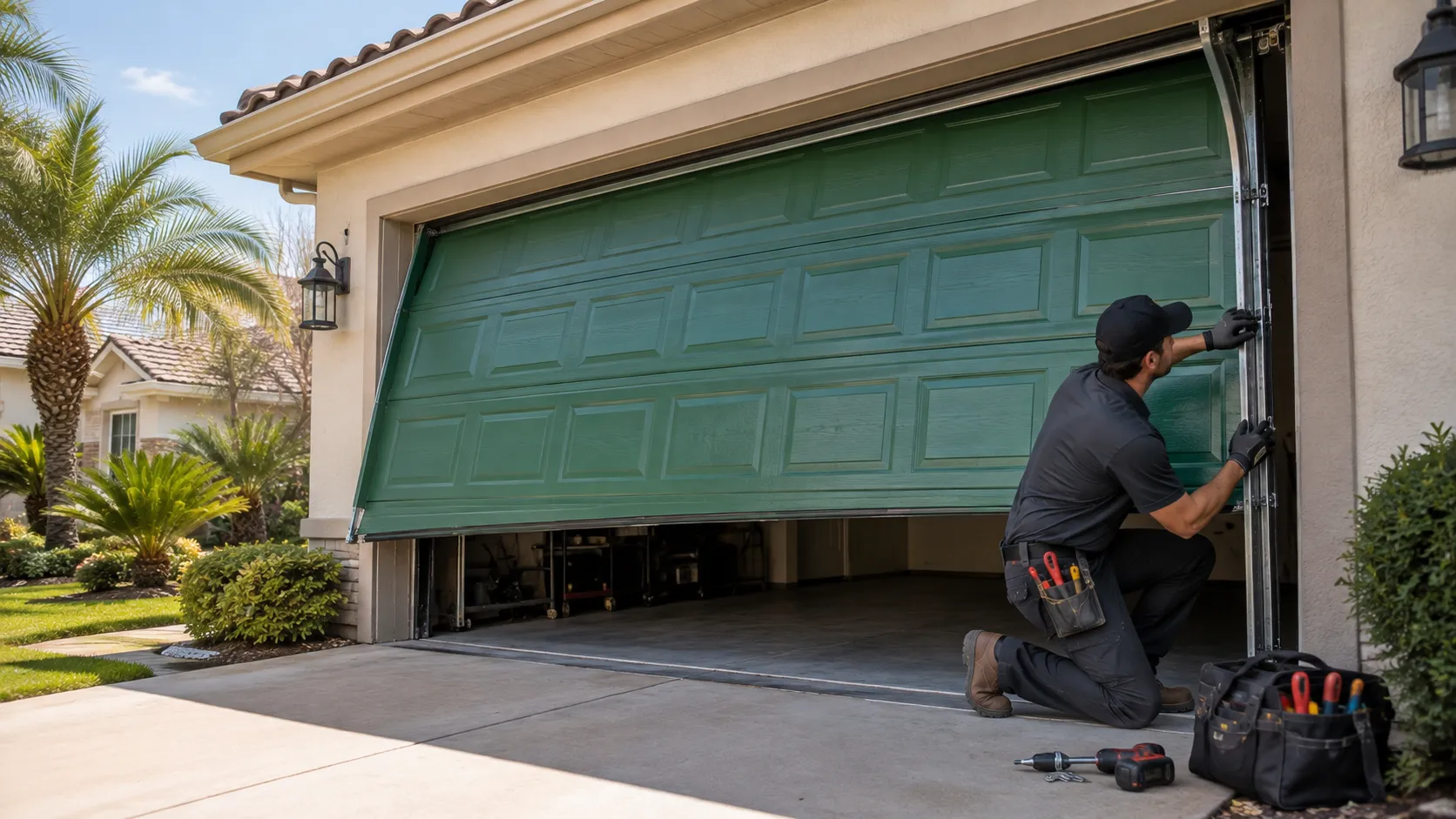
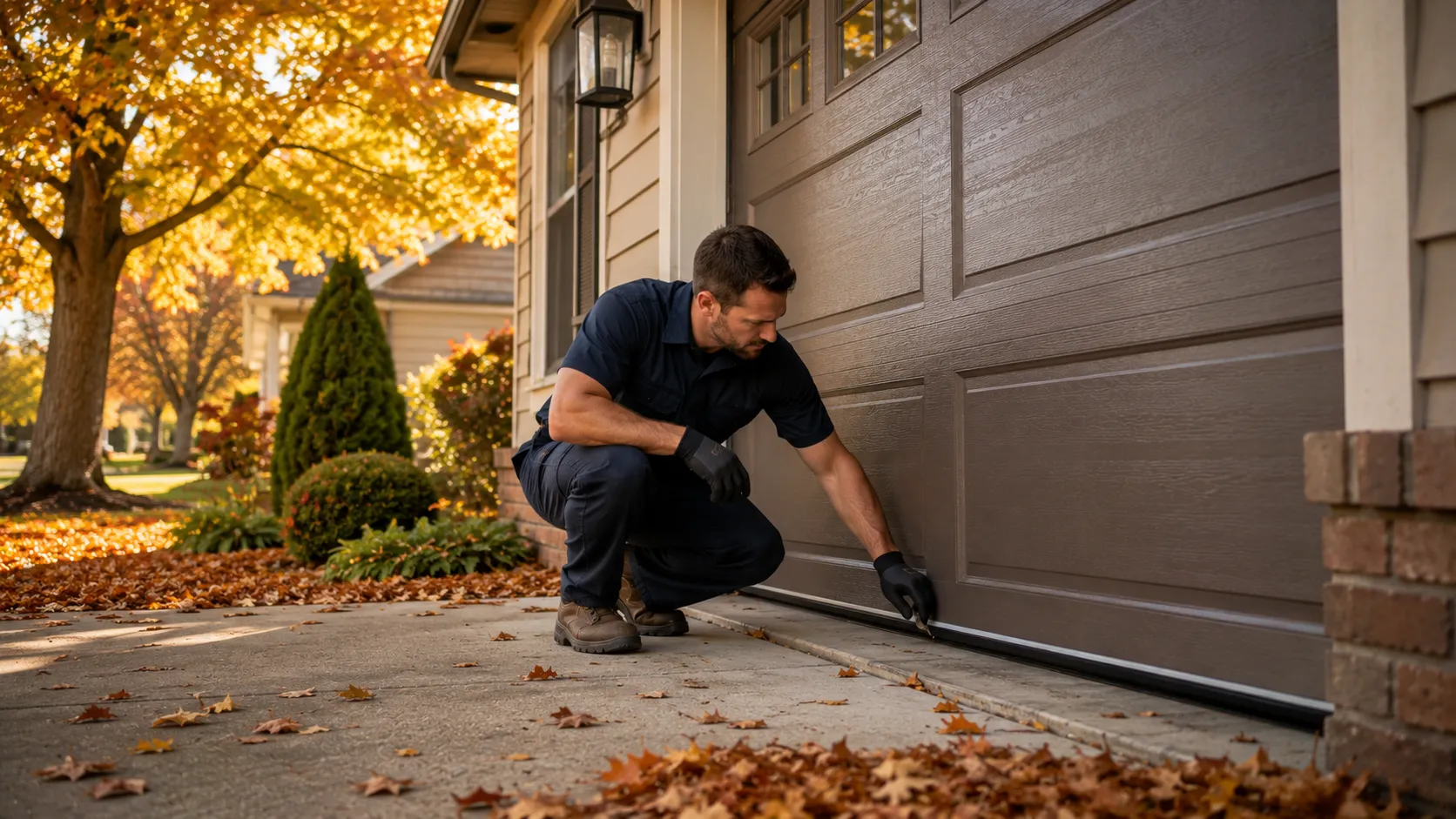
Parkland has about 10,828 households, a small slice of the 387,256 households spread across the whole area we cover out of Fort Lauderdale. That size matters for the kind of calls we get. Fewer houses means fewer doors overall, but the doors here run newer and heavier than what we see across most of the service area. Parkland's median build year is 2005, decades past the service area's overall median of 1975. Across the wider area the stock leans 1960s and 70s, which means older torsion setups, narrower single-bay openings, and chain-drive openers that have usually been swapped out at least once by now. Parkland skews the other way - wider three-car openings, insulated steel sections, and belt or screw-drive openers that came with the house. That changes what breaks. Instead of worn extension springs on a light single door, we're more often looking at heavier torsion springs sized for a wide double or triple door, and openers with circuit boards rather than simple relay logic. The mild temperate climate here doesn't add freeze-thaw stress, but humidity still dries out factory lubricant on rollers and hinges faster than most owners expect on a newer door.
The DIY Question
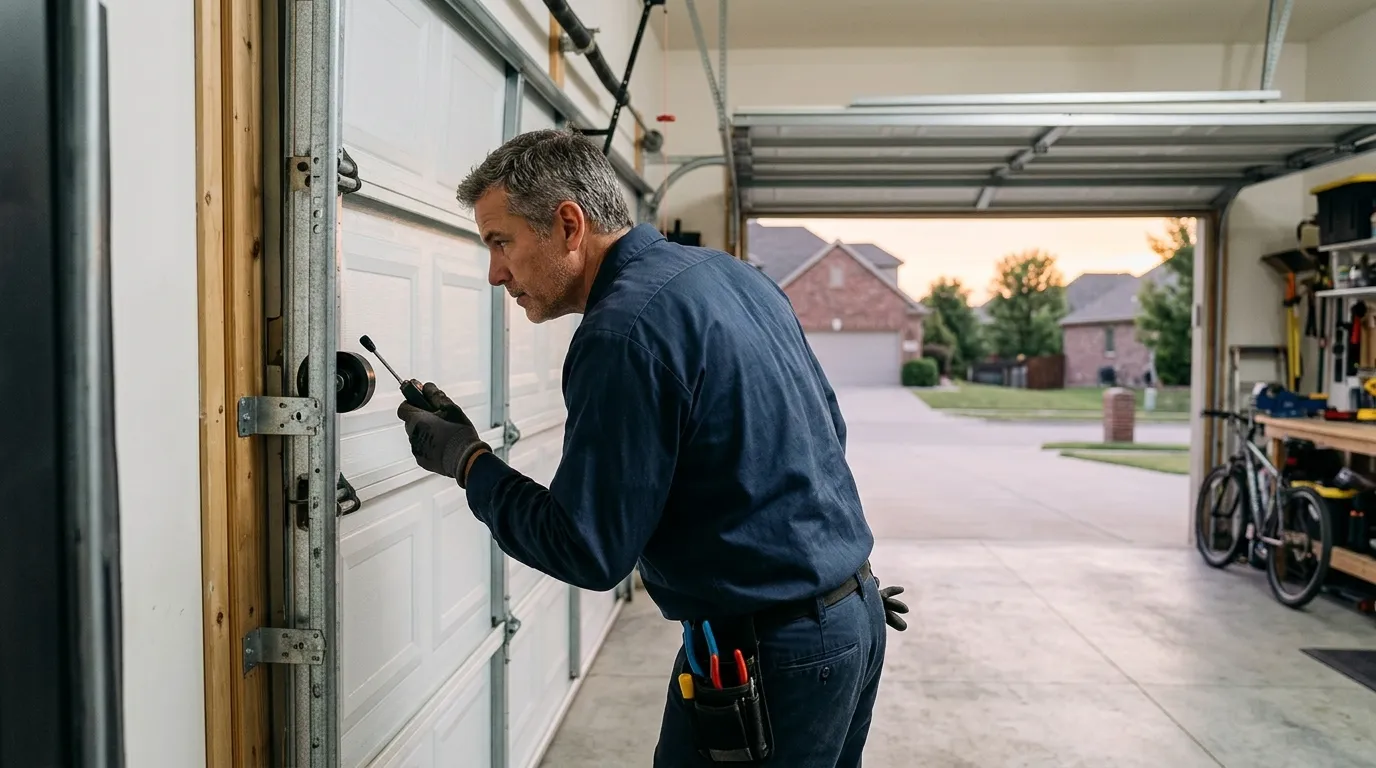
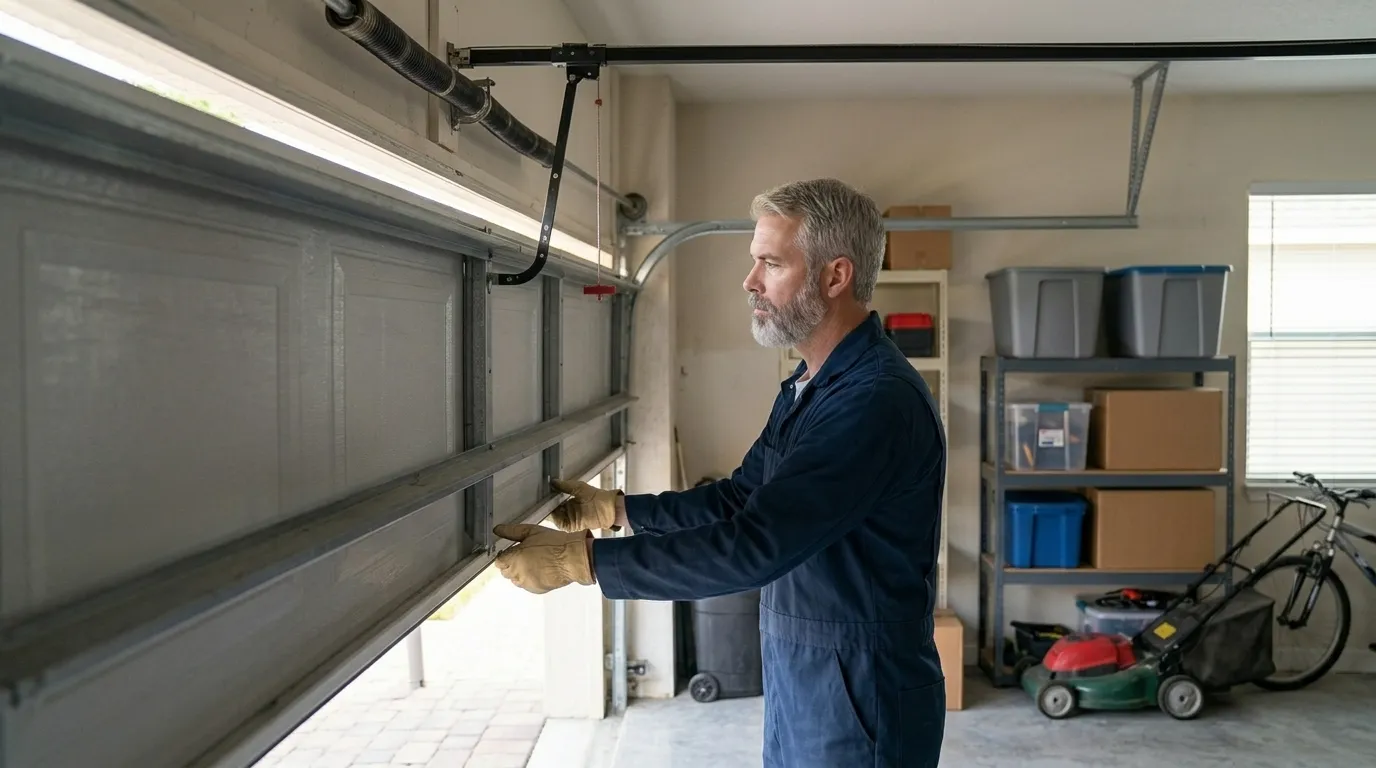
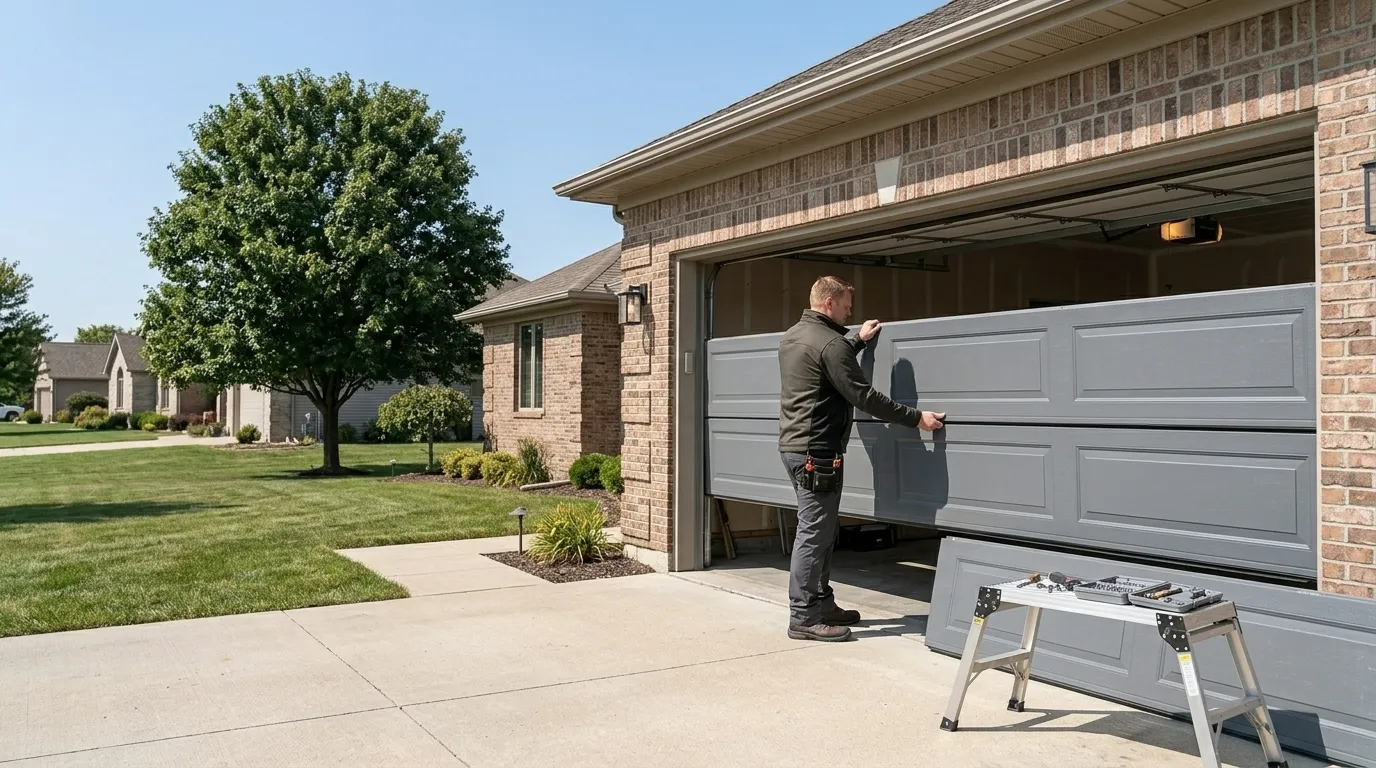
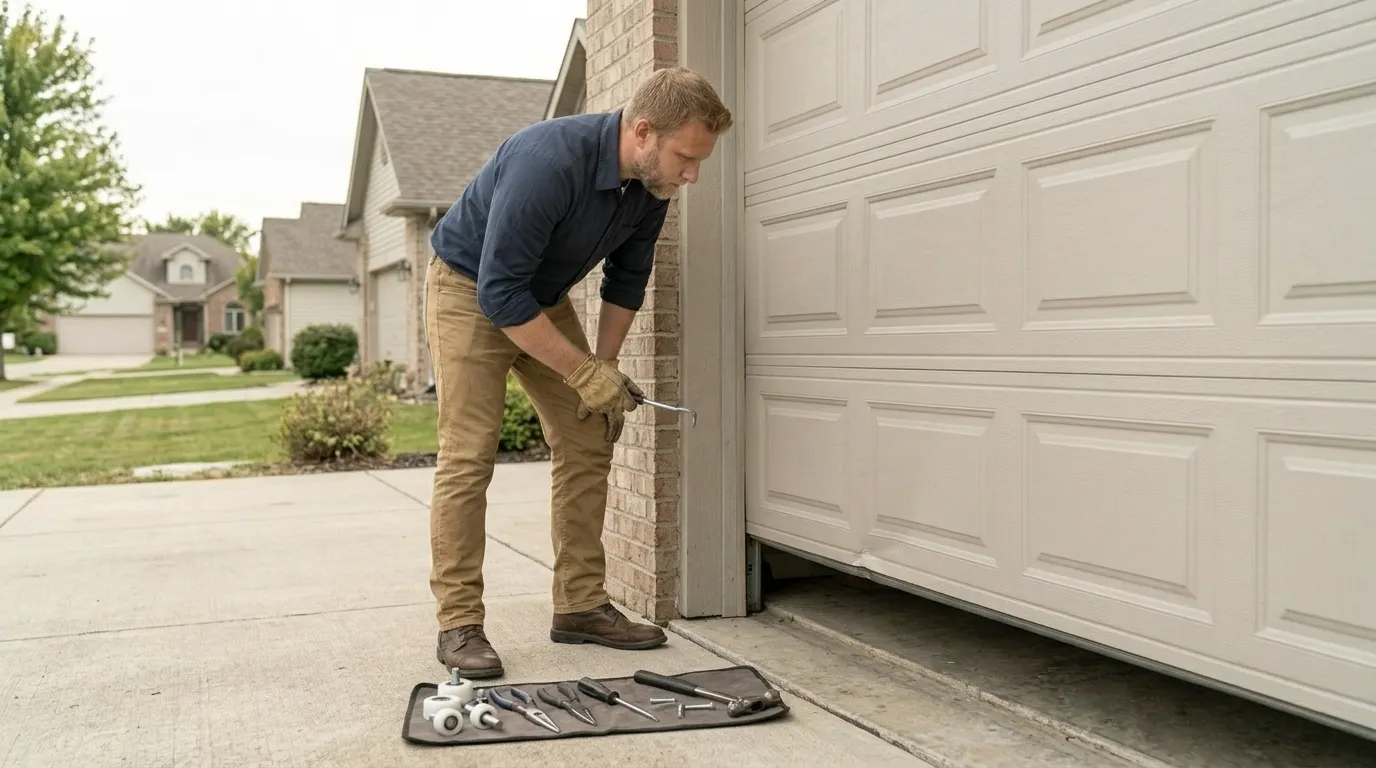
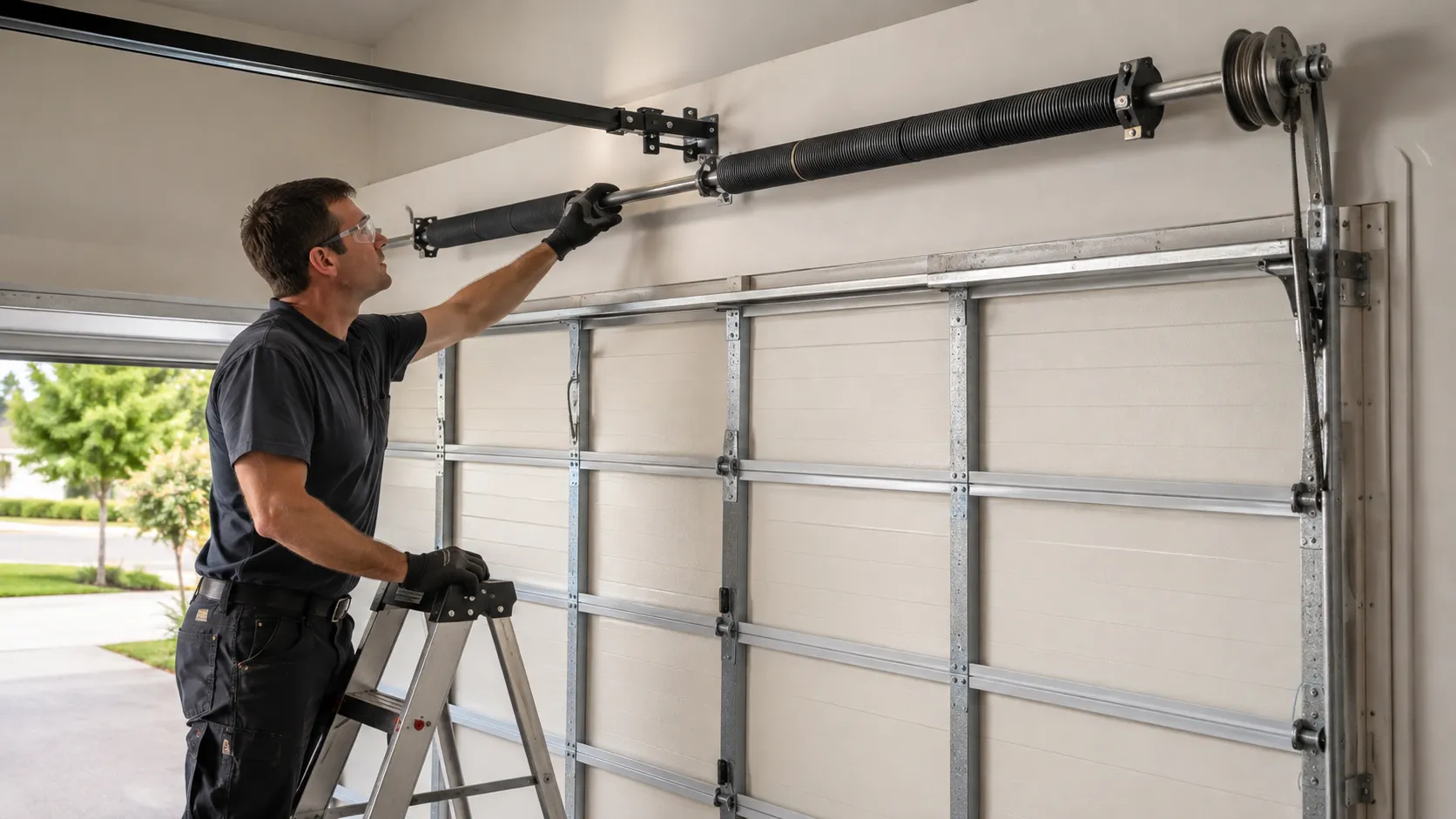
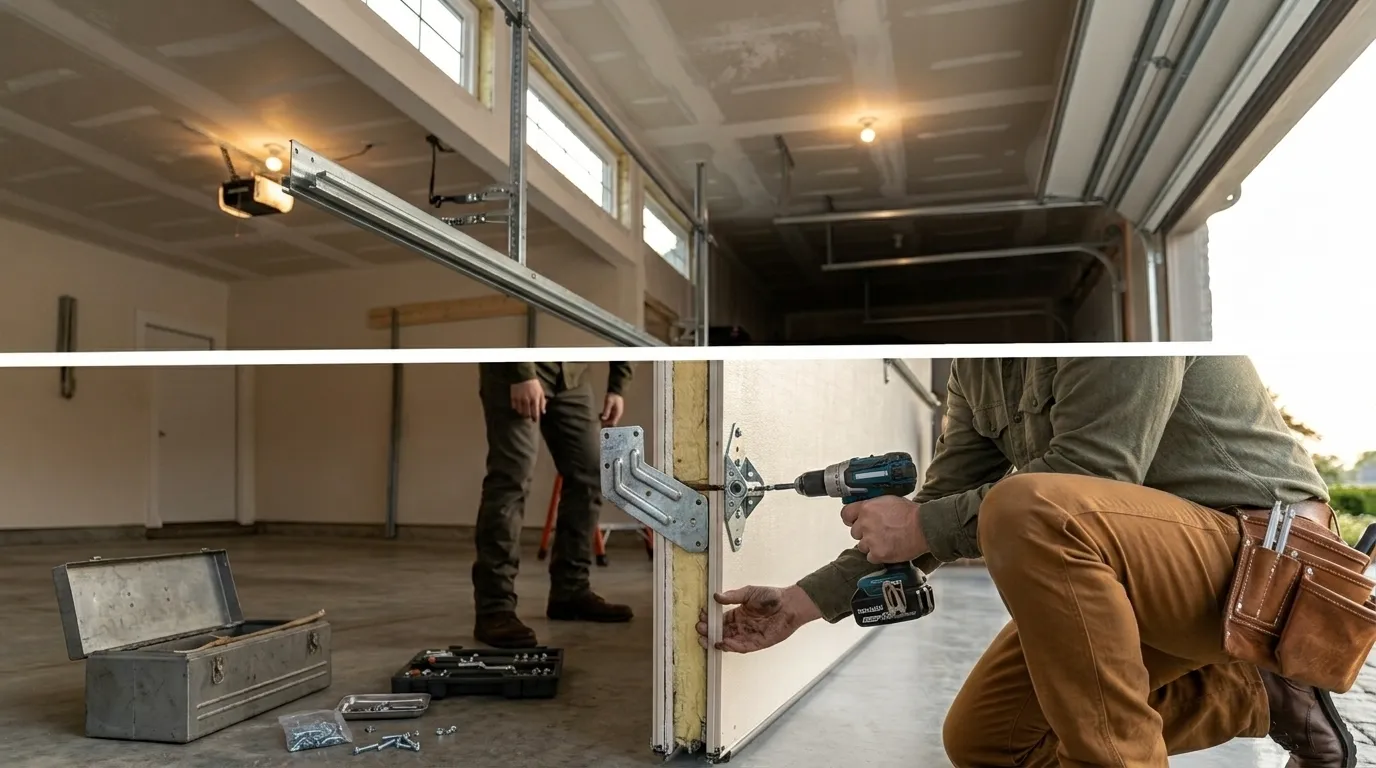
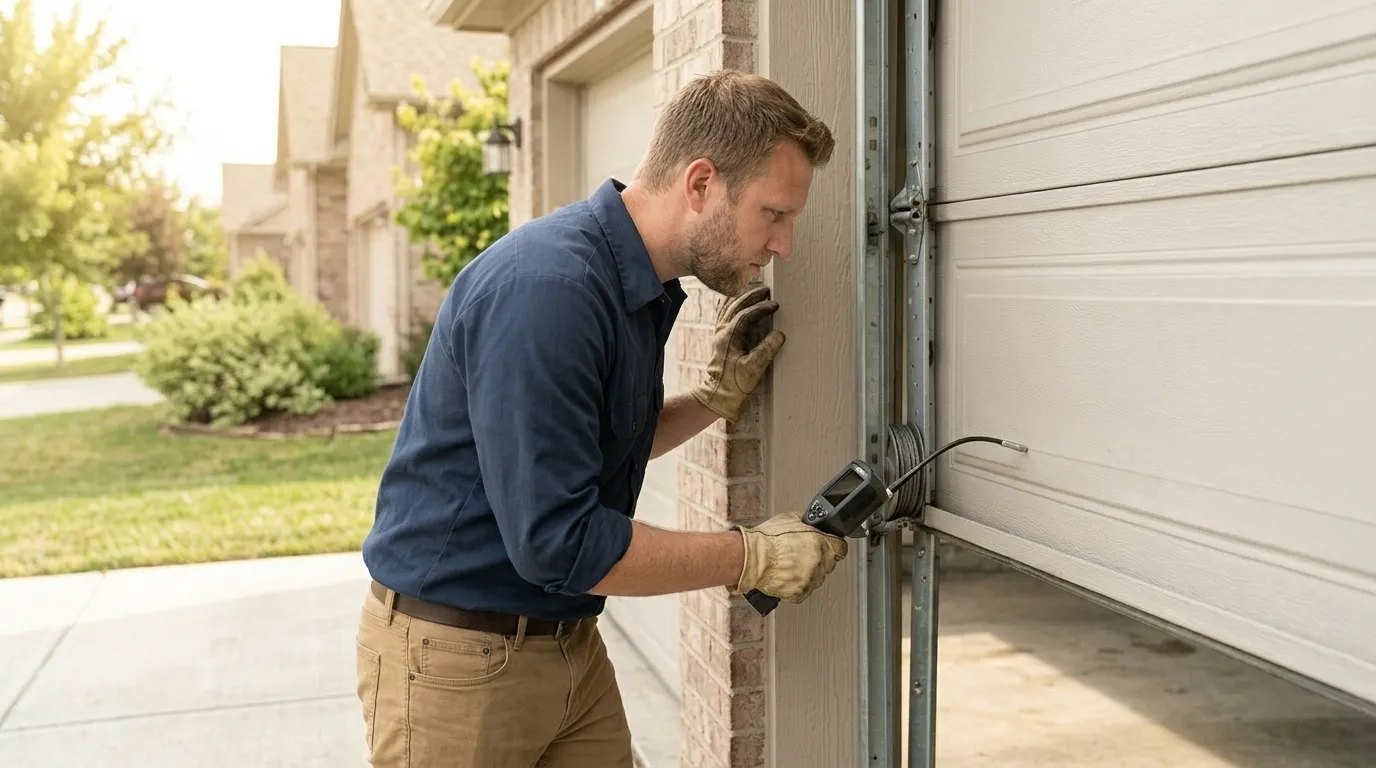
A torsion spring on a wide double or triple door built after 2000 carries more stored energy than the older single-door setups common elsewhere in the service area - that's not a place to save a service call. Winding or unwinding one without the right bars is how people get hurt, regardless of how new or clean the door looks. What you can handle yourself: swapping opener remote batteries, wiping down and lubricating rollers and hinges twice a year, checking that the photo-eye sensors are aligned and clear of dust, and tightening loose bolts on the track brackets. What we'd rather you call for: anything involving the spring, the cable, or the opener's internal gearing. One honest limitation here - if a panel on a newer insulated steel door gets dented or cracked, we sometimes have to order a matched replacement panel from the manufacturer rather than pull one off a shelf truck-side, since these doors aren't the standard stock sections common on older builds. That can mean a wait, and we'll tell you upfront if that's the case rather than promise a same-day fix we can't back up.
What the Repair Takes
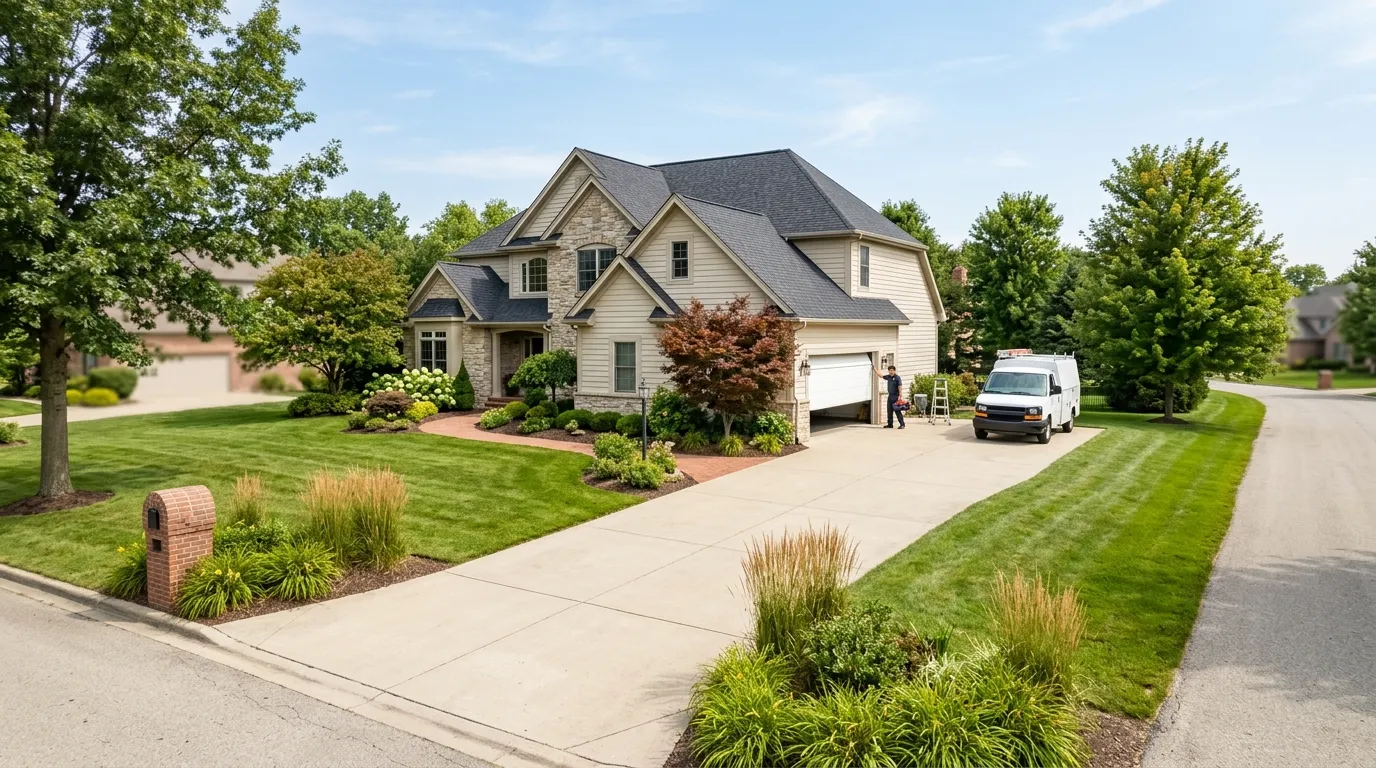
We drive out to Parkland from Fort Lauderdale, about 14 miles, since there's no branch located in Parkland itself - we're upfront about that rather than implying a local depot we don't have. For a straightforward spring or roller job, we bring standard parts on the truck. For a panel match on a newer insulated door, or a specific belt-drive opener board, we may need to order the exact part rather than substitute something close, which can add a day or two. Parkland's median household income of $200,156 runs well above the service area's overall median of $62,201, and that tends to track with higher-end door and opener installs - insulated steel with a factory finish, Wi-Fi-enabled openers with battery backup - rather than the bare mechanical setups more common on older houses elsewhere. That affects the parts we quote, not the labor. A spring swap or opener repair takes the same skill and roughly the same time whether the door is from 1975 or 2005; what changes is what's sitting behind the panel.