What Can Go Wrong
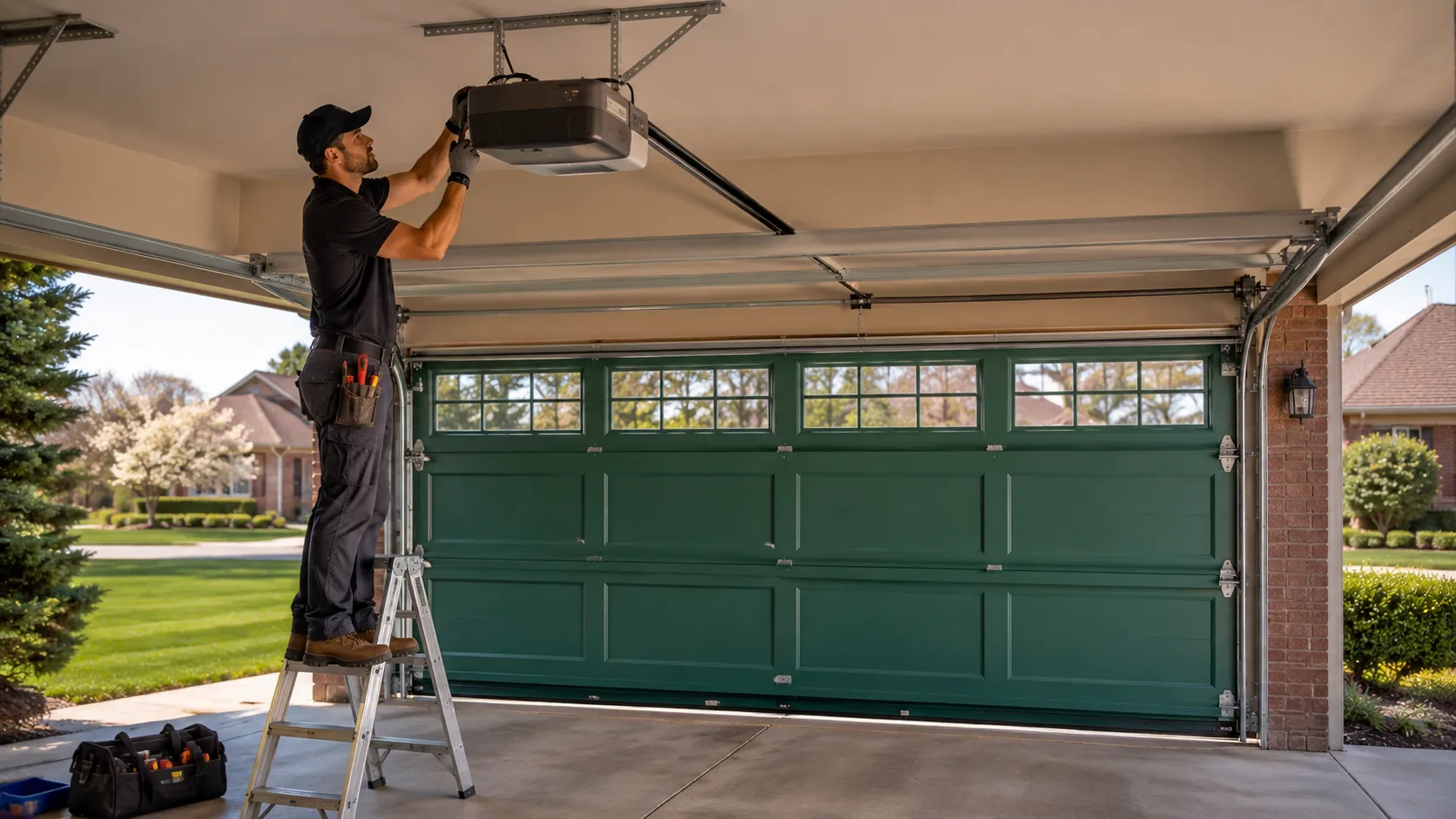
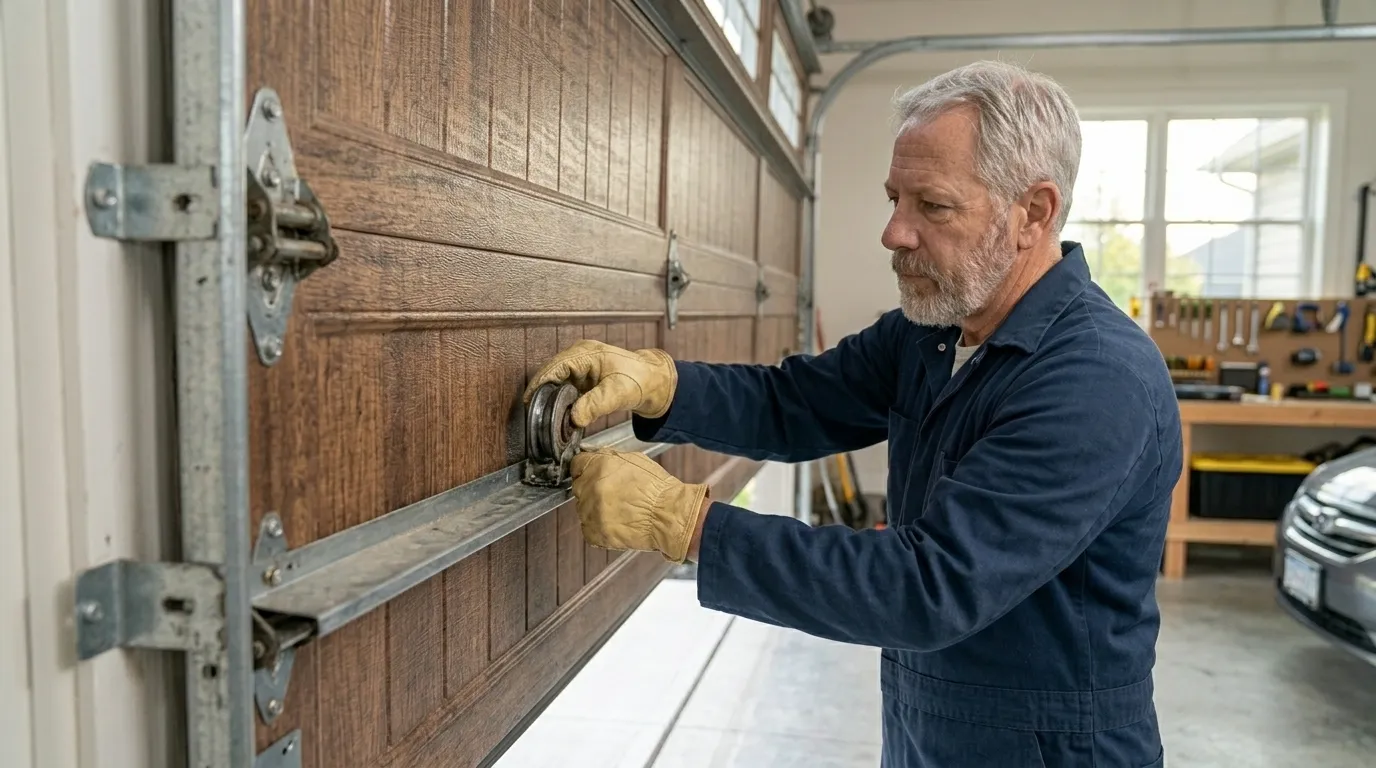
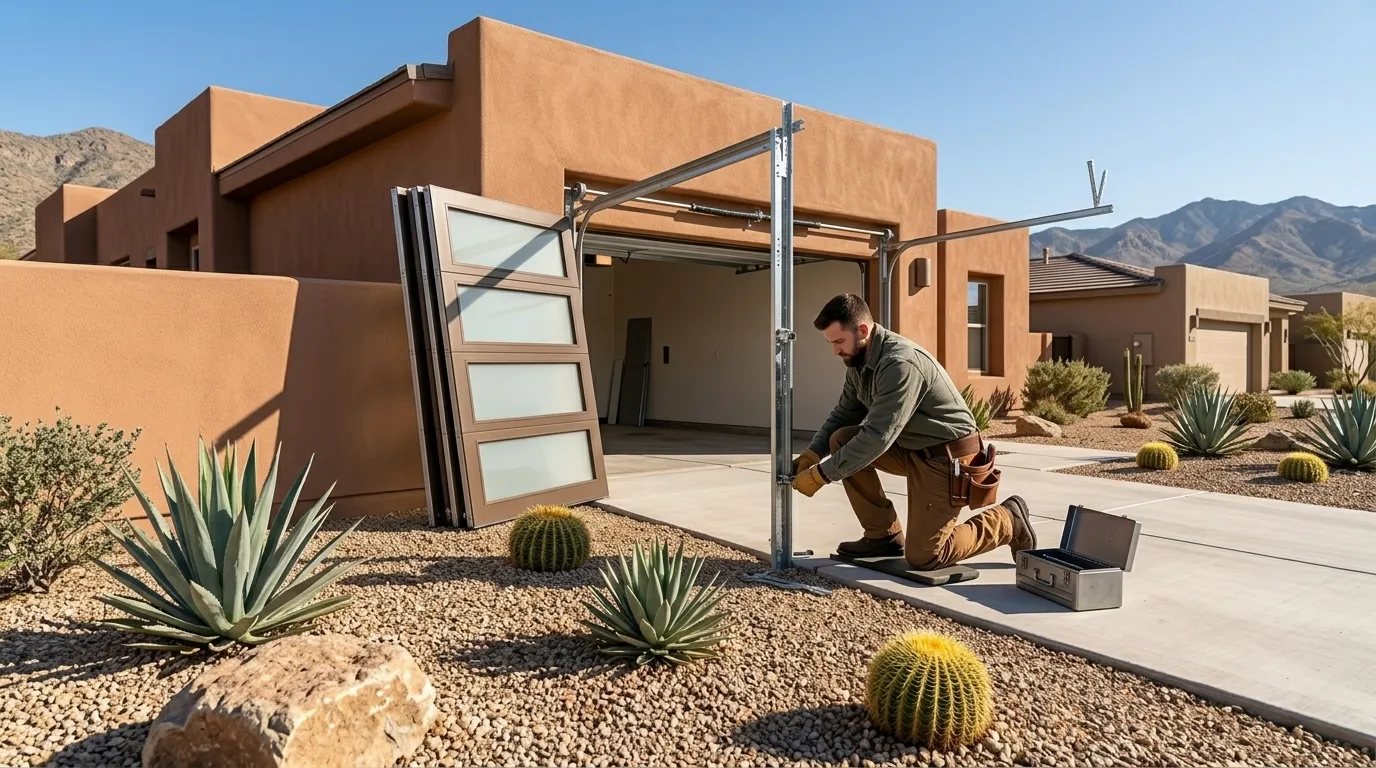
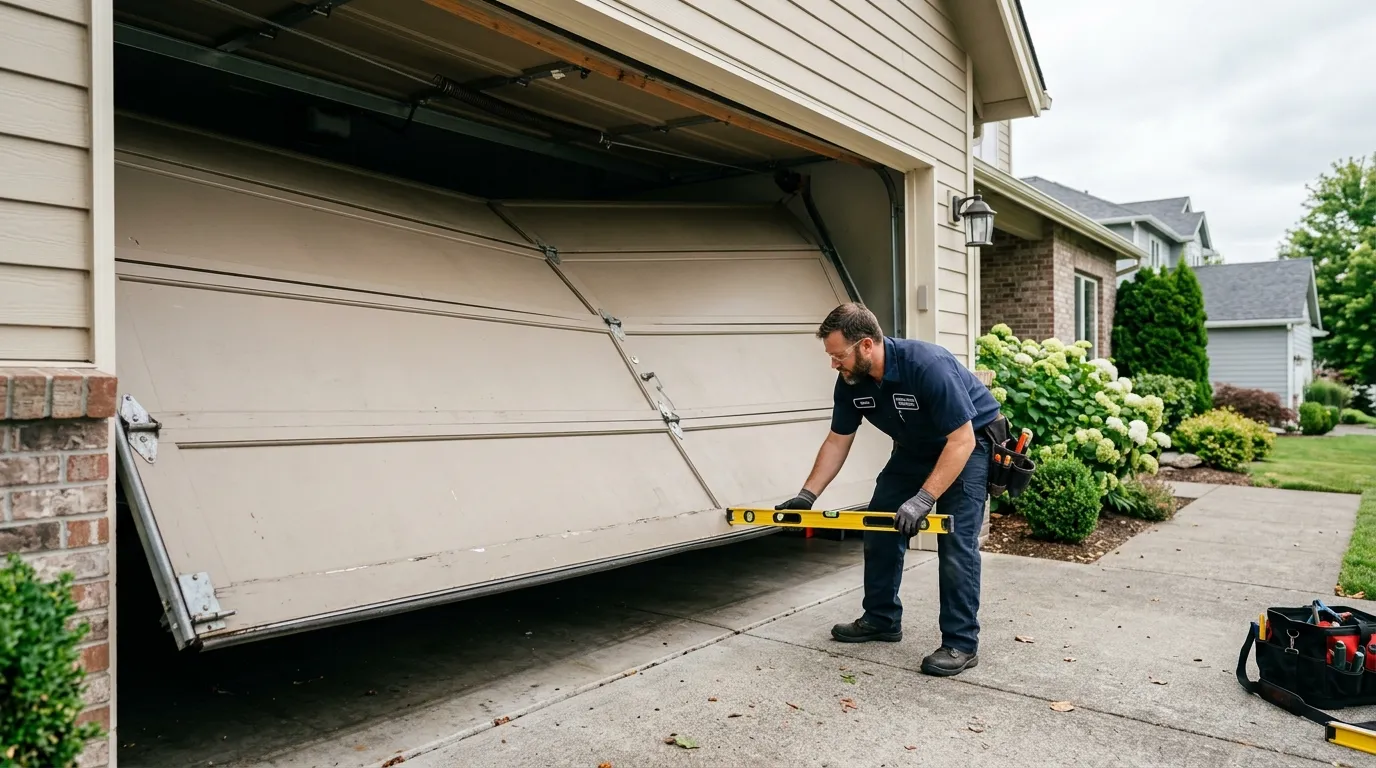
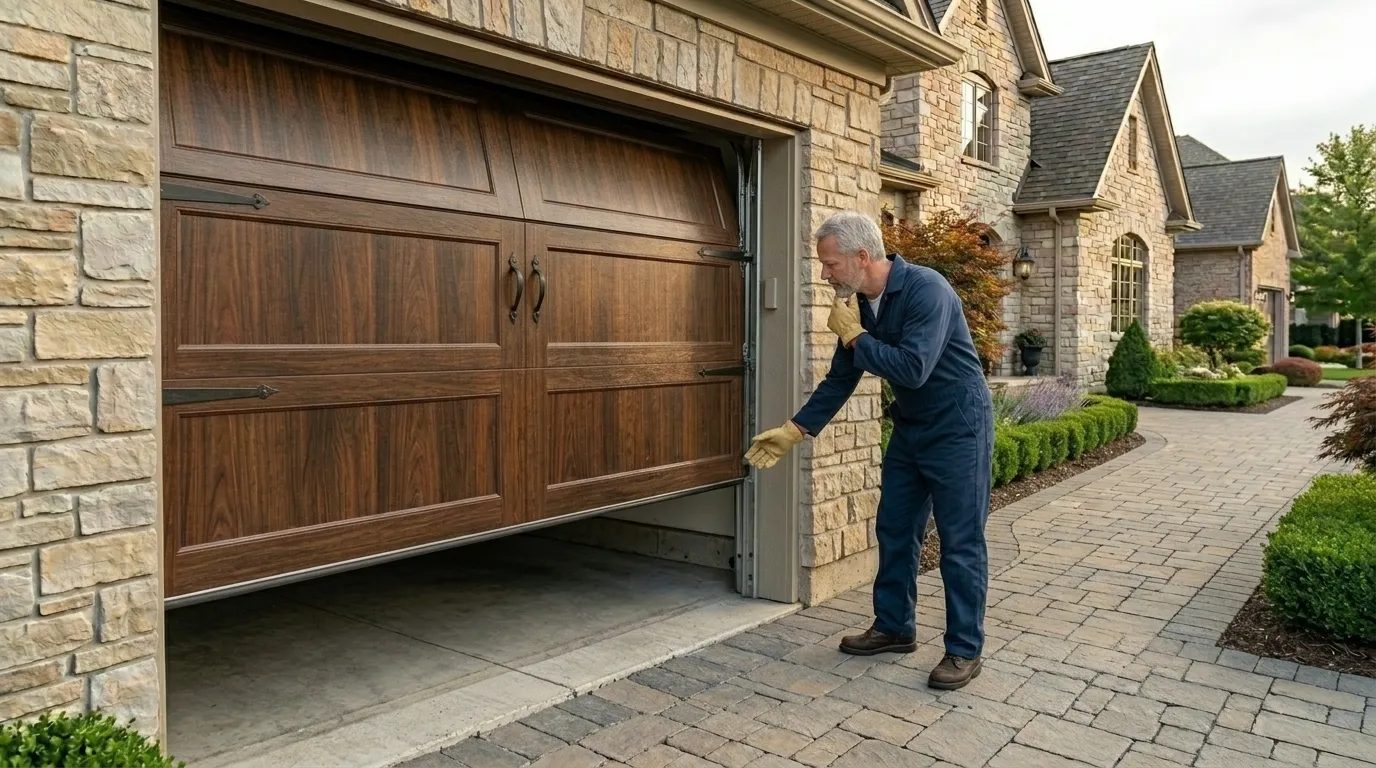
Parkland's housing stock is younger than most of the towns we work in - the median home here was built around 2005, decades newer than the 1975 median across the wider service area. That matters for openers because newer construction in this area tends to carry taller, wider two-car doors in heavier insulated steel, sized for bigger garages than the 1960s and 70s stock common closer to Fort Lauderdale. A lighter chain-drive opener sized for an older, lighter door often gets pushed past its rated duty cycle on these doors, and that shows up first in the gears and the drive mechanism, not the motor itself. We also see circuit board faults on the newer, feature-loaded openers common in higher-value homes - units with battery backup, WiFi modules, and rolling-code boards have more that can fail electronically compared to the bare-bones openers still running on older doors elsewhere in the area. Limit switches drift out of calibration faster on heavier doors too, since the extra weight stresses the travel adjustment every time the door cycles. None of this is dramatic - it's wear that matches the load, and the load here is heavier than average.
The DIY Question
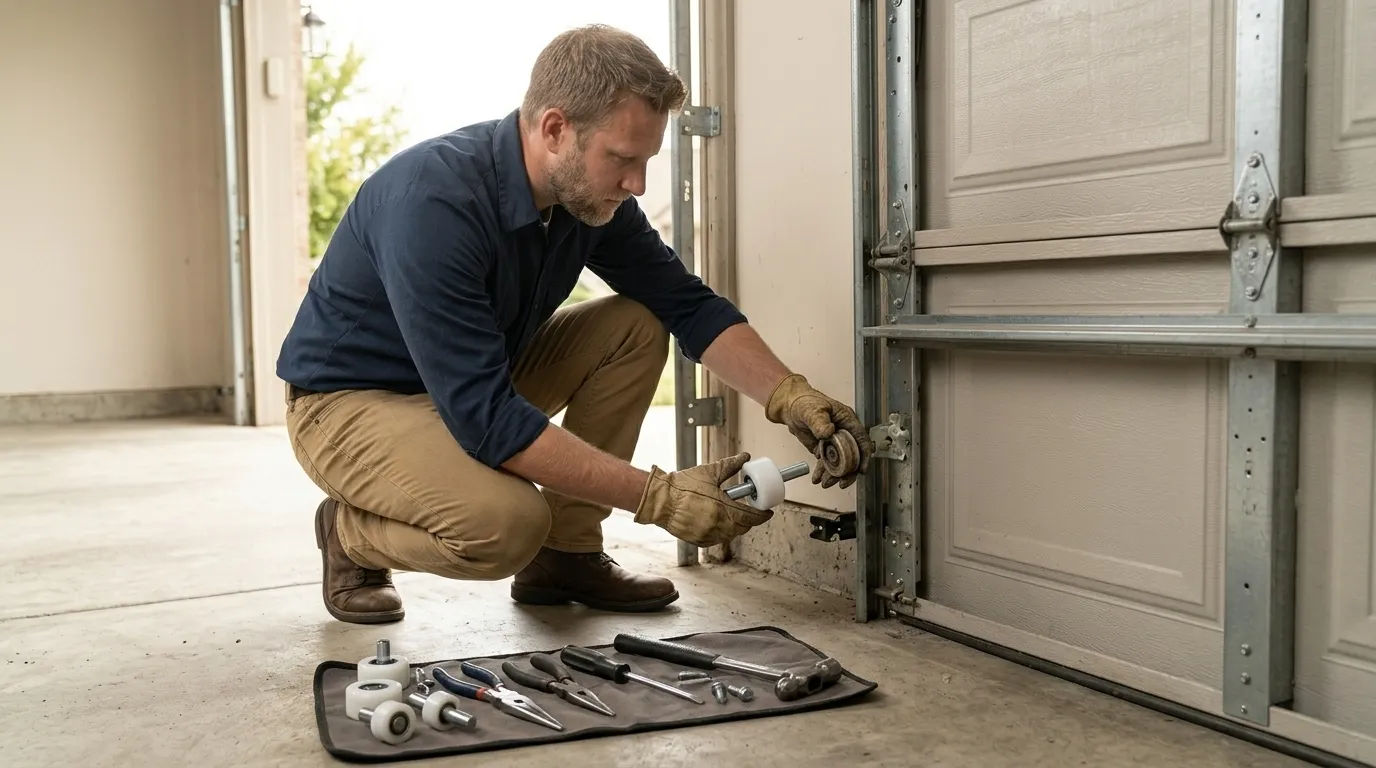
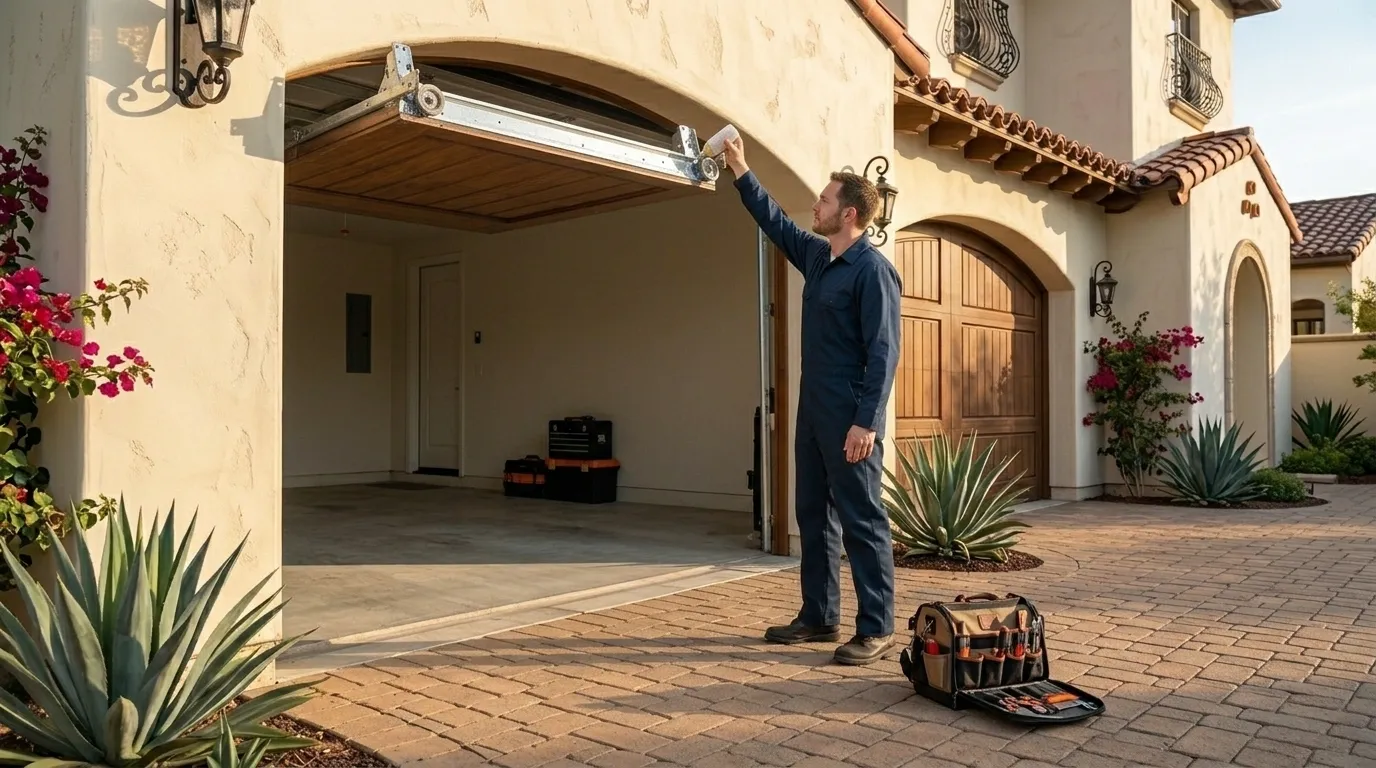
If your opener just needs a remote reprogrammed or a sensor realigned, that's a fair DIY job and we won't talk you out of it. Where we'd stop you: touching the circuit board on a newer, feature-rich opener without knowing the exact model. Parkland's median household income of $200,156 is well above the $62,201 median across the broader service area, and homes at that income level more often run mid-to-premium opener brands with proprietary boards - parts for those aren't sitting on a shelf at the corner hardware store, and ordering the wrong board wastes a week of shipping. We'll say plainly: if your opener is under a manufacturer warranty tied to a specific dealer network, call that dealer first. We repair what's in front of us, but we don't want you voiding coverage over a part we could have told you to leave alone.
What the Repair Takes
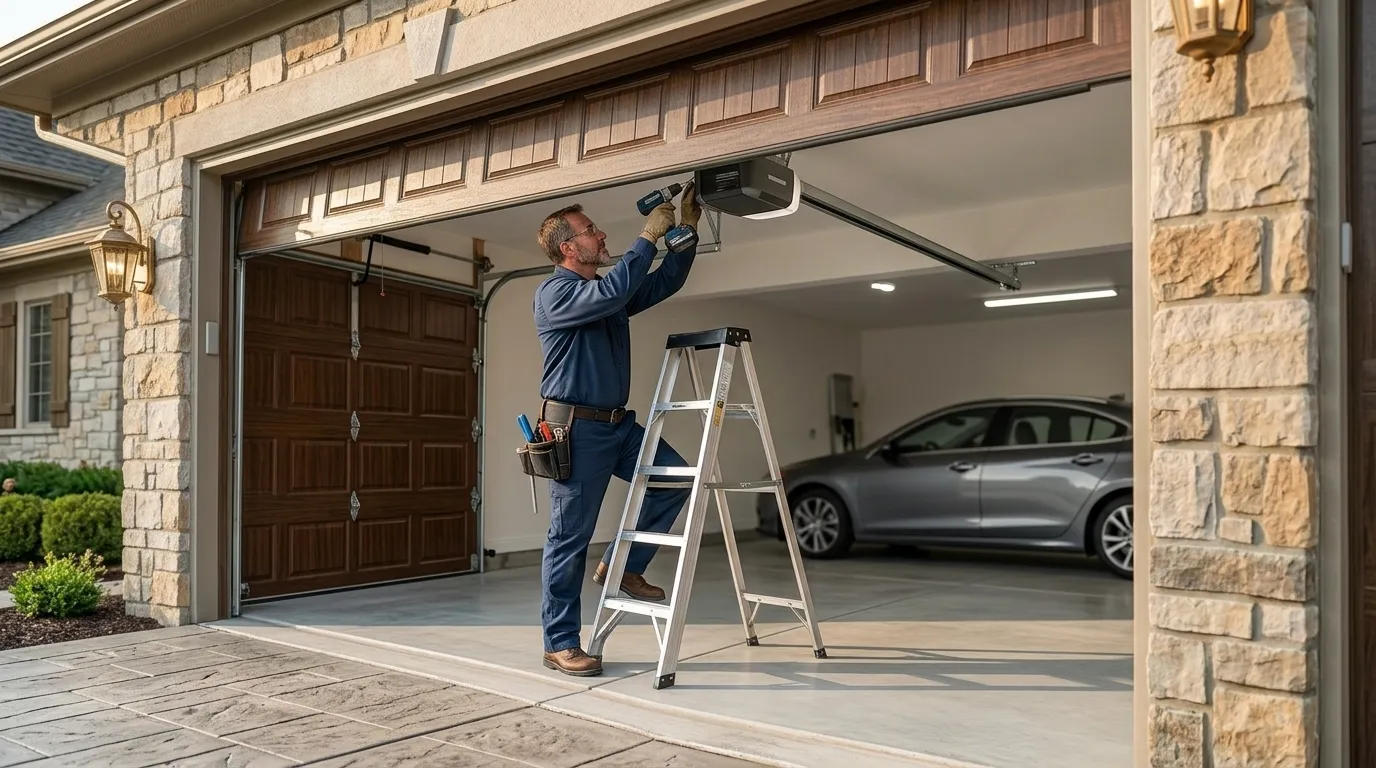
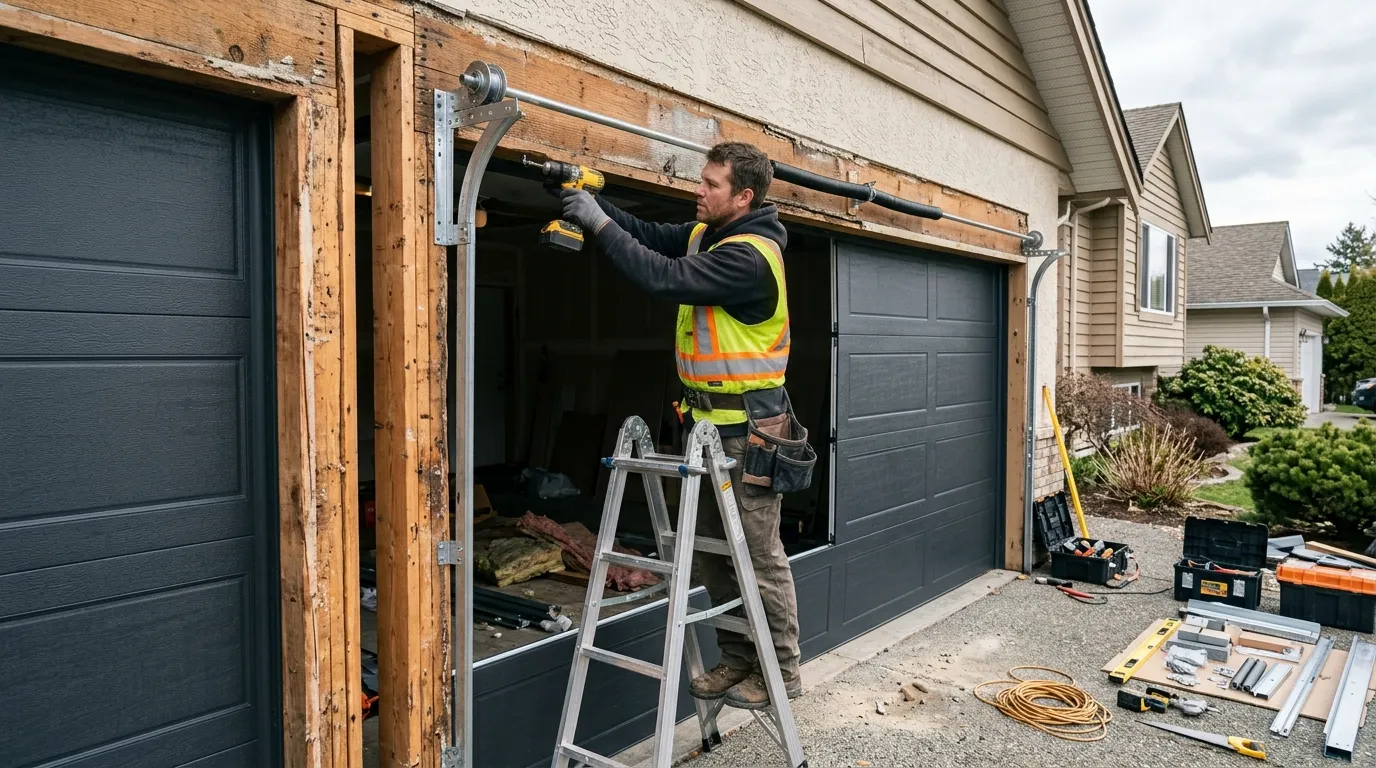
We travel out from Fort Lauderdale, about 14 miles to Parkland, so we bring the diagnostic gear to sort out whether a fault is mechanical, electrical, or a limit-switch calibration issue before we start swapping parts. On a heavier door, we check that the opener's horsepower and drive type actually match the door's weight - a mismatch is often the root cause even when the immediate symptom looks like a bad gear or a dead board. Straightforward jobs - gear kits, sensor alignment, limit switch resets - we handle on the truck. Board or logic-board replacements on premium models sometimes need us to confirm the part number on site before ordering, which can mean a second trip; we'd rather tell you that upfront than promise a same-visit fix we can't guarantee on a part we haven't sourced yet.