What Can Go Wrong
With roughly 31,115 households packed into Tamarac, this isn't a town with a handful of garage doors - it's thousands of openers aging on the same rough schedule, because most of them went in around the same time the houses did. Most homes here went up around 1981, which puts a lot of original chain-drive openers past the point where the drive gear and capacitor start going within the same year or two of each other. That's the call we get most from this side of the service area: the opener runs but the door doesn't move, or it hums and stops.
An opener installed the same year plenty of Tamarac's houses were built - 1981 - predates the federal requirement for photo-eye safety sensors, so if the original unit is still hanging on, it's running without one. That's not a small thing. It also means replacement parts for that generation of motor are getting harder to source new, which pushes some of these jobs toward a full opener swap rather than a repair.
The mild, humid climate here does its own slow damage too - logic boards and limit switches corrode at the contacts faster than they do somewhere dry, even without a hurricane involved. Circuit boards fail quietly; you just get a dead unit one morning with no warning clicks.
What Is on the Truck
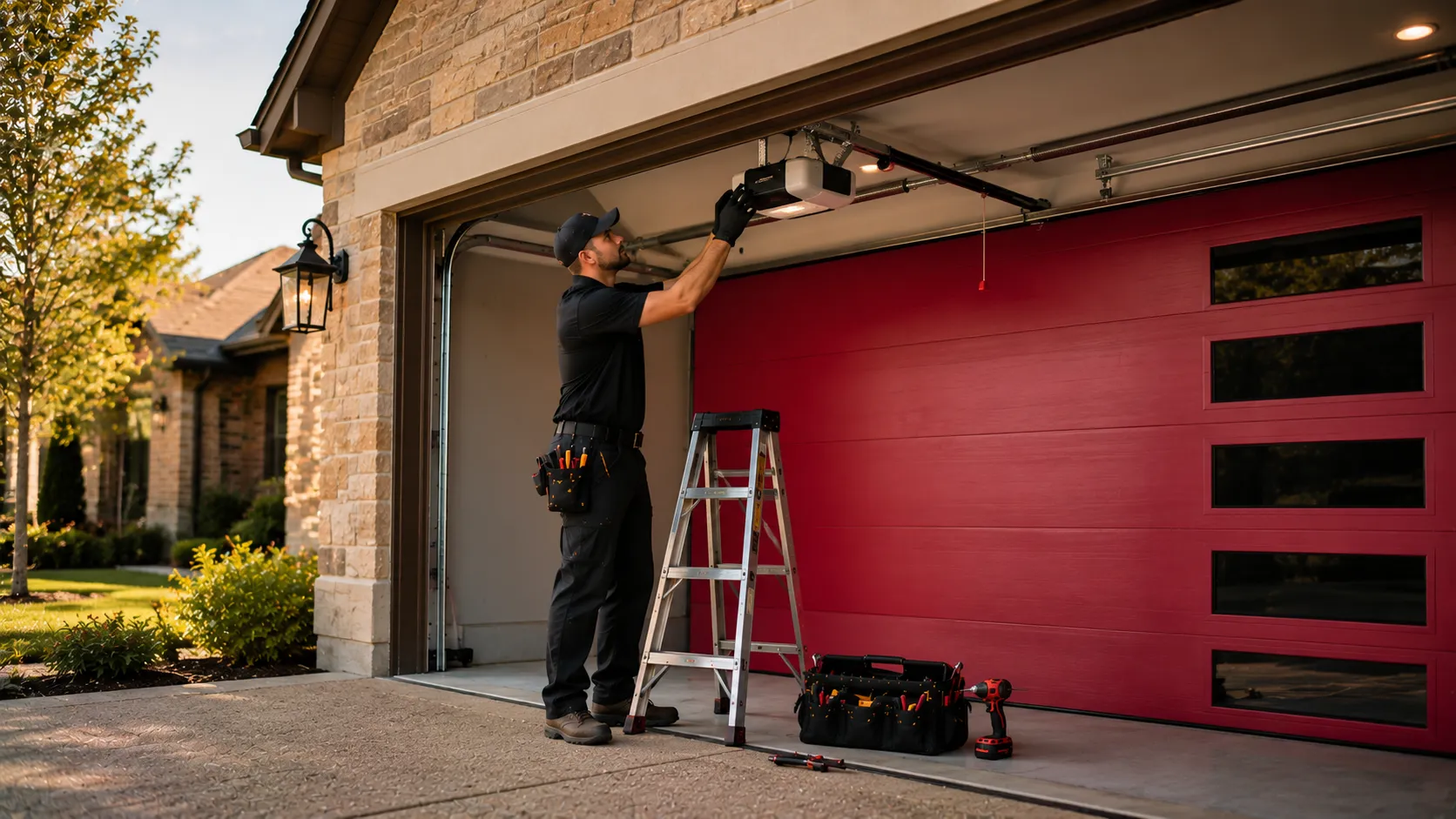
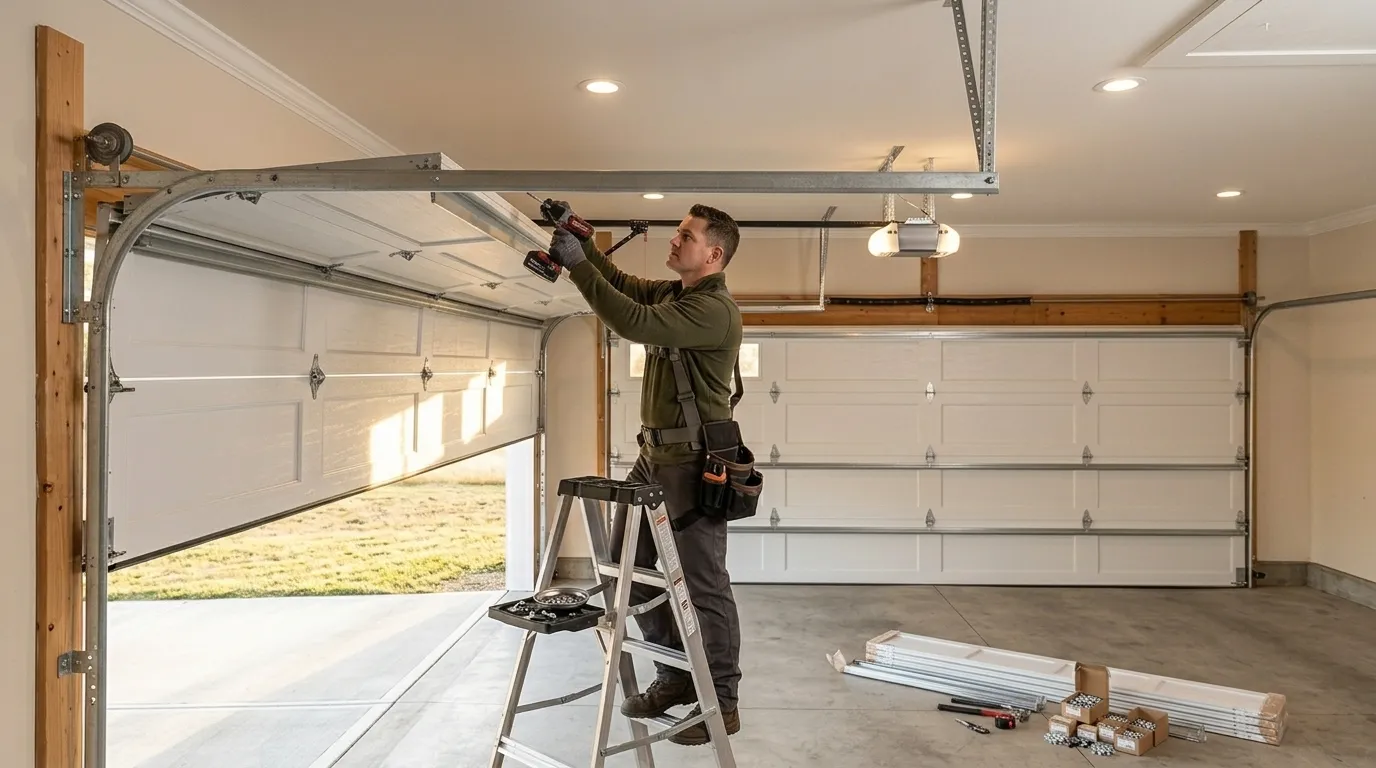
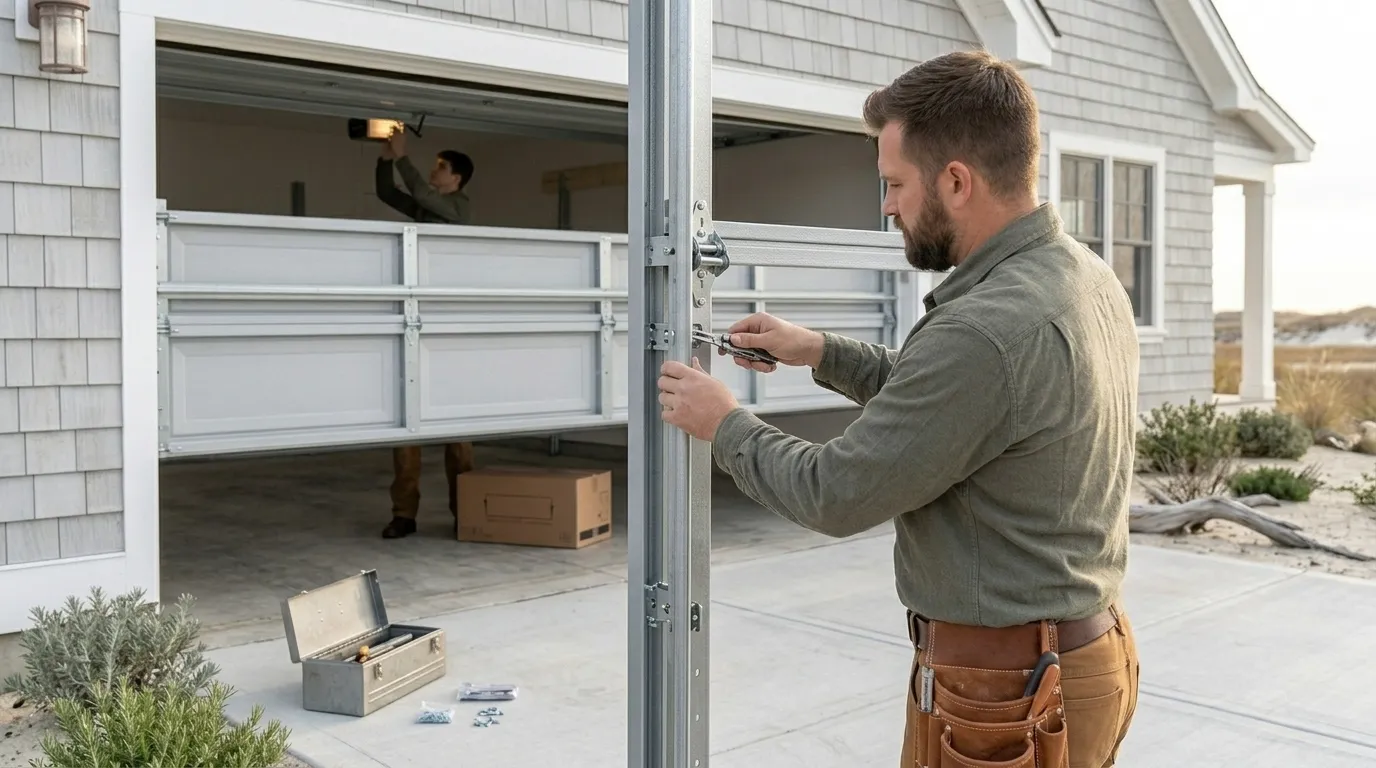
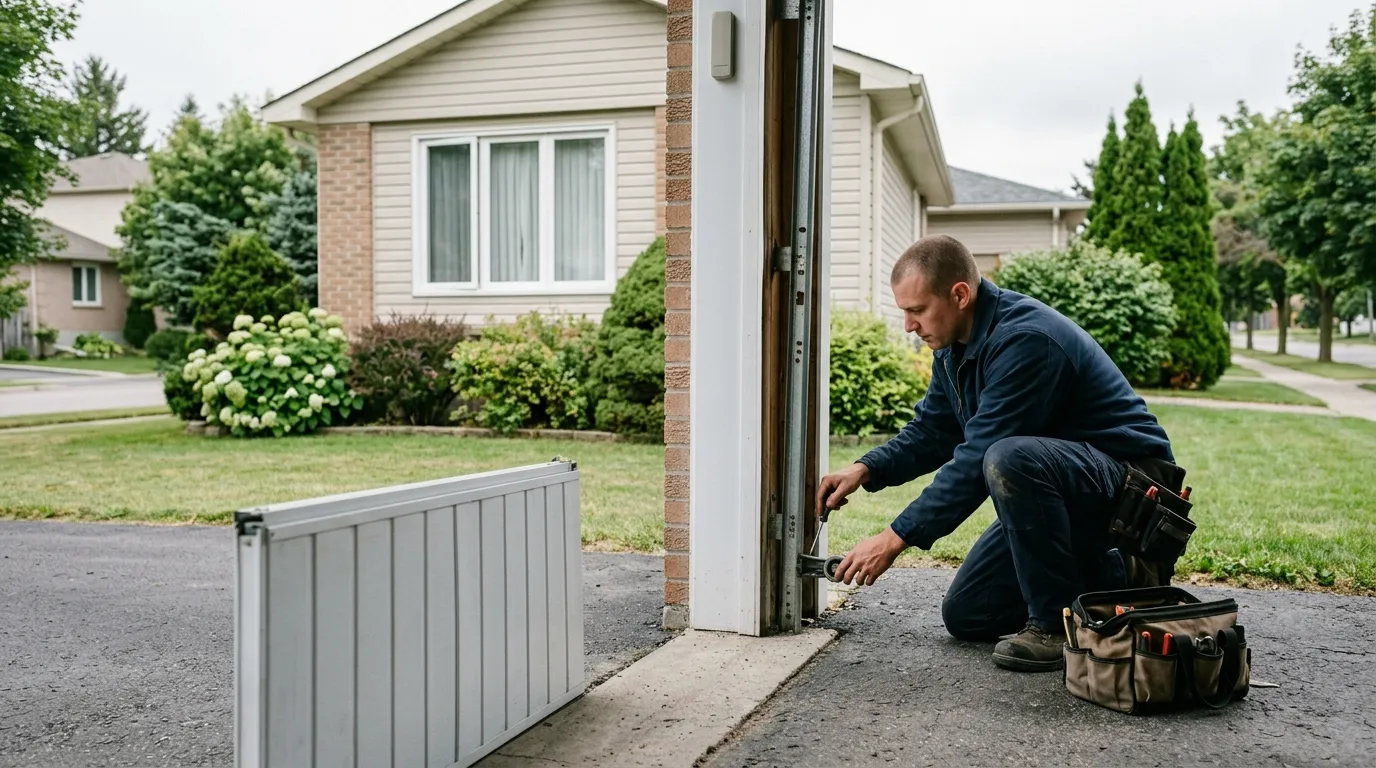
For a service call in Tamarac we carry the parts that actually fail on openers from this era: capacitors, drive gears and sprockets for chain and screw units, logic boards for the common residential brands, photo-eye sensor kits, and remotes and keypads to match. We also carry belt and chain replacement kits, since a worn chain on a decades-old opener is a frequent fix that doesn't require touching the motor at all.
One honest limit: we don't stock every board for every discontinued model on the truck. If your opener is old enough that the manufacturer no longer makes the part, we'll tell you on site rather than have you wait on a special order that might not arrive. In that case a new opener with a modern safety sensor setup usually costs less over time than chasing parts for a unit built before photo-eyes were required.
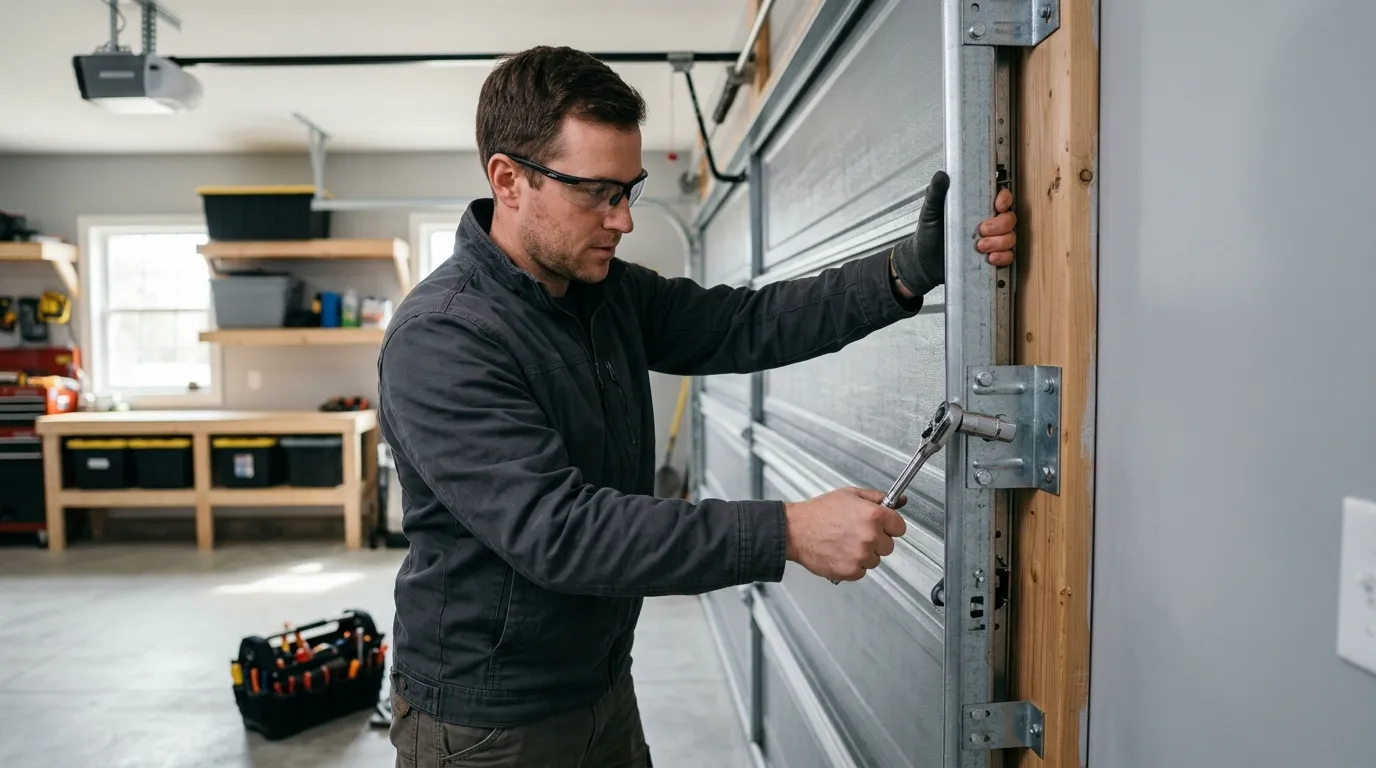
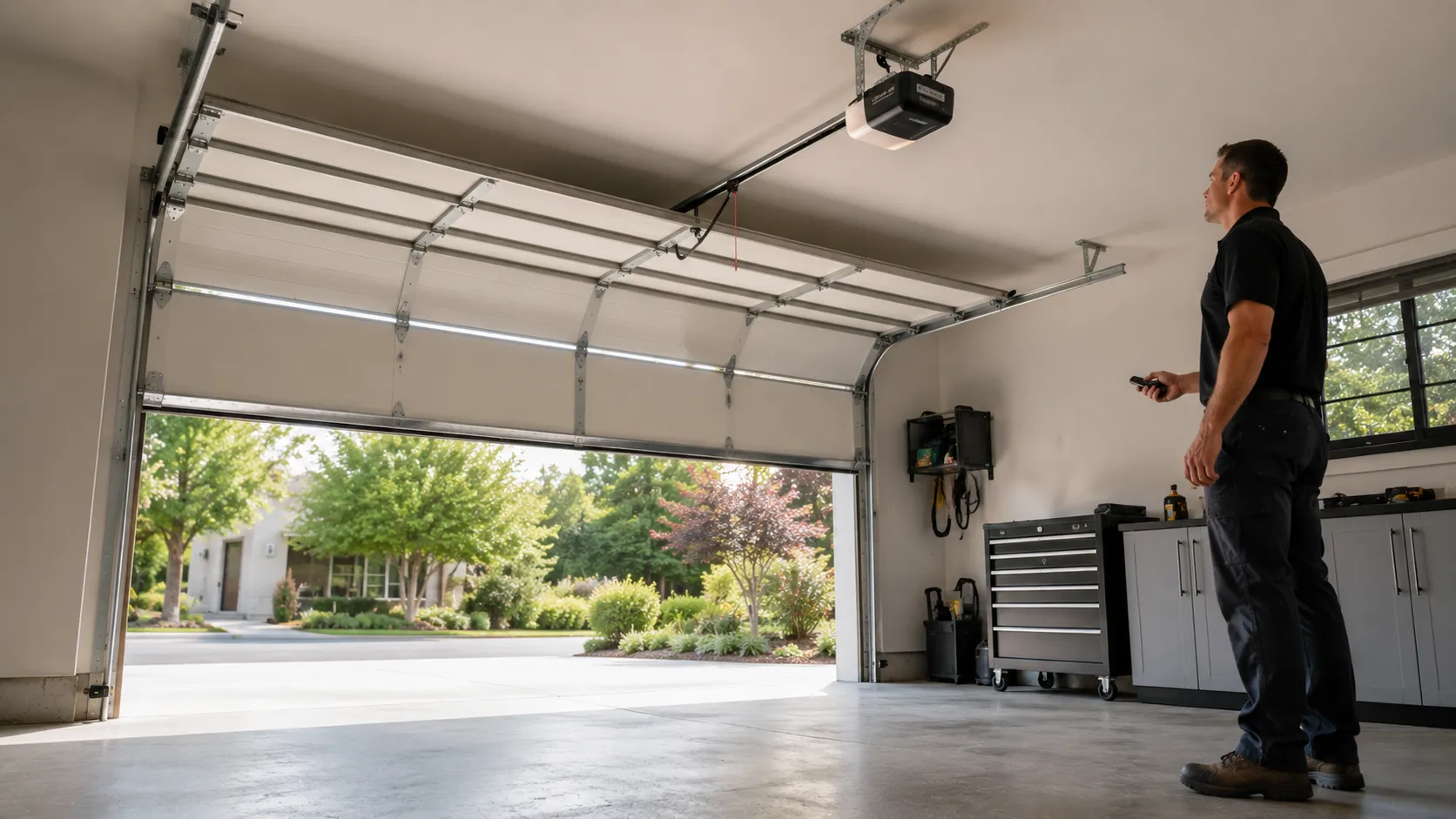
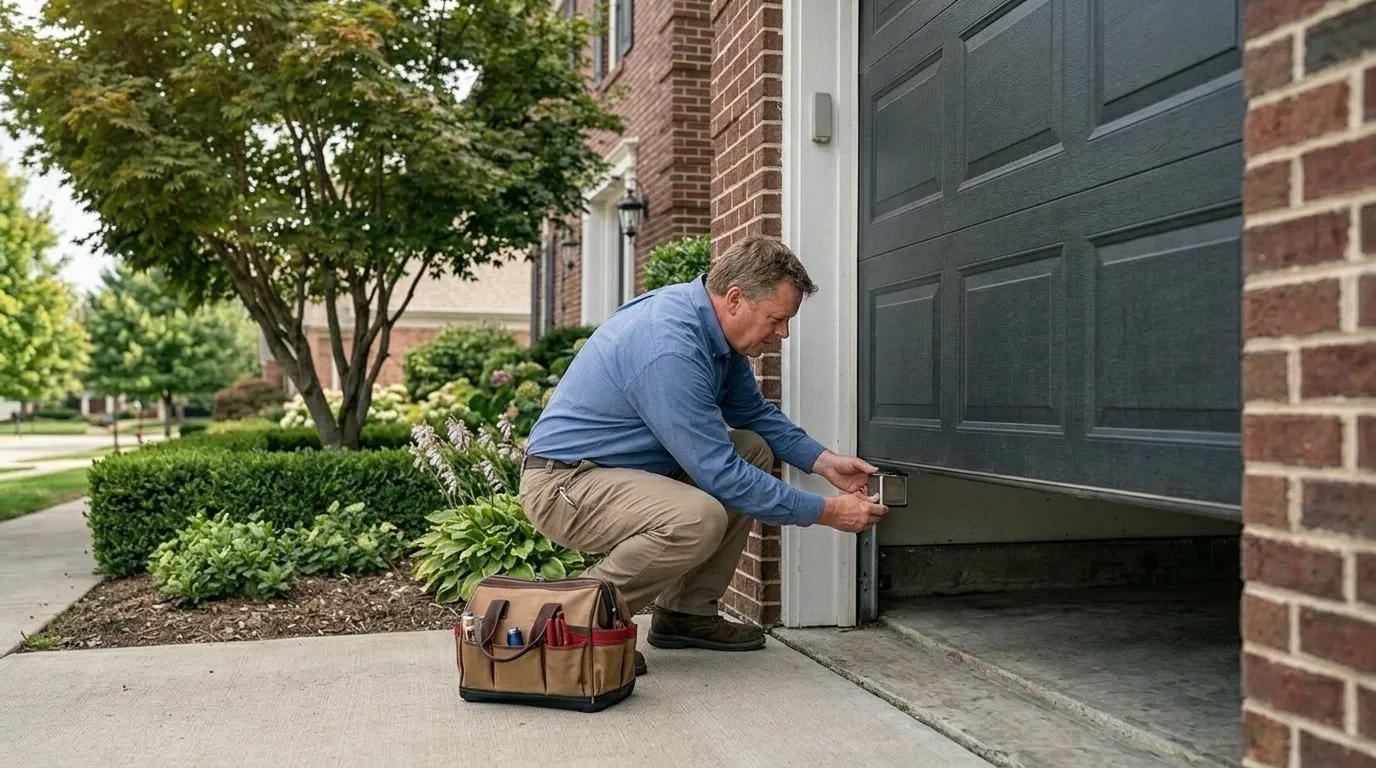
We also bring what's needed to check the whole system, not just the motor - travel limits, force settings, and the sensor alignment - because a lot of what looks like an opener failure is really a door or spring problem showing up at the opener first.
How It Shows Up
On a call like this, the opener usually announces itself in one of three ways: it hums and the door doesn't budge, the lights blink a set number of times and stop, or the remote works some days and not others. The hum-and-stall is almost always a capacitor or a stripped drive gear - parts we carry standing. Blinking lights point to the logic board reading an error code, which we can usually pull straight off the unit rather than guess at.
The intermittent remote is the one people live with longest before calling, and it's often the cheapest fix of the three - a battery, a worn contact in the wall button, or sensors that have drifted out of alignment enough to fault occasionally instead of every time. Given the housing stock here dates mostly to the early 1980s, we see that sensor-drift pattern often enough that it's usually the first thing we check on an intermittent complaint before opening up the motor housing at all.