What Can Go Wrong
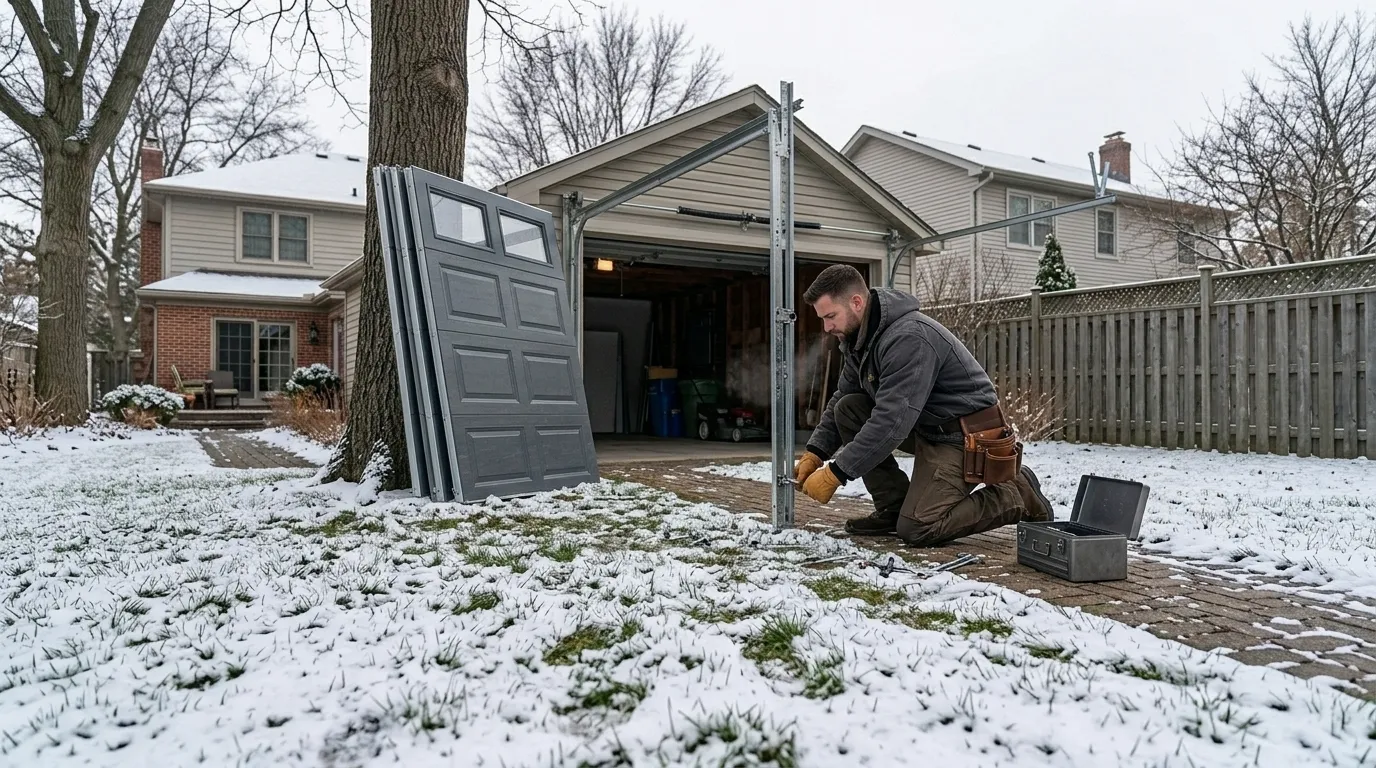
Most of the commercial bays around Tamarac went up around 1981, which puts them squarely in the era of steel sectional doors and rolling steel doors sized to delivery trucks of that time, not the taller box trucks and vans that show up now. A lot of these doors were never upsized when the tenant changed, so you get a door that's technically working but wrong for the load - a spring rated for a lighter panel, or a track bent from a truck clipping the header because the clearance was tight from day one.
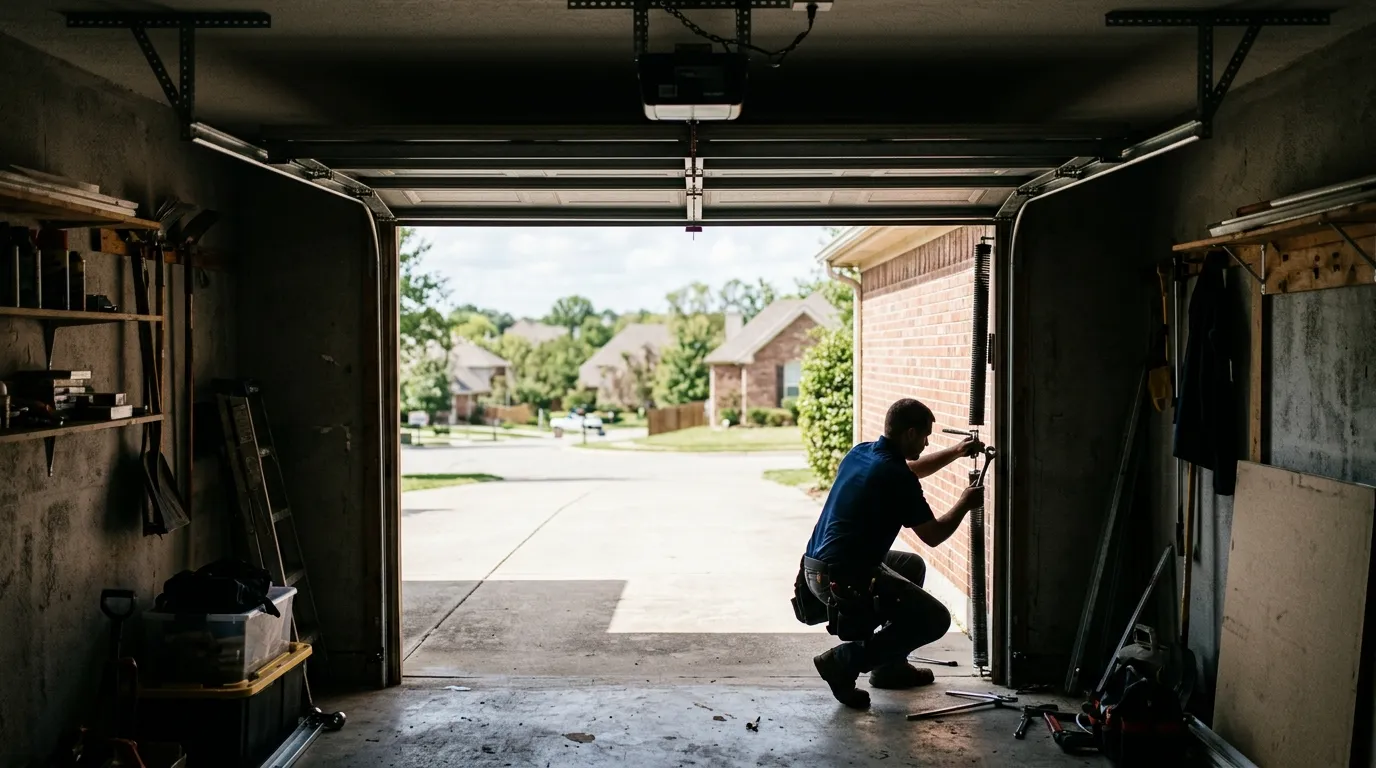
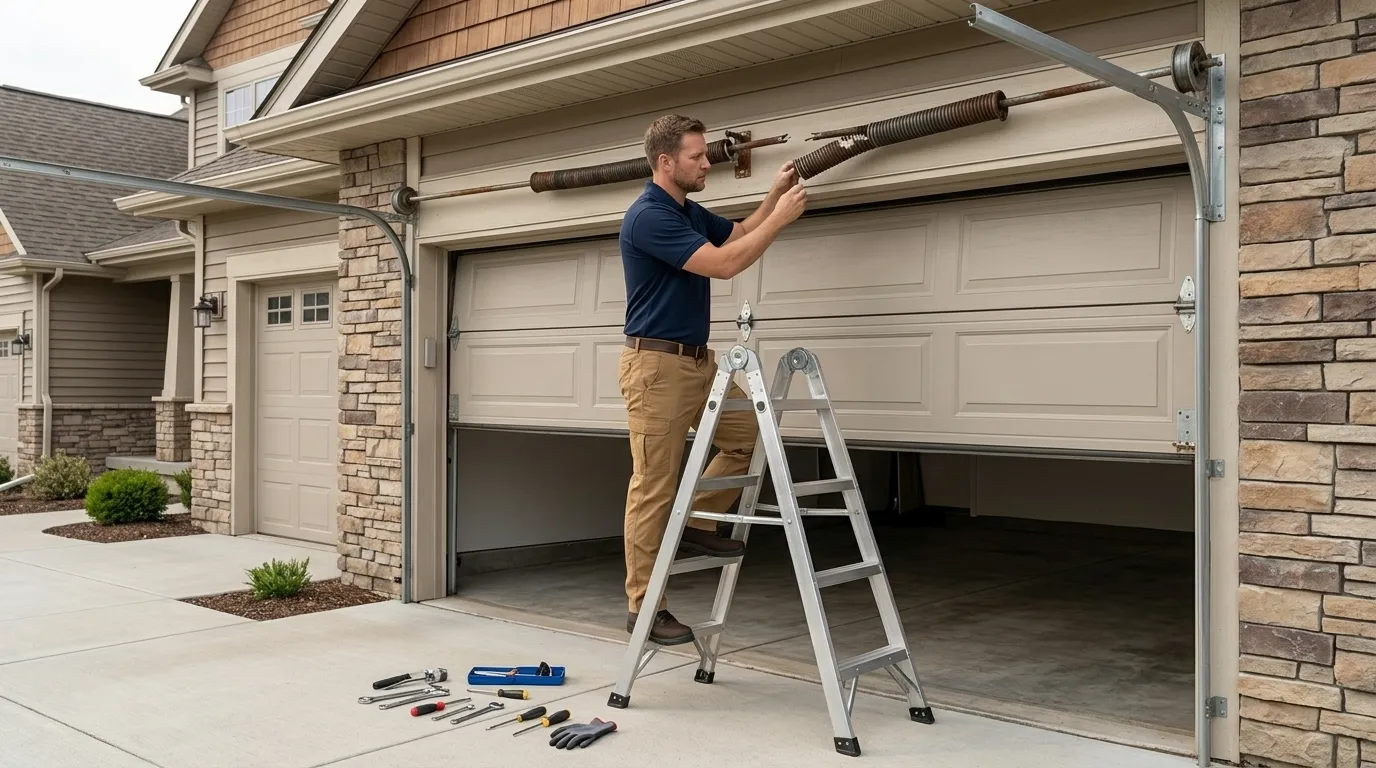
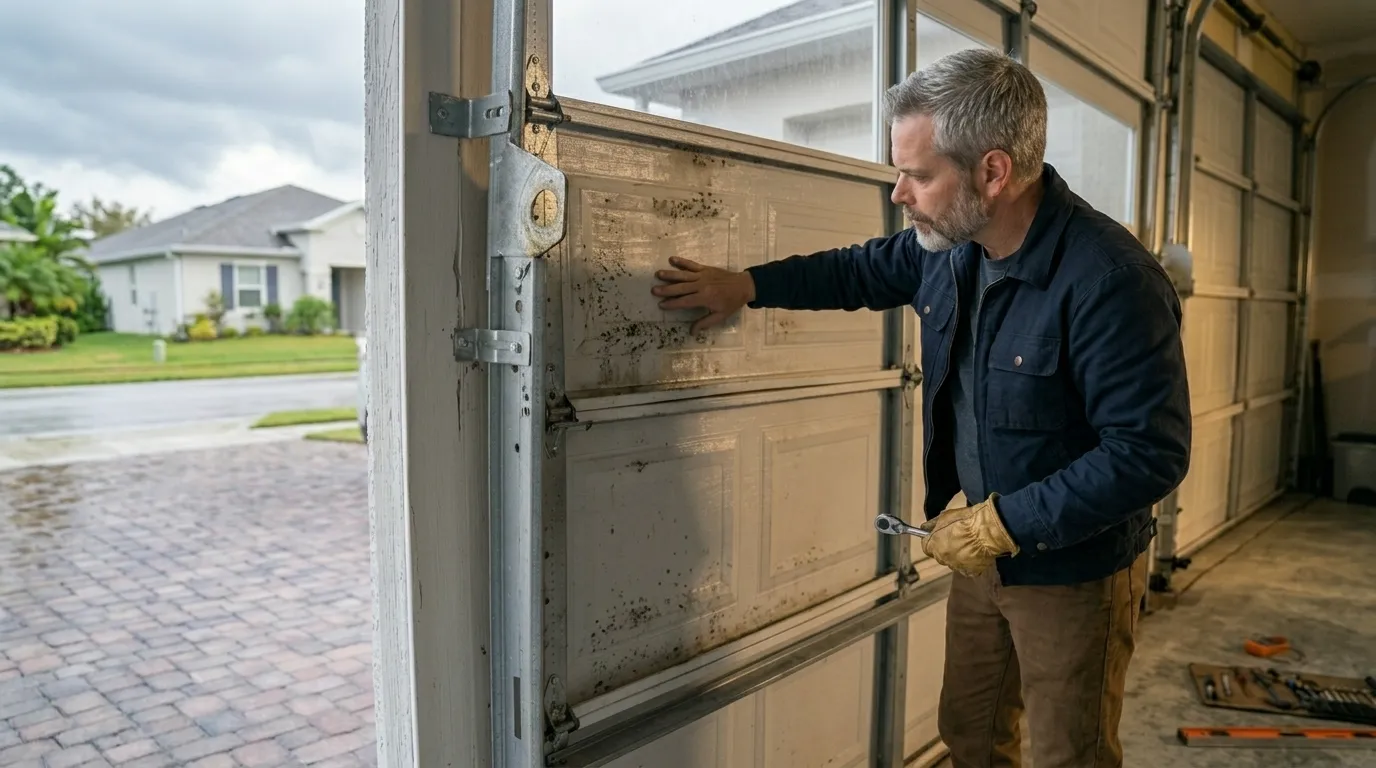
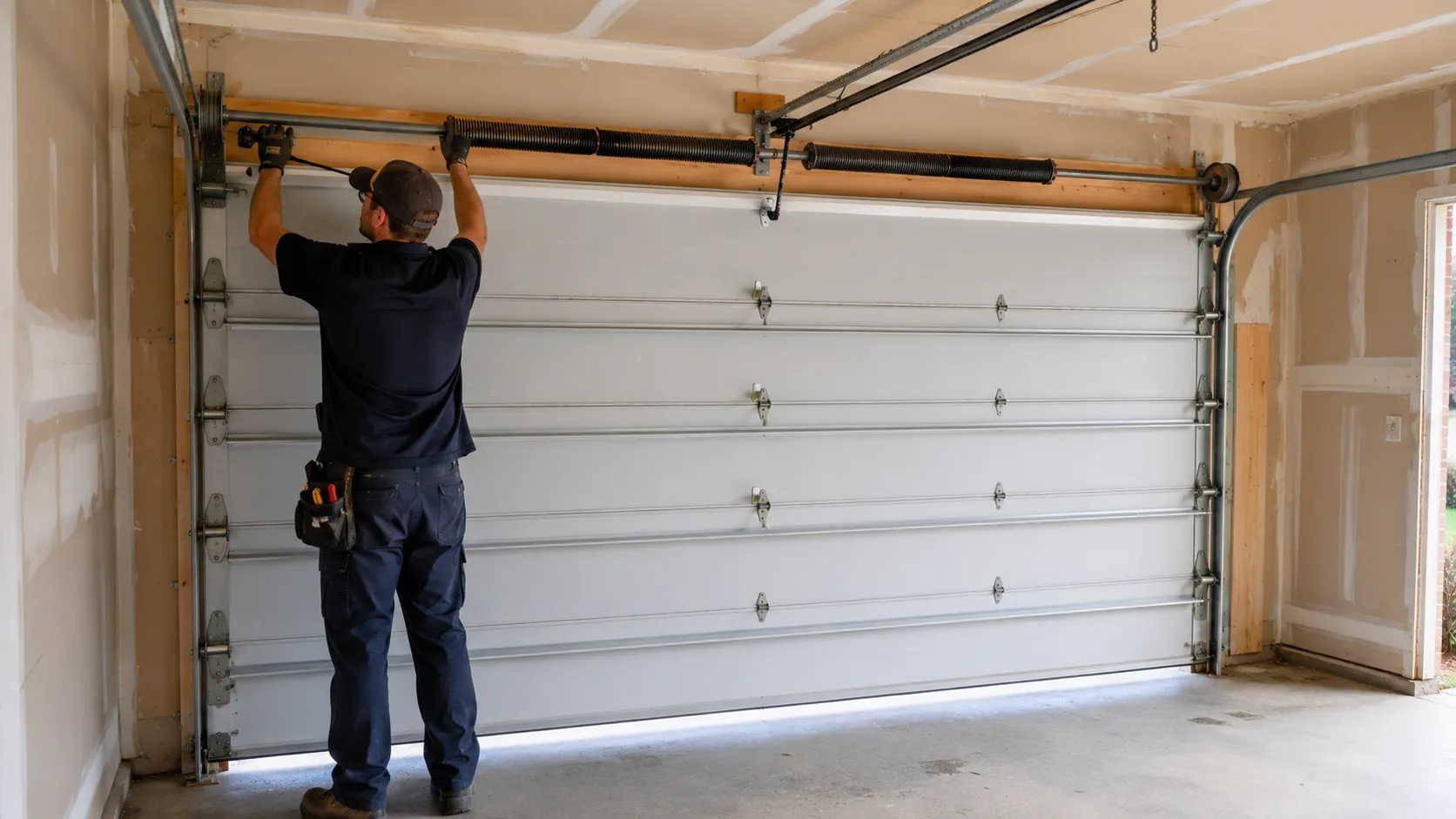
The fault pattern we see on stock this age: torsion springs that were matched to the original door weight and are now overworked after a panel swap, hinges and rollers worn from decades of cycles, and photo-eye sensors bolted on later to meet code that were never lined up cleanly with the original track. Add in a mild, humid climate that doesn't freeze but does sit damp on exposed steel, and you get corrosion on tracks and cable ends well before the springs themselves give out. None of that means the door is bad - it means the door is old and was patched instead of matched, and that's a different repair than a straight parts swap.
What Is on the Truck
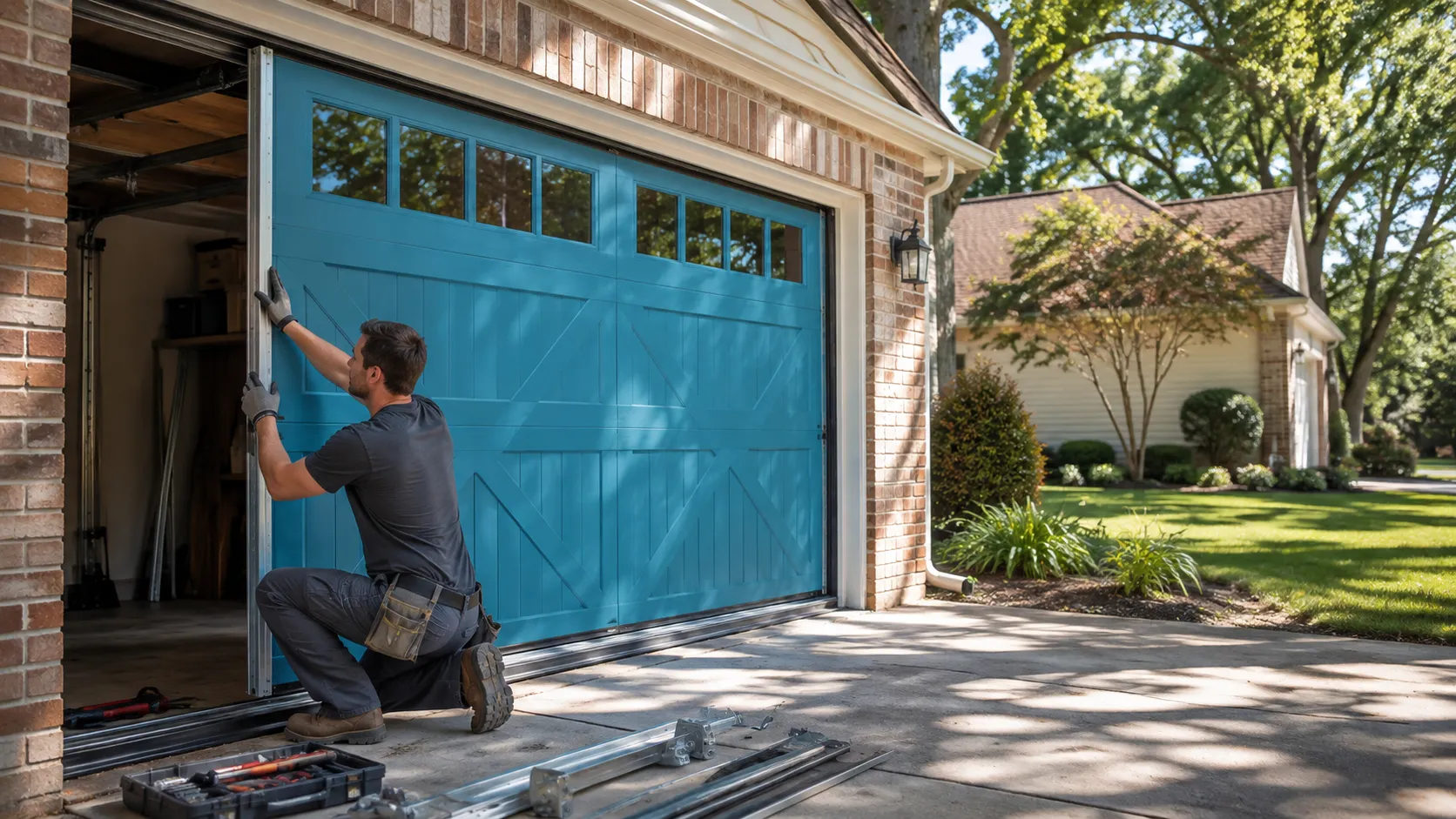
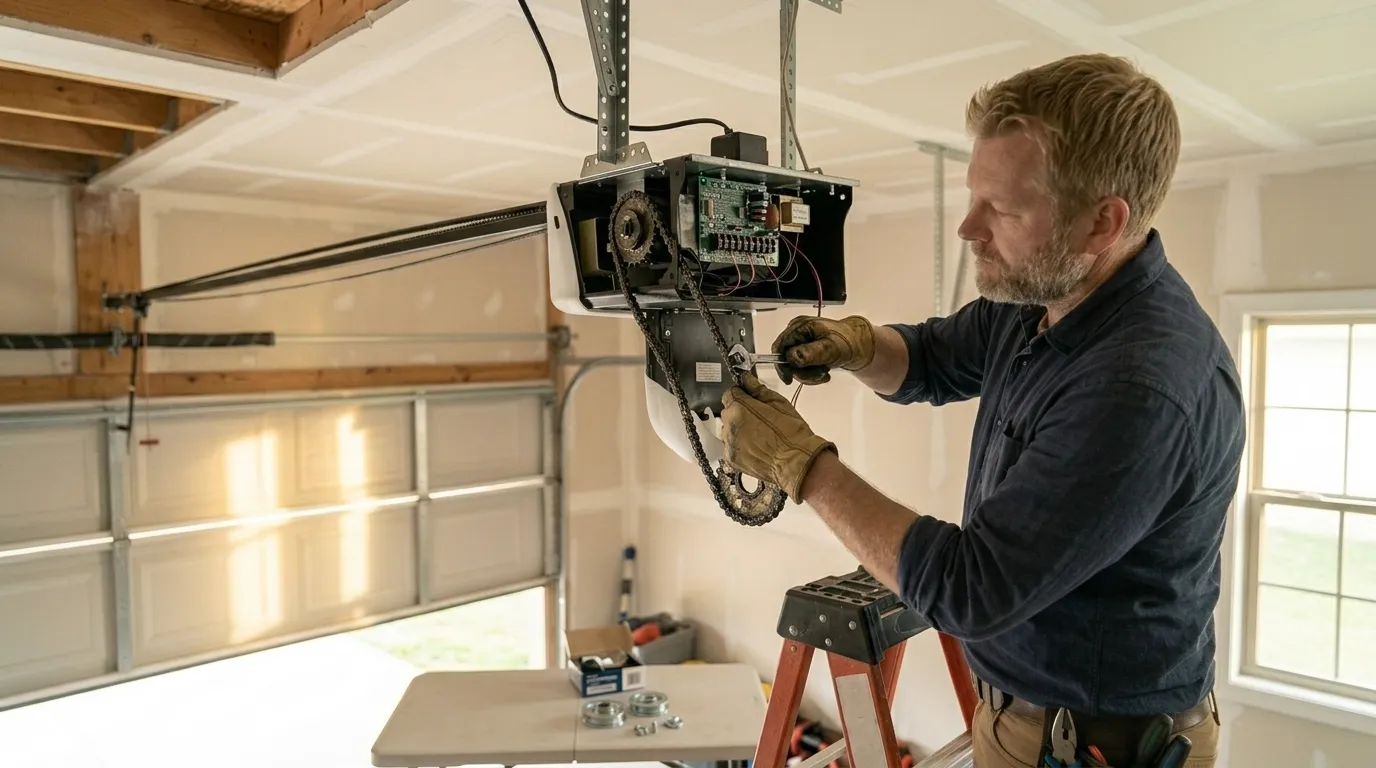
We carry springs and cable in the sizes that match doors from this build window, along with rollers, hinges, and standard photo-eye kits, because that's what shows up most on calls out this way. Rolling steel slat sections and anything sized for an oversized truck-well opening are the honest exception - those aren't something we stock on the truck, and if a bay was built with a nonstandard clearance, that part gets ordered rather than fixed on the spot.
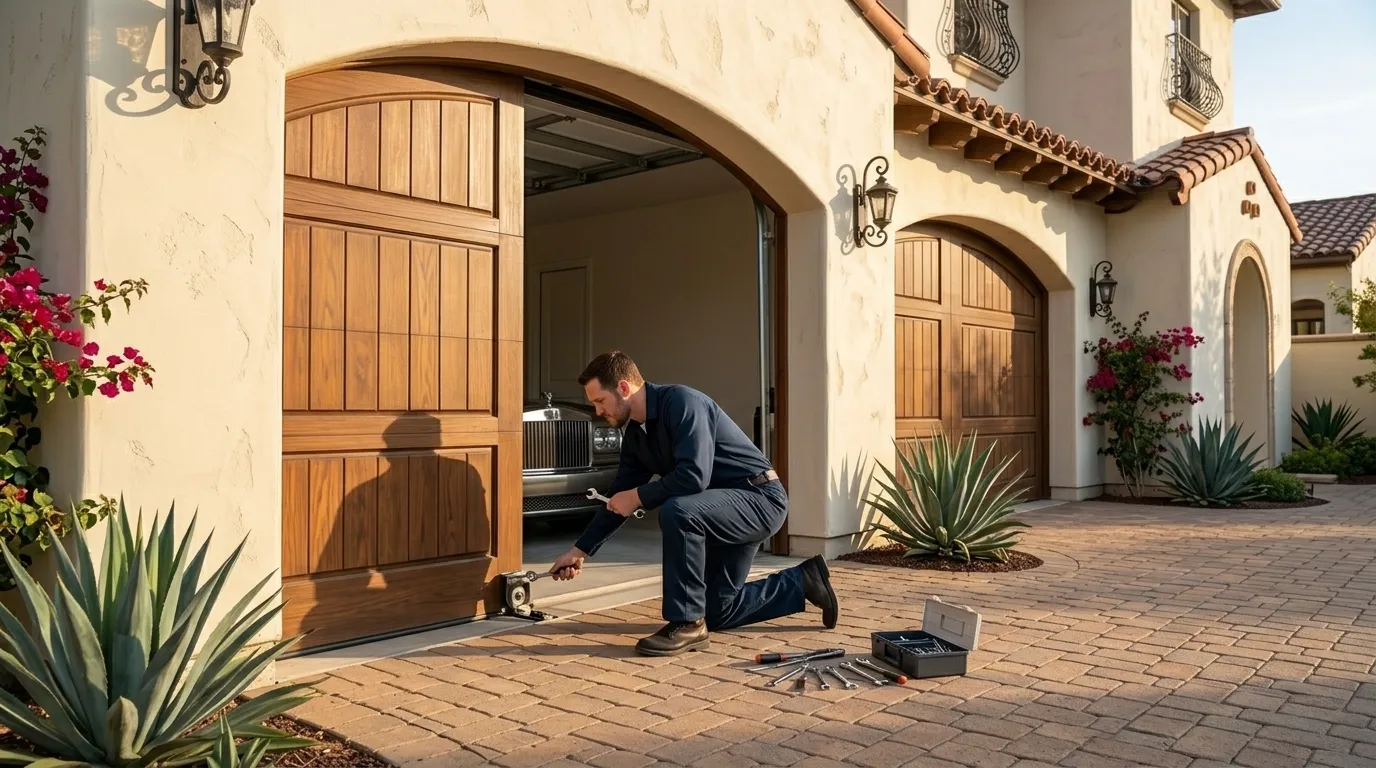
We'd rather tell you that on the first visit than promise a same-day fix and miss it. Most jobs on doors from this era are springs, cables, rollers, or a track alignment, and those we close out in one stop. If your building has a taller or wider commercial opening than the standard bay, say so when you book - it changes what we bring.
How It Shows Up
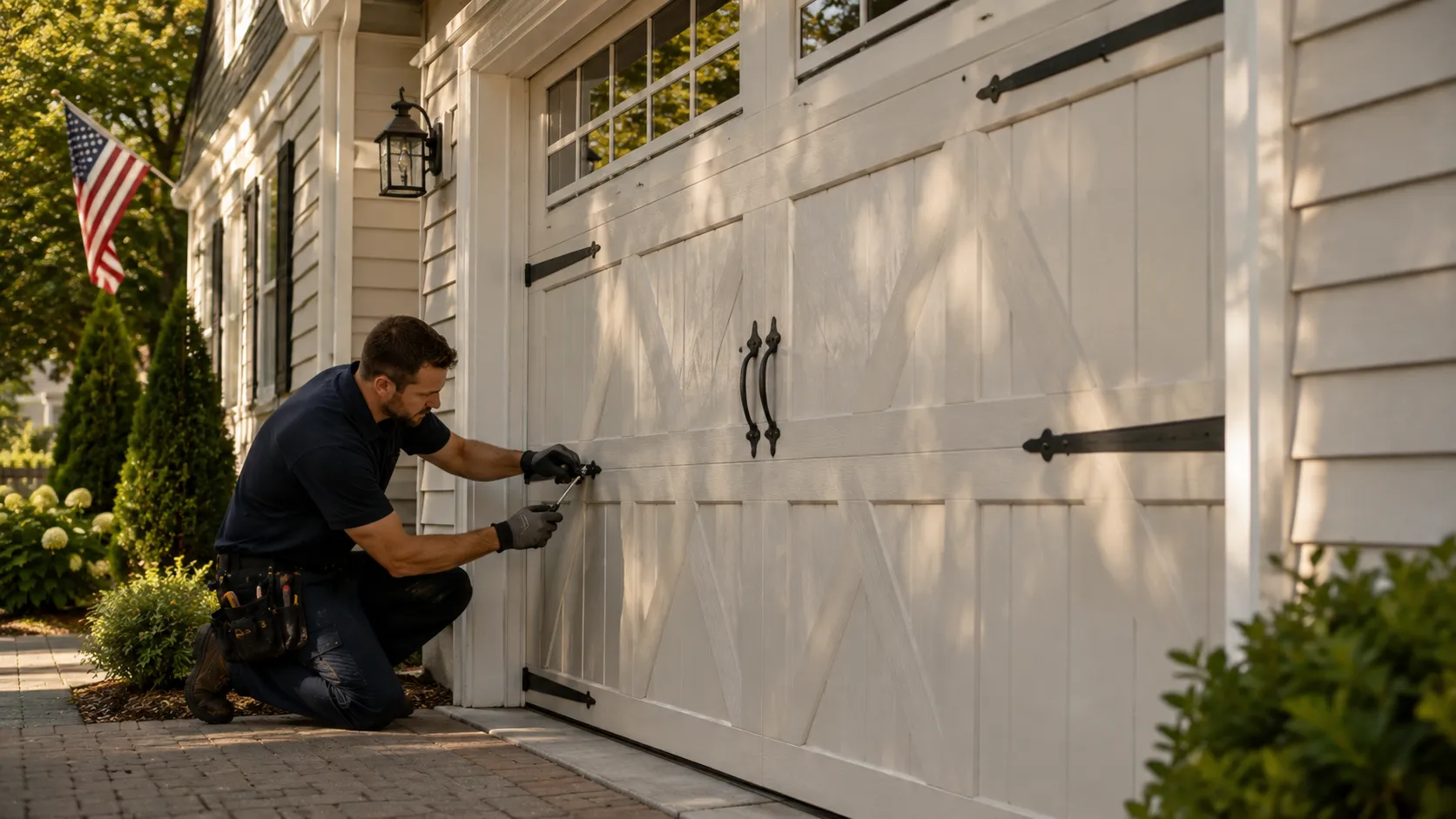
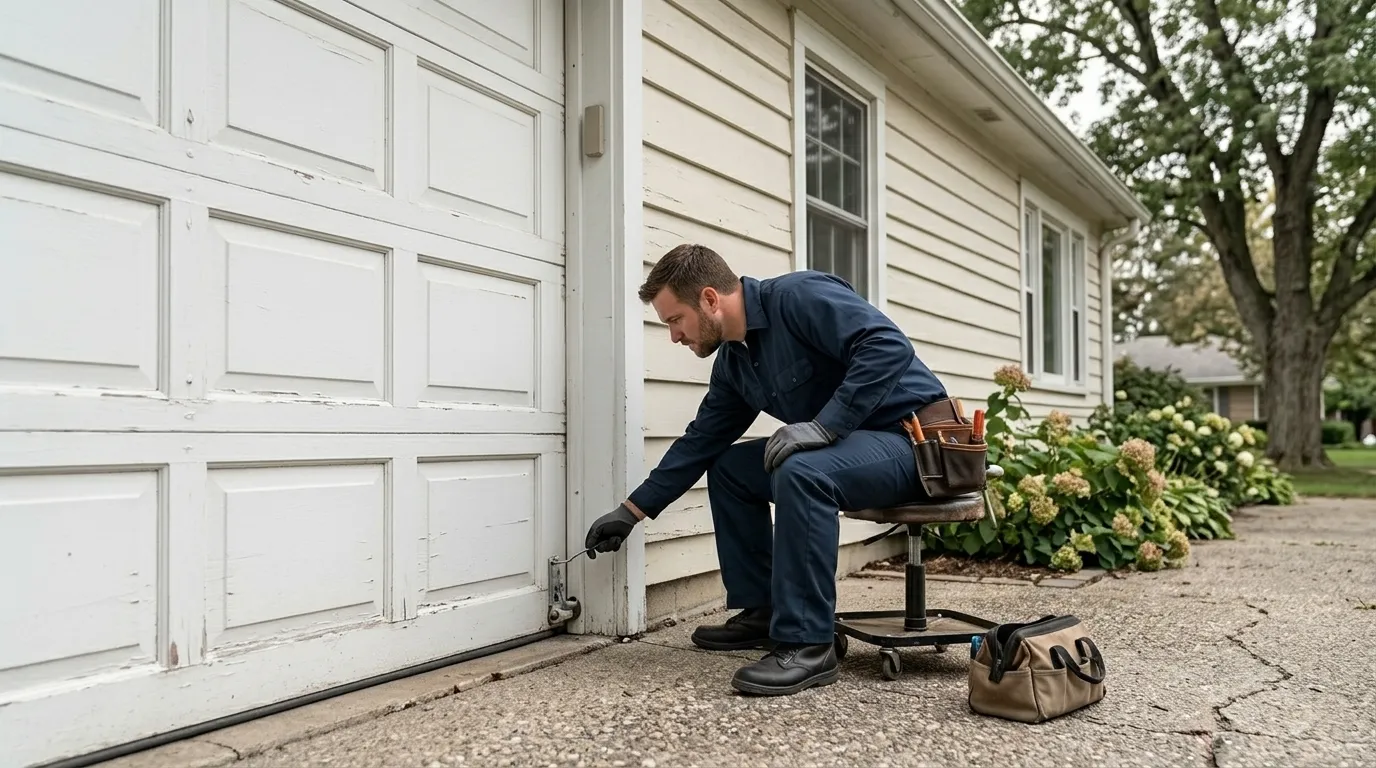
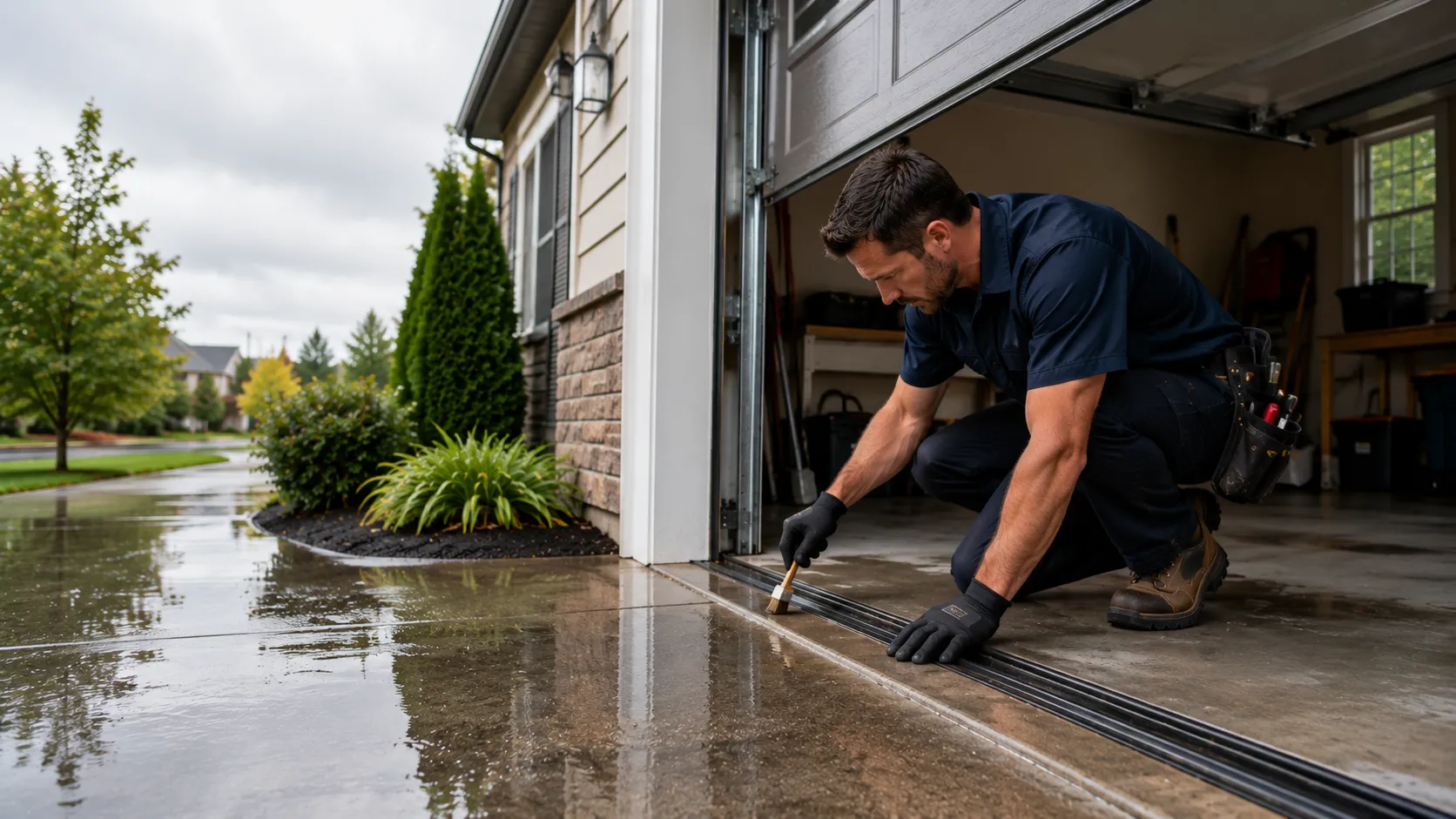
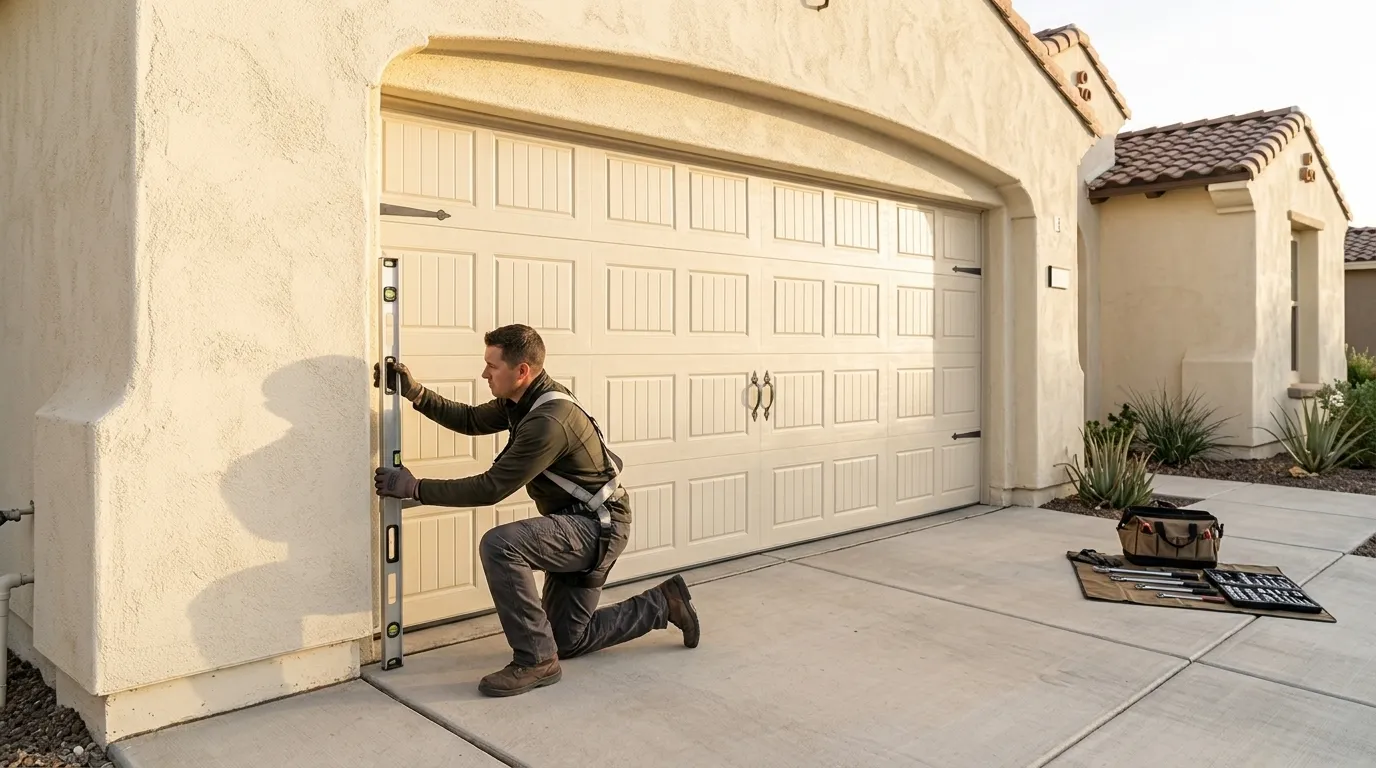
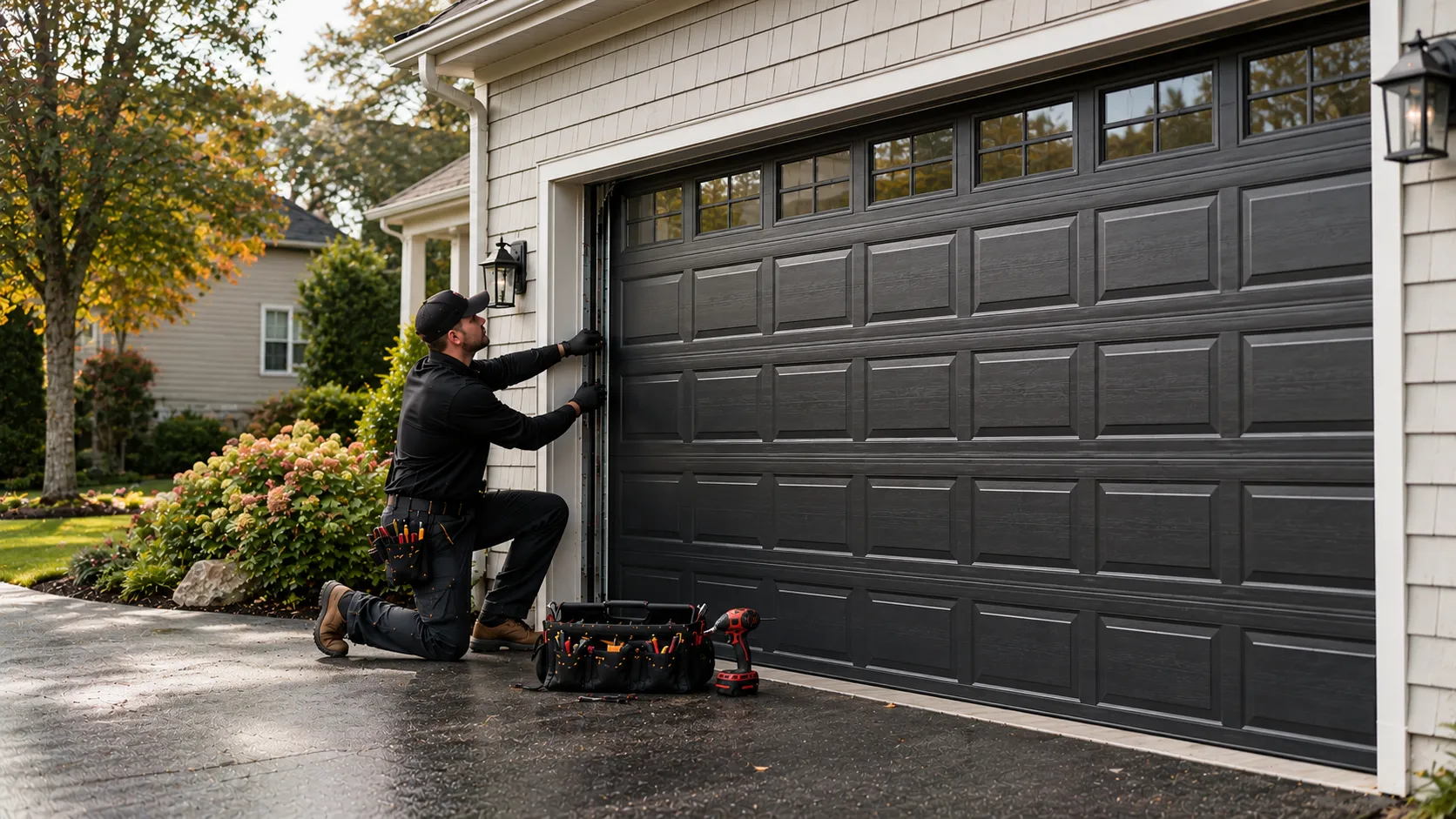
The tech walks the bay first - checks the spring size against the door weight, checks the track for the kind of surface rust that mild coastal humidity leaves on unprotected steel, and checks whether the photo-eye brackets were ever properly aligned to begin with. On a building from the early 1980s, that inspection usually turns up which parts were original and which got patched in later, and that tells us more than the complaint the tenant called in with.
Once we know what we're looking at, you get a number before anything gets torn apart. If it's a spring, cable, roller, or hinge job - the bulk of what we see on stock this age - it gets fixed the same visit off the truck. If the bay needs a part we don't carry, we'll say so and give you a straight answer on what ordering it looks like rather than guess at a timeline we can't back up.