
How It Shows Up
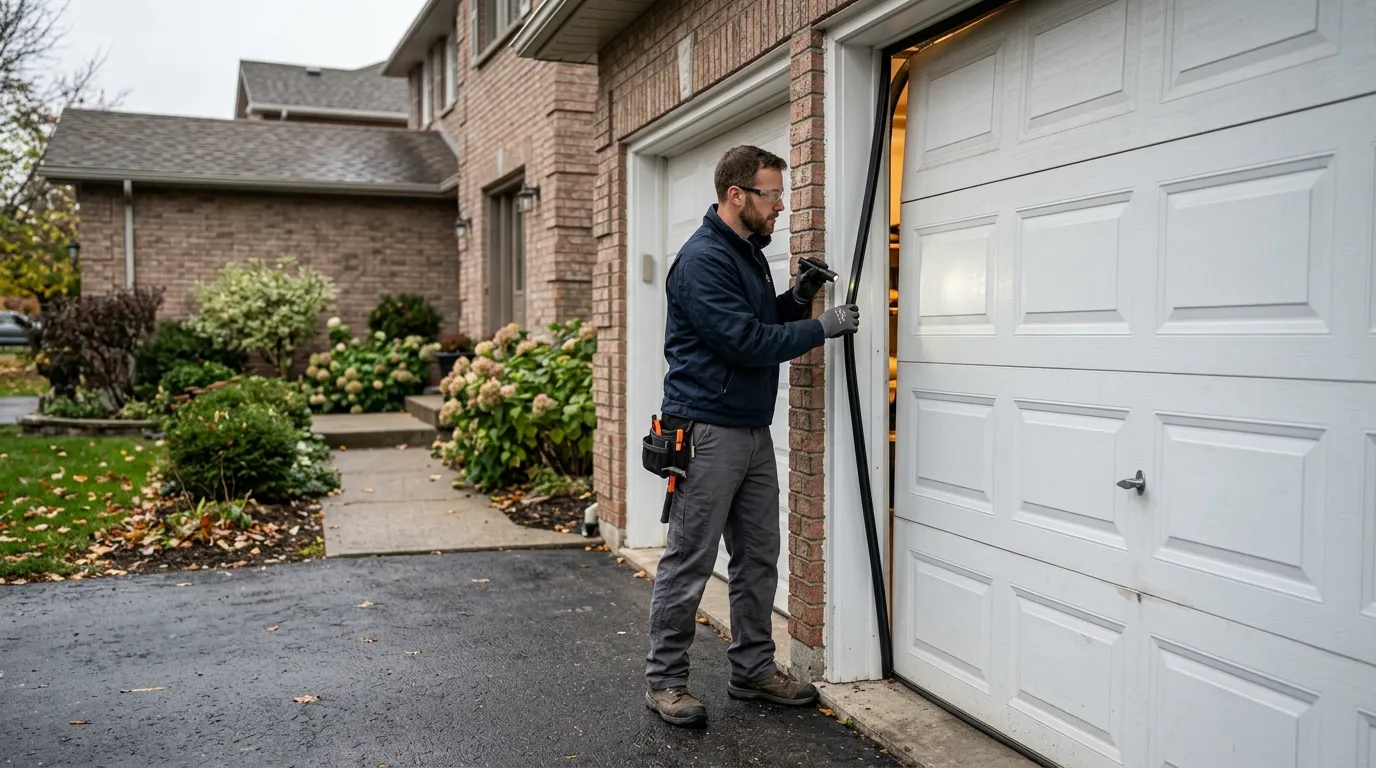
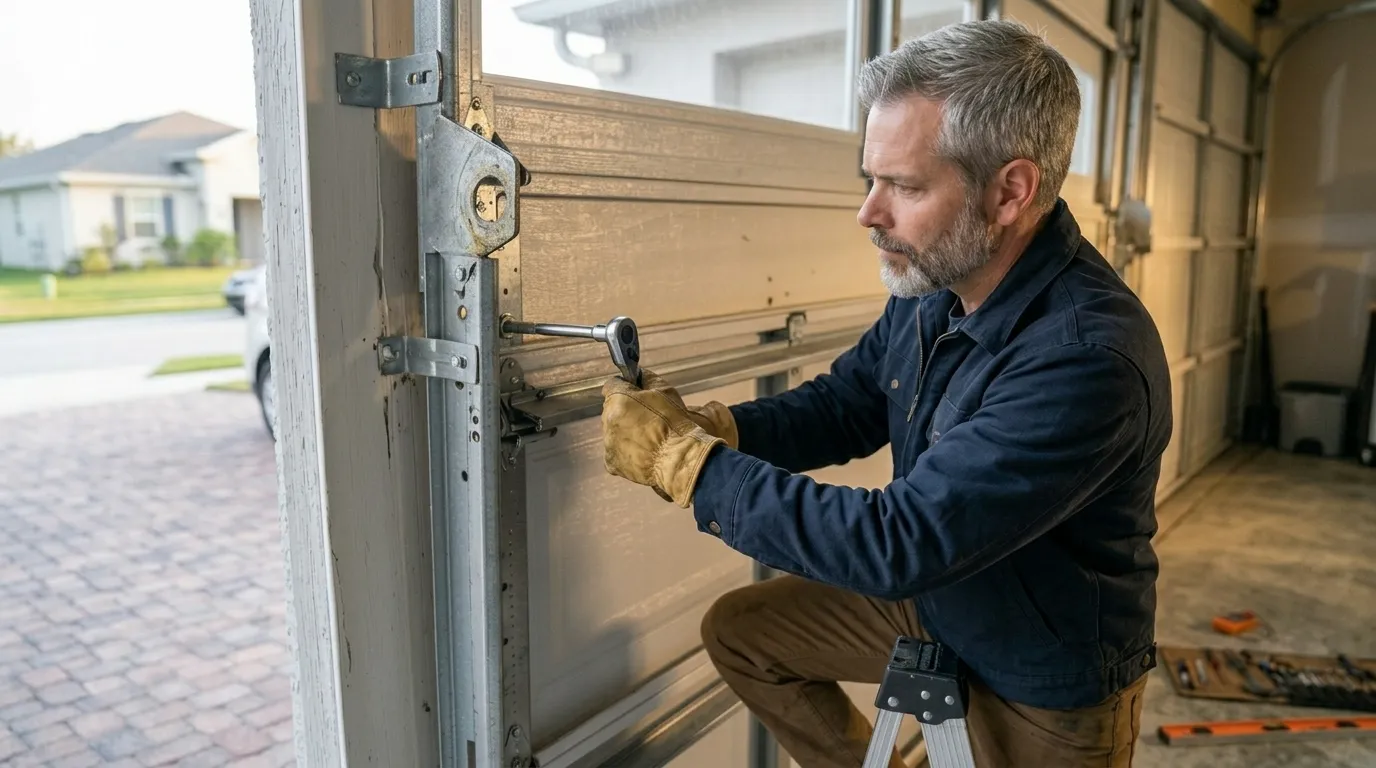
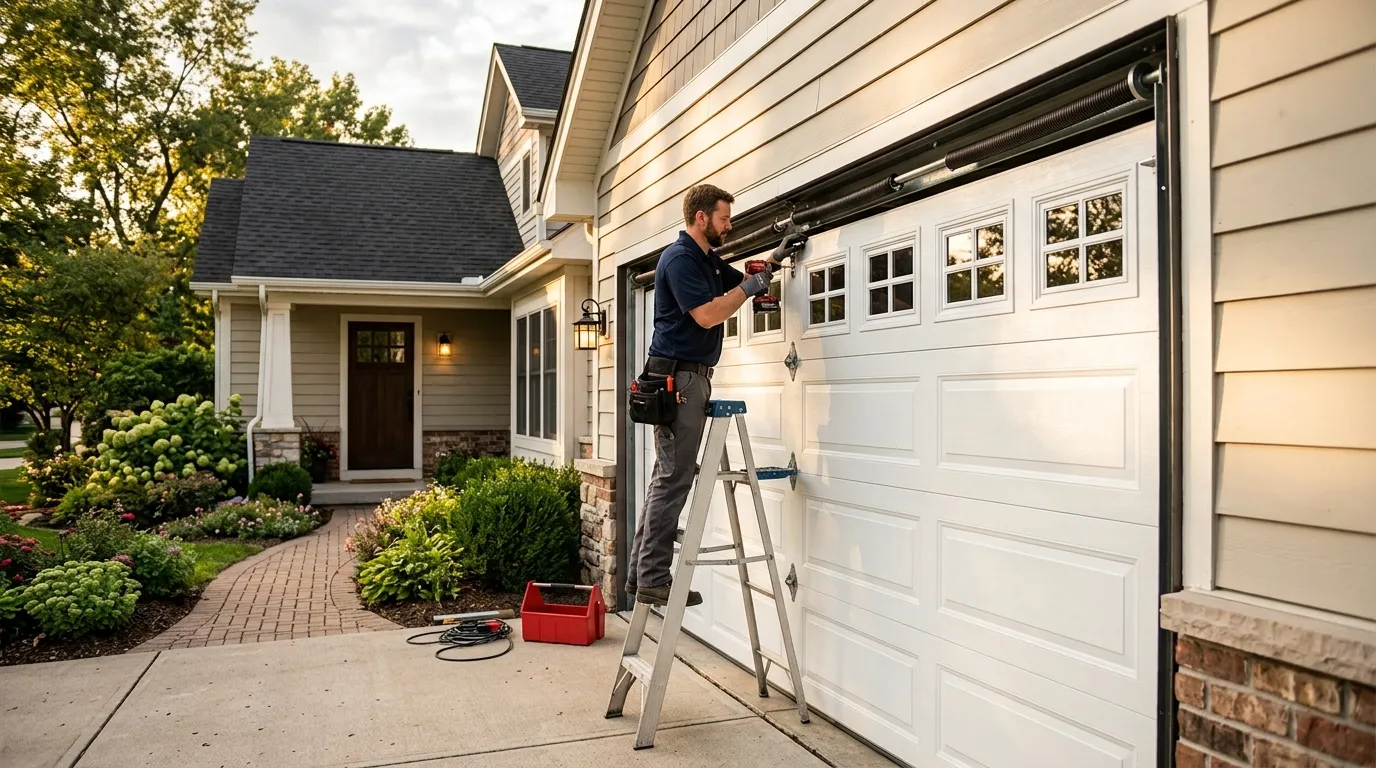
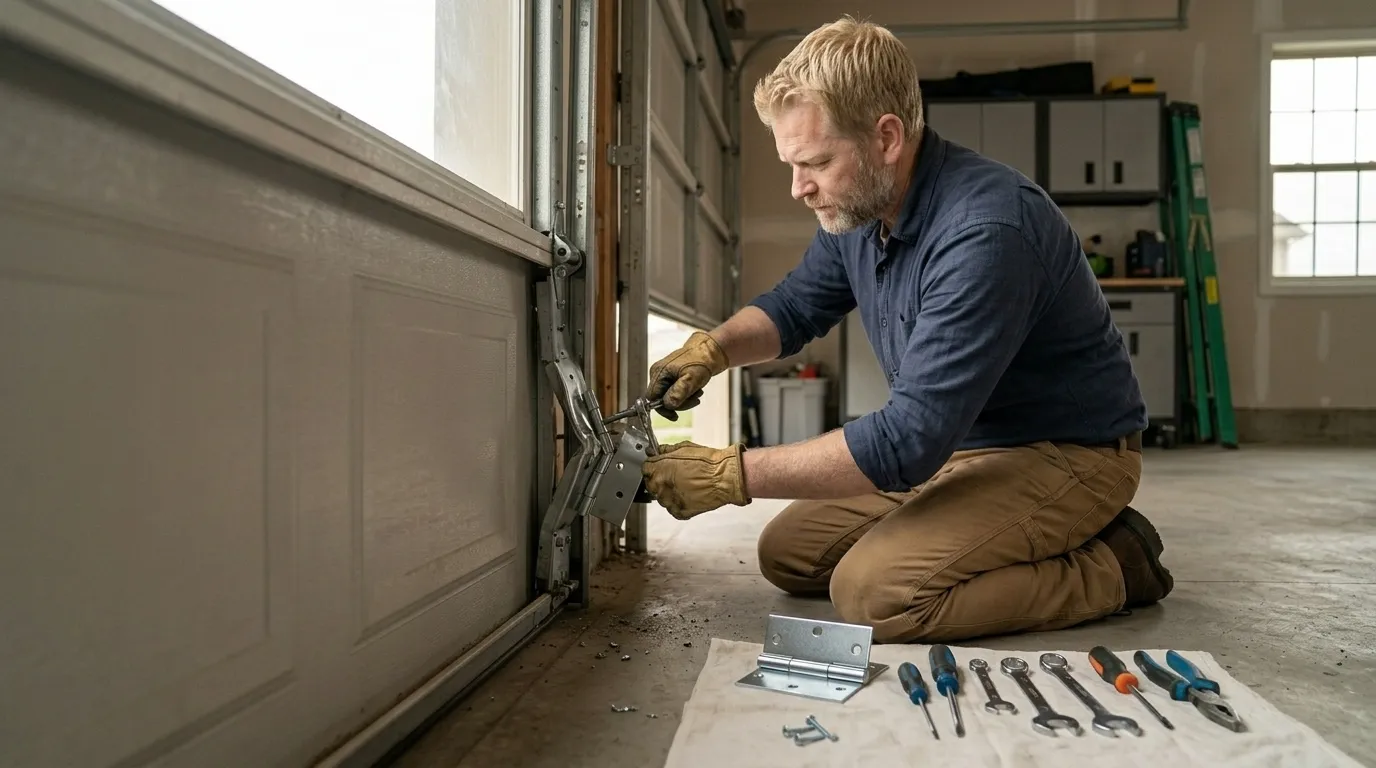
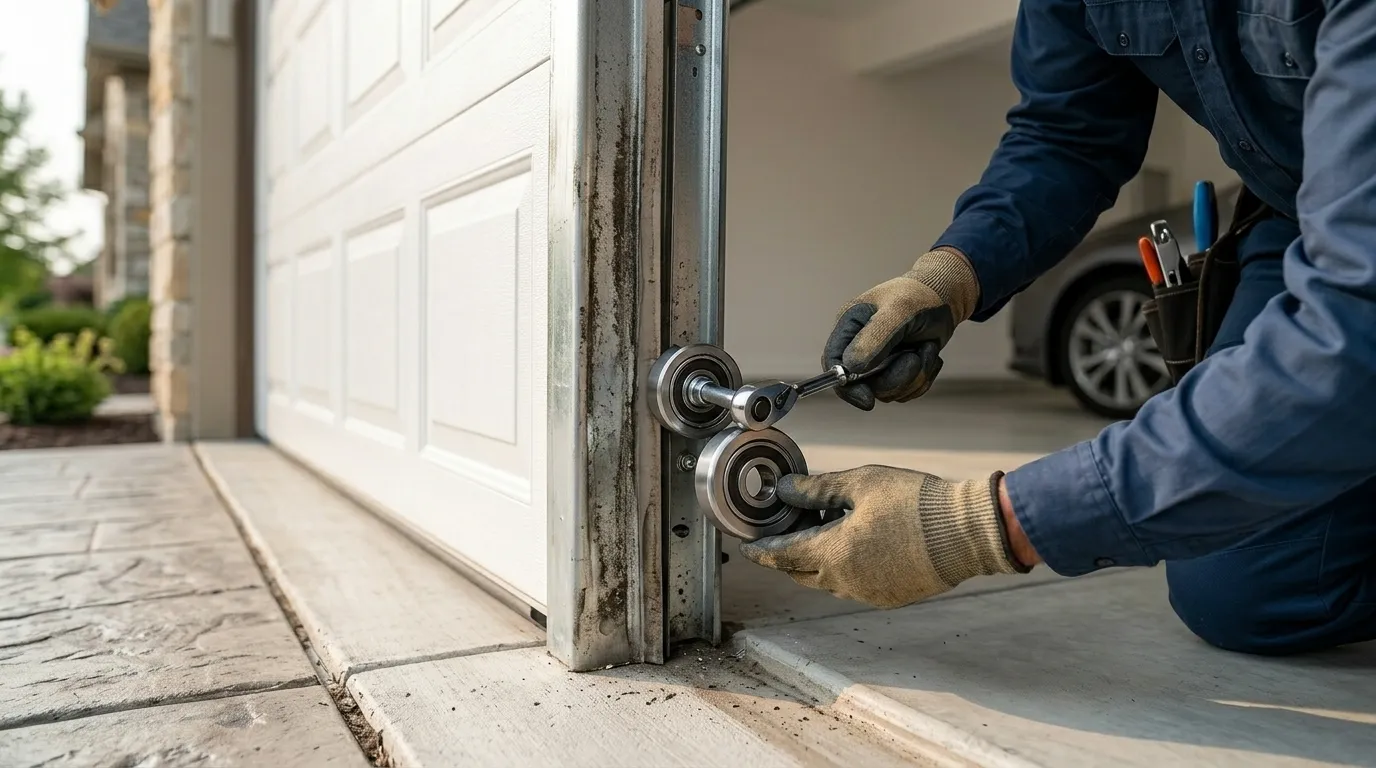
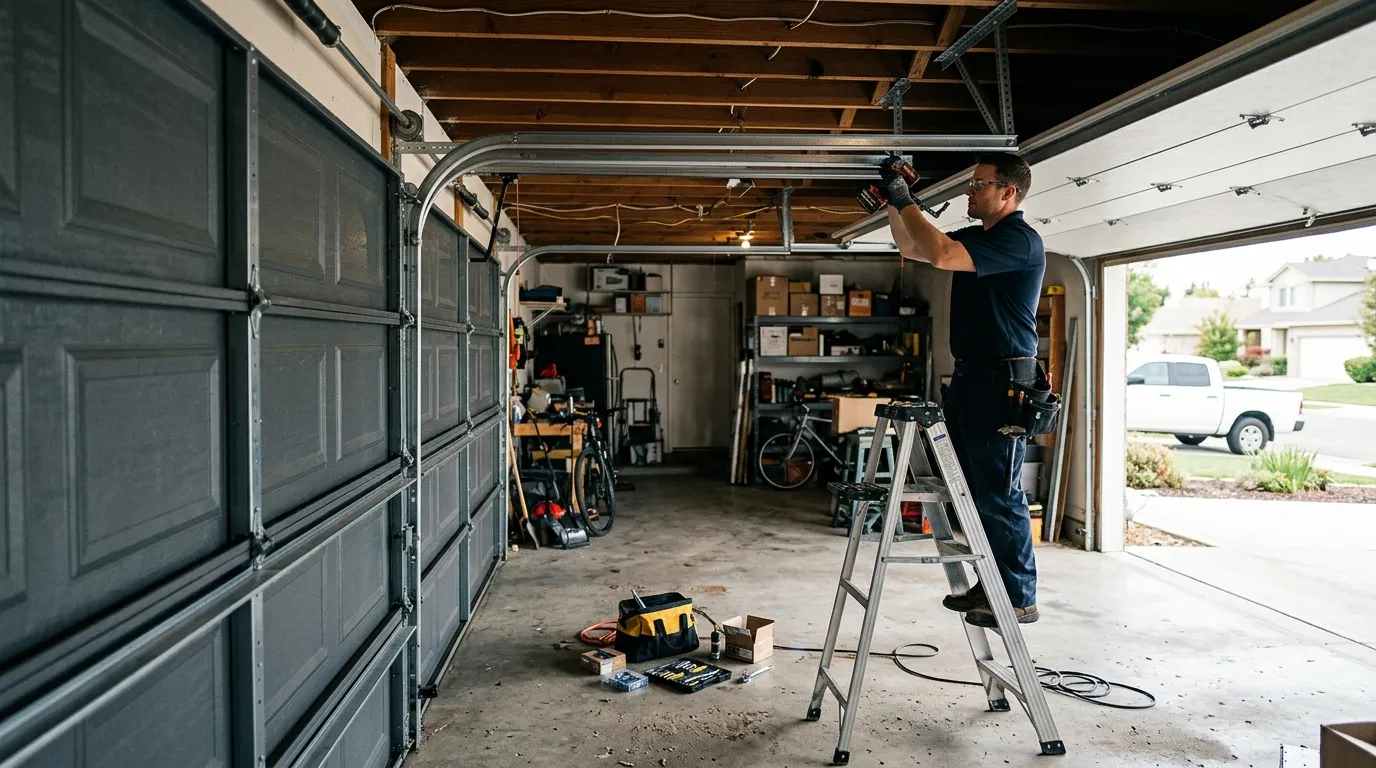
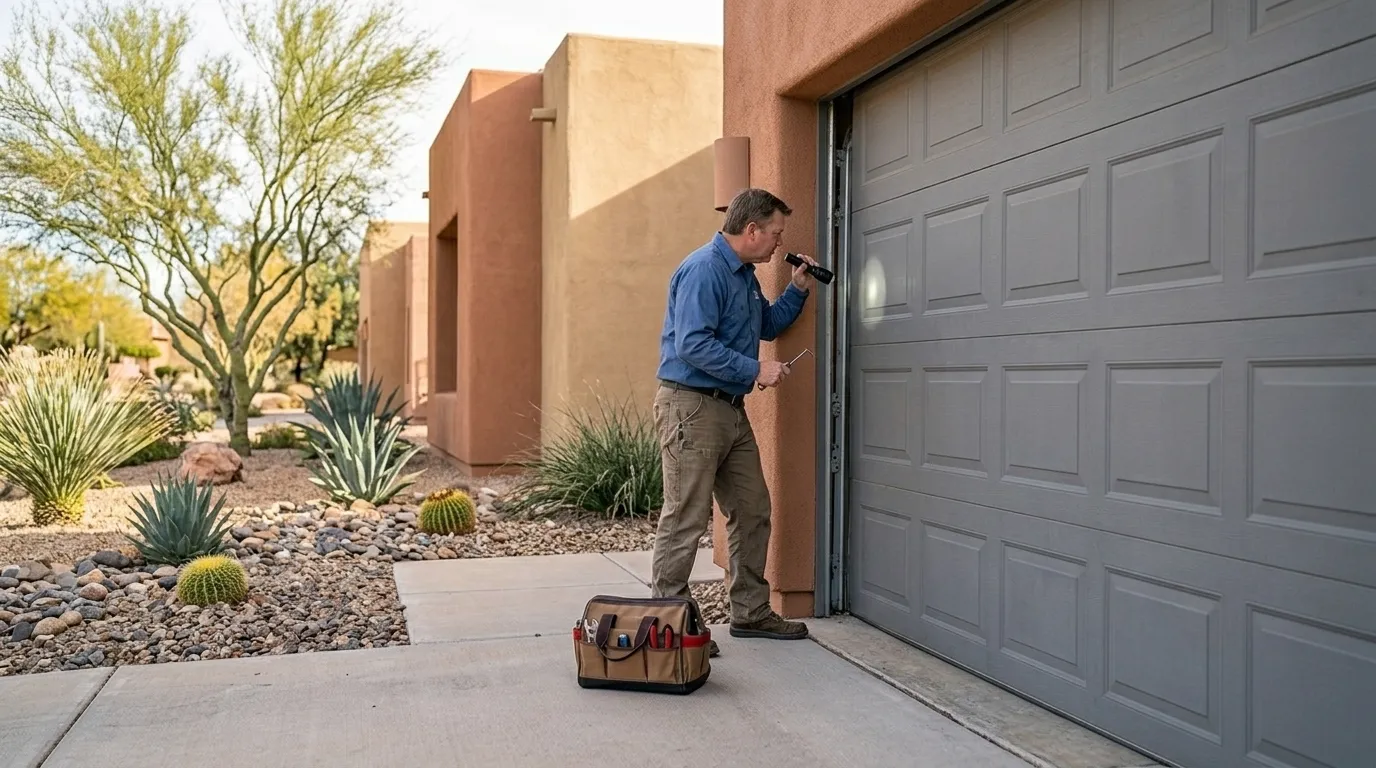
The door stops halfway, tilts to one side, or one bottom corner drags on the slab while the other lifts clean. That's the tell for off-track: the rollers have popped out of the channel, usually on one side only, and the panel is now trying to travel on a track it isn't sitting in anymore.
Most houses in Miami Gardens went up around 1969, and that year matters here. Doors from that era were built for steel tracks bolted with older hardware, often with less clearance tolerance than what gets installed today. Decades of small shifts in the track brackets - a slightly loosened bolt, a jamb that's settled a fraction - add up, and the rollers eventually walk out of the channel instead of riding smooth through it. On a newer door with modern track spacing, the same bump might not even register. On a 1969-era track, it's enough to derail a panel.
You'll also see it after the door gets bumped by a car bumper or a ladder left leaning against it. On older single-track setups, one hit can knock the whole assembly out of alignment in a way that a newer double-track door would shrug off.
What Can Go Wrong
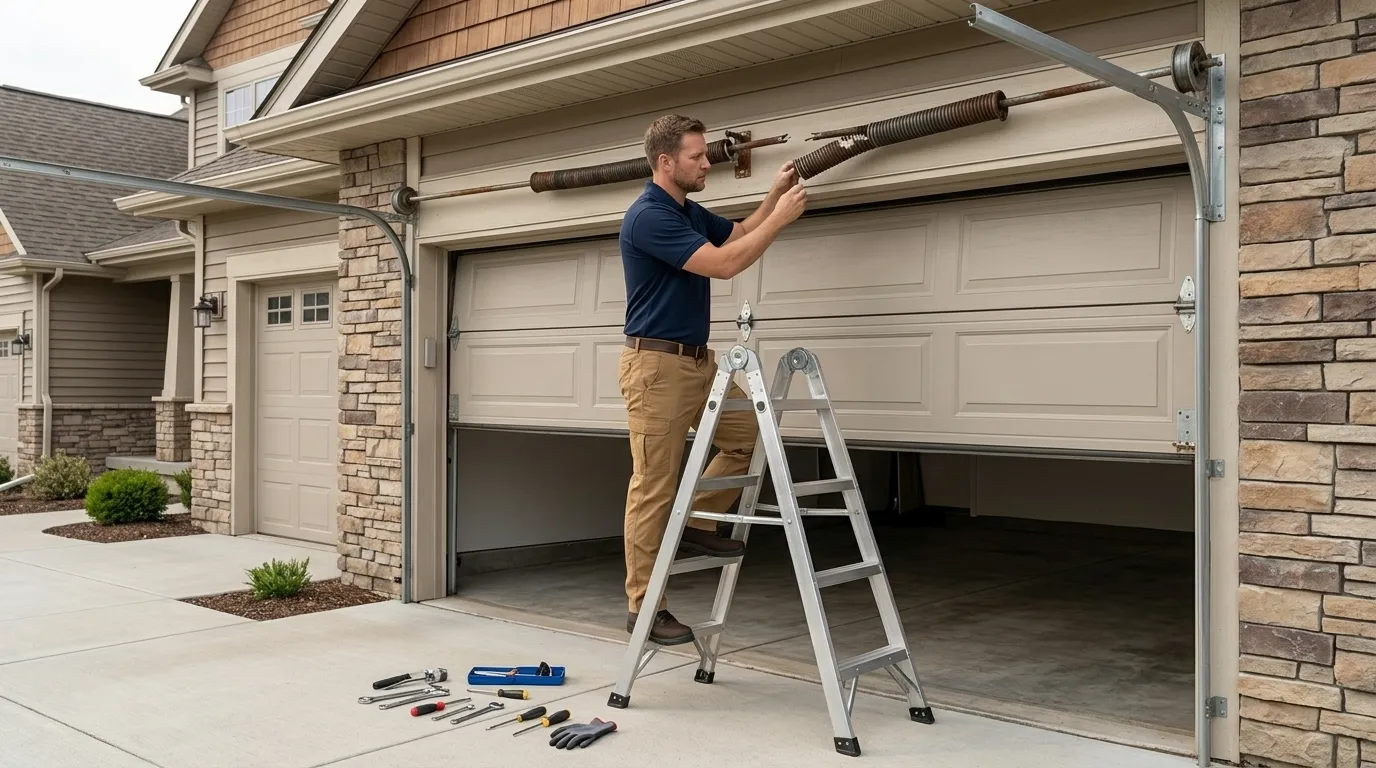
Once a door is off track, the cables are usually still under tension, which means the panel can drop or swing if someone forces it. Don't try to push it back into the channel by hand - that's how a spring lets go while someone's hands are on the door.
South Florida's mild, humid year-round climate doesn't freeze tracks or crack panels the way cold-climate towns see, but it does let corrosion creep into old track bolts and hinges over enough years, especially near the coast. A bracket that's rusted at the mounting point can shear off under the stress of a door trying to force itself back into a bent channel, turning a simple re-hang into a track and bracket replacement.
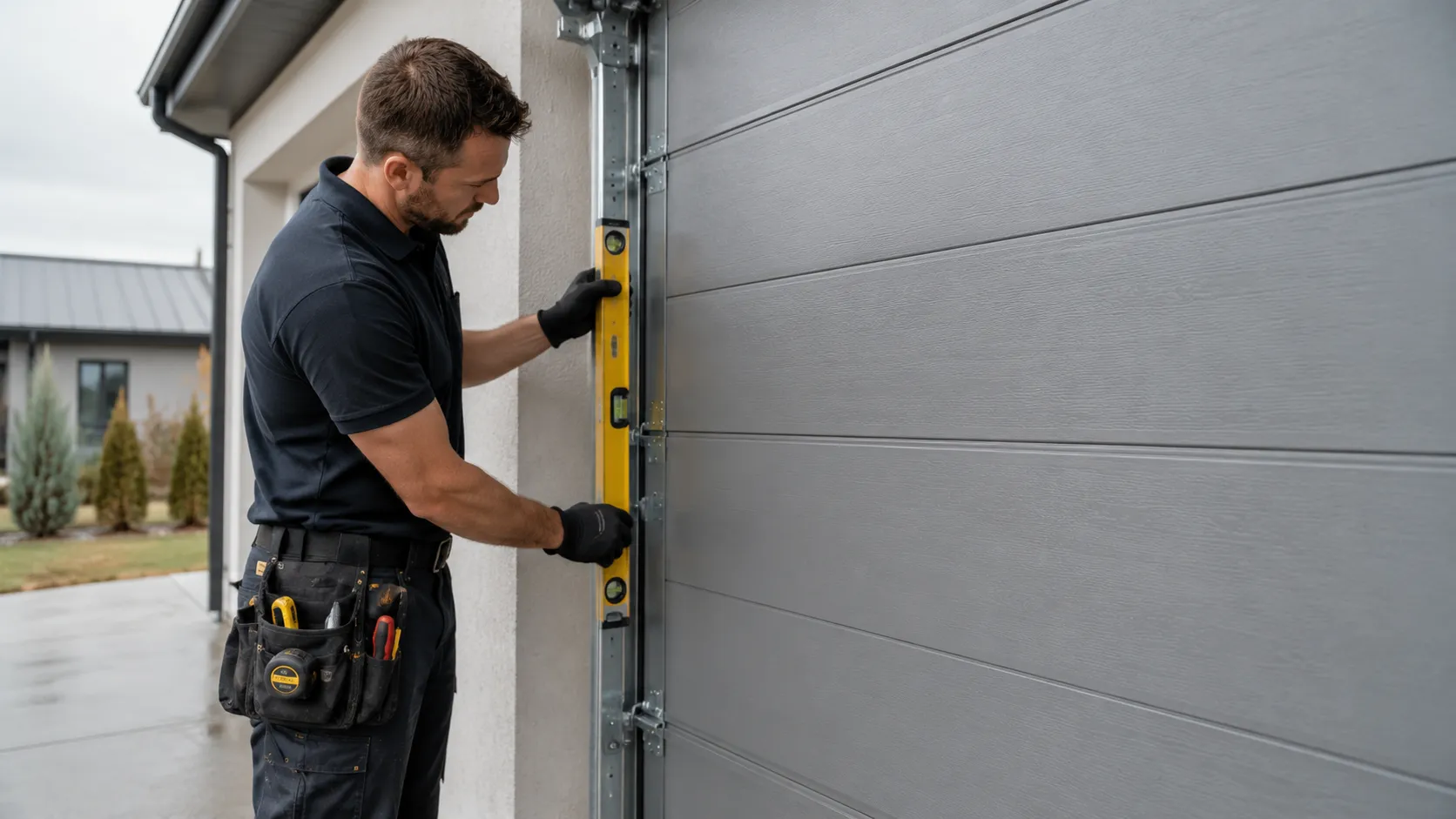
If the track itself got bent - from the door forcing against it, or from an impact - putting the rollers back in place doesn't fix the underlying problem. A bent track will throw the door off again within days or weeks. On older aluminum or light-gauge steel track common to 1960s-70s builds, that bend is often permanent once it happens; the metal doesn't spring back straight.
Booking a Visit
Tell us what the door is doing - which side it's dragging, whether it moved before stopping, whether you heard a bang - and we'll bring the right hardware for a Miami Gardens-era track rather than showing up guessing. Given the 15-mile run, having that detail ahead of time cuts down on a second trip.
We don't keep a branch in Miami Gardens; every job here is a truck out of Fort Lauderdale, which is why we ask a few questions before we load parts. If your door is original to a house from the late 1960s or 1970s, say so - it changes what we bring.