What the Repair Takes
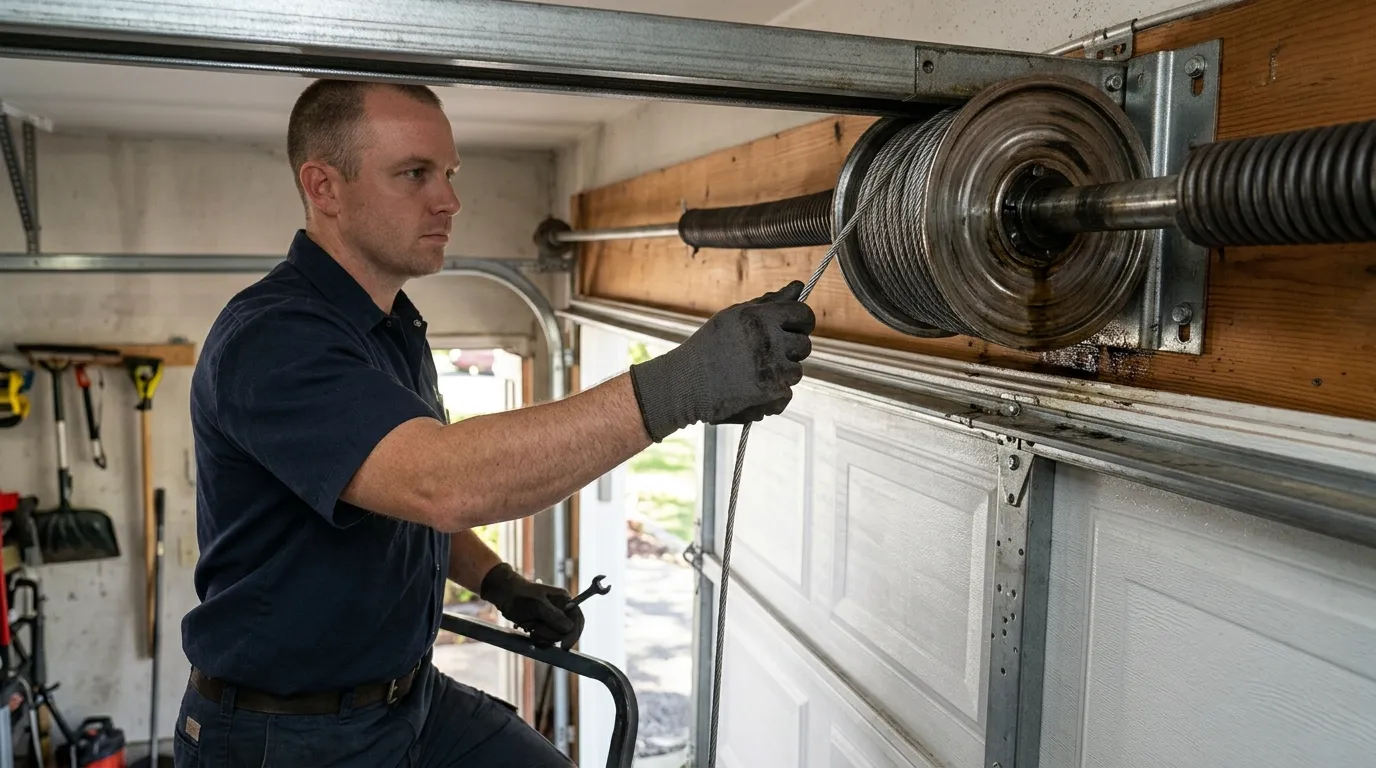
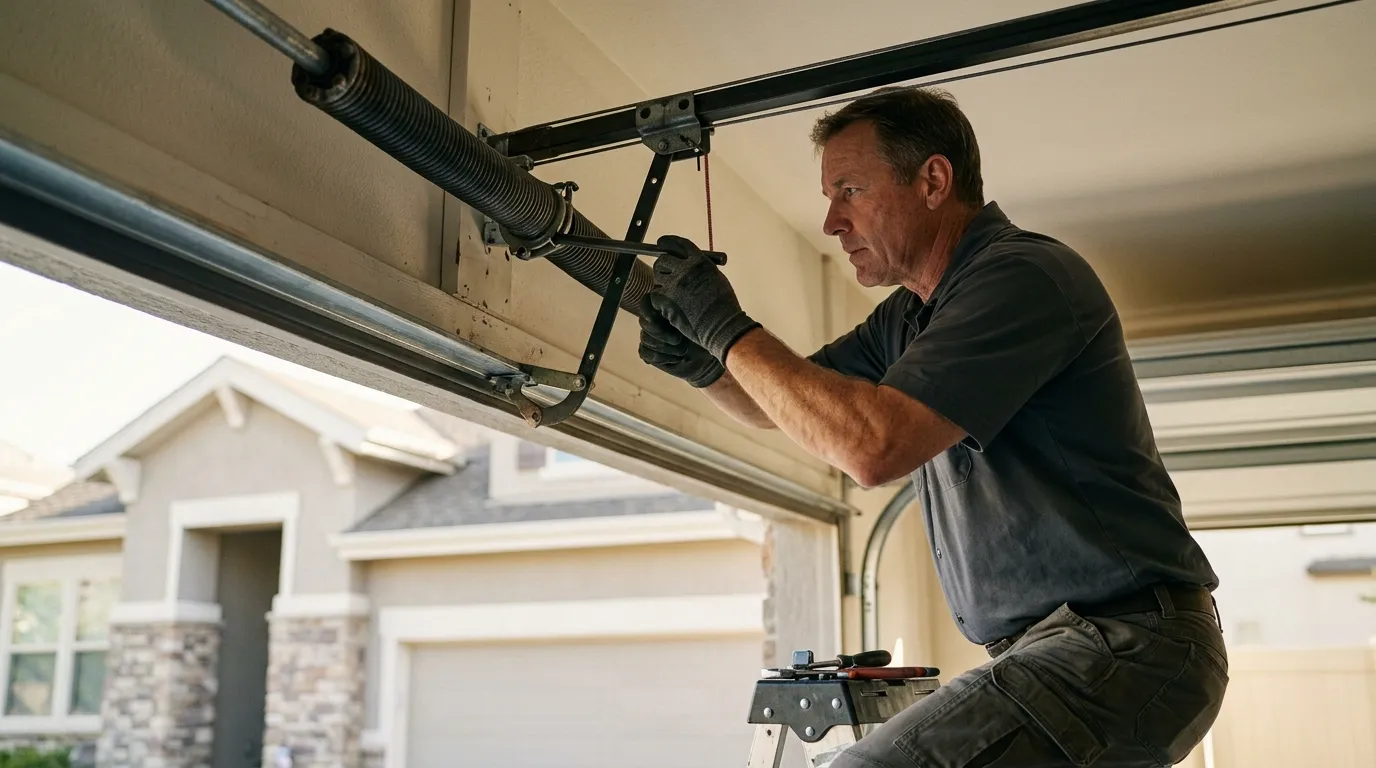
Margate's housing stock centers on 1978, which puts most garage doors and openers here squarely in the extension-spring era, not the torsion-spring hardware that shows up on newer builds. That matters at 10 p.m. when a door won't budge. An extension-spring setup uses side-mounted springs over the horizontal track, with a pulley and cable system that behaves differently under failure than a torsion spring coiled over the header. When one of those springs snaps or a cable frays, the door can hang crooked on one side, and the opener will keep straining against it until something else gives, usually the drive gear or a bent track bracket.
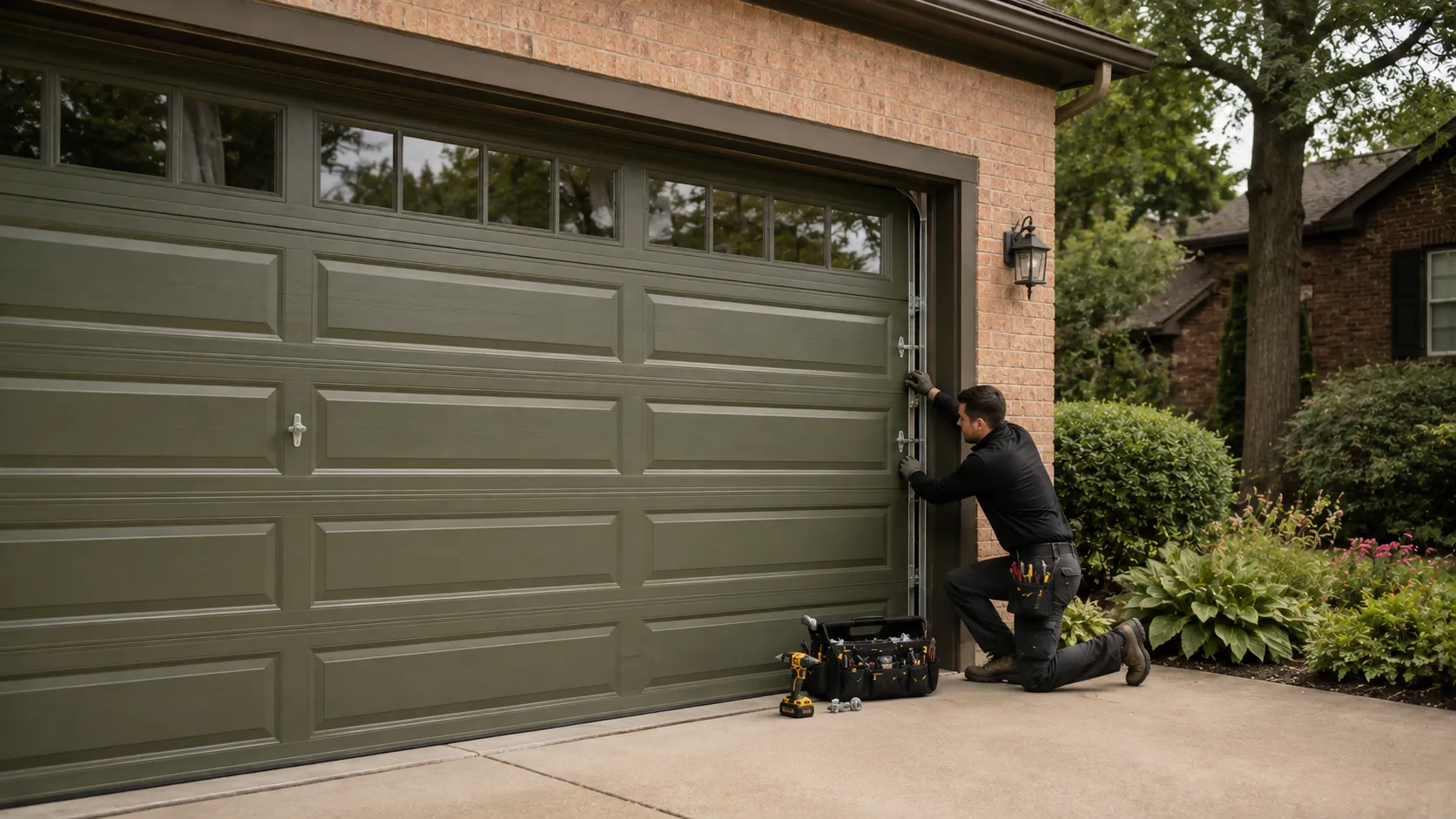
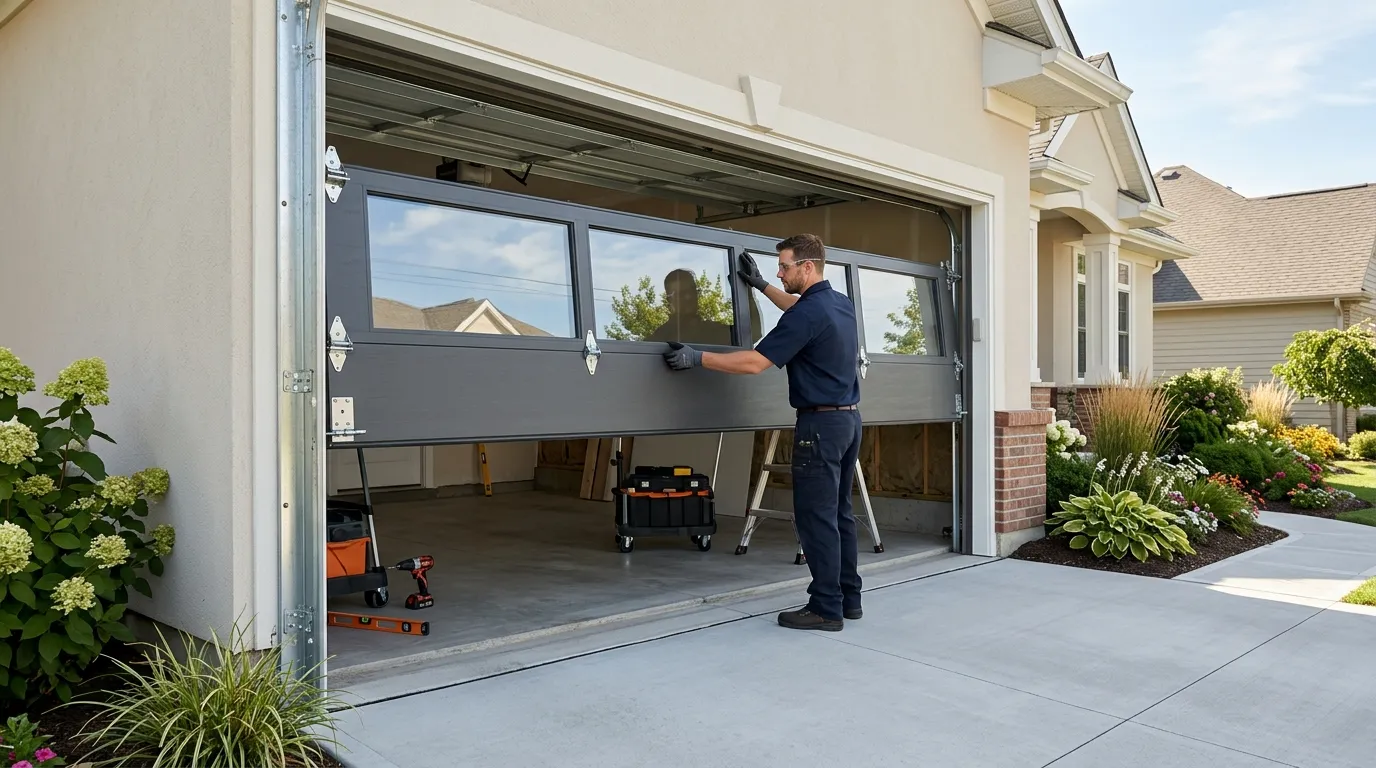
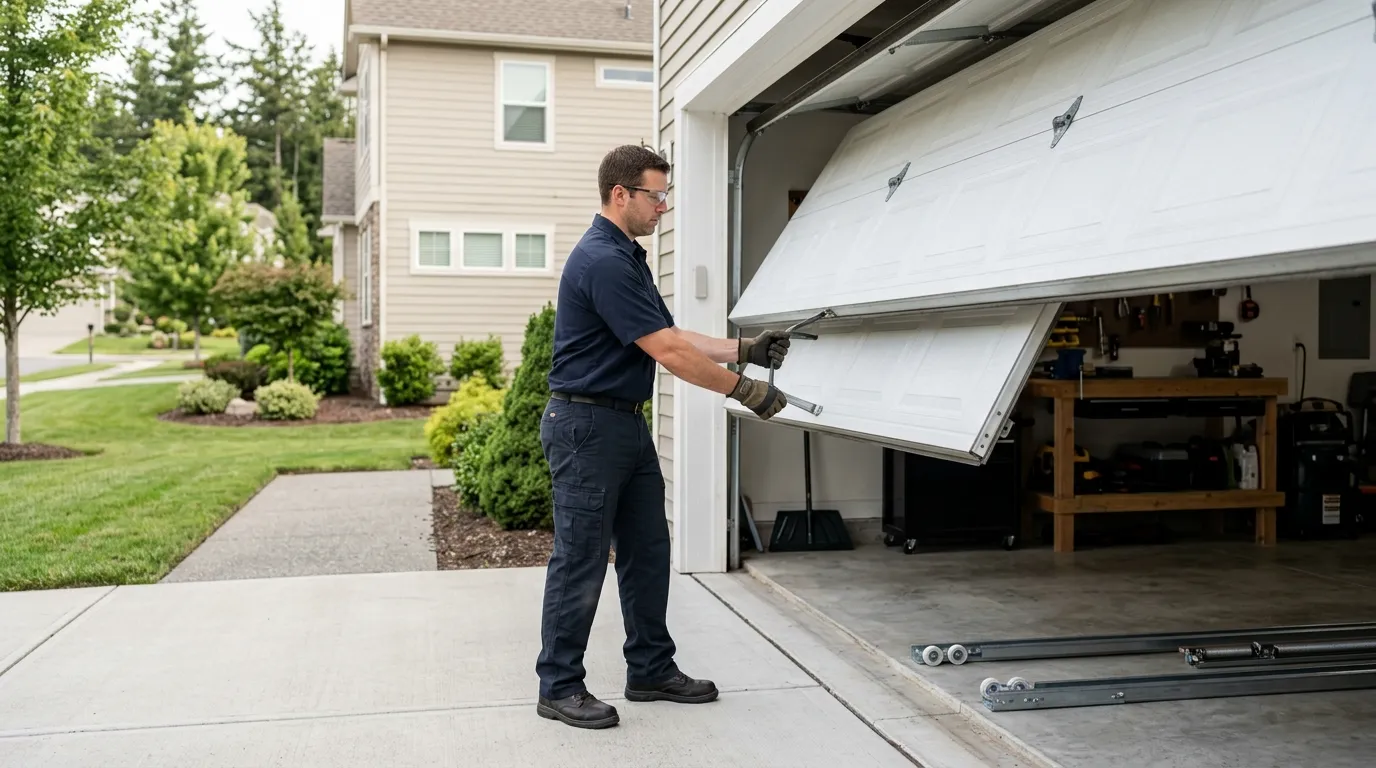
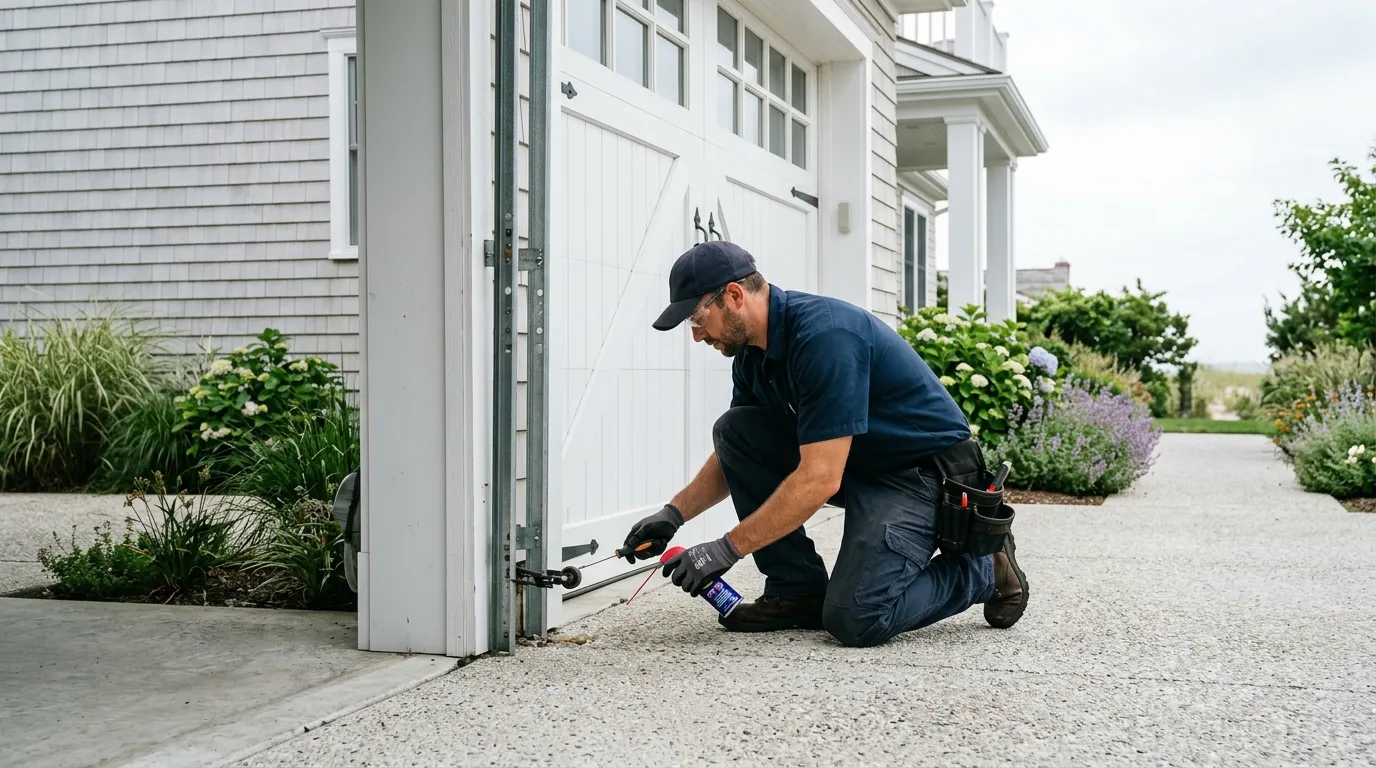
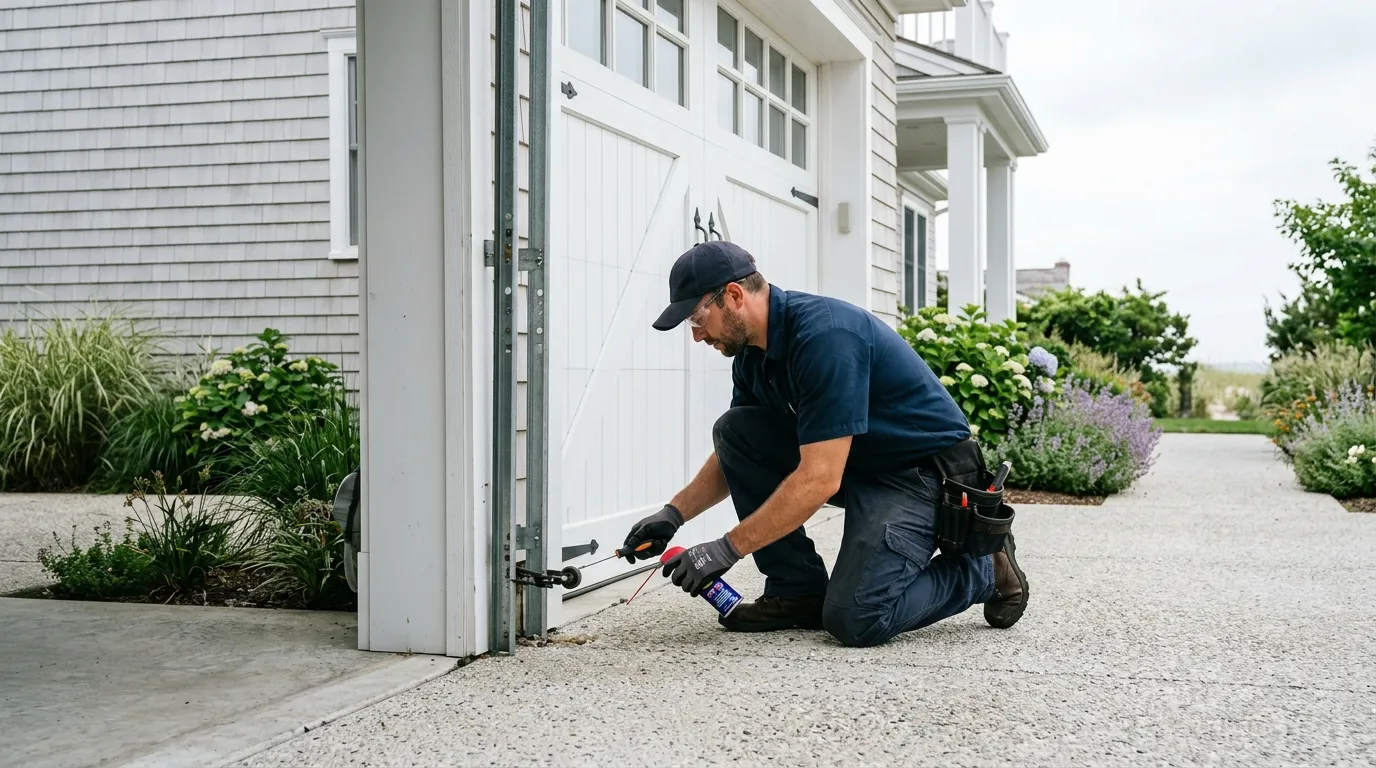
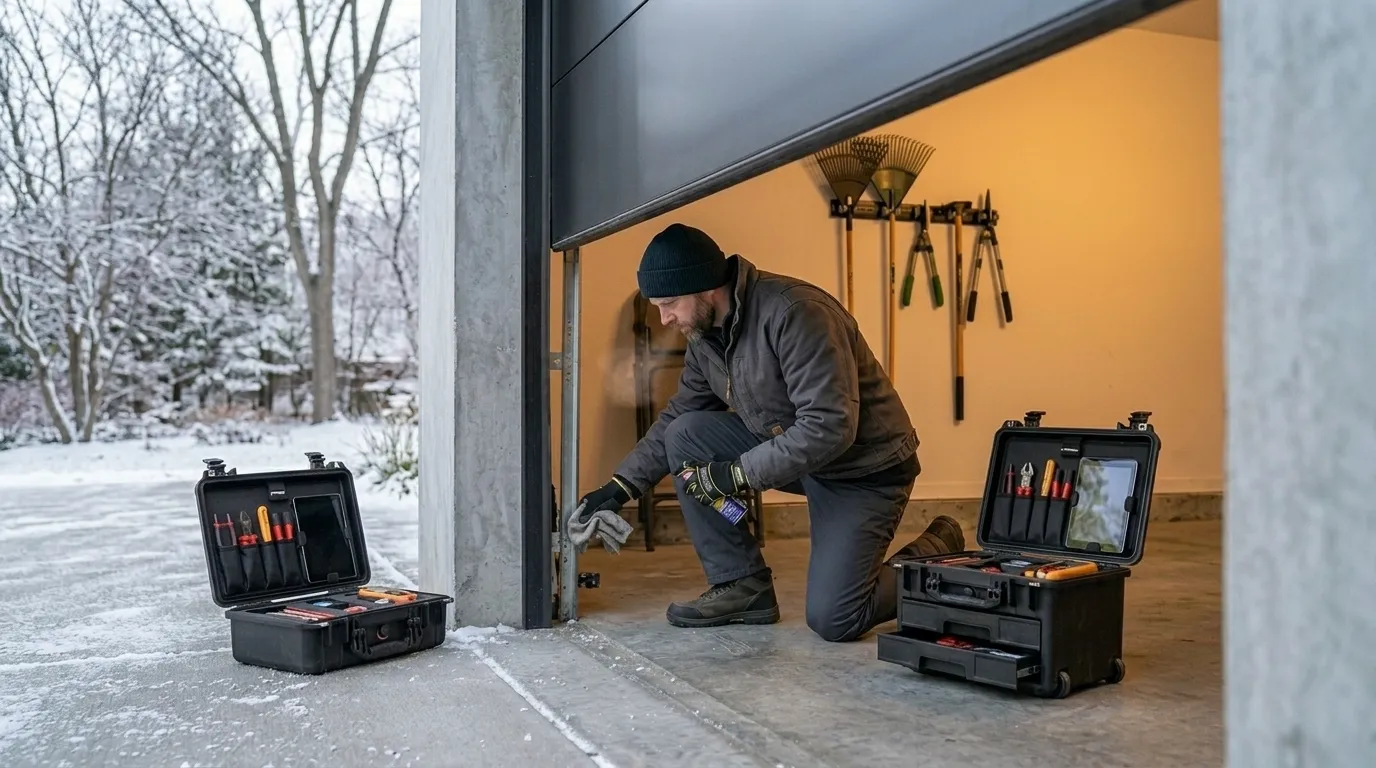
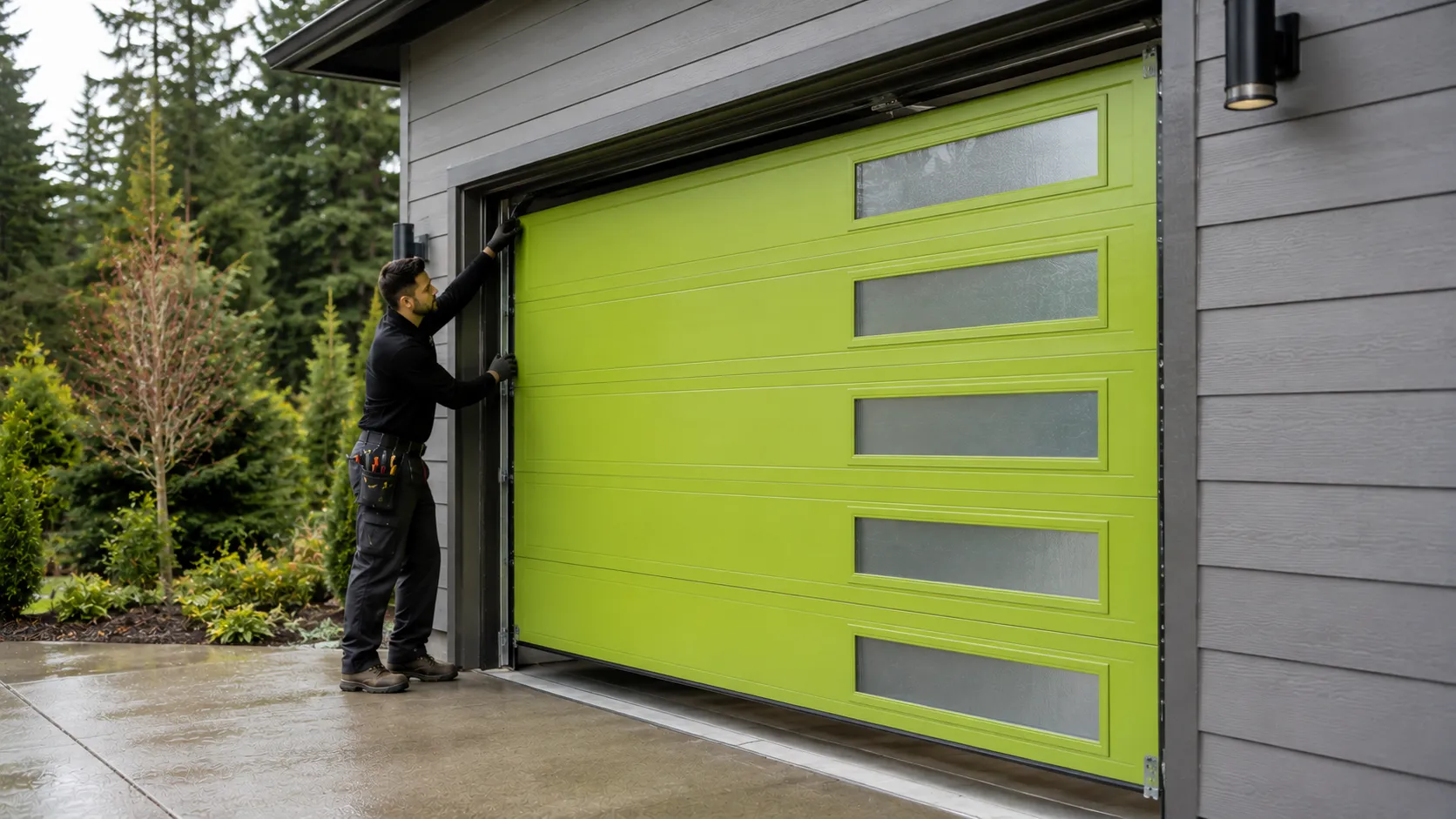
We come out from Fort Lauderdale, about 8 miles east, so the drive time itself is part of what the repair takes. On arrival, the first job is always the same: kill power to the opener and secure the door before touching springs or cables, because a stretched extension spring under tension is the single most dangerous part of this repair. After that, it's diagnosis - spring, cable, roller, or track - and most of these 1970s-era setups take a standard-size replacement, not a custom order, which keeps the job to one visit in most cases.
What You Pay
We don't have a posted price list for Margate calls, and we're not going to invent one here. What we can tell you is what drives the number: whether it's a spring, a cable, or a full opener swap, and whether the parts on hand match what's already mounted on a door of this age. Margate's median household income sits at $60,852, close to the wider service area's $62,201, and most of the repairs we see on houses from this era are parts-and-labor jobs rather than full door replacements - the steel and hardware from the late 1970s and 1980s tends to be repairable rather than a total loss.
The honest limitation: if your opener or spring size is discontinued or unusual, we may need to order a part, and that adds a day or two you won't get back by calling twice. We'll tell you on the phone if that's likely before you commit to a truck coming out.
Why This Fails Locally
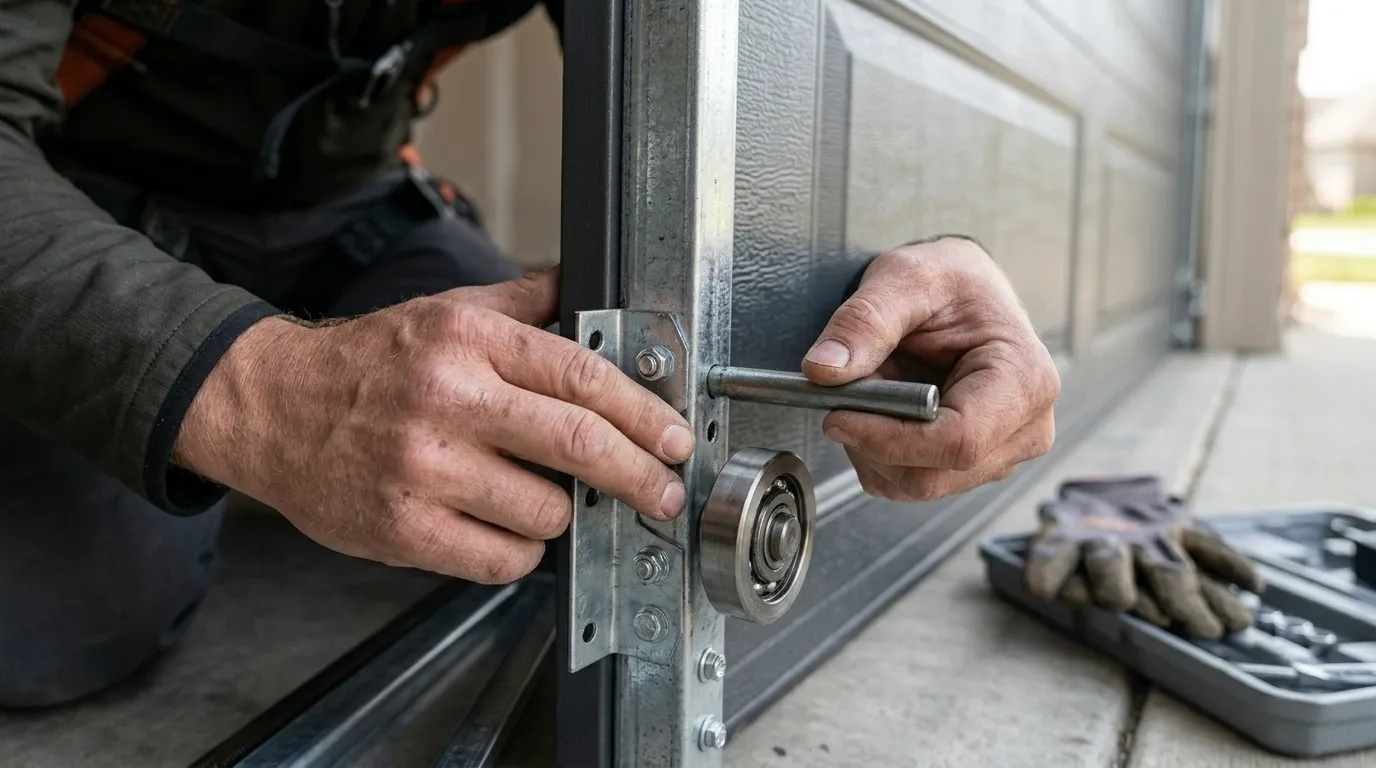
A door built to 1978 spec wasn't engineered for the wind and moisture cycling it's absorbed since, and Margate's homes have had roughly 45 years of that. Extension springs lose tension gradually, so the failure often isn't sudden - it's a door that's been closing slower for months until one morning it just doesn't lift. The other common local pattern is a cable that's frayed against a rusted pulley wheel, which snaps under the load of a heavy steel door rather than a lighter modern panel.
With 24,634 households in Margate and a housing stock this uniform in age, we see the same handful of failures repeat: springs, cables, and worn rollers, in that order. It's not a mystery diagnosis in most cases - it's a match between the door's age and what typically gives out on hardware that old.